
The name Dr. Julian Whitaker evokes different recollections depending on one’s familiarity with the realms of alternative health, wellness, and preventative medicine. For many, he was a beacon, a vocal proponent of therapies and nutritional approaches that often challenged mainstream medical dogma. For others, his methodologies and outspoken stance were subjects of debate and controversy. Regardless of one’s perspective, Dr. Julian Whitaker undeniably built a formidable personal brand. The question, “What happened to Dr. Julian Whitaker?” therefore isn isn’t just a query about a person’s whereabouts; it’s an inquiry into the trajectory, evolution, and enduring legacy of a significant personal brand in a highly specialized, often contentious, field.

This exploration delves into the making, challenges, and enduring influence of Dr. Whitaker’s brand, offering a case study in personal branding within the health and wellness sector. It examines how a distinct philosophy can translate into a powerful public identity, the trials it faces, and the mechanisms through which such a brand can adapt or leave a lasting footprint.
The Genesis of a Medical Maverick: Building a Personal Brand
Dr. Julian Whitaker emerged during a period ripe for disruption in healthcare. As public consciousness around nutrition, lifestyle, and preventative care began to grow, so too did a demand for alternatives to conventional, pharmaceutical-driven medicine. It was within this fertile ground that Dr. Whitaker cultivated his unique brand.
Early Career and Niche Identification
Dr. Whitaker initially trained and practiced within traditional medical frameworks, a background that lent credibility to his later, more unconventional stances. However, it was his growing disillusionment with the symptomatic approach of mainstream medicine that spurred him to carve out a distinct niche. He recognized an unmet need for a more holistic, root-cause-focused philosophy that empowered individuals to take control of their health through diet, exercise, and targeted nutritional supplementation.
This recognition was his first critical step in personal branding: identifying a gap in the market and positioning himself as the expert to fill it. He didn’t just offer an alternative; he offered a philosophy – one that promised patient empowerment and genuine healing over mere symptom management. This foundational belief became the bedrock of his brand identity, setting him apart from the myriad of general practitioners and even early wellness advocates. He wasn’t just a doctor; he was a visionary for a different kind of health.
Media Presence and Thought Leadership
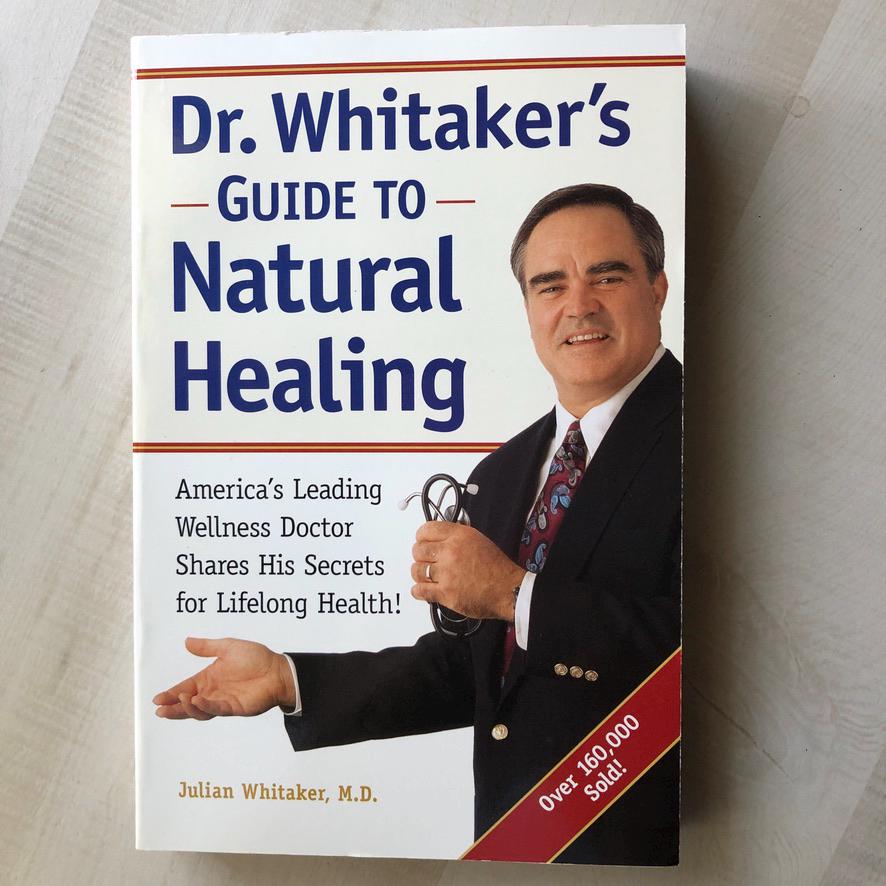
To amplify his message and establish his brand, Dr. Whitaker masterfully utilized various media channels available at the time. He wasn’t content to simply treat patients in a clinic; he aimed to educate and influence a broader public. His primary vehicle for brand proliferation was through the publication of books and health newsletters, which became enormously popular. These publications allowed him to articulate his complex medical philosophies in an accessible manner, reaching hundreds of thousands, if not millions, of readers directly in their homes.
Beyond print, Dr. Whitaker leveraged public speaking engagements, seminars, and eventually television appearances to further cement his status as a thought leader. His ability to articulate complex health concepts with conviction, backed by his medical credentials, resonated deeply with an audience yearning for credible alternative perspectives. Each public appearance, every published word, was a deliberate step in reinforcing his core brand attributes: knowledgeable, courageous, and dedicated to true health. His brand evolved beyond merely an individual to represent an entire movement challenging medical orthodoxy.
Core Brand Philosophy and Patient Trust
At the heart of Dr. Whitaker’s personal brand was an unwavering commitment to a specific philosophical approach to health. His clinics, particularly the famed Whitaker Wellness Institute, became physical manifestations of this philosophy. Patients weren’t just seeking treatment; they were seeking alignment with a belief system that emphasized natural healing, nutritional intervention, and preventative lifestyle choices. This consistent delivery on his brand promise, both in his publications and his practice, cultivated an extraordinary level of trust among his followers.
Trust, in the medical field, is paramount, and Dr. Whitaker built his on transparency, education, and demonstrable patient results. His brand message wasn’t just about what he offered, but why he offered it – a deep-seated belief in the body’s innate ability to heal when properly supported. This empathetic and empowering stance formed an emotional connection with his audience, transforming them from mere consumers of information into loyal advocates of his brand. His was a brand that didn’t just prescribe; it partnered with individuals on their wellness journey.
Navigating the Shifting Sands: Brand Challenges and Evolution
Building a powerful brand, particularly one that challenges established norms, inevitably invites scrutiny and the need for continuous adaptation. Dr. Whitaker’s journey was no exception, marked by significant challenges and strategic evolutions necessary to sustain his influence.
Public Scrutiny and Professional Backlash
A brand built on challenging the status quo often finds itself at odds with established institutions. Dr. Whitaker’s outspoken criticisms of pharmaceutical dependency and conventional medical practices led to considerable professional backlash. Mainstream medical organizations frequently questioned his methods, sometimes labeling them as unproven or even dangerous. This created a dual challenge for his brand: on one hand, it solidified his image as a courageous renegade fighting for patient rights; on the other, it exposed him to accusations of quackery, potentially eroding trust among those new to his philosophy.
Navigating this scrutiny required a robust brand defense strategy. Dr. Whitaker often responded by emphasizing patient testimonials, citing scientific studies (even if controversial within mainstream circles), and reiterating his core philosophy of patient empowerment. This period highlighted the critical importance of a clear brand narrative that can withstand external pressures and maintain internal consistency. His brand, in many ways, thrived on this controversy, as it amplified his message and galvanized his loyal following who felt similarly disenfranchised by conventional medicine.
Adapting to Digital Transformation
The advent of the internet and digital media presented both opportunities and formidable challenges for an established brand like Dr. Whitaker’s. For decades, his brand had flourished through print newsletters, books, and traditional media appearances. The digital age demanded a different approach: websites, online articles, social media, and direct-to-consumer digital products. This transition was crucial for maintaining relevance and reaching new generations of health-conscious individuals.
The challenge lay in translating his established authority and extensive content into engaging digital formats. While his newsletters eventually moved online, embracing social media and interactive digital platforms required a new strategic focus. His brand had to contend with the rise of countless new online health gurus, many lacking his medical credentials but possessing superior digital marketing prowess. Adapting involved not just technology adoption, but a re-evaluation of content delivery, audience engagement, and the integration of new marketing funnels to keep his brand visible and resonant in an increasingly crowded digital landscape.
Diversification and Brand Extension

Like many successful personal brands, Dr. Whitaker’s expanded beyond his core offerings. His brand naturally extended into the development and promotion of nutritional supplements, a logical progression from his emphasis on dietary intervention. These brand extensions, while lucrative and a natural fit, also carried inherent risks. The supplement industry is fraught with regulatory complexities and skepticism, potentially exposing his brand to new layers of scrutiny regarding product efficacy and claims.
The success of these brand extensions relied heavily on the consistent application of his core brand values—quality, efficacy, and alignment with his holistic philosophy. Any perceived deviation could damage the trust he had painstakingly built. Furthermore, he established the Whitaker Wellness Institute as a flagship facility, institutionalizing his methods and creating a physical touchpoint for his brand. This diversification transformed his personal brand into an ecosystem, ensuring that his influence extended beyond his direct public appearances, creating multiple avenues for engagement and reinforcing his central message.
The Evolving Legacy: Dr. Whitaker’s Brand in the Modern Era
As time progresses, the question of “what happened to” often shifts from active presence to enduring influence. For Dr. Julian Whitaker, his brand has transcended mere active participation to leave a foundational mark on the wellness industry.
From Public Figure to Enduring Influence
While Dr. Whitaker may not be as ubiquitously present in mainstream media as he once was, his influence continues to reverberate throughout the wellness landscape. Many of the concepts he championed—the importance of nutrition in disease prevention, the role of specific supplements, and challenging pharmaceutical-first approaches—have moved from the fringes to become more widely accepted, even within some conventional medical circles. His brand, therefore, has transitioned from that of an active public figure to a foundational influencer whose early work laid groundwork for contemporary movements.
His original teachings and philosophies are now often reinterpreted or built upon by a new generation of functional medicine practitioners, nutritionists, and health coaches. The “Whitaker approach” has become a reference point, a testament to his foresight and the enduring power of his initial brand vision. His legacy is found not just in his direct followers, but in the general shift in public discourse towards more integrated and preventative health strategies.
Brand Succession and Institutionalization
A true mark of a strong brand is its ability to outlive the direct, day-to-day involvement of its founder. Dr. Whitaker achieved this through the institutionalization of his brand, most notably via the Whitaker Wellness Institute. This clinic continues to operate, embodying his treatment philosophies and serving as a living testament to his vision. This institutionalization ensures that the brand’s core values, methodologies, and commitment to patient care persist beyond his direct leadership.
Furthermore, his extensive body of published works – books and archived newsletters – serve as a permanent repository of his thought leadership. These resources continue to educate and inspire new adherents, ensuring that his brand’s intellectual property and philosophical underpinnings remain accessible and influential. The challenge for any institutionalized personal brand is to maintain relevance and adapt while staying true to its founder’s original vision, a balance the Whitaker Institute continually navigates.
The Resonance of His Message Today
In an era increasingly focused on personalized medicine, preventative health, and the impact of lifestyle on chronic disease, Dr. Whitaker’s original message continues to resonate profoundly. His emphasis on dietary choices, targeted supplementation, and lifestyle modification as primary tools for health empowerment feels more pertinent than ever. The current discourse around metabolic health, insulin resistance, and inflammation, for instance, echoes many of the concerns he raised decades ago.
His brand, therefore, stands as a prescient voice in the ongoing health conversation. What happened to Dr. Julian Whitaker, in essence, is that his brand achieved a rare form of immortality – its core tenets becoming integrated into the broader health consciousness, influencing how individuals think about and approach their own well-being. He built a brand not just for a moment, but for a movement, one whose ripples are still felt today.
Key Takeaways for Personal Branding in Specialized Fields
The journey of Dr. Julian Whitaker’s brand offers invaluable lessons for anyone looking to build a compelling and enduring personal brand, especially within specialized and often controversial fields.
Authenticity as a Cornerstone
Dr. Whitaker’s brand success was deeply rooted in his authentic passion and unwavering commitment to his core beliefs. He didn’t shy away from challenging norms, and this conviction resonated with an audience seeking genuine solutions. Authenticity builds deep trust and loyalty, which are critical assets when navigating scrutiny and competition.
Strategic Communication and Adaptation
From leveraging print newsletters to adapting to digital platforms, Dr. Whitaker demonstrated the importance of strategic communication across evolving media landscapes. An enduring brand must not only have a powerful message but also the agility to deliver it effectively wherever its audience resides. This includes defending the brand effectively during periods of public scrutiny.
Building an Enduring Brand Ecosystem
Beyond the individual, Dr. Whitaker built an ecosystem around his brand—clinics, publications, and products—that allowed his philosophy to transcend his personal presence. This institutionalization is key for long-term influence and ensuring that a personal brand can become a lasting legacy, continuing to impact lives for generations.
Conclusion
“What happened to Dr. Julian Whitaker?” is a question that unfolds into a compelling narrative of personal branding. From his pioneering efforts in carving out a niche in preventative medicine to navigating professional backlash and the digital revolution, Dr. Whitaker meticulously built and maintained a brand centered on empowerment and alternative health philosophies. While his active public presence may have evolved, his influence endures through the institutions he built, the vast body of work he created, and the fundamental shift in health consciousness that he helped catalyze. His journey serves as a powerful testament to how a focused vision, strategic communication, and unwavering authenticity can forge a personal brand that not only thrives in its time but leaves an indelible legacy for future generations.
aViewFromTheCave is a participant in the Amazon Services LLC Associates Program, an affiliate advertising program designed to provide a means for sites to earn advertising fees by advertising and linking to Amazon.com. Amazon, the Amazon logo, AmazonSupply, and the AmazonSupply logo are trademarks of Amazon.com, Inc. or its affiliates. As an Amazon Associate we earn affiliate commissions from qualifying purchases.