
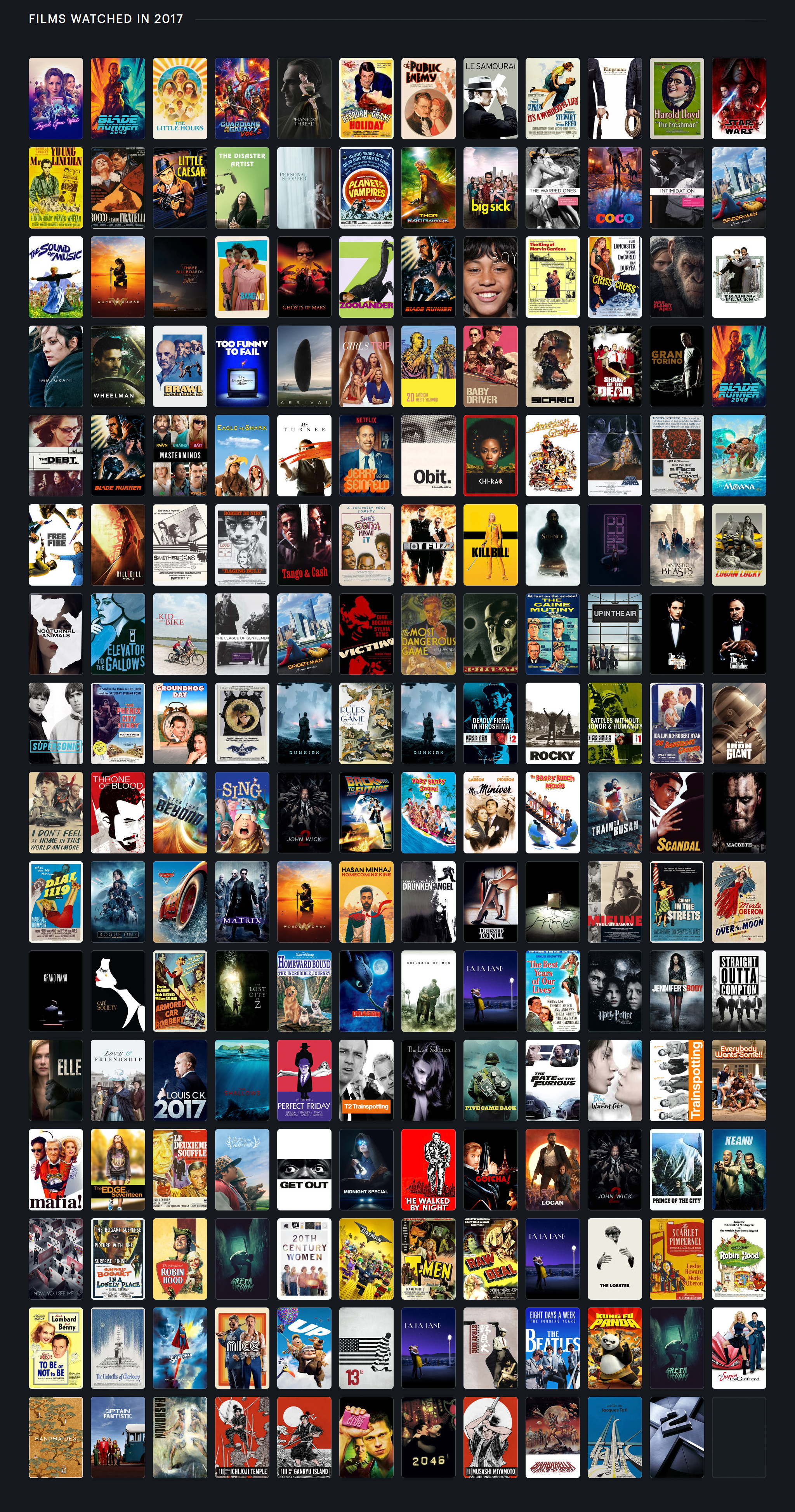
The year 2017 was a landmark period in cinematic history, not merely for the sheer volume and diversity of films released, but for the sophisticated brand strategies and marketing innovations that accompanied them. While a simple query for “what films came out in 2017” might elicit a long list of titles, a deeper dive reveals a vibrant ecosystem where studios, distributors, and filmmakers leveraged cutting-edge branding techniques to capture audience attention in an increasingly fragmented media landscape. This article moves beyond a mere listing, exploring how the films of 2017 — from blockbuster franchises to indie darlings — were strategically branded, marketed, and positioned to resonate with global audiences, leaving a lasting impact on corporate identity and consumer perception.

The Evolving Landscape of Film Branding in 2017
In 2017, the film industry stood at a fascinating crossroads. Traditional advertising still held sway, but digital platforms were rapidly gaining dominance, forcing a re-evaluation of how films were presented as brands. This era saw a significant shift from broad-stroke promotions to highly targeted, data-driven campaigns designed to build distinct brand identities for each cinematic offering.
Franchise Powerhouses and Brand Equity
The year 2017 was unequivocally defined by the continued supremacy of established cinematic franchises. Studios meticulously cultivated and leveraged the immense brand equity built over years, sometimes decades, to ensure anticipated returns. Films like Star Wars: The Last Jedi, Guardians of the Galaxy Vol. 2, Logan, and Justice League weren’t just individual movies; they were vital installments in sprawling brand universes. The marketing for these films didn’t merely promote a plot; it reinforced existing fan loyalty, expanded lore, and signaled the continuation of beloved sagas. The brand promise was often deeply rooted in nostalgia, character arcs, and the anticipation of new revelations within familiar worlds. Brand managers for these tentpole releases faced the dual challenge of satisfying long-time fans while also attracting new viewers, requiring a delicate balance between tradition and innovation in their messaging. The sheer volume of merchandise, video games, and tie-ins associated with these franchises further solidified their brand omnipresence, turning film releases into cultural events rather than isolated cinematic experiences.
The Rise of Digital Marketing and Audience Engagement
Digital platforms fundamentally transformed how films were branded and marketed in 2017. Social media became an indispensable tool for direct audience engagement, allowing studios to bypass traditional media gatekeepers and foster direct conversations with fans. Campaigns for films like It masterfully utilized viral marketing, teaser trailers, and user-generated content to build immense hype. Interactive websites, AR filters, and targeted ads on platforms like Facebook, Twitter, and Instagram became standard practice. Influencer marketing also began to gain serious traction, with studios collaborating with YouTubers, social media personalities, and niche content creators to spread brand awareness organically. This direct-to-consumer approach allowed for granular segmentation of audiences, ensuring that specific demographics received tailored messaging that resonated with their interests, a stark contrast to the mass advertising of previous decades. The speed and reach of digital platforms meant that brand narratives could be shaped and adjusted in real-time, responding to audience feedback and cultural trends with unprecedented agility.
Niche Branding and Indie Breakthroughs
While blockbusters commanded significant budgets, 2017 also showcased the power of effective niche branding for independent and critically acclaimed films. Titles like Get Out, Lady Bird, and Call Me By Your Name achieved significant cultural and commercial success by cultivating distinct brand identities that resonated deeply with specific audiences. Their marketing strategies often relied less on star power and more on critical acclaim, word-of-mouth, and the strength of their unique narratives and themes. For Get Out, the brand messaging focused on its innovative blend of horror and social commentary, appealing to audiences looking for intelligent, provocative cinema. For Lady Bird, it was the authentic portrayal of adolescence and family dynamics that formed its core brand appeal. These films proved that a compelling story, coupled with targeted branding that highlighted its unique selling proposition, could cut through the noise and establish a powerful, lasting brand presence without a multi-million dollar marketing war chest.
Case Studies in 2017 Film Marketing Success
The year offered several compelling examples of how strategic branding and innovative marketing could elevate a film from a mere release to a cultural phenomenon, redefining corporate identity and audience perception in the process.
“Wonder Woman”: Reinvigorating a DC Icon
The release of Wonder Woman in 2017 was a masterclass in brand revitalization. Prior to its debut, the DC Extended Universe (DCEU) faced criticism for its dark tone and inconsistent storytelling. Wonder Woman represented a crucial opportunity to recalibrate the DC brand. The marketing campaign was meticulously crafted to highlight optimism, heroism, and female empowerment, themes that were central to Wonder Woman’s comic book identity but had been somewhat diluted in previous cinematic portrayals. Trailers emphasized Diana Prince’s strength, compassion, and moral compass, contrasting sharply with the grim aesthetic often associated with the DCEU. The film’s brand identity became synonymous with hope and inspiration. This strategic pivot not only earned critical acclaim and massive box office success but also significantly improved the overall brand perception of the DCEU, proving that a strong, focused brand narrative could turn the tide for a struggling corporate identity. The campaign successfully positioned Wonder Woman as a universal icon, transcending typical superhero demographics and resonating deeply with a broader cultural conversation about representation.
“Star Wars: The Last Jedi”: Navigating Legacy Branding and Fan Expectations
Marketing Star Wars: The Last Jedi was a monumental exercise in managing a multi-generational, globally recognized brand. The Star Wars brand carries immense legacy, an intensely loyal fanbase, and an almost sacred connection to its mythology. The marketing campaign had to honor this legacy while also promising innovation and progression. Trailers and promotional materials expertly balanced familiar elements (iconic characters, stunning visuals, John Williams’ score) with tantalizing hints of new directions and challenges for the heroes. The brand strategy was about creating a sense of unfolding epic narrative, encouraging fervent speculation and discussion among fans. However, the film’s eventual release also highlighted the complexities of managing a legacy brand where diverse fan expectations can lead to strong reactions, both positive and negative. The discourse around The Last Jedi became a case study in how deeply invested audiences are in established brands, and how a creative vision can either unify or divide a passionate consumer base, underscoring the challenges of evolving a beloved corporate identity.
“Get Out”: Crafting a Unique Brand Voice for a Genre-Bending Hit
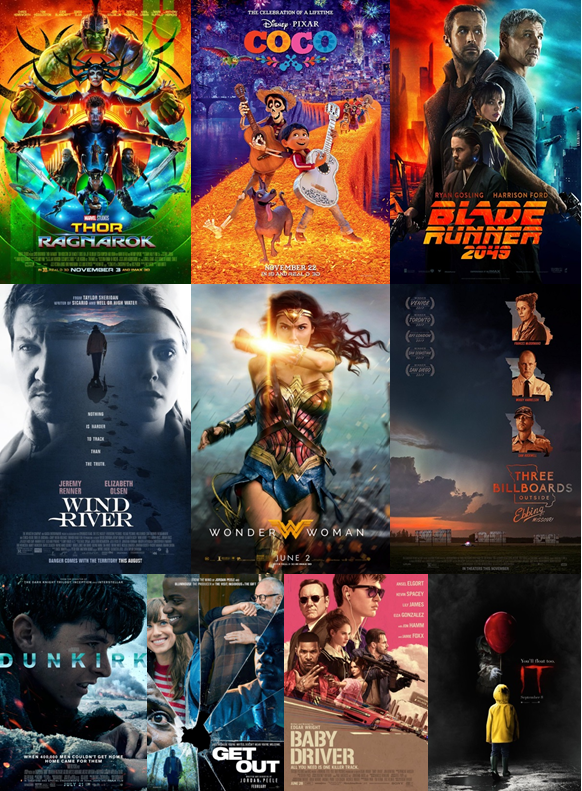
Jordan Peele’s Get Out achieved extraordinary success by carving out a completely unique brand identity. Initially marketed as a horror film, its promotional materials cleverly hinted at deeper social commentary without giving away its twists. The brand’s strength lay in its originality, its timely themes, and its ability to subvert audience expectations. The marketing campaign focused on intriguing visuals (like the ‘sunken place’), cryptic taglines, and a strong emphasis on critical buzz. The strategy was to build curiosity and present the film as a must-see cultural event rather than just another genre flick. The film’s brand became associated with intelligent horror, social satire, and a fresh directorial voice. This agile and authentic branding approach allowed Get Out to transcend its initial genre classification, attracting a much broader audience and proving that a distinctive, well-articulated brand voice could propel a modestly budgeted film to significant critical and commercial triumph, fundamentally altering its corporate identity in the process.
Challenges and Innovations in Film Branding
The films of 2017 also highlighted broader trends and enduring challenges in the art and science of film branding, pushing the industry to innovate in how it connects with audiences.
The Power of Personal Branding: Actors and Directors as Marquee Brands
In 2017, the personal brands of actors and directors continued to play a crucial role in the marketing of films. Stars like Tom Cruise (The Mummy), Dwayne “The Rock” Johnson (Jumanji: Welcome to the Jungle), and Denzel Washington (Roman J. Israel, Esq.) brought their own significant brand equity to their projects. Their personal brands — built on charisma, genre association, or critical reputation — often served as a primary draw for audiences. Similarly, directors with distinctive styles, such as Christopher Nolan (Dunkirk) or Edgar Wright (Baby Driver), operated as brands unto themselves, promising a particular cinematic experience. Marketing campaigns often strategically foregrounded these personal brands, leveraging their established connection with audiences to generate trust and excitement for new films. This intertwining of individual and corporate branding became an even more pronounced strategy for building anticipation and guaranteeing a baseline level of audience interest.
Brand Storytelling Beyond the Screen: Merchandise, Tie-ins, and Experiential Marketing
The brand of a film in 2017 extended far beyond the theatrical release. Merchandise, video games, novelizations, and brand tie-ins with other companies were integral to expanding a film’s footprint and deepening audience engagement. For major franchises, these extensions weren’t just revenue streams; they were crucial touchpoints that reinforced the film’s corporate identity and narrative world. Experiential marketing also gained traction, with pop-up activations, interactive exhibits, and themed events allowing fans to physically immerse themselves in a film’s brand. For instance, escape rooms or VR experiences related to horror films like It deepened the connection with the audience, turning passive viewing into active participation. This holistic approach to brand storytelling ensured that the film’s identity permeated various aspects of consumer culture, keeping it top-of-mind long after its theatrical run.
Data-Driven Marketing: Using Analytics to Target Audiences and Refine Brand Messaging
By 2017, the application of data analytics in film marketing had become increasingly sophisticated. Studios invested heavily in understanding audience demographics, viewing habits, and social media sentiment to tailor their branding efforts with unprecedented precision. A/B testing of trailers, posters, and taglines allowed marketers to optimize messaging based on real-time feedback. Predictive analytics helped identify potential audience segments most likely to respond to a particular film’s brand, enabling more efficient allocation of marketing budgets. This data-driven approach allowed studios to not only identify their target audience but also to understand the nuances of their preferences, ensuring that brand messages were not only seen but also deeply resonated with the intended viewers, refining the corporate identity through iterative feedback.
The Lasting Brand Legacy of 2017’s Releases
The films released in 2017 didn’t just entertain; they left an indelible mark on the landscape of film branding and corporate identity, shaping future strategies and audience expectations.
Franchises Forged and Fortified
Many of the significant franchise releases of 2017 played a crucial role in either solidifying their brand’s dominance or setting the stage for future expansion. Wonder Woman revitalized a flagging superhero universe, establishing a new brand direction for DC. Thor: Ragnarok injected much-needed humor and stylistic flair into the Marvel Cinematic Universe’s Thor brand. These films were not just standalone successes; they were strategic moves in the larger game of brand building and universe expansion, demonstrating how individual releases contribute to the overarching corporate identity of a studio’s cinematic slate. Their branding successes in 2017 provided critical momentum for sequels and spin-offs in the years that followed.
Shaping Audience Expectations
The marketing and branding successes (and occasional missteps) of 2017 also had a profound impact on audience expectations. Consumers became more accustomed to sophisticated digital campaigns, highly tailored content, and interactive experiences. The bar for creative and engaging film promotion was raised. Audiences increasingly expected studios to not only deliver compelling films but also to present them with a strong, consistent, and authentic brand voice that resonated with their values and interests. This shift pushed studios to be more innovative and audience-centric in their branding strategies moving forward.
A Blueprint for Future Marketing
In many ways, the branding and marketing strategies employed for films in 2017 served as a blueprint for the years to come. The emphasis on digital engagement, data-driven insights, personal branding, and comprehensive brand storytelling became standard practice. The ability of independent films to carve out powerful brand niches with limited budgets inspired a new generation of filmmakers and marketers. The lessons learned in brand revitalization, legacy management, and cultivating unique voices from 2017’s releases continue to inform how studios approach the challenge of bringing their cinematic visions to the world.
In conclusion, while “what films came out in 2017” might seem like a simple question, the answer, when viewed through the lens of branding and marketing, reveals a complex and dynamic year. It was a period where films were not just stories, but meticulously crafted brands, strategically positioned and passionately promoted, forever altering the corporate identity of the film industry and its relationship with its global audience.
aViewFromTheCave is a participant in the Amazon Services LLC Associates Program, an affiliate advertising program designed to provide a means for sites to earn advertising fees by advertising and linking to Amazon.com. Amazon, the Amazon logo, AmazonSupply, and the AmazonSupply logo are trademarks of Amazon.com, Inc. or its affiliates. As an Amazon Associate we earn affiliate commissions from qualifying purchases.