
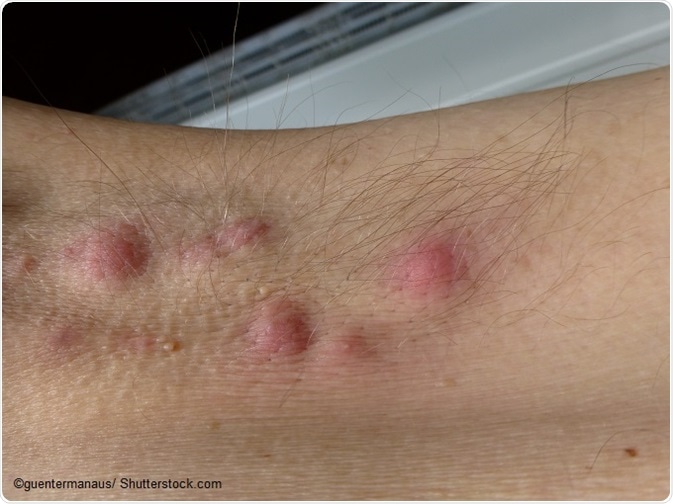
Hidradenitis suppurativa (HS), often referred to as acne inversa, is a chronic, inflammatory skin condition that significantly impacts the lives of those it affects. Characterized by the development of painful lumps, abscesses, and sinus tracts—typically in areas where skin rubs together, such as the armpits, groin, and under the breasts—HS is more than just a dermatological issue; it is a systemic immune-mediated disorder. Understanding the pathology, stages, and management strategies is the first step toward regaining control over daily life.
Understanding the Underlying Pathology of HS
At its core, hidradenitis suppurativa is not a result of poor hygiene or an infection that can be spread to others. Rather, it is a multifactorial disease that originates in the hair follicles. When these follicles become blocked, the normal secretions of sweat and oil become trapped, creating an environment that triggers intense inflammation.

The Role of Follicular Occlusion
The primary mechanism behind HS is follicular hyperkeratosis. In individuals with HS, the skin cells lining the hair follicles shed abnormally, leading to a “plug” or blockage. As the follicle fills with trapped debris, it eventually ruptures under the skin. This rupture releases bacteria and inflammatory proteins into the surrounding dermis, triggering a cascade of immune responses that result in the characteristic bumps and boils associated with the condition.
Inflammation and Immune Response
While the initial trigger is localized to the follicle, the body’s reaction is systemic. Cytokines—signaling proteins involved in the immune response—are found at significantly elevated levels in patients with HS. This chronic state of inflammation is why HS is often associated with other inflammatory conditions, such as inflammatory bowel disease or spondyloarthritis. The inflammatory nature of the disease is also why it requires a long-term, specialized approach rather than simple topical treatments.
The Three Stages of Hidradenitis Suppurativa
Dermatologists use the Hurley Staging System to categorize the severity of HS. This system helps clinicians determine the appropriate course of action, as treatments often vary depending on how advanced the disease has become.
Hurley Stage I: Mild Severity
Stage I is defined by the presence of single or multiple isolated abscesses without scarring or sinus tract formation. At this stage, the condition may mimic standard acne or furunculosis. Management usually focuses on reducing active inflammation and preventing the progression of the disease. Early intervention is critical here, as slowing the progression at this stage can prevent the development of more permanent, debilitating tissue damage.
Hurley Stage II: Moderate Recurrence
In Stage II, the disease progresses to include recurrent abscesses accompanied by sinus tracts—tunnels that form beneath the skin connecting abscesses. Scarring begins to manifest as these lesions heal and reform in the same areas. Patients in this stage often experience significant pain and discomfort, requiring a more robust treatment plan that likely involves both pharmacological intervention and minor surgical procedures to drain or unroof the tracts.
Hurley Stage III: Diffuse Involvement
Stage III is the most severe form, characterized by multiple interconnected sinus tracts and abscesses that cover a wide area of the body. In this stage, the chronic cycle of inflammation, drainage, and scarring leads to extensive tissue damage. Managing Stage III requires a multidisciplinary approach, often involving dermatologists, plastic surgeons, and pain management specialists. Treatment focuses on palliative care, surgical excision of affected tissue, and aggressive biological therapies to dampen the immune system’s overactive response.

Diagnostic Challenges and Common Triggers
One of the most frustrating aspects of hidradenitis suppurativa is the diagnostic delay. On average, patients may wait years before receiving an accurate diagnosis. Because the symptoms vary greatly from person to person, it is often misidentified as simple boils or staph infections.
The Importance of Early Diagnosis
Seeking a board-certified dermatologist who is familiar with HS is vital. A physician will look for specific markers: the location of the lesions (intertriginous areas), the recurrence rate, and the presence of “double-ended” comedones (blackheads that appear to have two openings connected by a tunnel). Early diagnosis prevents the “trial and error” phase of antibiotics and ineffective skincare routines, allowing patients to jump straight into targeted therapies that can stop the disease from progressing to later Hurley stages.
Identifying Lifestyle and Environmental Triggers
While HS is primarily driven by genetics and immune dysfunction, certain factors can exacerbate flares. Smoking is widely recognized as one of the most significant triggers; the chemicals in tobacco products can interfere with immune cell function and promote the skin changes associated with follicular occlusion. Additionally, obesity can contribute to the severity of HS due to increased friction, sweat production, and hormonal shifts. While weight loss is not a cure, it can often reduce the frequency and intensity of flares, making it a common component of a holistic management strategy.
Furthermore, some patients note that dietary choices—particularly high-glycemic foods or dairy—can influence inflammation. While clinical evidence remains mixed, keeping a personal symptom diary can help individuals identify if specific triggers exist for their particular case.
Modern Management and Treatment Horizons
The treatment landscape for HS has shifted from a reliance on simple incision and drainage toward a more comprehensive, immune-focused methodology. The goal today is to minimize flares, promote healing, and improve the patient’s quality of life.
Pharmacological Interventions
Treatment often begins with a combination of topical and oral medications. Topical antibiotics, such as clindamycin, can help manage minor bacterial colonization. For active inflammatory flares, oral antibiotics like doxycycline or the combination of clindamycin and rifampin are frequently prescribed for their anti-inflammatory properties, rather than just their antibacterial effects.
In more moderate to severe cases, biologic medications have become a game-changer. These drugs, which target specific parts of the immune system involved in the inflammation of HS, have shown great promise in reducing the frequency of flares and the severity of existing lesions.
Surgical and Procedural Approaches
When medical management is insufficient, surgical intervention may be necessary. Procedures range from “deroofing”—where the sinus tracts are opened and allowed to heal from the inside out—to wide excision, where the affected skin is surgically removed. While surgery is often effective, it is rarely the end of the journey, as HS can recur in adjacent areas of the skin. Therefore, surgery is best used as an adjunct to systemic medical therapy rather than a standalone cure.
Living with HS: Mental Health and Support
Beyond the physical pain, the social and emotional impact of HS is profound. The shame, isolation, and depression associated with living with a visible, often malodorous, and painful condition are significant. It is imperative that patients seek support through patient advocacy groups, online communities, or mental health professionals. Understanding that HS is an illness, not a personal failure, is the first step toward self-compassion.
By staying informed about current research, maintaining a proactive relationship with a specialized medical team, and focusing on the factors within their control, those with hidradenitis suppurativa can find ways to manage their condition effectively. With ongoing advancements in dermatological science, the future of HS care is moving toward more personalized, highly effective treatments that promise to return quality of life to those who have struggled for far too long.
aViewFromTheCave is a participant in the Amazon Services LLC Associates Program, an affiliate advertising program designed to provide a means for sites to earn advertising fees by advertising and linking to Amazon.com. Amazon, the Amazon logo, AmazonSupply, and the AmazonSupply logo are trademarks of Amazon.com, Inc. or its affiliates. As an Amazon Associate we earn affiliate commissions from qualifying purchases.