
Understanding your blood chemistry is a fundamental aspect of proactive health management, yet many people find the terminology on their lab reports confusing. Among the various markers, haemoglobin (Hb) is one of the most critical indicators of your internal vitality. As a vital protein found within red blood cells, its primary function is to transport oxygen from your lungs to the rest of your body and carry carbon dioxide back to the lungs to be exhaled. When your doctor orders a complete blood count (CBC), the haemoglobin level is usually the headline figure. This article explores the mechanics of haemoglobin, what the numbers in your test mean, and how this data acts as a financial and operational barometer for your body’s most valuable resource: your health.
The Role and Physiology of Haemoglobin
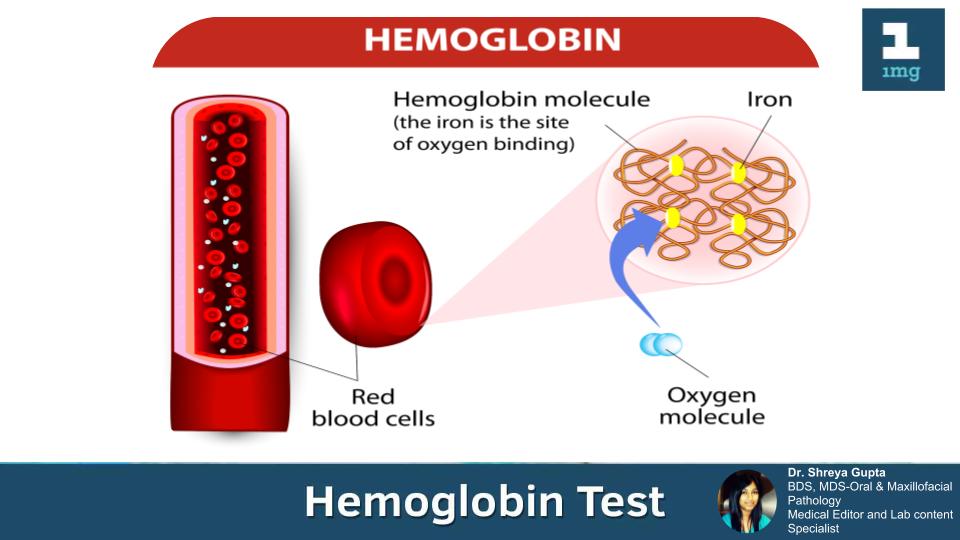
Haemoglobin is an iron-rich protein that gives your blood its characteristic red color. To understand its importance, one must view it as the primary logistics carrier of the human circulatory system. Without sufficient haemoglobin, the efficiency of your body’s “delivery network” is compromised, leading to symptoms like chronic fatigue, shortness of breath, and cognitive fog.
How Haemoglobin Functions
At a molecular level, haemoglobin captures oxygen in the high-pressure environment of the lungs. Once it binds to the oxygen, it travels through the arterial network, distributing oxygen to tissues and organs that require it for metabolic processes. Upon reaching these areas, the haemoglobin releases the oxygen and picks up metabolic waste products, specifically carbon dioxide, to transport them back for elimination. This cycle is continuous and vital; a disruption in this process is immediately felt by the body.
Why It Is Tested
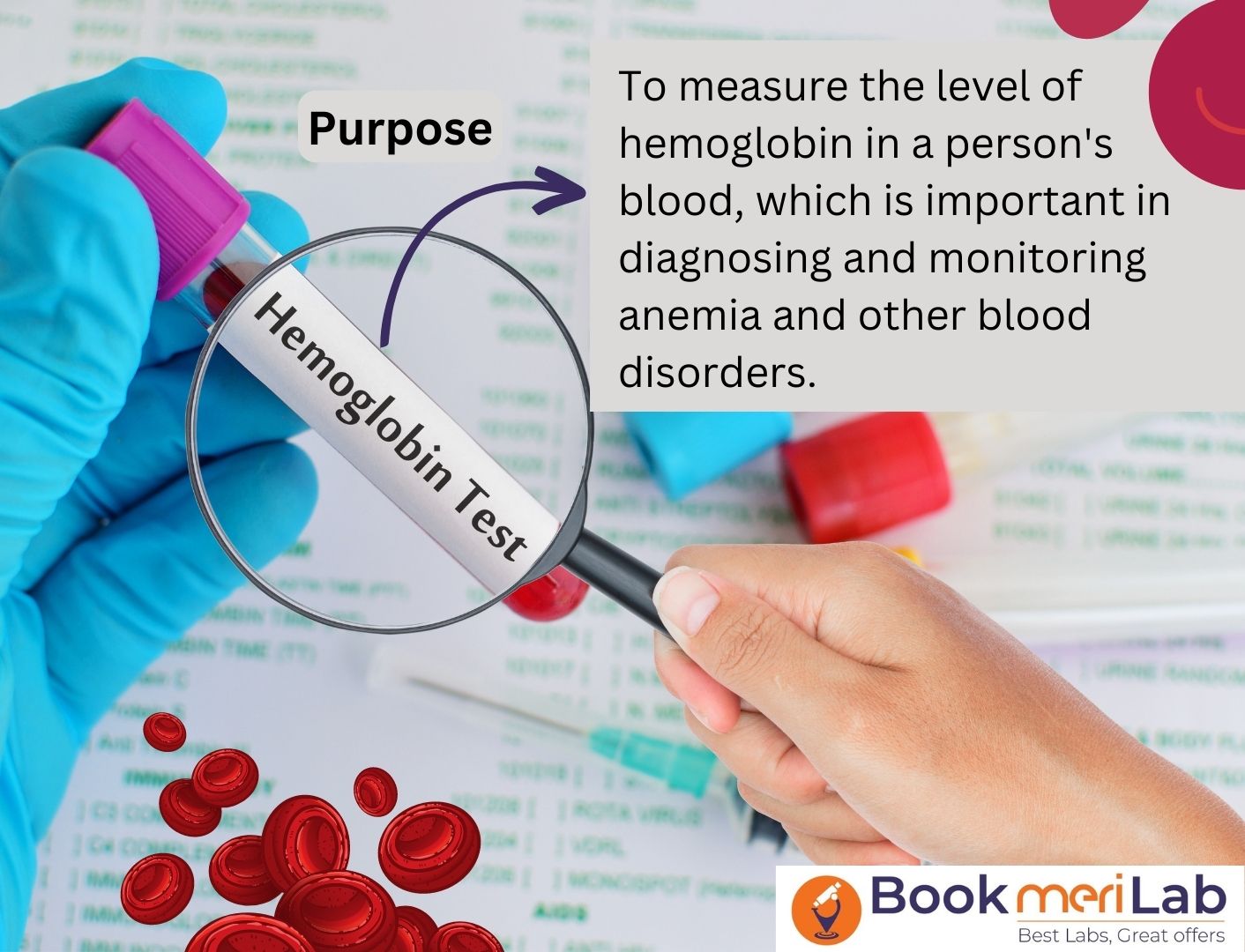
Medical professionals use the haemoglobin blood test as a primary diagnostic tool to assess overall health. Whether you are experiencing unexplained weakness, undergoing a routine physical, or monitoring a chronic condition, the Hb count provides an immediate snapshot of your oxygen-carrying capacity. From a preventative standpoint, monitoring these levels is an investment in your long-term wellness, allowing for early intervention before minor deficiencies become chronic health burdens.
Interpreting Your Blood Test Results
When you receive a blood test report, you will see a value for haemoglobin, usually measured in grams per deciliter (g/dL). Understanding these numbers requires context, as “normal” ranges can vary based on factors such as age, sex, and lifestyle habits like smoking or high-altitude living.
Understanding Normal Ranges
For adult men, the typical range for haemoglobin is approximately 13.5 to 17.5 g/dL. For adult women, the range is generally 12.0 to 15.5 g/dL. These figures act as a baseline. When a result falls outside these ranges, it triggers a diagnostic inquiry to determine whether the deviation is a temporary fluctuation or a sign of an underlying medical issue.
High vs. Low Haemoglobin Levels
Low haemoglobin, commonly referred to as anaemia, suggests that your body is not getting enough oxygenated blood. This can be caused by iron deficiency, vitamin deficiencies, chronic diseases, or internal blood loss. Conversely, high haemoglobin levels—polycythaemia—can indicate that your body is producing too many red blood cells. This might occur due to dehydration, smoking, lung disease, or conditions affecting bone marrow. Both ends of the spectrum serve as “early warning systems,” indicating that your physiological balance is off-kilter and requires attention.
Haemoglobin as an Indicator of Systemic Health
Your blood report is not just a collection of numbers; it is a data-driven report card on your systemic efficiency. Much like a business audit reveals the operational health of a company, your haemoglobin levels reveal the operational capacity of your cardiovascular and respiratory systems.
The Connection to Nutrition and Lifestyle
One of the most common reasons for sub-optimal haemoglobin levels is dietary inadequacy. Iron, folate, and Vitamin B12 are the “raw materials” your body needs to manufacture haemoglobin. If you are not consuming enough of these nutrients, your production lines slow down. By understanding these lab results, you can make informed decisions about your diet or supplementation, ensuring that your “operational budget” for health is well-funded.
Chronic Conditions and Secondary Indicators
Sometimes, haemoglobin levels reflect broader chronic issues. For example, kidney disease can affect the production of erythropoietin, a hormone that stimulates red blood cell production. If the kidneys are struggling, the haemoglobin count will likely dip. By identifying these fluctuations early through regular blood testing, you can mitigate the risk of long-term damage, essentially performing “preventative maintenance” on your body to avoid high-cost medical interventions later.
Making Data-Informed Health Decisions
In an era of personalized medicine, having access to your blood test results is a powerful tool. It transforms health from a vague feeling of “well-being” into a quantifiable metric that you can manage and improve.
The Value of Longitudinal Tracking
A single test result is a point in time, but tracking your haemoglobin over several years provides a trend line. If your haemoglobin levels are consistently trending downward, you have actionable data to present to your physician long before you experience severe symptoms. This proactive approach is the hallmark of modern, data-informed health management. It allows you to see the impact of lifestyle changes, such as improved nutrition or stress management, on your body’s physical internal environment.

Integrating Lab Results with Professional Care
While apps and online resources can help you understand what a blood test is, they do not replace the expertise of a medical professional. Your haemoglobin level is just one piece of a much larger puzzle. A doctor will look at your red cell indices, your white blood cell count, and your platelet levels in conjunction with your haemoglobin to form a comprehensive diagnosis. Use the information gained from your test to foster a more productive dialogue with your healthcare provider. Ask specific questions: “What is my trend over the last three years?” or “How can my current dietary choices better support my haemoglobin production?”
By treating your haemoglobin levels as a vital business metric—an essential KPI (Key Performance Indicator) for your personal health—you empower yourself to take control of your physical longevity. Understanding the “what” and the “why” of your blood tests is the first step toward optimizing your body’s most critical delivery system, ensuring that you remain energized, focused, and resilient in the face of life’s demands.
aViewFromTheCave is a participant in the Amazon Services LLC Associates Program, an affiliate advertising program designed to provide a means for sites to earn advertising fees by advertising and linking to Amazon.com. Amazon, the Amazon logo, AmazonSupply, and the AmazonSupply logo are trademarks of Amazon.com, Inc. or its affiliates. As an Amazon Associate we earn affiliate commissions from qualifying purchases.