
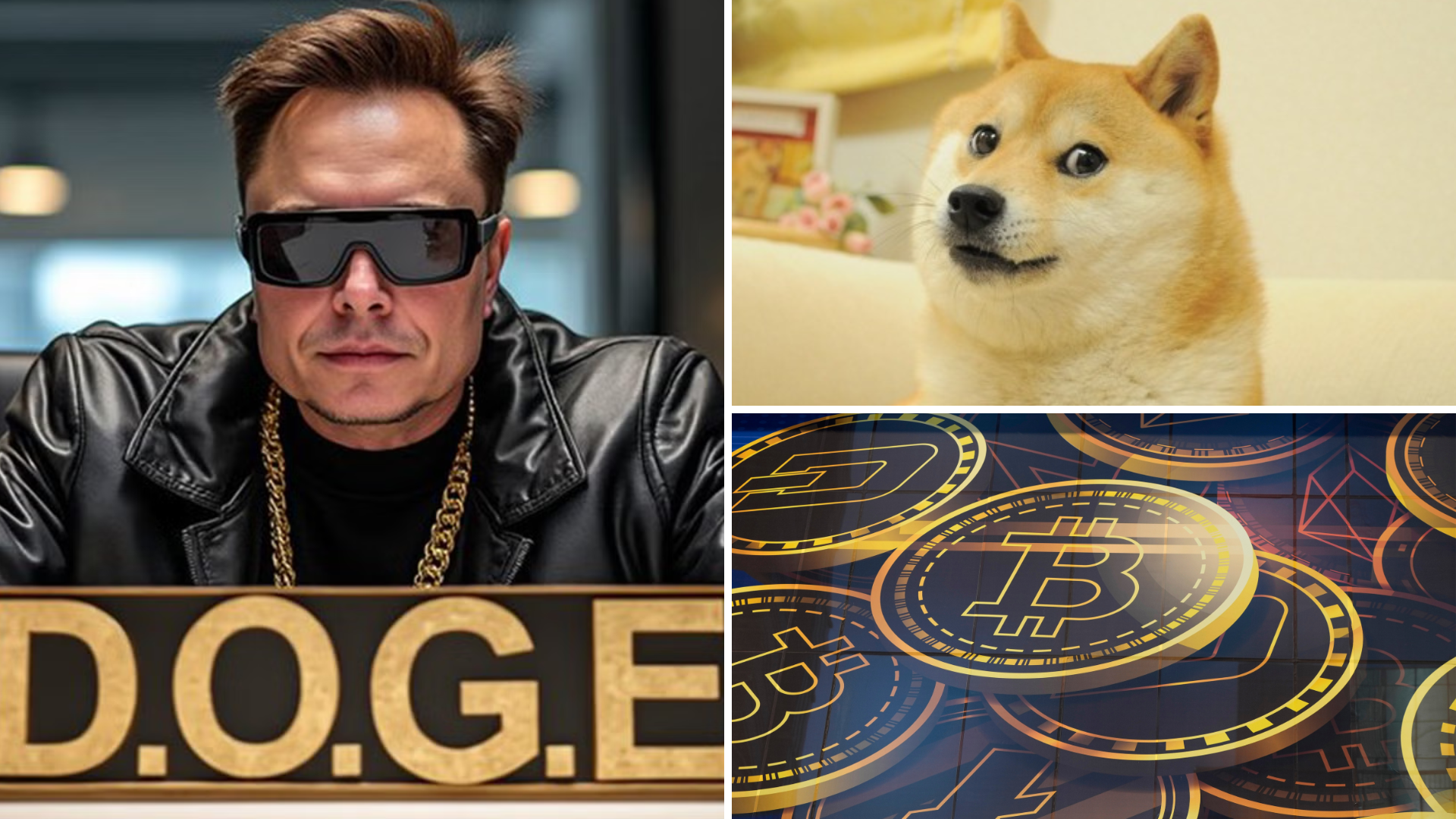
The phrase “Elon Musk Doge” has transcended a simple meme to become a cultural phenomenon, encapsulating a unique intersection of personal branding, corporate identity, and a burgeoning digital asset. At its core, it refers to the profound and often dramatic influence Elon Musk, the visionary CEO of Tesla and SpaceX, has exerted over Dogecoin, a cryptocurrency originally conceived as a joke. This isn’t merely about an individual endorsing a product; it’s a fascinating case study in how one of the world’s most prominent personal brands can fundamentally reshape the identity, perception, and strategic direction of another, seemingly disparate, brand. In the realm of branding, “Elon Musk Doge” represents an unparalleled, largely unplanned, and highly effective masterclass in celebrity endorsement, community building, and narrative control in the digital age.

The Nexus of Personal and Corporate Identity: Unpacking “Elon Musk Doge”
To fully grasp the “Elon Musk Doge” phenomenon, it’s essential to dissect the individual components and understand how their amalgamation created a powerful new brand entity. This isn’t just about a famous person liking a cryptocurrency; it’s about the fusion of two distinct brand narratives into a singular, highly influential force.
Defining Dogecoin: More Than Just a Meme
Dogecoin launched in December 2013, conceived by software engineers Billy Markus and Jackson Palmer as a lighthearted alternative to Bitcoin. Its foundational premise was humor, built around the popular “Doge” internet meme featuring a Shiba Inu dog and grammatically incorrect inner monologues. Initially, it was a joke coin, a digital currency without a serious mission, designed for tipping on Reddit and other online platforms. Its brand identity was inherently playful, decentralized, and community-driven, embodying a rebellious, anti-establishment spirit that resonated with early internet culture. For years, Dogecoin operated on the periphery of the crypto world, known more for its quirky image than its technological innovation or financial gravitas. Its inherent lack of a formal marketing budget meant its brand relied entirely on organic community engagement and meme virality.
Elon Musk’s Brand: Innovator, Disruptor, and Pop Culture Icon
Elon Musk’s personal brand is a complex tapestry woven from threads of audacious innovation, futuristic vision, and a penchant for disruption. As the leader of Tesla, he revolutionized the automotive and energy industries, and with SpaceX, he made significant strides in private space exploration. His brand persona is one of an eccentric genius, a real-life Tony Stark, unafraid to challenge norms and openly communicate his often-unfiltered thoughts to a massive global audience, primarily through Twitter. This persona is deeply aspirational for many, yet also polarizing, making him a perpetual subject of media fascination. His brand is characterized by boldness, an irreverent sense of humor, and a direct line of communication with his followers, which bypasses traditional media gatekeepers. He doesn’t just build companies; he builds narratives around the future, often aligning himself with movements or ideas that challenge the status quo.
The Genesis of an Unconventional Partnership
The “partnership” between Elon Musk and Dogecoin was never a formal, contractual agreement. It began organically, with Musk occasionally tweeting about Dogecoin in jest starting around 2019. These early interactions were largely seen as Musk indulging his playful side, aligning with Dogecoin’s meme-centric brand. However, as his tweets grew more frequent and direct, particularly in late 2020 and early 2021, the market began to react profoundly. What started as casual banter evolved into a de facto endorsement, transforming Dogecoin’s brand identity from a niche internet joke to a widely recognized, albeit volatile, digital asset. This unscripted genesis created a unique brand narrative: a powerful individual championing the “people’s crypto,” directly appealing to the anti-establishment sentiment inherent in both Musk’s disruptive vision and Dogecoin’s origins.
Shaping the Narrative: How Musk’s Influence Rebranded Dogecoin
Elon Musk’s involvement wasn’t just about boosting Dogecoin’s profile; it was about fundamentally rewriting its brand narrative, shifting perceptions, and injecting new meaning into a cryptocurrency that had largely stagnated. He effectively curated a new identity for Dogecoin, one that resonated with broader audiences and propelled it into the mainstream consciousness.
The Power of Endorsement: Elevating a Niche Crypto to Global Awareness
Before Musk’s concerted involvement, Dogecoin was primarily known within specific crypto circles and meme communities. His tweets, often succinct and impactful, served as an unprecedented form of global endorsement. When Musk, a figure with over 100 million Twitter followers, publicly championed Dogecoin, it instantly vaulted the cryptocurrency onto global news feeds, financial publications, and mainstream conversations. This wasn’t merely advertising; it was an authentic (or perceived as authentic) seal of approval from a renowned innovator, lending an air of credibility and serious attention to a brand previously dismissed as unserious. His endorsement acted as a powerful branding mechanism, democratizing access to information about Dogecoin and expanding its brand reach exponentially beyond its original niche.
Crafting a Unique Brand Identity: The “People’s Crypto” Narrative
Musk didn’t just endorse Dogecoin; he actively shaped its aspirational identity. He frequently referred to Dogecoin as “the people’s crypto” or highlighted its potential for broader utility, implicitly positioning it against more established, often perceived as elitist, cryptocurrencies like Bitcoin. This narrative resonated deeply with a new generation of retail investors and enthusiasts, eager for a more accessible, less intimidating entry point into the crypto market. By associating Dogecoin with themes of accessibility, community, and even democratic finance, Musk imbued its brand with a social mission, transforming it from a mere digital token into a symbol of populist financial empowerment. This repositioning was a masterful stroke of personal branding influencing another brand’s core message.
Beyond Financials: Branding Through Humor and Accessibility
Crucially, Musk’s interaction with Dogecoin retained much of its original humorous and approachable essence. Unlike traditional financial endorsements, his tweets were often playful, meme-laden, and sometimes cryptic. This maintained Dogecoin’s anti-establishment, lighthearted brand image while simultaneously elevating its profile. He made cryptocurrency feel less like an arcane financial instrument and more like an engaging, accessible phenomenon. This branding strategy appealed to a demographic often intimidated by complex financial markets, drawing them in with humor and relatability. It showcased how a brand could retain its core playful identity while gaining unprecedented visibility and a new, aspirational narrative through a powerful external personal brand.
The Mechanics of Influence: Musk’s Unconventional Marketing Playbook
Elon Musk’s engagement with Dogecoin offers a fascinating study in modern, largely organic, marketing. It demonstrates how a powerful personal brand, coupled with strategic communication, can bypass traditional advertising channels to create massive brand visibility and engagement.
Social Media as the Primary Marketing Channel

Musk’s primary vehicle for influencing Dogecoin’s brand has been Twitter. His concise, often provocative tweets acted as direct-to-consumer marketing, instantly reaching millions without intermediaries. This direct communication channel fostered a sense of immediacy and authenticity, making his pronouncements feel less like corporate messaging and more like personal insights. Each tweet functioned as a mini-campaign, sparking conversation, driving media coverage, and mobilizing a fervent online community. This reliance on a single, powerful social media platform showcased its immense potential as a branding and marketing tool, particularly when wielded by a high-profile individual.
Leveraging Celebrity Status for Brand Visibility and Engagement
The “Musk Effect” on Dogecoin is a testament to the unparalleled power of celebrity endorsement in the digital age. His star power and global recognition instantly amplified Dogecoin’s brand visibility. But beyond mere exposure, Musk’s unique persona—his blend of genius, eccentricity, and willingness to engage directly with followers—fostered a deeper level of engagement. His followers didn’t just see a cryptocurrency; they saw “Elon’s coin,” a brand imbued with his personality. This created a strong sense of community and shared purpose among Dogecoin holders, who often felt they were part of a larger movement spearheaded by Musk. This engagement goes beyond typical marketing, fostering a cult-like following that is fiercely loyal to both Musk and the Dogecoin brand.
The Ripple Effect: Media Coverage and Organic Brand Growth
Each of Musk’s Dogecoin tweets inevitably generated a tidal wave of media attention. From financial news outlets to tech blogs and mainstream media, the “Musk Effect” became a newsworthy event in itself. This constant media coverage, even when critical or skeptical, served as invaluable free publicity for Dogecoin. It cemented the cryptocurrency’s place in the public consciousness and fueled organic discussions across various platforms. The interplay between Musk’s tweets, immediate market reactions, and subsequent media analysis created a self-reinforcing loop of brand awareness and discussion, demonstrating a powerful form of public relations driven by a single individual’s personal brand.
Brand Perception and Strategic Implications: The Musk Effect on Dogecoin’s Future
While Musk’s influence undeniably propelled Dogecoin to unprecedented heights, it also introduced complex strategic challenges and shaped long-term brand perceptions. His involvement created both immense opportunities and significant vulnerabilities for the Dogecoin brand.
Managing Volatility: The Double-Edged Sword of High-Profile Branding
The direct correlation between Musk’s tweets and Dogecoin’s price volatility became a defining characteristic of its brand. While his positive remarks sent prices soaring, even ambiguous or negative comments could trigger sharp declines. This volatility, driven by a single external personal brand, presented a dual challenge. On one hand, it generated excitement and attracted speculative investors seeking quick gains. On the other hand, it deterred more conservative investors and hindered Dogecoin’s aspiration to be a stable, widely adopted currency. The Dogecoin brand, under Musk’s influence, became synonymous with risk and unpredictability, a perception that both elevated its notoriety and complicated its path to mainstream utility. This highlights the delicate balance in leveraging a powerful external brand; while it can amplify reach, it can also tether the brand’s stability to external whims.
Building Community and Loyalty Through Shared Vision
Beyond price fluctuations, Musk’s engagement solidified Dogecoin’s community. His playful yet visionary approach resonated with Dogecoin’s original, grassroots spirit. He effectively became a figurehead, inspiring loyalty and fostering a sense of collective identity among “Dogecoin HODLers.” This community, fueled by memes, inside jokes, and a shared belief in Dogecoin’s potential (often linked to Musk’s future actions), represents a powerful brand asset. It’s a testament to how a shared narrative, even if driven by a celebrity, can cultivate deep emotional connections and foster brand advocacy far beyond typical consumer loyalty programs.
The Long-Term Branding Challenge: Sustaining Relevance Beyond Celebrity Backing
The critical long-term branding challenge for Dogecoin remains how to transition from being “Elon Musk’s Doge” to a self-sustaining, value-driven brand. While Musk’s backing provided unparalleled exposure, it also created a dependency. For Dogecoin to evolve into a mature brand with lasting relevance, it must develop its own intrinsic value propositions, utility, and broader acceptance that are independent of any single individual’s endorsement. The brand needs to demonstrate resilience, innovation, and a clear path for future development that can stand on its own, beyond the initial hype generated by its famous patron. This requires a strategic shift from relying on external influence to building internal brand equity and a robust ecosystem.
Lessons in Modern Branding: What Elon Musk’s Doge Experiment Teaches Us
The “Elon Musk Doge” phenomenon offers profound insights into the evolving landscape of branding, marketing, and corporate identity in the digital age. It’s a vivid illustration of how traditional rules are being rewritten by influential individuals and decentralized communities.
The Power of Authenticity (or Perceived Authenticity)
One of the most significant lessons is the immense power of perceived authenticity. Musk’s engagement with Dogecoin felt genuine, not like a paid advertisement. His tweets often aligned with his eccentric, meme-loving persona, making the endorsement feel natural and organic to his followers. In an age where consumers are increasingly wary of traditional advertising, authentic, or seemingly authentic, endorsements from trusted (or admired) figures can create unparalleled brand resonance and loyalty. This suggests that for brands seeking influential backing, alignment with the influencer’s genuine interests and personality is paramount.
The Blurring Lines Between Marketing, PR, and Brand Advocacy
The “Elon Musk Doge” story brilliantly illustrates the complete blurring of lines between marketing, public relations, and spontaneous brand advocacy. Musk wasn’t acting as a marketing department; he was a brand advocate whose personal expressions carried the weight of a multi-million-dollar PR campaign. This highlights how modern branding is less about controlled messaging and more about fostering a compelling narrative that influential figures and communities can adopt and amplify organically. Brands must increasingly think beyond paid media and consider how to cultivate authentic advocacy from influential voices, whether individuals or communities.
The Future of Decentralized Brands and Influencer Endorsement
Finally, the phenomenon points towards a future where decentralized brands, like cryptocurrencies, can achieve massive scale and recognition through unconventional means. It underscores the transformative potential of highly influential personal brands acting as unofficial brand ambassadors, capable of shaping market perception and public dialogue with unprecedented speed and reach. For brands, this means understanding the landscape of digital influence, identifying potential advocates, and being prepared to navigate the unpredictable, yet powerful, dynamics of celebrity and community-driven branding in an increasingly interconnected world. The “Elon Musk Doge” narrative will undoubtedly remain a landmark case study for years to come, dissecting the true power of a brand built not just on products or services, but on personality, perception, and a compelling, often chaotic, story.
aViewFromTheCave is a participant in the Amazon Services LLC Associates Program, an affiliate advertising program designed to provide a means for sites to earn advertising fees by advertising and linking to Amazon.com. Amazon, the Amazon logo, AmazonSupply, and the AmazonSupply logo are trademarks of Amazon.com, Inc. or its affiliates. As an Amazon Associate we earn affiliate commissions from qualifying purchases.