
In the dynamic world of consumer electronics, few product lines command as much attention and loyalty as Apple’s iPad. What began as a revolutionary device bridging the gap between smartphones and laptops has evolved into a diverse ecosystem of tablets, each tailored to specific user needs and budgets. For many, the question “What is the current iPad?” isn’t just about identifying the newest model; it’s about understanding the subtle yet significant distinctions across an increasingly sophisticated lineup, each embodying Apple’s commitment to cutting-edge technology, intuitive design, and a seamless user experience. This article will dissect the contemporary iPad family, exploring its technological underpinnings, key differentiators, and what makes each model a compelling choice in today’s digital landscape.

Understanding Apple’s iPad Philosophy: A Tablet for Every User
Apple’s strategy with the iPad has matured beyond a single, monolithic device. Instead, the company has meticulously crafted a stratified lineup, ensuring that whether you’re a student, a creative professional, a casual consumer, or someone seeking the ultimate portable productivity machine, there’s an iPad designed with you in mind. This philosophy is rooted in offering a balance of performance, features, and price points, all while maintaining the core tenets of the iPad experience.
A Tablet for Every User: The Stratified Lineup
At its heart, Apple’s iPad strategy is about diversification without dilution. The current lineup typically consists of four main categories: the standard iPad, the iPad mini, the iPad Air, and the iPad Pro. Each tier represents a step up in processing power, display technology, accessory compatibility, and overall capabilities. This stratification isn’t merely about price; it reflects a deep understanding of varied user personas and their distinct technological demands. For instance, the entry-level iPad serves as an accessible gateway to the tablet ecosystem, ideal for media consumption, basic productivity, and education. The iPad mini caters to those who prioritize extreme portability without sacrificing significant performance. The iPad Air offers a blend of power and premium features in a lighter, more modern design, appealing to a broad demographic looking for a step up from the base model. Finally, the iPad Pro stands as the apex, a no-compromise device engineered for professionals demanding desktop-class performance and advanced features for creative and intensive tasks.
Core iPad Experience: What Unifies Them All?
Despite their individual strengths and target audiences, all iPads share a foundational set of characteristics that define the “iPad experience.” This includes the intuitive touch-first interface of iPadOS, a robust app ecosystem with millions of optimized applications, and a commitment to privacy and security. Every iPad benefits from Apple’s industrial design principles, emphasizing sleek aesthetics, durable materials, and a premium feel. Furthermore, seamless integration with Apple’s broader ecosystem—iCloud, iMessage, Continuity features, and more—ensures a cohesive and interconnected digital life for users of multiple Apple devices. From the base model to the Pro, users can expect excellent battery life, high-quality cameras, and access to essential accessories like the Apple Pencil and various keyboard options, albeit with different generations or capabilities depending on the model. This unified core experience ensures that no matter which iPad a user chooses, they are investing in a reliable, powerful, and deeply integrated computing device.
The Current iPad Lineup: A Deep Dive into Each Model
To truly answer “what is the current iPad,” one must examine each iteration within the lineup. Each model is a carefully engineered response to a specific market segment, packed with unique features and technological advancements.
iPad (Standard): The Everyday Powerhouse
The standard iPad, often referred to simply as “iPad,” represents the bedrock of Apple’s tablet offerings. Positioned as the most accessible entry point, it consistently delivers exceptional value without compromising on core performance. Typically featuring Apple’s A-series chips (often a generation or two behind the Pro models but still incredibly capable), a vibrant Retina display, and support for the first-generation Apple Pencil, it excels at everyday tasks. This includes web browsing, email, streaming video, light productivity, and a vast array of games and educational apps. Its enduring appeal lies in its reliability, ease of use, and robust ecosystem, making it an ideal choice for students, families, and casual users seeking a versatile and affordable tablet. Recent iterations have adopted a more modern design language, moving towards USB-C connectivity and enhancing its overall appeal.
iPad Air: Performance Meets Portability
The iPad Air occupies the sweet spot in Apple’s lineup, balancing premium features with a more attainable price than the Pro models. It’s designed for users who need more power and a more refined experience than the standard iPad but don’t require the extreme capabilities of the Pro. The iPad Air typically incorporates a more advanced Apple chip (often the same M-series chip found in Macs, a significant leap from the A-series), a Liquid Retina display with a wider color gamut, and a lighter, thinner chassis. It supports the second-generation Apple Pencil and Magic Keyboard, transforming it into a formidable productivity tool. The Air’s appeal is its ability to handle more demanding tasks like graphic design, video editing, and complex multitasking with ease, all within a sleek, portable design. It’s a compelling choice for professionals, artists, and power users who value both performance and aesthetics.
iPad mini: Compact Power on the Go
The iPad mini defies the trend of ever-larger screens, carving out a niche for itself as the ultimate portable tablet. Its compact 8.3-inch Liquid Retina display and feather-light design make it incredibly easy to hold with one hand and slip into almost any bag. Despite its diminutive size, the iPad mini packs a punch, often featuring an A-series chip on par with or exceeding the standard iPad and iPad Air in previous generations. It supports the second-generation Apple Pencil, making it an excellent digital notepad or sketching tool for creatives on the move. The mini is perfect for reading, gaming, media consumption, and quick note-taking, especially for those who find larger tablets cumbersome. Its unique form factor appeals to users who prioritize ultimate portability without sacrificing Apple’s premium tablet experience.
iPad Pro: Unrivaled Performance for Professionals
The iPad Pro stands at the pinnacle of Apple’s tablet technology, representing a fusion of cutting-edge hardware and advanced software capabilities. Available in 11-inch and 12.9-inch variants, the Pro models are powered by Apple’s M-series chips, the same silicon found in their Mac computers, delivering unparalleled processing and graphical performance for a tablet. Key features include the stunning Liquid Retina XDR display with ProMotion technology (offering adaptive refresh rates up to 120Hz for incredibly smooth scrolling and responsiveness), a sophisticated LiDAR scanner for augmented reality applications, and a pro-grade camera system. Full compatibility with the second-generation Apple Pencil and Magic Keyboard, alongside Thunderbolt/USB 4 connectivity, positions the iPad Pro as a genuine laptop alternative for creative professionals, developers, and anyone who demands the absolute best in mobile computing. It’s engineered for intensive tasks such as 4K video editing, 3D rendering, complex graphic design, and advanced multitasking.
Key Technologies Driving the Modern iPad
Beyond the specific model distinctions, it’s the underlying technological advancements that truly define the current iPad experience. Apple continually pushes the boundaries in display tech, silicon design, and accessory integration, ensuring the iPad remains at the forefront of the tablet market.
Display Innovations: Liquid Retina, ProMotion, and OLED Futures
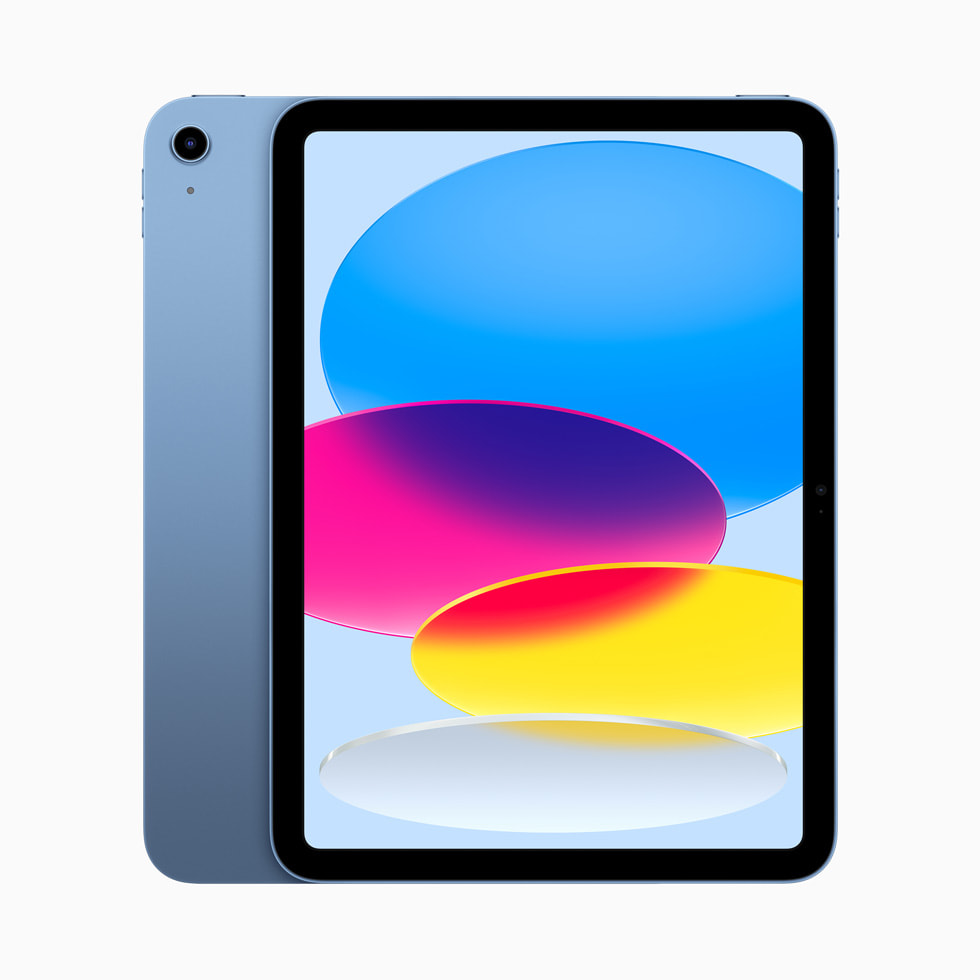
The display is arguably the most crucial component of any tablet, and Apple has consistently led in this area. Most current iPads feature a “Liquid Retina” display, a refined LCD technology offering excellent color accuracy, brightness, and wide viewing angles. The iPad Pro takes this a step further with the “Liquid Retina XDR” display on its 12.9-inch model, which utilizes mini-LED technology to deliver incredibly high peak brightness, true blacks, and stunning contrast ratios, akin to a high-end reference monitor. ProMotion technology, exclusive to the iPad Pro, dynamically adjusts the refresh rate up to 120Hz, resulting in incredibly fluid scrolling, responsive touch input, and a more immersive experience for gaming and content creation. While not yet universally adopted, rumors and patents suggest that OLED technology, with its even deeper blacks and better power efficiency, may eventually make its way into future iPad models, promising even more vibrant and dynamic visual experiences.
Chipset Prowess: From A-series to M-series Dominance
The performance heart of every iPad is its Apple-designed silicon. The “A-series” chips (e.g., A14 Bionic, A15 Bionic) found in the standard iPad and iPad mini deliver industry-leading performance for their class, effortlessly handling demanding apps and games. However, a significant technological leap occurred with the introduction of Apple’s “M-series” chips (e.g., M1, M2), which made their debut in the iPad Air and iPad Pro. These chips, originally designed for Macs, brought desktop-class performance to tablets, boasting remarkable CPU and GPU power, advanced neural engines for machine learning tasks, and unified memory architecture. The M-series chips have not only enabled the iPad Pro to tackle workloads previously reserved for high-end laptops but have also fundamentally changed expectations for what a tablet can achieve, blurring the lines between mobile and desktop computing.
Connectivity and Accessories: Apple Pencil, Magic Keyboard, and 5G
The utility of the iPad is significantly enhanced by its sophisticated ecosystem of accessories and connectivity options. The Apple Pencil, available in first and second generations depending on the iPad model, transforms the tablet into a powerful tool for artists, designers, and note-takers, offering industry-leading low latency and pressure sensitivity. The Magic Keyboard and Smart Keyboard Folio accessories provide a laptop-like typing experience, trackpad support, and device protection, dramatically boosting productivity for various tasks. Furthermore, modern iPads offer advanced wireless connectivity, including Wi-Fi 6 for faster and more reliable internet, and increasingly, 5G cellular options for ultra-fast mobile data, enabling users to stay connected and productive from virtually anywhere. USB-C connectivity, now standard across most models, offers versatile connections for external displays, storage, and peripherals, further expanding the iPad’s capabilities.
Choosing the Right iPad for Your Needs
Navigating the current iPad lineup requires a thoughtful assessment of personal requirements, balancing desired features with budget constraints. The “best” iPad is always the one that most effectively meets an individual’s specific use case.
Identifying Your Primary Use Case
The first step in choosing an iPad is to clearly define its primary purpose. Are you looking for a device mainly for entertainment—streaming videos, browsing social media, and playing casual games? The standard iPad is likely your most cost-effective and capable option. Do you need a highly portable digital notebook or a powerful device for reading and light gaming on the go? The iPad mini excels here. If you’re an artist, student, or professional seeking a balance of power, premium design, and accessory support for creative tasks or medium-intensity productivity, the iPad Air presents a compelling proposition. Finally, for those who demand uncompromising performance for professional creative work (e.g., video editing, 3D design, intensive multitasking), or aspire to replace a laptop entirely, the iPad Pro is the undisputed choice. Understanding your core needs will narrow down the options considerably.
Balancing Features, Performance, and Budget
Once your primary use case is clear, the next step involves balancing the features and performance offered by each model against your budget. The standard iPad offers excellent performance for its price, but compromises on display technology (no ProMotion), older chip architecture (A-series), and accessory compatibility (first-gen Apple Pencil). The iPad Air significantly upgrades the chip (M-series), display quality, and accessory support (second-gen Apple Pencil, Magic Keyboard) for a higher price. The iPad mini offers top-tier portability and a powerful chip for its size, again at a premium compared to the base iPad. The iPad Pro, while offering the absolute pinnacle of performance and features, comes with a significantly higher price tag, especially when considering storage upgrades and essential accessories like the Magic Keyboard and Apple Pencil. A candid evaluation of how much you’re willing to spend versus the actual benefit you’ll derive from advanced features is crucial.
Longevity and Future-Proofing Considerations
Investing in an iPad is a long-term commitment, and considering longevity and future-proofing is wise. Apple has an excellent track record of providing software updates for many years, ensuring even older models remain secure and receive new features. However, models with more powerful chips (like the M-series in the iPad Air and Pro) and more advanced hardware tend to remain relevant and capable for a longer period, especially as software demands increase. If you plan to keep your iPad for several years and want it to handle future demanding applications, investing in a model with a more powerful processor might be a better long-term decision, even if it stretches your initial budget. Similarly, opting for higher storage capacity upfront can prevent limitations down the line, as iPad storage is not expandable.
The iPad’s Evolving Role in the Tech Landscape
The iPad continues to evolve, constantly redefining its place in the personal computing hierarchy. Its trajectory is shaped by ongoing improvements in hardware, software, and its increasingly sophisticated integration with other devices.
Bridging the Gap: Tablet, Laptop, or Both?
From its inception, the iPad has challenged traditional computing paradigms. What started as a pure content consumption device has gradually grown into a formidable content creation and productivity tool, particularly with the advent of iPadOS, M-series chips, and advanced accessories. For many users, especially with the iPad Pro and Air paired with a Magic Keyboard, it can effectively replace a traditional laptop for a wide range of tasks, from writing and design to coding and video editing. However, it still retains its unique tablet identity, offering a touch-first interface and portability that laptops can’t fully replicate. The iPad’s strength lies in its ability to fluidly switch between these roles—a versatile “chameleon” device that adapts to the user’s immediate needs, bridging the gap between the casual ease of a tablet and the powerful capabilities of a laptop.
iPadOS: A Differentiating Software Experience
A crucial element differentiating the iPad from other tablets and even MacBooks is iPadOS. While sharing its roots with iOS, iPadOS introduces a suite of features specifically designed to leverage the iPad’s larger screen and more powerful hardware. This includes enhanced multitasking capabilities like Split View and Slide Over, a more robust Home Screen with widgets, advanced drag-and-drop functionality, and desktop-class browsing in Safari. Features like Stage Manager, which offers a new way to organize apps and windows, further enhance its multitasking prowess. iPadOS also brings powerful capabilities for the Apple Pencil, such as Scribble, which converts handwritten notes to text across the system. This dedicated operating system ensures that the iPad is not just a larger iPhone but a distinct computing platform with its own identity and optimized user experience, continuously evolving to unlock new levels of productivity and creativity.

Future Outlook: What’s Next for Apple’s Tablet?
The future of the iPad promises continued innovation. We can anticipate further advancements in display technology, potentially including the widespread adoption of OLED panels for even more vibrant visuals and power efficiency. Processor capabilities will undoubtedly continue to grow with subsequent generations of M-series chips, pushing the boundaries of what’s possible in a tablet form factor. There’s also ongoing speculation about deeper integration of AI and machine learning, leveraging the neural engine in Apple’s chips for more intelligent features. Apple’s focus on augmented reality (AR) suggests future iPads might feature even more advanced LiDAR and camera systems, enabling richer AR experiences. Software enhancements within iPadOS will likely continue to refine multitasking, external display support, and professional app capabilities, further solidifying the iPad’s position as a powerful and versatile computing device for the decades to come.
In conclusion, “what is the current iPad?” is a question with a multi-faceted answer. It’s not a single device but a family of highly capable tablets, each meticulously engineered to serve different users with varying needs and budgets. From the accessible standard iPad to the groundbreaking iPad Pro, Apple’s tablet ecosystem continues to push technological boundaries, offering unparalleled performance, innovative features, and an integrated user experience that sets the benchmark for the entire industry. Understanding the nuances of each model, driven by cutting-edge displays, powerful silicon, and a rich accessory ecosystem, is key to selecting the perfect iPad that aligns with your digital life and aspirations.
aViewFromTheCave is a participant in the Amazon Services LLC Associates Program, an affiliate advertising program designed to provide a means for sites to earn advertising fees by advertising and linking to Amazon.com. Amazon, the Amazon logo, AmazonSupply, and the AmazonSupply logo are trademarks of Amazon.com, Inc. or its affiliates. As an Amazon Associate we earn affiliate commissions from qualifying purchases.