
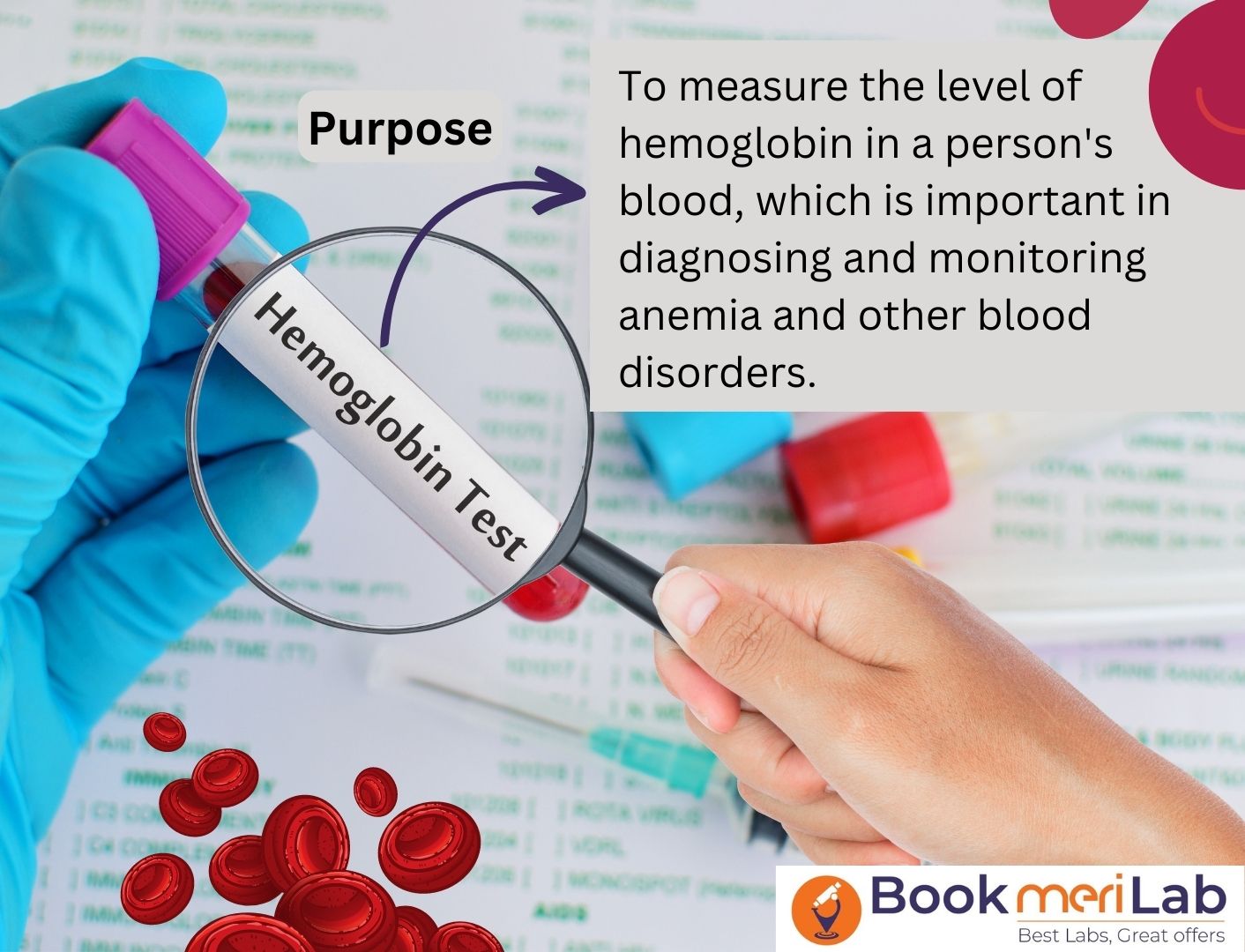
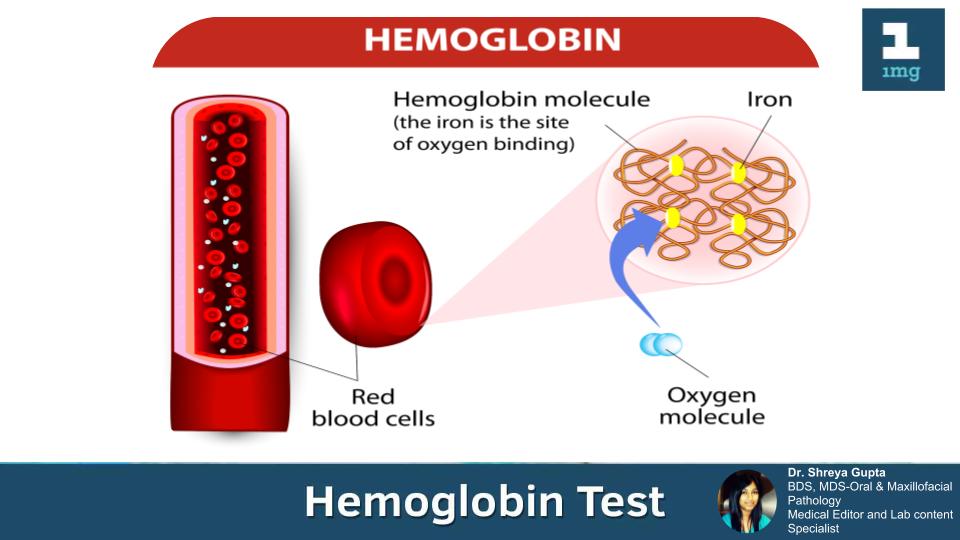
The question “what is blood test Hb?” might seem straightforward, eliciting a simple medical explanation of hemoglobin’s role in the body. However, to truly understand this fundamental diagnostic tool, especially within the rapidly evolving landscape of healthcare, one must delve into the intricate technological advancements that underpin its measurement, interpretation, and integration into modern medical practice. Hemoglobin, the iron-containing protein in red blood cells, is crucial for oxygen transport throughout the body. Its accurate assessment through blood tests is a cornerstone of diagnosing conditions like anemia, polycythemia, and various other blood disorders. This article explores the sophisticated technology that transforms a simple blood sample into vital diagnostic insights, placing the Hb test firmly within the realm of technological innovation in healthcare.
The Technological Foundation of Hemoglobin Measurement
The journey of measuring hemoglobin has evolved dramatically from rudimentary manual techniques to highly sophisticated automated systems. This evolution is a testament to persistent innovation in medical technology, aimed at improving accuracy, efficiency, and accessibility of diagnostic information.
From Manual Methods to Automated Analyzers
Historically, hemoglobin levels were determined using labor-intensive manual methods, such as the Sahli’s method, which involved visually comparing the color of diluted blood against a standard. While foundational, these methods were prone to human error, lacked precision, and were incredibly time-consuming. The advent of automated hematology analyzers marked a paradigm shift. These devices, which began appearing in earnest in the mid-20th century, revolutionized blood diagnostics. Early models used simpler photometric principles, but modern analyzers are highly integrated systems capable of performing a complete blood count (CBC) in minutes, including precise Hb measurements, along with parameters like red blood cell count, white blood cell count, and platelet count.
These analyzers employ advanced fluidics, optics, and electronics. A small blood sample is aspirated, diluted, and then passed through various detectors. For hemoglobin, specific reagents are added to lyse red blood cells and convert hemoglobin into a stable compound, often cyanmethemoglobin or a non-cyanide alternative, which can then be precisely measured using spectrophotometry. The automation reduces manual intervention, standardizes the process, and significantly enhances throughput, allowing laboratories to process hundreds of samples per hour with remarkable accuracy and reproducibility.
Spectrophotometry: The Core Principle
At the heart of modern hemoglobin measurement is spectrophotometry, a technique that leverages the interaction of light with matter. In the context of an Hb test, once hemoglobin is chemically converted into a stable derivative (e.g., cyanmethemoglobin), a beam of light at a specific wavelength (typically 540 nm for cyanmethemoglobin) is passed through the treated sample. Hemoglobin’s derivatives absorb light at characteristic wavelengths.
The spectrophotometer measures the amount of light absorbed by the sample. According to Beer-Lambert Law, the amount of light absorbed is directly proportional to the concentration of the light-absorbing substance (in this case, the hemoglobin derivative) in the solution. A detector then converts the transmitted light into an electrical signal, which is processed by the analyzer’s software to calculate the precise Hb concentration. This principle is robust and highly sensitive, capable of detecting minute changes in Hb levels, making it indispensable for accurate diagnosis and monitoring. The precision of these optical systems, coupled with sophisticated digital signal processing, ensures that even small variations in Hb concentration are accurately captured.
Calibration and Quality Control Systems
The reliability of automated Hb measurements hinges critically on rigorous calibration and quality control (QC) protocols. These technological safeguards ensure that the analyzers produce accurate and consistent results over time. Calibration involves adjusting the instrument’s response to known standards with precise Hb concentrations. This process corrects for any drift in the instrument’s performance and ensures that the measured values are true and comparable across different instruments and laboratories. Calibration materials are often stabilized blood products or synthetic solutions with certified Hb concentrations.
Quality control, on the other hand, involves regularly running known control samples (samples with predetermined Hb values) alongside patient samples. The results of these controls are plotted on control charts, allowing laboratory personnel to monitor the instrument’s performance. Statistical algorithms embedded within the analyzer’s software automatically flag any results that fall outside an acceptable range, indicating potential issues with the instrument, reagents, or the testing process itself. This real-time monitoring system, powered by statistical process control algorithms, is a critical technological component that guarantees the integrity and reliability of every Hb measurement, directly impacting patient care by ensuring diagnostic accuracy.
Digital Integration and Data Management in Hb Testing
Beyond the physical act of measurement, the true power of modern Hb testing lies in its seamless digital integration. From the moment a blood sample is drawn to the point a clinician makes a diagnosis, digital technologies play a pivotal role in managing, sharing, and securing this critical health information.
Electronic Health Records (EHRs) and Interoperability
The backbone of modern healthcare data management is the Electronic Health Record (EHR) system. Once an Hb test is completed by an automated analyzer, the results are almost instantaneously transmitted digitally to the patient’s EHR. This eliminates manual transcription errors, speeds up result delivery, and ensures that all relevant healthcare providers have access to the most up-to-date information. EHRs are designed to consolidate a patient’s entire medical history, including laboratory results, medications, diagnoses, and treatment plans, into a centralized digital format.
The concept of interoperability—the ability of different information systems, devices, and applications to access, exchange, integrate, and cooperatively use data in a coordinated manner—is crucial for Hb test results. It means that an Hb result generated in one laboratory can be seamlessly viewed by a primary care physician, a specialist in another clinic, or an emergency room doctor, regardless of the specific EHR system they use. This is achieved through standardized communication protocols like HL7 (Health Level Seven), which dictate how health information is exchanged between different systems. Such digital bridges are vital for coordinated care, allowing for faster decision-making and better patient outcomes, especially in complex cases requiring input from multiple specialists.
Patient Portals and Mobile Health Apps
Empowering patients with their health data is another significant digital innovation. Patient portals, typically web-based interfaces linked to EHRs, allow individuals to securely access their laboratory results, including Hb levels, often with interpretive information. This transparency fosters greater patient engagement, enabling individuals to understand their health status, track trends, and actively participate in their care.
Complementing patient portals are mobile health (mHealth) apps. Many apps integrate with wearable devices or directly with EHRs to provide a more personalized health management experience. For Hb levels, an app might allow a patient to log their results, receive reminders for follow-up tests, or even provide educational content about anemia or other related conditions. Some advanced apps might use machine learning algorithms to analyze historical Hb data, identify patterns, and offer insights or suggestions, under medical guidance. These digital tools transform raw data into actionable information, promoting self-management and improving communication between patients and their healthcare providers.
Data Security and Privacy in Diagnostic Information
With the increasing digitization of health data comes the paramount responsibility of ensuring its security and privacy. Hb test results, like all medical information, are highly sensitive. Technological solutions are therefore integral to protecting this data from unauthorized access, breaches, and misuse.

This includes robust encryption protocols for data at rest and in transit, multi-factor authentication for accessing patient records, and stringent access controls that limit who can view specific information based on their role and need. Compliance with regulations like HIPAA (Health Insurance Portability and Accountability Act) in the United States or GDPR (General Data Protection Regulation) in Europe mandates these technological safeguards. Furthermore, blockchain technology is beginning to be explored as a decentralized and highly secure method for managing and sharing health records, offering an immutable ledger of transactions that could enhance data integrity and patient control over their information. The continuous development of cybersecurity measures is a critical technological battleground, ensuring that the benefits of digital health data do not come at the cost of patient privacy and trust.
AI and Machine Learning in Hemoglobin Analysis
The integration of artificial intelligence (AI) and machine learning (ML) into diagnostic processes, including Hb analysis, represents the frontier of technological advancement in healthcare. These sophisticated algorithms are transforming how laboratory data is interpreted, how conditions are diagnosed, and how patient care is personalized.
Enhancing Diagnostic Accuracy and Speed
AI algorithms are increasingly being trained on vast datasets of laboratory results, including Hb levels, alongside patient demographics, medical history, and clinical outcomes. This enables them to identify subtle patterns and correlations that might be missed by human observers. For instance, AI can analyze Hb levels in conjunction with other CBC parameters to more quickly and accurately identify specific types of anemia (e.g., iron-deficiency, megaloblastic, hemolytic) or even detect early signs of myelodysplastic syndromes.
Moreover, AI can assist in quality control processes by autonomously monitoring analyzer performance and detecting subtle deviations or trends that might indicate an instrument malfunction before it impacts patient results. This not only enhances diagnostic accuracy but also significantly speeds up the diagnostic process, leading to earlier interventions and improved patient prognosis. AI-powered image analysis is also being developed to assist in microscopic examination of blood smears, which is often used as a confirmatory test for abnormal Hb findings, reducing subjective interpretation and increasing consistency.
Predictive Analytics for Anemia and Other Conditions
Beyond immediate diagnosis, AI’s strength lies in its predictive capabilities. By analyzing longitudinal Hb data and other health metrics over time, machine learning models can predict a patient’s risk of developing anemia or other blood disorders in the future. For example, in patients with chronic kidney disease, AI can predict the likelihood of developing anemia and guide proactive iron supplementation or erythropoietin-stimulating agent (ESA) therapy.
In populations at risk, such as pregnant women or individuals undergoing chemotherapy, predictive analytics can help anticipate drops in Hb levels, allowing clinicians to intervene before severe anemia develops. These models learn from patterns in large patient cohorts, identifying risk factors and progression trajectories, thus shifting healthcare from reactive treatment to proactive prevention and personalized risk management, all driven by sophisticated algorithms processing diagnostic data.
Personalized Medicine through Data-Driven Insights
The ultimate promise of AI in Hb analysis, and indeed in all diagnostics, is its contribution to personalized medicine. By integrating a patient’s unique genetic profile, lifestyle data, environmental factors, and a comprehensive history of diagnostic results (including Hb), AI can help tailor treatment plans to the individual. For instance, understanding how a patient’s Hb levels respond to different interventions, combined with their genetic predispositions, can help a physician choose the most effective and least toxic treatment for anemia or a related blood disorder.
AI can help synthesize information from various sources to create a holistic view of the patient, allowing for optimized drug dosages, dietary recommendations, and follow-up schedules. For conditions like thalassemia or sickle cell disease, where Hb variants are critical, AI can process complex genetic and phenotypic data to predict disease severity and guide specific therapeutic strategies. This data-driven approach moves beyond a “one-size-fits-all” model, empowering clinicians to deliver highly individualized care based on the deepest possible understanding of each patient’s biological and clinical profile.
Future Trends in Hemoglobin Testing Technology
The trajectory of technological innovation in Hb testing points towards even greater accessibility, miniaturization, and integration, promising a future where diagnostics are more immediate, less invasive, and deeply embedded into continuous health monitoring.
Point-of-Care Devices and Wearables
One of the most exciting trends is the development of point-of-care (POC) devices for Hb measurement. These compact, portable instruments allow healthcare professionals to perform tests directly at the patient’s bedside, in clinics, or even in remote settings, delivering results in minutes without needing a centralized laboratory. Many POC Hb analyzers use photometric principles similar to larger lab instruments but are optimized for portability and ease of use. This drastically reduces turnaround time, facilitating immediate clinical decisions, particularly in emergency situations or resource-limited environments.
Looking further ahead, non-invasive or minimally invasive wearables capable of continuous Hb monitoring are an active area of research. Technologies exploring optical sensors that measure light absorption through the skin, or micro-needles that draw minute interstitial fluid samples, aim to provide real-time Hb data. While still in nascent stages for clinical accuracy comparable to venous blood draws, the promise of such devices lies in their ability to detect subtle fluctuations, track treatment efficacy continuously, and alert individuals or clinicians to significant changes, potentially transforming chronic disease management and preventative care.
Miniaturization and Lab-on-a-Chip Technologies
The drive towards miniaturization is pervasive across all areas of technology, and medical diagnostics are no exception. Lab-on-a-chip (LOC) technology aims to shrink entire laboratory functions onto a single microchip, often no bigger than a credit card. For Hb testing, this means creating microfluidic devices that can perform sample handling, reagent mixing, chemical reactions, and optical detection all on a tiny platform with a minimal blood volume, often just a few microliters.
LOC devices offer numerous advantages: reduced reagent consumption, faster reaction times, increased portability, and lower costs. These platforms can be integrated into handheld devices for rapid field testing or used for high-throughput screening in research settings. The ability to perform complex analyses with minimal sample input and rapid results holds immense potential for expanding diagnostic capabilities, particularly in global health initiatives where infrastructure is limited. The vision is for integrated chips that can perform a full panel of blood tests, including Hb, with unprecedented efficiency and accessibility.
The Ethical Landscape of AI in Diagnostics
As AI and advanced technologies become more integral to Hb analysis and broader diagnostics, the ethical implications become increasingly significant. Questions surrounding data privacy, algorithmic bias, and the responsibility for diagnostic errors need careful consideration. AI models, trained on specific datasets, can inadvertently perpetuate or amplify biases present in that data, potentially leading to disparities in care for certain demographic groups. Ensuring transparency in AI algorithms – understanding how they arrive at a diagnosis – is crucial for building trust among clinicians and patients.
Moreover, the legal and ethical frameworks around AI-driven medical decisions are still evolving. Who is accountable if an AI system misinterprets an Hb level leading to an incorrect diagnosis? These are complex challenges that require a multidisciplinary approach involving technologists, ethicists, legal experts, and healthcare professionals to develop responsible AI governance. The future of Hb testing technology, while promising immense benefits, must navigate these ethical waters with diligence to ensure that technological advancements serve humanity equitably and responsibly.
In conclusion, “what is blood test Hb?” is a question that, when viewed through a technological lens, reveals a sophisticated ecosystem of advanced instrumentation, digital infrastructure, and cutting-edge artificial intelligence. From the precision optics of automated analyzers to the secure data streams of EHRs and the predictive power of AI, technology has transformed a basic diagnostic measurement into a powerhouse of actionable health insights. As we look ahead, the continuous evolution of point-of-care devices, miniaturized labs, and ethically governed AI promises an even more accessible, accurate, and personalized future for understanding and managing our health, with the humble Hb test remaining a vital indicator at its core.
aViewFromTheCave is a participant in the Amazon Services LLC Associates Program, an affiliate advertising program designed to provide a means for sites to earn advertising fees by advertising and linking to Amazon.com. Amazon, the Amazon logo, AmazonSupply, and the AmazonSupply logo are trademarks of Amazon.com, Inc. or its affiliates. As an Amazon Associate we earn affiliate commissions from qualifying purchases.