
The intersection of biological data and market trends has long been a subject of fascination, particularly when quantifying human anatomical metrics. While often discussed in social or clinical contexts, the study of average erect penile length provides a unique case study in how data collection, statistical normalization, and public perception influence branding and consumer confidence. From a strategic perspective, understanding the realities of these metrics is essential for companies operating in the health, wellness, and men’s lifestyle sectors, as this data dictates how products are marketed, how insecurities are addressed, and how consumer trust is established.
The Statistical Landscape of Anatomical Data
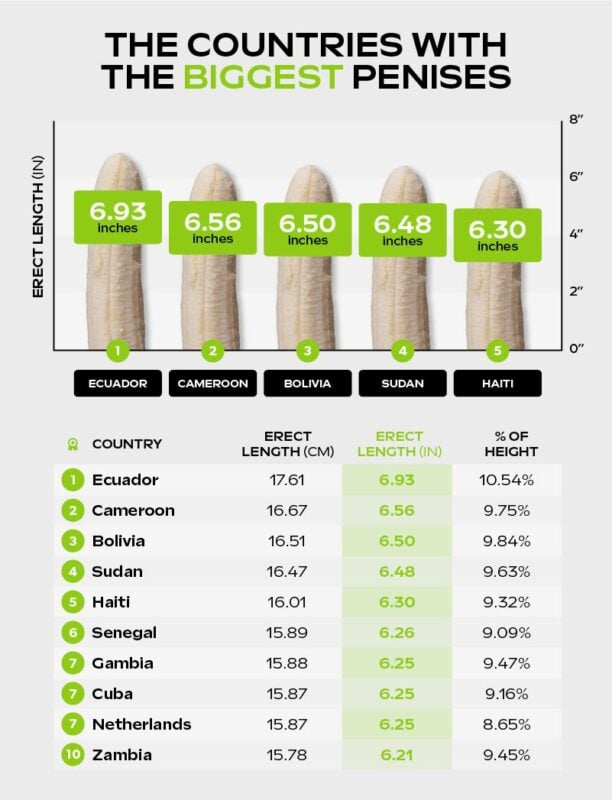
In the realm of global health research, the determination of average erect penile length is not merely an academic exercise; it is an exercise in data integrity. For decades, researchers have sought to standardize measurement techniques to move past anecdotal evidence and urban legends. Modern meta-analyses, which aggregate data from thousands of clinical measurements, consistently point toward a median range that is significantly more conservative than public perception suggests.
The Problem with Self-Reported Metrics
The most significant hurdle in establishing accurate data is the distinction between self-reported figures and clinical measurements. In consumer marketing and market research, self-reported data is notoriously unreliable, often skewed upward by social desirability bias. When consumers are asked to estimate their own metrics, the results frequently deviate from clinical reality by a substantial margin. For brands focusing on wellness or performance products, failing to distinguish between these two data sets leads to misaligned marketing campaigns that can inadvertently alienate the target audience.
Establishing the Clinical Baseline
Clinical studies typically utilize a standardized “stretched flaccid length” or direct measurement during controlled stimulation. These methodologies minimize external variables and provide a realistic baseline. For businesses operating within the medical device or health-tech space, basing product specifications and marketing collateral on clinical data is not just an ethical imperative—it is a business strategy that builds long-term authority. When brands pivot away from sensationalized figures, they position themselves as experts, fostering a deeper, more sustainable rapport with a consumer base that is increasingly skeptical of hyperbolic claims.
Branding and the Psychology of Insecurity
The discrepancy between the perceived “average” and the clinical reality creates a psychological vacuum that is frequently exploited by predatory marketing practices. In the brand strategy world, this is a classic example of identifying a consumer pain point—specifically, the fear of inadequacy—and positioning a product as the solution. However, this strategy carries significant reputational risk.
The Cost of Exploit-Based Marketing
Companies that rely on fear-based or insecurity-driven branding may see short-term gains, but they suffer from high churn rates and poor brand equity. When a brand builds its identity around “fixing” a perceived deficit, the product becomes inextricably linked to that insecurity. If the consumer does not achieve the promised result, or if they later discover the marketing claims were based on manipulated data, the brand loyalty collapses. A more sophisticated brand strategy involves focusing on functional benefits—such as physical health, circulation, or psychological comfort—rather than reinforcing flawed social benchmarks.
Building Trust Through Radical Transparency
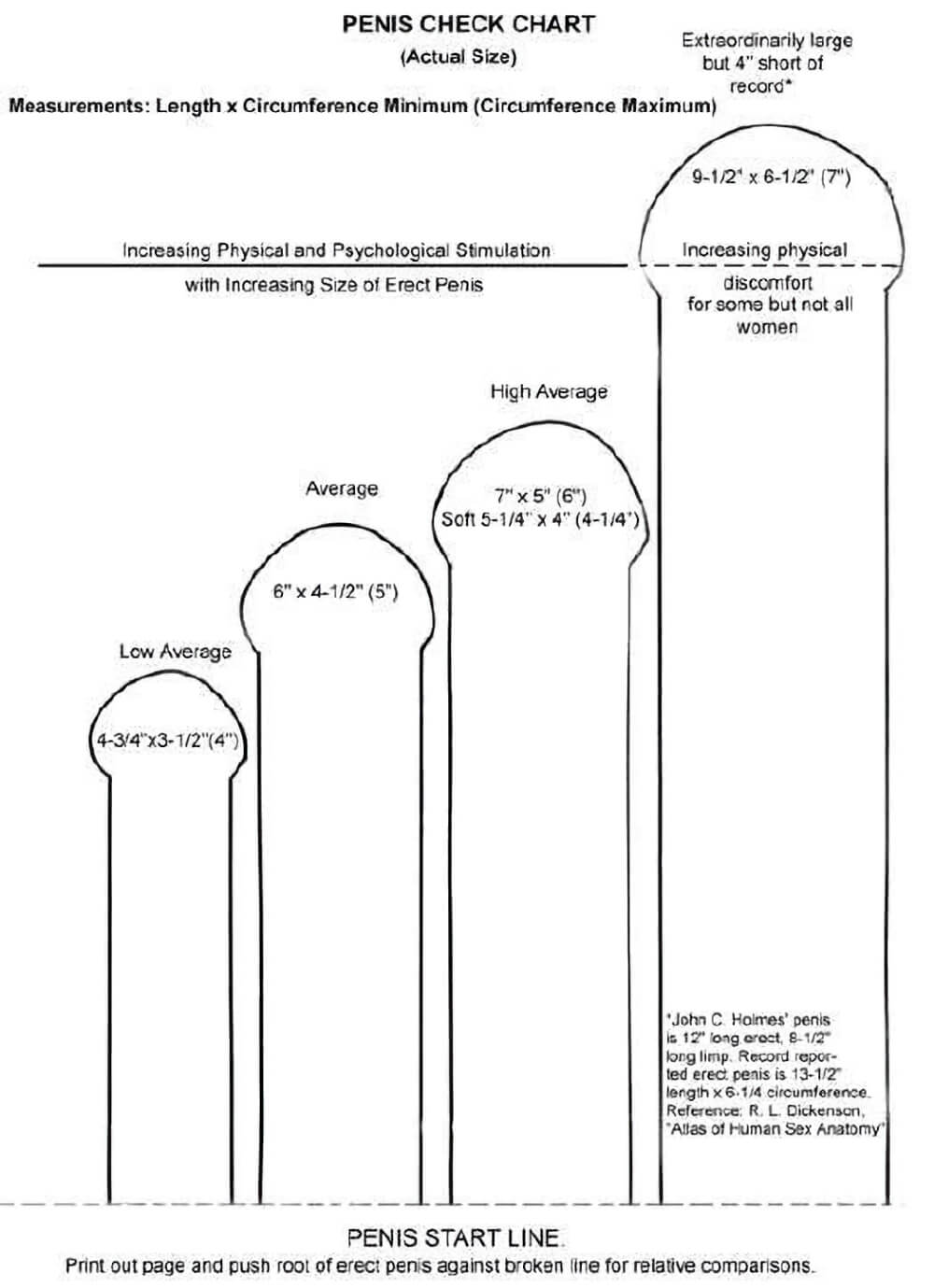
Authentic branding in the modern digital age requires transparency. As consumers become more educated, they are performing their own due diligence. Brands that adopt a policy of radical transparency—openly discussing the realities of human anatomy and debunking myths—differentiate themselves from the noise. By aligning their brand voice with scientific consensus, these companies turn their marketing into a source of value-add information, effectively positioning themselves as the go-to authority in a cluttered marketplace.
Marketing Ethics and the Digital Marketplace
The digital marketplace has accelerated the spread of information, but it has also facilitated the proliferation of deceptive marketing. With the rise of programmatic advertising and influencer-led campaigns, the messaging surrounding physical enhancement products has become increasingly aggressive. Navigating this landscape requires a firm grasp of both regulatory compliance and consumer sentiment.
Navigating Regulatory Compliance
Advertising platforms, ranging from Google and Meta to boutique affiliate networks, have increasingly strict policies regarding health and lifestyle claims. Claims that rely on deceptive data points are frequently flagged, leading to ad account bans, loss of payment processing, and diminished organic reach. For a business to remain viable, it must ensure that all claims regarding physical performance are backed by verifiable, peer-reviewed data. Aligning marketing strategy with regulatory transparency is not just about avoiding penalties; it is about ensuring that the business remains scalable in a market that is constantly tightening its oversight.
The Role of Social Proof in Men’s Wellness
Social proof, such as testimonials and expert endorsements, is the engine of the men’s wellness industry. However, the quality of this social proof is changing. Influencers who lean into sensationalist narratives are losing their effectiveness as consumers shift their trust toward content creators who prioritize scientific accuracy. Brands that invest in partnerships with legitimate subject matter experts—medical professionals, researchers, and licensed therapists—can leverage this shift to build a premium brand image that stands the test of time.
Future Trends in Consumer Health Data
As technology evolves, so too does the way we track and analyze anatomical health. The future of this sector will be defined by the move toward personalized wellness, where general population averages become secondary to an individual’s unique biological trajectory.
From Population Metrics to Personal Health
We are entering an era of “Quantified Self,” where wearable technology and at-home diagnostic tools provide users with precise data about their own bodies. This shift renders the search for a singular “average” less relevant, as the focus moves toward tracking individual health markers over time. Companies that pivot to providing platforms for personal data tracking—rather than promising blanket results based on population averages—are positioning themselves at the forefront of the next wave of the wellness industry.

The Value of Data Literacy
The most successful brands in the coming years will be those that provide their consumers with the tools for better data literacy. When a company helps its customers interpret clinical data, understand the variance inherent in human biology, and disregard the high-pressure benchmarks set by social media, they gain a level of trust that no marketing campaign can buy. This transition from “product seller” to “wellness partner” represents the apex of brand strategy in the 21st century.
Ultimately, the quest for the average erect penile length serves as a case study for the broader economy of information. Whether navigating the complexities of medical research or the strategic demands of branding, the key to long-term success is the same: prioritize objective truth over subjective fear. By aligning business objectives with the reality of human biology and maintaining a rigorous standard of ethical marketing, brands can cultivate a loyal, informed, and satisfied customer base in one of the most sensitive niches in the global market.
aViewFromTheCave is a participant in the Amazon Services LLC Associates Program, an affiliate advertising program designed to provide a means for sites to earn advertising fees by advertising and linking to Amazon.com. Amazon, the Amazon logo, AmazonSupply, and the AmazonSupply logo are trademarks of Amazon.com, Inc. or its affiliates. As an Amazon Associate we earn affiliate commissions from qualifying purchases.