
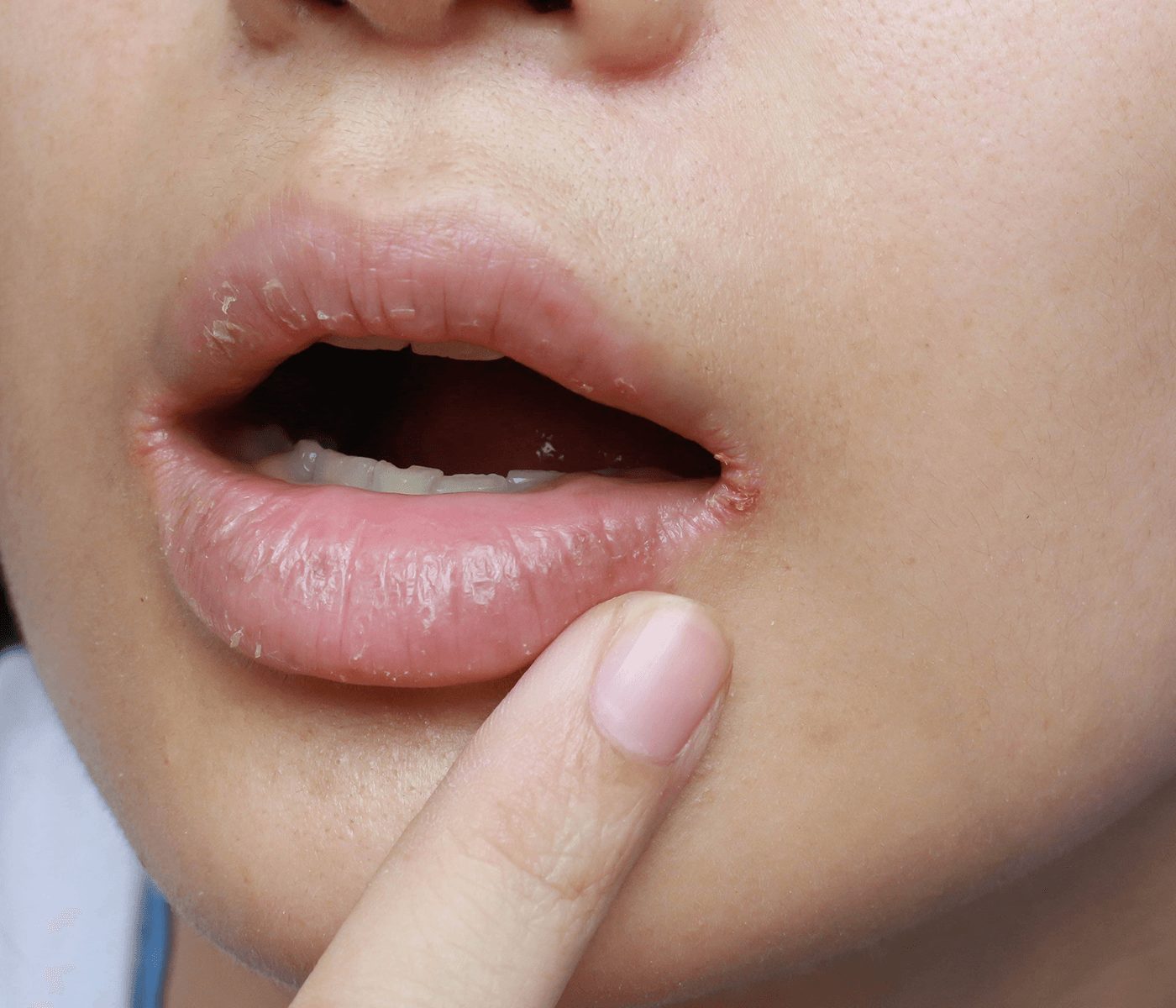
Angular cheilitis, often colloquially referred to as perleche, is a common inflammatory condition characterized by cracks, redness, and crusting at the corners of the mouth. While historically diagnosed through physical examination and managed with topical treatments, the digital age has profoundly reshaped our understanding, diagnostic capabilities, and management strategies for this and countless other medical conditions. From AI-driven diagnostics to telemedicine consultations and smart health applications, technology is now an indispensable ally in navigating the complexities of oral health, offering unprecedented avenues for information, care, and prevention. This article explores angular cheilitis not merely as a dermatological issue but through the innovative lens of technological integration in healthcare.
Angular Cheilitis in the Era of Digital Health Information
The proliferation of digital health platforms and online resources has fundamentally altered how individuals learn about and approach medical conditions. For something as visible and often discomforting as angular cheilitis, the internet serves as a primary source of initial inquiry, offering both vast knowledge and, at times, overwhelming misinformation.
Demystifying the Condition with Online Resources
Before a doctor’s visit, many individuals turn to search engines to understand symptoms like cracked mouth corners, redness, and soreness. Reputable health websites, medical association portals, and academic databases now provide comprehensive, peer-reviewed information on angular cheilitis, detailing its causes (such as nutritional deficiencies, fungal or bacterial infections, dental issues, or environmental factors), typical presentation, and traditional treatments. These digital resources empower patients to become more informed participants in their healthcare journey, enabling them to ask more pertinent questions during consultations and understand the rationale behind prescribed therapies. Educational videos, infographics, and interactive symptom checkers also enhance understanding, making complex medical information accessible to a broader audience. The ability to quickly cross-reference symptoms and potential causes online can alleviate anxiety and guide individuals toward appropriate medical care rather than self-diagnosis based on anecdotal evidence.
The Role of Digital Literacy in Self-Assessment and Awareness
While digital resources offer immense benefits, the critical skill of digital literacy becomes paramount. Distinguishing credible medical information from unreliable sources is a modern health imperative. Platforms dedicated to evidence-based medicine, often featuring contributions from healthcare professionals, are crucial for accurate self-assessment. Moreover, apps designed for general health tracking can sometimes indirectly aid in identifying potential triggers for angular cheilitis, such as tracking dietary intake (for nutrient deficiencies), stress levels, or even environmental exposures. By fostering a digitally literate population, technology transforms passive patients into active, informed partners in managing their oral and overall health, even for conditions as localized as angular cheilitis. This proactive approach, facilitated by technology, represents a significant shift from traditional reactive healthcare models.
AI and Advanced Software in Diagnosing and Monitoring Angular Cheilitis
The diagnostic landscape for angular cheilitis is increasingly being shaped by artificial intelligence and sophisticated software, promising greater accuracy, efficiency, and personalized care. These technological advancements move beyond simple symptom checkers, leveraging complex algorithms to interpret data and assist clinicians.
AI-Powered Image Analysis for Early Detection
One of the most exciting applications of AI in dermatology and oral health is image analysis. Given that angular cheilitis presents with distinct visual symptoms—redness, fissures, crusting, and sometimes erosions at the labial commissures—AI algorithms can be trained on vast datasets of medical images to identify these specific patterns. Patients can, in some scenarios, upload high-resolution images of their mouth corners to specialized apps or telemedicine platforms. AI software can then analyze these images, comparing them to known cases of angular cheilitis and other similar conditions (like herpes simplex or eczema) to provide a preliminary assessment of probability. This doesn’t replace a clinical diagnosis but can serve as a valuable triage tool, guiding individuals on whether to seek immediate medical attention and potentially speeding up the diagnostic process, particularly in remote areas or for individuals with limited access to specialists.
Predictive Analytics and Personalized Treatment Protocols
Beyond diagnosis, AI and advanced software contribute to more personalized treatment strategies. By analyzing patient-specific data—including medical history, comorbidities, lifestyle factors, treatment responses, and even genetic predispositions—AI can help predict the likelihood of specific causes (e.g., fungal vs. bacterial infection, or nutrient deficiency) and suggest the most effective treatment protocols. For recurrent cases of angular cheilitis, AI can identify patterns and potential triggers that might not be obvious to human observation, such as correlations with certain dietary habits, medication use, or environmental changes. This capability enables clinicians to move towards precision medicine, tailoring interventions to the individual’s unique biological and lifestyle profile, leading to faster resolution and reduced recurrence rates. Such data-driven insights enhance clinical decision-making and optimize patient outcomes.
Telehealth and Digital Platforms: Bridging the Gap in Oral Health Care
Telehealth has emerged as a transformative force in healthcare, significantly improving access to medical expertise and convenience for patients, including those with conditions like angular cheilitis.

Remote Consultations and Virtual Dermatological Reviews
For a visually identifiable condition such as angular cheilitis, remote consultations via video conferencing have become highly effective. Patients can connect with general practitioners or dermatologists from the comfort of their homes, eliminating the need for travel, reducing wait times, and mitigating exposure to other illnesses in clinic settings. During a virtual appointment, a healthcare provider can visually assess the affected area, ask detailed questions about symptom onset, duration, associated factors, and medical history. While a physical palpation isn’t possible, high-definition video feeds often provide sufficient visual information for an initial diagnosis and the formulation of a treatment plan, which might include prescribing topical creams or oral medications. If a clearer view is needed, patients can be instructed to take specific photos or videos from different angles. This convenience makes it easier for individuals to seek early intervention, preventing the condition from worsening.
Integrating Health Apps for Symptom Tracking and Adherence
Complementing remote consultations, specialized health apps offer continuous support in managing angular cheilitis. Patients can use these apps to track their symptoms over time, record changes in appearance, note any potential triggers (e.g., specific foods, lip products, weather changes), and log medication adherence. Some apps allow users to upload daily photos, creating a visual diary that healthcare providers can review to monitor progress and adjust treatment as necessary. Automated reminders for medication application or follow-up appointments improve patient adherence and engagement. Furthermore, some apps provide educational content specific to the patient’s condition, fostering better self-management. This integration of mobile technology creates a dynamic feedback loop between patient and provider, ensuring more consistent and personalized care.
Innovating Treatment and Prevention: From Wearables to Biotech Solutions
Technology is not only revolutionizing diagnosis and management but also pushing the boundaries of treatment and prevention strategies for angular cheilitis, exploring novel pathways through advanced devices and biotechnological insights.
Wearable Technology for Environmental Monitoring and Triggers
While not directly detecting angular cheilitis, wearable technology can play an indirect, yet crucial, role in understanding and preventing its recurrence, particularly when environmental factors are at play. Wearable devices capable of monitoring skin hydration levels, ambient humidity, temperature, and even UV exposure can help individuals identify environmental triggers that might exacerbate or lead to dry, cracked lips and corners, a precursor to angular cheilitis. For instance, an alert from a smartwatch indicating low humidity might prompt an individual to use a lip balm or a humidifier, proactively preventing dryness. While still an emerging area, integrating such data with individual health profiles via interconnected apps could provide invaluable insights into personalized prevention strategies, particularly for those prone to the condition due to lifestyle or environmental sensitivities.
Future Pharmacological Developments Driven by Big Data
The future of pharmacological treatment for angular cheilitis is also being shaped by technology, particularly through big data analytics and biotech research. By analyzing vast datasets of patient responses to various treatments, researchers can identify more effective compounds, predict drug interactions, and develop targeted therapies. Genomics and proteomics research, powered by high-throughput sequencing and computational biology, are uncovering the molecular mechanisms underlying inflammatory skin conditions. This can lead to the development of novel drugs that specifically target the pathways involved in angular cheilitis, moving beyond broad-spectrum antifungals or antibiotics to highly specific, perhaps even personalized, therapeutic agents. Biotechnology also plays a role in developing advanced delivery systems for topical treatments, ensuring better absorption and efficacy. These advancements promise not just symptomatic relief but a deeper, more enduring resolution for recurrent or stubborn cases.
Navigating Data Privacy and Digital Ethics in Health Management
As technology increasingly intertwines with personal health, the imperative of protecting sensitive medical information and upholding ethical standards becomes paramount, especially when discussing conditions like angular cheilitis.
Securing Personal Health Information in Digital Ecosystems
The shift to digital health platforms, telemedicine, and health apps inevitably involves the collection and transmission of highly personal data, including medical images, symptom logs, and treatment histories. Ensuring the security and privacy of this Personal Health Information (PHI) is a critical concern. Robust cybersecurity measures, including end-to-end encryption, secure data storage, multi-factor authentication, and compliance with strict data protection regulations (like HIPAA in the U.S. or GDPR in Europe), are essential. Patients need assurance that their sensitive data, even related to a seemingly minor condition like angular cheilitis, is protected from breaches, unauthorized access, and misuse. Transparency from tech companies and healthcare providers about their data handling practices builds trust and encourages greater adoption of digital health tools.

The Ethical Implications of AI in Healthcare Decisions
The deployment of AI in diagnosis, treatment recommendations, and predictive analytics for conditions like angular cheilitis raises significant ethical questions. While AI offers immense potential, biases embedded in training data (e.g., disproportionate representation of certain demographics in medical image datasets) could lead to inaccurate diagnoses or suboptimal treatment suggestions for specific patient groups. Transparency in how AI algorithms arrive at their conclusions (“explainable AI”) is crucial, allowing clinicians to understand and critically evaluate recommendations rather than blindly accepting them. Furthermore, questions about accountability when AI makes an error, the potential for algorithmic discrimination, and the balance between automation and human oversight need continuous ethical scrutiny. As technology continues to evolve, a strong ethical framework must guide its application in healthcare, ensuring that the benefits of innovation are realized equitably and responsibly for all.
In conclusion, angular cheilitis, a condition that has afflicted individuals for centuries, is now being understood, diagnosed, and managed through an unprecedented technological lens. From readily available online information and AI-powered diagnostic tools to the convenience of telehealth and the promise of biotech-driven treatments, technology is transforming every facet of oral healthcare. As we continue to integrate these advancements, prioritizing digital literacy, data security, and ethical considerations will be key to harnessing their full potential for improved patient outcomes and a more connected, informed healthcare ecosystem.
aViewFromTheCave is a participant in the Amazon Services LLC Associates Program, an affiliate advertising program designed to provide a means for sites to earn advertising fees by advertising and linking to Amazon.com. Amazon, the Amazon logo, AmazonSupply, and the AmazonSupply logo are trademarks of Amazon.com, Inc. or its affiliates. As an Amazon Associate we earn affiliate commissions from qualifying purchases.