
Rapid Eye Movement (REM) sleep, a fascinating and often enigmatic stage of our nightly rest, has long been a subject of intense scientific inquiry. While its fundamental biological mechanisms are rooted in neuroscience, the modern era has seen technology transform our understanding, tracking, and even optimization of REM sleep. From sophisticated laboratory polysomnography to ubiquitous consumer wearables and advanced AI analytics, technology acts as an indispensable lens through which we can decipher the mysteries of this crucial sleep phase. This article delves into what REM sleep is, exploring its characteristics, physiological markers, and, critically, how technological innovations are reshaping our interaction with and comprehension of this vital component of our sleep architecture.
The Neuroscience of REM Sleep and Its Digital Footprint
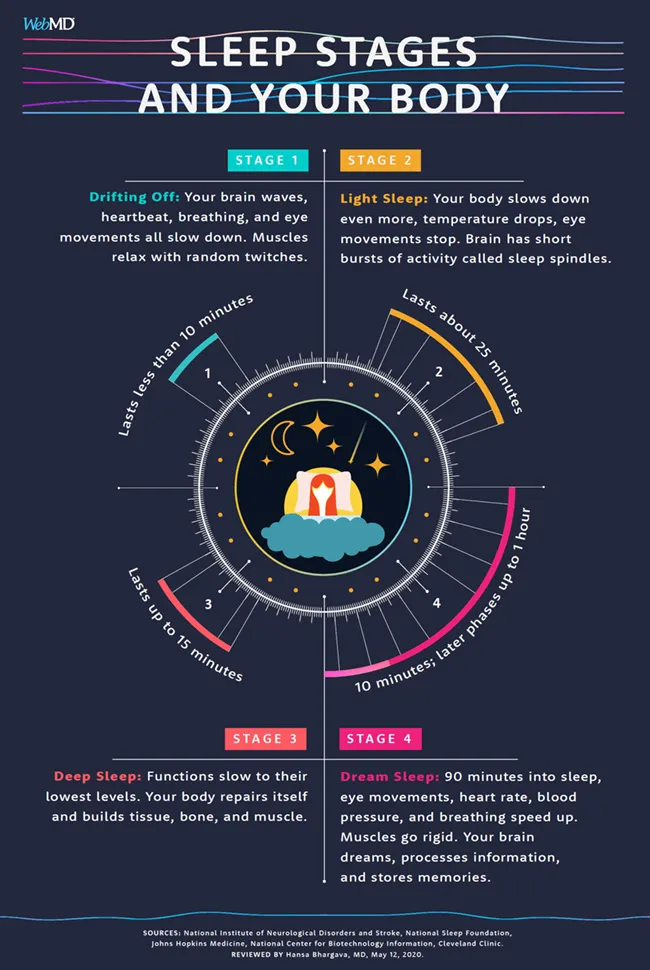
At its core, REM sleep is a distinct and active phase of sleep characterized by specific brainwave patterns, physiological changes, and, famously, vivid dreaming. Understanding these biological underpinnings is the first step, but modern technology has provided unprecedented tools for detailed observation and analysis, moving beyond mere hypothesis to data-driven insights.
Defining REM: Beyond the Eyes
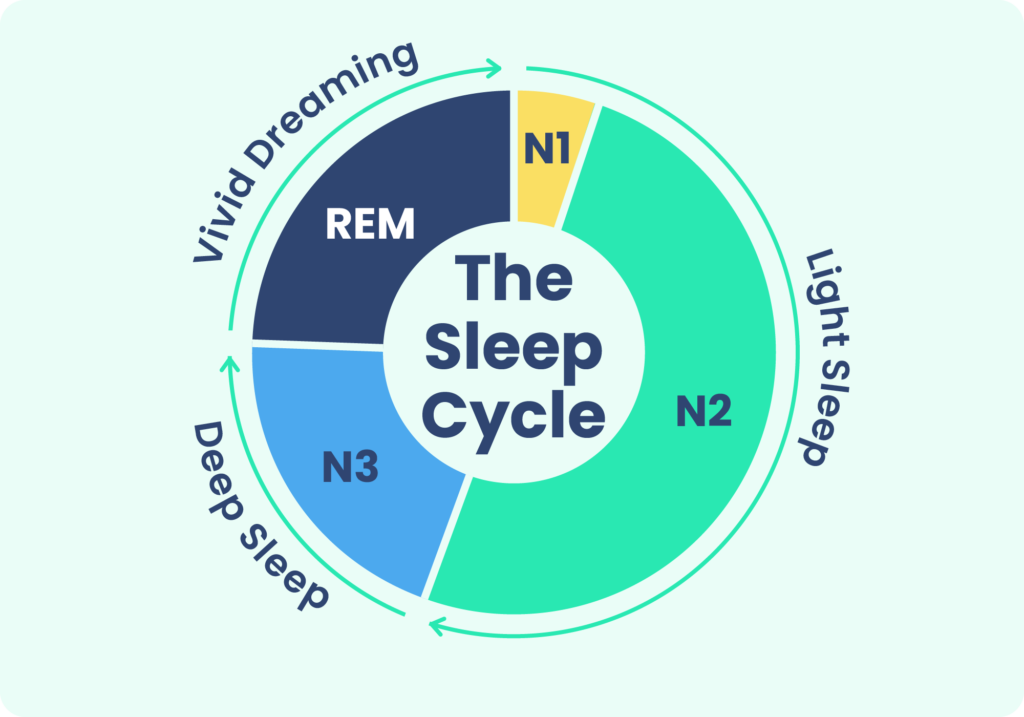
REM sleep derives its name from the rapid, darting eye movements that occur during this stage, even though our eyes are closed. It typically accounts for about 20-25% of an adult’s total sleep time, occurring in cycles throughout the night, becoming progressively longer in the latter half of the sleep period. Traditionally, REM sleep is identified in sleep labs through polysomnography (PSG), the gold standard diagnostic tool. PSG employs a suite of sensors to record electroencephalography (EEG) for brain activity, electrooculography (EOG) for eye movements, and electromyography (EMG) for muscle tone. These technologies, though sophisticated, have historically been confined to clinical settings due to their complexity and cost. However, the principles established by PSG have guided the development of increasingly accessible consumer-grade technologies, bringing sleep science into the home.
Brain Activity During REM: Unveiling Neural Patterns with EEG
During REM sleep, the brain’s electrical activity strikingly resembles that of wakefulness. EEG recordings reveal low-amplitude, mixed-frequency brainwaves, often described as “desynchronized,” alongside characteristic theta waves and saw-tooth waves. This paradoxical state, where the body is largely paralyzed (atonia) but the brain is highly active, is one of REM sleep’s most defining features. Advanced EEG devices, both clinical and emerging consumer-grade variants, utilize sophisticated signal processing algorithms to filter noise and identify these specific brainwave patterns. Machine learning models, trained on vast datasets of clinical PSG recordings, can now analyze raw EEG data from simpler headband devices, for instance, to automatically classify sleep stages, including the precise onset and duration of REM periods, offering users detailed insights without the need for an expert sleep technician.
Physiological Changes: Heart Rate, Respiration, and Wearable Sensors
Beyond brain activity and eye movements, REM sleep is associated with several distinct physiological changes that modern wearables are adept at tracking. Heart rate often becomes irregular and elevated, blood pressure fluctuates, and breathing can become shallow and erratic. Peripheral muscle tone, with the exception of the diaphragm and eye muscles, is almost completely inhibited, preventing us from acting out our dreams – a state known as REM atonia. Accelerometers, photoplethysmography (PPG) sensors, and sometimes even rudimentary acoustic sensors integrated into smartwatches, fitness trackers, and smart rings measure heart rate variability, respiration rate (derived from heart rate or movement), and body movement. Algorithms then correlate these data points with known patterns of REM sleep. For example, a combination of low movement (indicating atonia), elevated and variable heart rate, and specific respiratory patterns can signal the presence of REM sleep to a wearable device, providing an estimated REM duration without the need for direct brainwave measurement.
How Technology Tracks and Interprets REM Sleep
The evolution of sleep technology has democratized access to personal sleep data, moving REM sleep analysis from specialized labs to the everyday user. These technologies employ diverse sensor arrays and sophisticated algorithms to estimate, and increasingly, accurately track REM sleep.
Wearable Devices: Smartwatches and Rings
Smartwatches and smart rings are at the forefront of consumer sleep tracking. These devices typically employ optical heart rate sensors (PPG) to measure heart rate and heart rate variability, along with accelerometers to detect motion. By continuously monitoring these parameters throughout the night, their proprietary algorithms can infer sleep stages. A period of low physical movement combined with specific patterns of heart rate variability and an elevated resting heart rate compared to deep sleep, often indicates REM sleep. While not as precise as clinical EEG, these devices offer convenience and longitudinal data, allowing users to observe trends in their REM sleep over weeks and months, identifying potential impacts of lifestyle changes or stress. The data collected by these wearables is then presented through user-friendly apps, often with visual graphs breaking down sleep into various stages, including REM.
Non-Wearable Solutions: Smart Beds and Under-Mattress Sensors
For those who prefer not to wear devices to bed, non-wearable technologies offer an alternative. Smart beds and under-mattress sensors utilize ballistocardiography (BCG), pneumatics, or radar technology to detect subtle body movements, heartbeats, and breathing patterns without direct skin contact. These sensors are sensitive enough to pick up the micro-movements associated with different sleep stages. For example, the relative stillness of the body during REM atonia combined with specific cardiovascular and respiratory signatures can be identified by these systems. Some advanced smart beds can even adjust mattress firmness or temperature in response to detected sleep stages, potentially creating a more conducive environment for specific sleep phases, including REM. The integration of environmental controls further enhances the technological approach to sleep optimization.
The Role of AI and Machine Learning in Sleep Analysis
The sheer volume of data generated by sleep tracking devices, whether wearable or non-wearable, necessitates the power of artificial intelligence (AI) and machine learning (ML). These computational models are trained on massive datasets of clinically validated PSG recordings, learning to recognize the intricate patterns of physiological signals corresponding to each sleep stage, including REM. When consumer devices collect data, AI algorithms can process this raw information, identifying subtle markers that humans might miss. ML models continuously refine their ability to differentiate between sleep stages, improving the accuracy of REM sleep detection. Furthermore, AI can personalize insights, correlating an individual’s REM sleep patterns with their daily activities, diet, or stress levels, offering actionable advice. This predictive and analytical power of AI moves sleep tracking beyond mere data presentation to meaningful, personalized interpretation and guidance.
Optimizing REM Sleep with Technological Insights
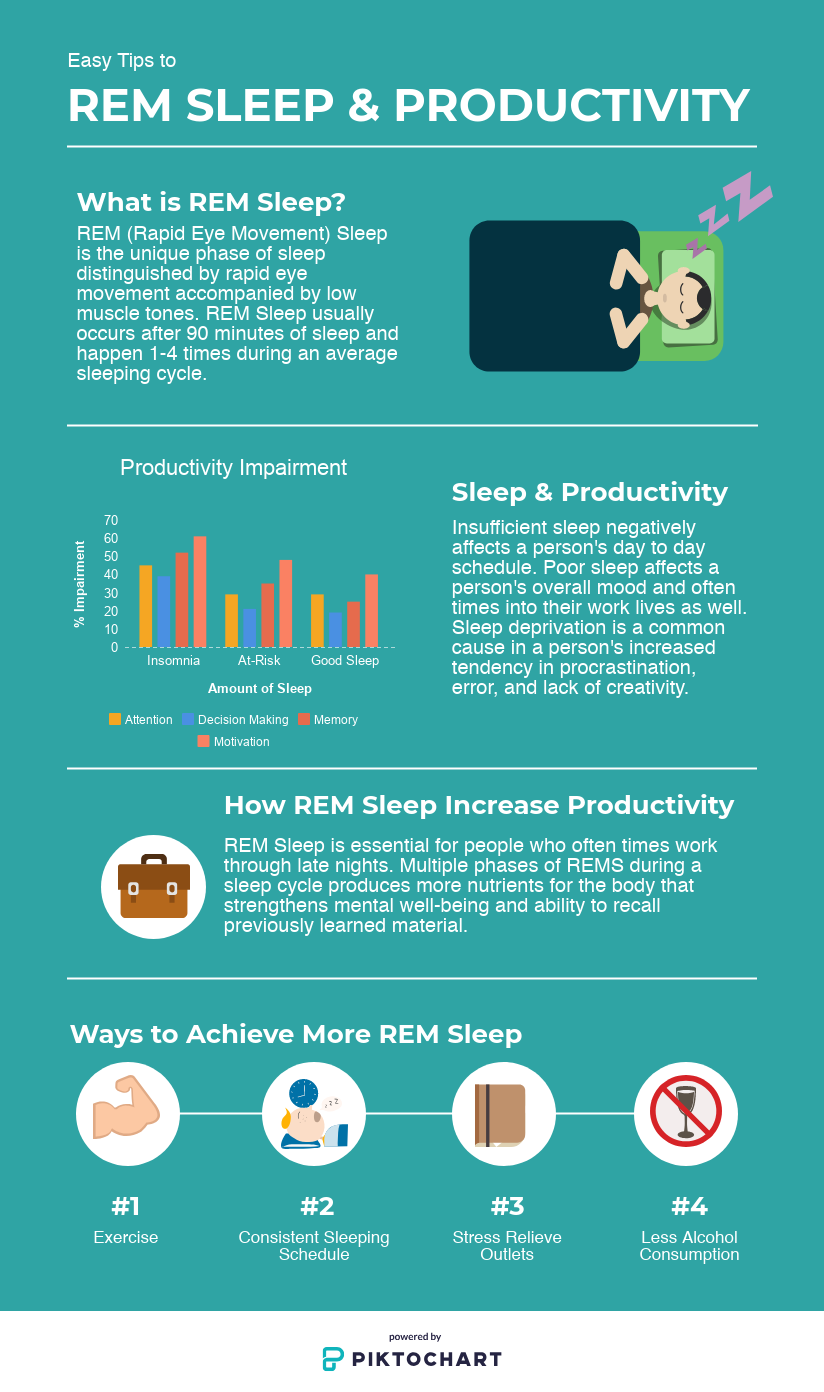
Understanding REM sleep is one thing; leveraging technology to enhance it is another. From personalized coaching to intelligent environmental controls, tech solutions are emerging to help individuals achieve more restorative and effective REM periods.
Personalized Sleep Coaching and Apps
Many sleep tracking apps, powered by AI, now offer personalized sleep coaching. By analyzing an individual’s historical sleep data, including their REM sleep patterns, these apps can identify potential issues or areas for improvement. For example, if an app detects consistently short REM periods, it might suggest adjusting bedtime, reducing evening caffeine intake, or incorporating relaxation techniques. Some advanced apps integrate cognitive behavioral therapy for insomnia (CBT-I) principles, guiding users through exercises and strategies known to improve overall sleep architecture, including the quality and duration of REM sleep. This personalized feedback loop, driven by continuous data collection and AI analysis, represents a significant step beyond generic sleep hygiene advice.
Environmental Controls: Smart Lighting and Sound Systems
The sleep environment plays a critical role in all sleep stages, including REM. Technology now offers sophisticated environmental controls to optimize this. Smart lighting systems can simulate natural sunrise and sunset, using specific light spectrums to regulate melatonin production, which indirectly supports a healthy sleep-wake cycle and can influence REM sleep timing. Similarly, smart sound machines can generate adaptive white noise or nature sounds that mask disruptive noises, creating a more tranquil environment conducive to uninterrupted sleep, allowing for more consistent REM cycles. Some systems are even designed to subtly wake users during lighter sleep stages, avoiding the abrupt awakening from deep or REM sleep that can leave one feeling groggy. The integration of these smart home devices creates a holistic, tech-managed sleep sanctuary.
Future Innovations: Neuromodulation and Targeted Therapies
Looking ahead, the frontier of REM sleep optimization involves direct neuromodulation. Early research and nascent technologies are exploring methods to directly influence brain activity to enhance specific sleep stages. Transcranial electrical stimulation (tES) and transcranial magnetic stimulation (TMS) are non-invasive techniques being studied for their potential to modulate brainwave patterns. While largely experimental and clinical at present, future iterations might offer targeted approaches to prolong or improve the quality of REM sleep, particularly for individuals struggling with sleep disorders or cognitive impairments. These advanced technologies hold the promise of moving beyond tracking and environmental control to direct, therapeutic interventions aimed at optimizing the very neurological processes underlying REM sleep.
The Benefits and Limitations of Tech-Driven REM Understanding
The surge in sleep technology has undeniably brought significant benefits, democratizing access to sleep insights and fostering greater awareness of sleep health. However, it also presents its own set of challenges and limitations that users and developers must acknowledge.
Empowering Users with Data
One of the primary benefits is the empowerment of individuals through data. For the first time, millions have access to a continuous stream of personal sleep metrics, including estimated REM sleep duration. This data can serve as a powerful motivator for adopting healthier sleep habits. It allows individuals to observe the direct impact of lifestyle choices—such as exercise, diet, or screen time—on their REM sleep, fostering a deeper understanding of their own unique sleep physiology. This heightened awareness is a crucial first step towards proactive sleep management and overall well-being. Furthermore, this data can be shared with healthcare providers, offering valuable context for consultations, even if not for definitive diagnosis.
The Challenge of Data Accuracy and Interpretation
Despite rapid advancements, consumer sleep technologies are not without their limitations, particularly regarding the precise accuracy of REM sleep detection. While clinical PSG remains the gold standard, consumer wearables and non-wearables provide estimates based on surrogate physiological markers. The algorithms, though sophisticated, can sometimes misclassify sleep stages, especially for individuals with atypical sleep patterns or underlying conditions. Over-reliance on potentially inaccurate data can lead to unnecessary anxiety or misinformed self-treatment. Therefore, it’s crucial for users to approach this data with a critical perspective, viewing it as a tool for trend analysis and awareness rather than definitive medical diagnosis. The interpretation of data also requires nuance; a ‘good’ or ‘bad’ REM score can be subjective and vary significantly between individuals.
Addressing the Digital Divide in Sleep Health
While technology has democratized access to sleep data, it also risks exacerbating a digital divide in sleep health. Access to sophisticated wearables, smart beds, and advanced apps often comes with a financial cost, potentially limiting their availability to certain demographics. Those who could benefit most from sleep insights—perhaps due to socioeconomic stressors or lack of access to traditional healthcare—might be precisely those unable to afford the latest tech. Developers and policymakers must consider strategies to make these tools more equitable and accessible, ensuring that the benefits of technological advancements in sleep health are broadly distributed, rather than becoming a privilege of the few.
Conclusion
REM sleep is a cornerstone of our cognitive and emotional well-being, integral to memory consolidation, learning, and mood regulation. The journey to understand “what is REM sleep” has been profoundly accelerated by technology. From clinical EEG devices that first mapped its brainwave signatures to consumer wearables that now estimate its presence through heart rate and motion, technology has brought REM sleep into sharper focus. AI and machine learning continue to refine our ability to track, analyze, and interpret this vital sleep stage, paving the way for personalized interventions and advanced environmental controls. While challenges in accuracy, interpretation, and accessibility remain, the technological imperative to unravel and optimize REM sleep is undeniable. As innovation continues, we can anticipate an even more nuanced and actionable understanding of REM sleep, empowering individuals to harness its restorative power for enhanced health, productivity, and quality of life in our increasingly tech-driven world.
aViewFromTheCave is a participant in the Amazon Services LLC Associates Program, an affiliate advertising program designed to provide a means for sites to earn advertising fees by advertising and linking to Amazon.com. Amazon, the Amazon logo, AmazonSupply, and the AmazonSupply logo are trademarks of Amazon.com, Inc. or its affiliates. As an Amazon Associate we earn affiliate commissions from qualifying purchases.