
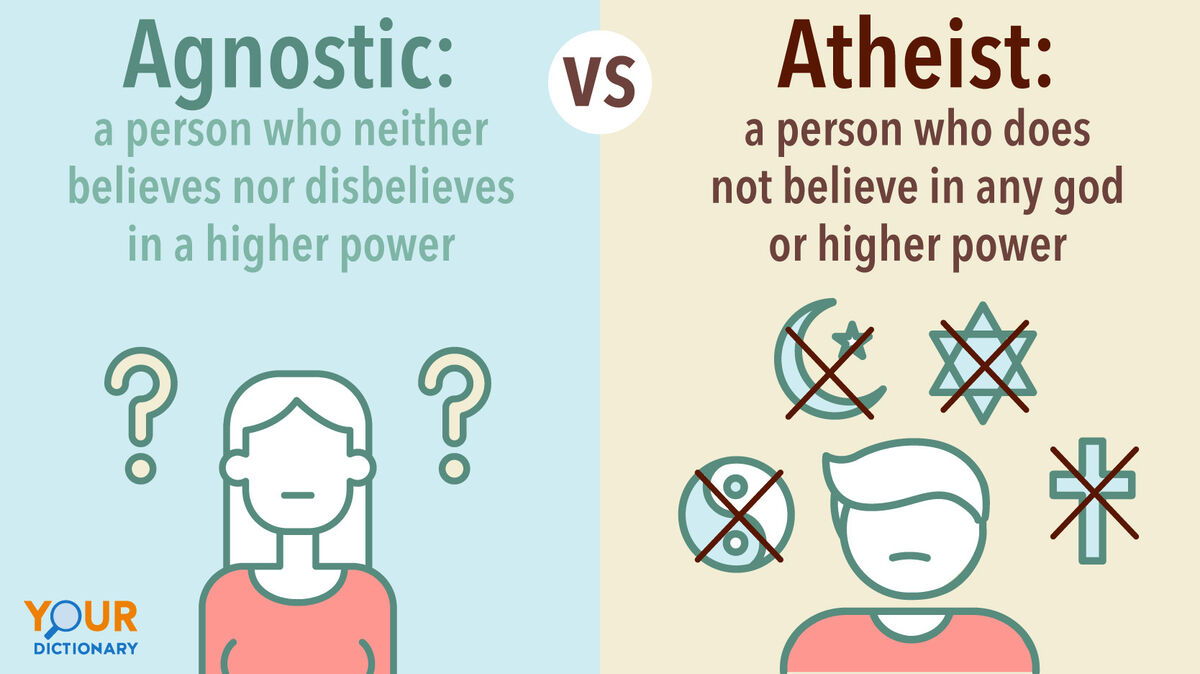
In an increasingly interconnected yet polarized world, understanding identity is paramount. The term “atheist” often evokes specific connotations, some accurate, many based on misunderstanding. While fundamentally a philosophical position—the absence of belief in deities—for individuals, identifying and living as an atheist in a religiously diverse world also entails a nuanced exercise in personal branding. It’s about defining oneself, communicating core values, and managing public perception in a way that is both authentic and fosters understanding. This article explores atheism not merely as a belief system, but as a facet of personal identity that requires strategic branding to navigate social, professional, and personal landscapes effectively.

The Core Components of a Secular Personal Brand
Just as a company defines its brand by its mission, values, and unique selling proposition, an individual identifying as an atheist implicitly or explicitly crafts a personal brand. This brand is built upon a foundation of core principles and a carefully considered narrative that aims to represent their worldview accurately and compellingly.
Defining Core Values and Beliefs
At the heart of any strong brand lies a clear set of values. For an atheist, these are typically derived from reason, humanism, empiricism, and a commitment to evidence. Unlike religiously affiliated individuals who often draw their moral framework from sacred texts or divine command, atheists generally construct their ethical compass through human experience, critical thinking, and a desire to maximize well-being for all. This might include values such as empathy, scientific integrity, compassion, justice, and personal responsibility.
The “brand values” of a secular individual often revolve around:
-
Reason and Critical Thinking: A reliance on logical inquiry and evidence over dogma or faith.
-
Humanism: A focus on human flourishing, dignity, and potential, prioritizing human values and concerns.
-
Secular Ethics: A moral framework derived from human needs and societal well-being, independent of supernatural authority.
-
Curiosity and Open-mindedness: A willingness to question, learn, and adapt beliefs based on new information.
Communicating these values proactively is crucial for shaping how one’s “atheist brand” is perceived, moving beyond common stereotypes to a more nuanced understanding of a positive, ethics-driven identity.
Crafting Your Narrative
Every compelling brand has a story. For atheists, this involves articulating their worldview in a way that dispels common myths and clarifies their position. The narrative isn’t about being “anti-religion” but about being “non-religious.” It’s about explaining what one does believe in—such as human potential, scientific discovery, and the beauty of the natural world—rather than solely focusing on what one doesn’t believe.
Effective narrative crafting involves:
-
Clarity over Conflict: Focusing on clear, concise explanations of one’s position rather than engaging in confrontational debates.
-
Personal Journey: Sharing one’s path to atheism, if comfortable, to humanize the experience and build connection.
-
Positive Framing: Emphasizing the positive aspects of a secular life, such as freedom of inquiry, ethical autonomy, and a grounded appreciation for life.
A well-crafted narrative helps to control the message, preventing others from defining one’s identity based on preconceived notions or a lack of information. It’s about taking ownership of the brand story.
Authenticity and Consistency
Authenticity is the bedrock of any credible brand. For an atheist, this means living consistently with one’s stated values. If one’s brand is built on reason and ethics, then one’s actions, decisions, and interactions must reflect these principles. Hypocrisy or inconsistency can quickly erode trust and damage the personal brand.
Consistency also means:
-
Alignment of Words and Deeds: Ensuring that what one says about being an atheist (e.g., valuing kindness, critical thought) is reflected in everyday behavior.
-
Responding to Challenges with Integrity: Addressing questions or criticisms about atheism with patience, respect, and a commitment to factual accuracy.
-
Avoiding Stereotypes: Not falling into the trap of embodying negative stereotypes associated with atheism, such as arrogance or nihilism, but actively demonstrating contrary qualities.
An authentic and consistent personal brand builds trust, credibility, and respect, allowing others to see beyond simplistic labels and recognize the individual’s true character.
Navigating Public Perception and Misconceptions
One of the most significant challenges for an atheist’s personal brand is the burden of public perception and the prevalence of misinformation. In many societies, atheism is misunderstood, often associated with negative stereotypes. Managing this aspect is crucial for effective personal branding.
Understanding the “Brand Image”
The existing “brand image” of atheism in many parts of the world is often tainted by stereotypes:
-
Immorality: The belief that without God, there can be no moral compass.
-
Arrogance/Elitism: Perceived intellectual superiority or dismissiveness towards religious beliefs.
-
Nihilism: The idea that life has no meaning or purpose without a divine creator.
-
Anger/Anti-religious: A perception of being actively hostile towards religious individuals or institutions.
Understanding these prevalent misconceptions is the first step in actively counteracting them. A secular individual must recognize that their personal brand operates within this existing framework of public opinion and needs to be strategically positioned to overcome it.
Strategic Communication
Effective communication is vital for correcting misperceptions and building a more accurate understanding of one’s atheist identity. This involves thoughtful engagement, choosing the right forums, and tailoring the message to the audience.
Strategies include:
-
Education over Confrontation: Approaching conversations with a desire to inform and clarify, rather than to argue or convert.
-
Emphasizing Shared Values: Highlighting common ground with religious individuals, such as a desire for peace, justice, or community well-being.
-
Setting Boundaries: Knowing when and how to engage, and when to disengage from unproductive discussions.
-
Professional Context: Discretion in professional settings, understanding that one’s personal beliefs, while authentic, may need to be presented carefully to maintain professional relationships and avoid alienating colleagues or clients.
Strategic communication isn’t about hiding one’s identity, but about presenting it in a way that is respectful, constructive, and conducive to positive interaction.
Building Bridges, Not Walls
A strong personal brand seeks to connect, not alienate. For atheists, this means actively seeking common ground and fostering mutual respect with people of all belief systems. It’s about demonstrating that a lack of belief in God does not equate to a lack of ethics, compassion, or a desire for societal good.
Building bridges involves:
-
Active Listening: Genuinely understanding the perspectives and concerns of others.
-
Participation in Community: Engaging in civic activities, volunteer work, and social initiatives that benefit the broader community, regardless of religious affiliation.
-
Interfaith/Inter-ideological Dialogue: Participating in discussions that promote understanding between different worldviews, contributing a secular perspective constructively.
By engaging positively and demonstrating shared humanity, individuals identifying as atheists can challenge negative stereotypes and build a personal brand that is seen as inclusive and valuable to the social fabric.
Building a Community and Network
Just as brands cultivate loyal customer bases and strategic partnerships, an individual’s atheist brand can benefit from community and networking. Connecting with like-minded individuals and contributing to broader secular movements can strengthen one’s identity and amplify their voice.
Finding Your Audience
For many atheists, finding a community of secular individuals can be affirming and empowering. This “audience” can provide support, shared understanding, and a sense of belonging that may be absent in more religious mainstream circles.
This might involve:
-
Secular Organizations: Joining local or national humanist, atheist, or freethought groups.
-
Online Forums and Social Media: Engaging with online communities dedicated to secularism and critical thought.
-
Academic and Intellectual Circles: Connecting with individuals interested in science, philosophy, and critical inquiry.
Identifying and engaging with these audiences helps to reinforce one’s personal brand, providing validation and opportunities for growth.
Thought Leadership in Secularism
For those who are inclined, contributing to the broader discourse around secularism can establish one as a “thought leader” within the atheist community and beyond. This involves sharing insights, advocating for secular values, and contributing to educational efforts.
Activities include:
-
Writing and Blogging: Sharing perspectives on atheism, humanism, and related topics.
-
Public Speaking: Participating in panels, giving talks, or leading discussions.
-
Advocacy: Supporting organizations that promote secular education, separation of church and state, and critical thinking.
By taking on a thought leadership role, individuals can help shape the broader narrative of atheism, enriching their personal brand with influence and expertise.
The Digital Footprint
In today’s digital age, an individual’s online presence is an integral part of their personal brand. For an atheist, this means curating a digital footprint that aligns with their values and desired perception.
Considerations for a secular digital brand:
-
Professionalism: Ensuring social media profiles and online interactions reflect a thoughtful and respectful individual.
-
Content Sharing: Curating content that promotes reason, science, humanism, and positive secular values.
-
Engaging Respectfully: Participating in online discussions in a constructive manner, avoiding unproductive arguments or personal attacks.
A well-managed digital footprint can significantly enhance an atheist’s personal brand, reaching a wider audience and reinforcing their identity as a credible and thoughtful individual.
The Professional and Social Impact of a Secular Brand
The personal brand of an atheist extends into professional and social spheres, impacting career opportunities, social relationships, and overall well-being. Strategically managing this aspect ensures that one’s non-belief is an integrated, rather than an isolating, part of their identity.
Workplace Considerations
Navigating a workplace that may be culturally or explicitly religious requires careful management of one’s personal brand. It’s about finding a balance between authenticity and professionalism.
Strategies include:
-
Professional Boundaries: Understanding that personal religious or non-religious beliefs are often best kept private or shared only when relevant and appropriate.
-
Respect for Diversity: Demonstrating respect for colleagues’ beliefs, even if one does not share them, fostering an inclusive environment.
-
Performance as Priority: Ensuring that one’s professional competence and contributions speak for themselves, rather than allowing personal beliefs to become a distraction.
An atheist’s professional brand should emphasize competence, collaboration, and ethical conduct, demonstrating that secular individuals are valuable and contributing members of any team.
Social Engagement
Participation in social life, community events, and charitable activities is vital for a well-rounded personal brand. For atheists, this often means engaging with initiatives that are not religiously affiliated or participating in faith-based activities out of a desire for community or to support a cause, rather than religious conviction.
Aspects of social engagement include:
-
Volunteering: Contributing time and skills to secular charities or community projects.
-
Civic Participation: Engaging in local government, advocacy for human rights, or environmental causes.
-
Social Inclusion: Attending celebrations or events (e.g., weddings, funerals) of friends and family from religious backgrounds, showing respect for their traditions while remaining authentic to one’s own identity.
By actively participating in the broader social fabric, an atheist reinforces their brand as a responsible and engaged citizen, countering stereotypes of isolation or negativity.

Personal Growth and Evolution
A personal brand is not static; it evolves with an individual’s growth and experiences. For atheists, this means a continuous process of learning, self-reflection, and adapting their identity as they mature. The “brand” of an atheist at 20 might be different from that at 50, reflecting deeper understanding, more nuanced perspectives, and expanded life experiences. This adaptability is itself a strong brand attribute, signaling intellectual vitality and an open mind.
In conclusion, while the question “what is an atheist” fundamentally addresses a philosophical stance, its real-world implications necessitate a sophisticated approach to personal branding. By intentionally defining core values, crafting a clear narrative, maintaining authenticity, strategically navigating public perception, building community, and engaging responsibly in professional and social spheres, individuals who identify as atheists can build a powerful and positive personal brand. This not only fosters self-acceptance and understanding for themselves but also contributes to a more tolerant and insightful global dialogue about diverse identities.
aViewFromTheCave is a participant in the Amazon Services LLC Associates Program, an affiliate advertising program designed to provide a means for sites to earn advertising fees by advertising and linking to Amazon.com. Amazon, the Amazon logo, AmazonSupply, and the AmazonSupply logo are trademarks of Amazon.com, Inc. or its affiliates. As an Amazon Associate we earn affiliate commissions from qualifying purchases.