
In an age dominated by data, artificial intelligence, and digital frontiers, the microscopic world might seem a distant realm. Yet, at the very core of advanced biotechnology, healthcare innovation, environmental solutions, and even novel computing paradigms lies an ancient and ubiquitous life form: bacteria. These single-celled microorganisms, often stereotyped as agents of disease, are in fact marvels of biological engineering, representing some of the most fundamental and adaptable “technologies” on Earth. For the tech-savvy mind, understanding “what is a bacteria” isn’t merely a biological inquiry; it’s an exploration into a complex biological system ripe for technological exploitation, analysis, and engineering. From powering the human microbiome to underpinning the next generation of therapeutics and industrial processes, bacteria are not just living organisms—they are programmable bio-machines, data repositories, and critical components in a rapidly evolving biotechnological landscape.
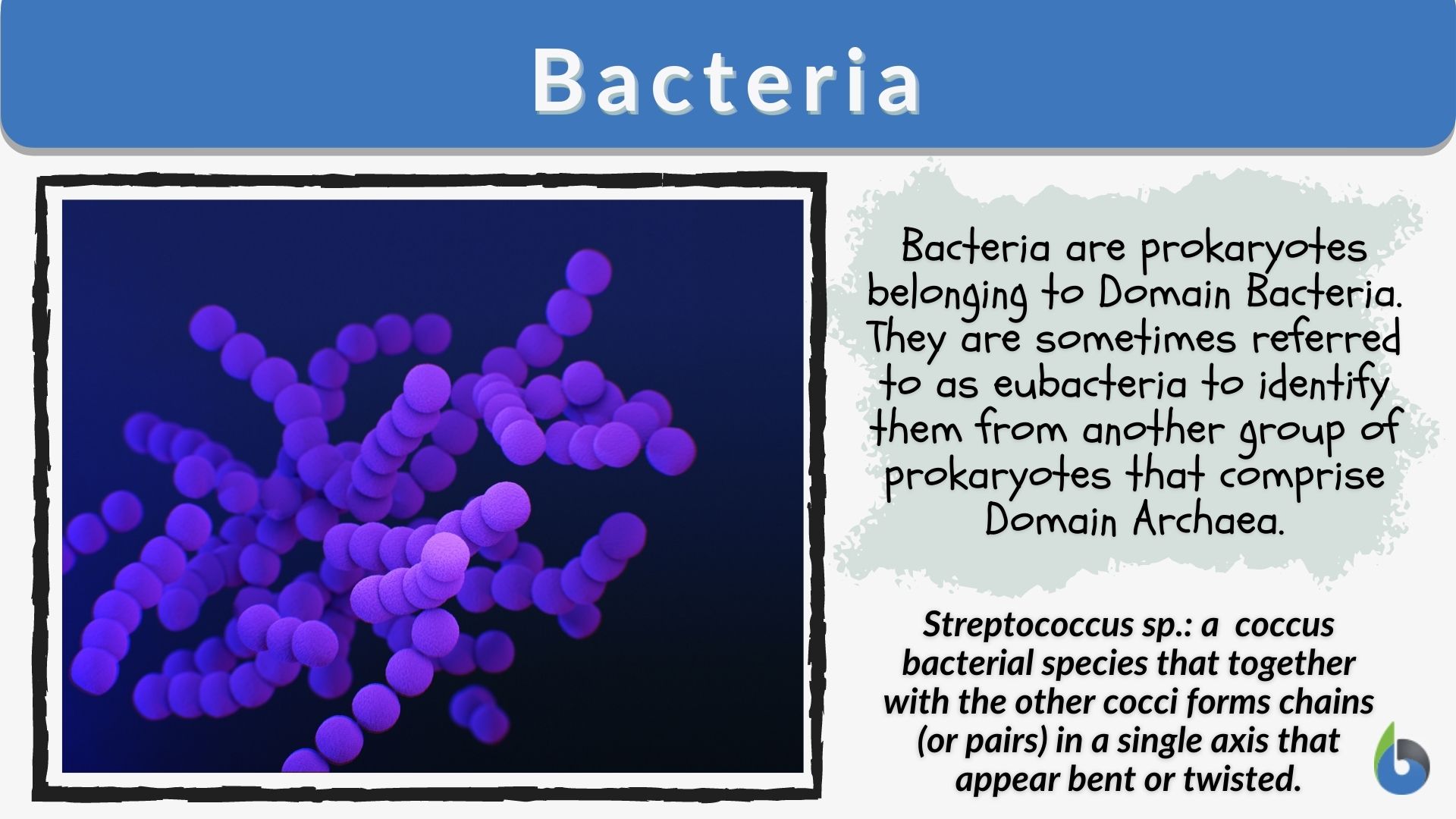
Decoding the Microscopic World: Bacteria Through the Lens of Technology
Our ability to comprehend the intricate world of bacteria, far smaller than the eye can see, is entirely a testament to technological advancement. From the crude microscopes of Antony van Leeuwenhoek to today’s super-resolution imaging and high-throughput sequencing, technology has transformed our understanding of these foundational life forms.
Advanced Microscopy: Unveiling Bacterial Structures
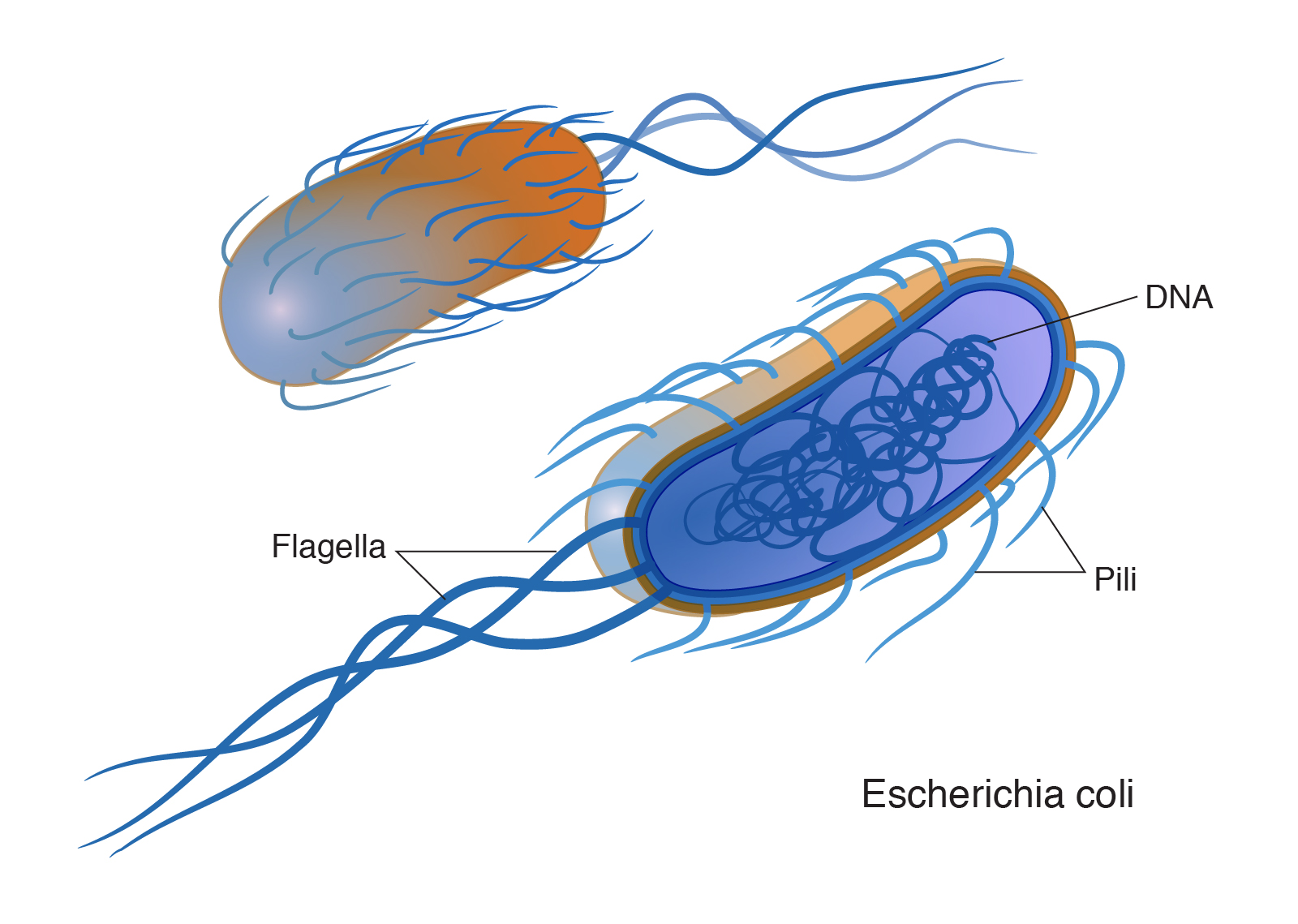
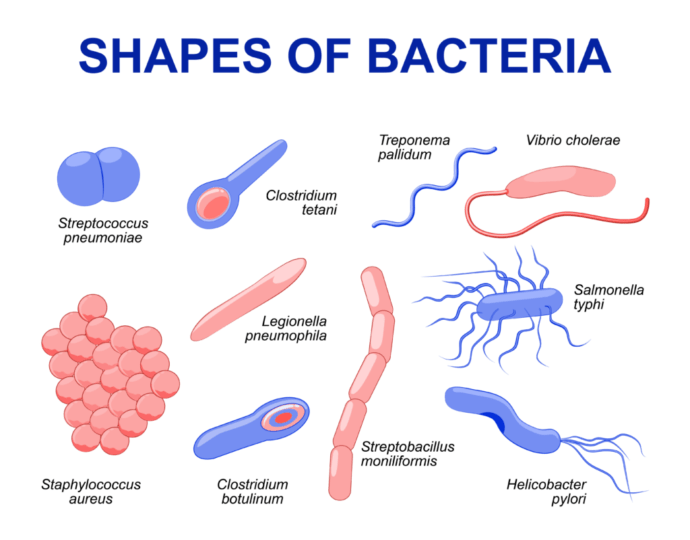
The first glimpse of bacteria came via early optical microscopes, revealing their basic shapes (rods, spheres, spirals). However, modern microscopy has moved far beyond simple observation, allowing us to delve into their internal structures, dynamic behaviors, and interactions with unprecedented clarity. Electron microscopy, for instance, provides ultra-high-resolution images by using electron beams instead of light, revealing organelles, cell walls, flagella, and pili at a nanometer scale. This technology is critical for understanding bacterial pathogenesis and developing targeted antibacterial agents. Beyond static images, advanced techniques like confocal microscopy and super-resolution microscopy (STED, PALM/STORM) enable scientists to observe live bacteria in real-time, tracking protein movements, gene expression, and cellular processes within living cells. These innovations are akin to upgrading from a blurry webcam to high-definition cinematic cameras, allowing researchers to capture the dynamic “software” running within these tiny biological “hardware” units. The development of cryo-electron microscopy (Cryo-EM) has further revolutionized structural biology, allowing for the determination of bacterial protein and complex structures in their native states, crucial for rational drug design and understanding molecular mechanisms.
Genomic Sequencing and Bioinformatics: Reading Bacterial Blueprints
Perhaps the most significant technological leap in understanding bacteria has been the advent of DNA sequencing. Initial Sanger sequencing was painstaking, but the rise of next-generation sequencing (NGS) technologies has democratized genomic analysis. We can now rapidly sequence entire bacterial genomes, understanding their complete genetic blueprint—the “source code” that defines their functions, capabilities, and vulnerabilities. Metagenomics, a powerful application of NGS, takes this further by sequencing all the genetic material from a complex environmental sample (like soil, water, or the human gut), without needing to culture individual bacteria. This allows for the study of entire microbial communities (microbiomes) and the identification of previously unknown species and their functions.
The sheer volume of data generated by sequencing technologies necessitates sophisticated computational tools and algorithms—the domain of bioinformatics. Bioinformatic pipelines process raw sequence data, assemble genomes, identify genes, predict protein functions, and trace evolutionary relationships. AI and machine learning are increasingly integrated into these tools to identify patterns in vast genomic datasets, predict antibiotic resistance genes, or classify novel bacterial species, transforming raw data into actionable biological insights. Without this digital infrastructure, the vast genomic information of bacteria would remain an indecipherable enigma.
AI and Machine Learning in Microbiology: Predicting and Understanding
Artificial intelligence and machine learning are rapidly becoming indispensable tools in microbiology. Beyond bioinformatics, AI algorithms are being trained on massive datasets of bacterial images, growth curves, and metabolic profiles to automate identification and characterization of pathogens, often faster and more accurately than traditional lab methods. Machine learning models can predict the susceptibility of bacteria to different antibiotics, helping clinicians make more informed treatment decisions and combat the rise of antimicrobial resistance. Furthermore, AI is crucial in analyzing complex microbiome data, identifying signatures associated with health and disease, and even predicting responses to dietary or therapeutic interventions. For example, deep learning models can sift through thousands of potential drug compounds to identify those most likely to inhibit bacterial growth, accelerating the drug discovery pipeline. These intelligent systems effectively act as hyper-efficient microbiologists, capable of discerning patterns and making predictions that would be impossible for human analysis alone, thereby augmenting our scientific capabilities.
Bacteria as Biological Machines: Tech Applications
Beyond understanding what bacteria are, technology allows us to leverage them as powerful biological machines. Their simplicity, rapid reproduction, and metabolic versatility make them ideal platforms for a vast array of biotechnological applications, from medicine to environmental remediation.
Synthetic Biology: Engineering Bacteria for Purpose
Synthetic biology, often described as “engineering biology,” treats bacteria as programmable biological circuits. Using tools like CRISPR-Cas gene editing, scientists can precisely cut, insert, or modify DNA sequences within bacterial genomes, effectively “rewriting” their genetic code. This allows for the creation of designer bacteria with novel functions. For example, bacteria can be engineered to produce biofuels like ethanol or butanol from waste products, synthesize complex pharmaceuticals such as insulin or vaccines, or act as living biosensors to detect pollutants or disease markers in the environment or the body. Researchers are even designing bacteria that can deliver targeted therapies directly to cancer cells or specific sites of inflammation, acting as microscopic drug delivery systems. This field pushes the boundaries of bio-engineering, transforming bacteria from passive subjects of study into active participants in technological solutions.
Biotech in Medicine: From Antibiotics to Gene Therapy Delivery
The pharmaceutical industry has a long-standing technological relationship with bacteria. Many traditional antibiotics were originally discovered from bacterial or fungal metabolites, and current research uses advanced screening technologies to discover new antimicrobial compounds. Beyond antibiotics, bacteria are harnessed for the production of recombinant proteins, a cornerstone of modern medicine. Insulin, human growth hormone, and various vaccines are mass-produced using genetically engineered E. coli or yeast.
More recently, bacteria are being explored as advanced therapeutic delivery systems. Attenuated bacteria can be engineered to produce antigens for novel vaccines or to deliver therapeutic payloads directly to tumors, exploiting their natural tropism for certain tissues or environments. The human microbiome itself, an ecosystem of trillions of bacteria, is a frontier for therapeutic innovation. Fecal microbiota transplantation (FMT) is an established treatment for recurrent Clostridioides difficile infection, and ongoing research leverages precision prebiotics and probiotics to modulate the microbiome for conditions ranging from inflammatory bowel disease to neurological disorders. These interventions represent a shift from broad-spectrum treatments to highly targeted, biologically informed therapies.
Environmental and Industrial Tech: Bacterial Solutions
Bacteria are nature’s original recyclers, and technology harnesses these capabilities for industrial and environmental applications. In bioremediation, specific bacterial strains or consortia are used to break down pollutants, detoxify contaminated soil and water, and mitigate the impact of industrial waste. For example, oil-eating bacteria are deployed to clean up oil spills, while other strains can metabolize plastics or heavy metals.
In industrial biotechnology, bacteria are the workhorses of large-scale fermentation processes. They produce everything from lactic acid for bioplastics to enzymes for detergents, and amino acids for food supplements. The food industry relies heavily on bacteria for fermentation processes in making cheese, yogurt, bread, beer, and wine. Furthermore, research into microbial fuel cells aims to use bacteria to generate electricity from organic waste, converting biochemical energy directly into electrical energy. These applications showcase bacteria as highly efficient, self-replicating factories and waste processors, offering sustainable alternatives to traditional chemical or mechanical processes.
The Interplay: Battling Bacterial Threats with Digital Security & Innovation
While bacteria offer immense technological potential, they also pose significant threats, particularly the growing crisis of antibiotic resistance. Addressing these challenges requires a concerted effort across digital security, rapid diagnostics, and innovative drug development.
Digital Security for Biological Data: Protecting Genomic Information
The explosion of genomic data, including bacterial sequences from clinical samples and environmental studies, creates new challenges for digital security. Biotech labs and pharmaceutical companies hold vast repositories of sensitive biological data, which, if compromised, could lead to intellectual property theft, public health risks, or even bioterrorism. Robust cybersecurity protocols are essential to protect these databases, ensuring the integrity and confidentiality of genomic information. Moreover, as personalized medicine increasingly relies on an individual’s microbiome data, safeguarding this intensely personal information becomes paramount. Secure cloud computing, blockchain for data integrity, and advanced encryption techniques are critical technologies being deployed to protect the “digital twin” of biological information.
Rapid Diagnostics and Early Warning Systems: AI’s Role in Public Health
The ability to quickly and accurately identify bacterial infections is crucial for effective treatment and preventing outbreaks. Technological advancements in point-of-care diagnostics, often leveraging microfluidics and miniaturized sensor arrays, allow for rapid detection of pathogens outside traditional lab settings. AI-powered diagnostic tools can analyze complex biological signals from blood, urine, or saliva samples to identify bacterial culprits and even predict antibiotic resistance profiles within minutes or hours, dramatically reducing the wait time associated with conventional cultures. Furthermore, AI and big data analytics are being used to create early warning systems for public health. By analyzing data from clinics, pharmacies, social media, and environmental sensors, these systems can detect unusual patterns in infection rates, identify emerging threats, and predict potential outbreaks, allowing for proactive interventions and resource allocation—a digital surveillance system for microbial threats.
The New Arms Race: Combating Antibiotic Resistance with Tech Innovation
Antibiotic resistance is one of the most pressing global health crises. Bacteria are evolving faster than we are developing new drugs. This “arms race” demands innovative technological solutions. Drug discovery platforms are leveraging AI to screen billions of molecules virtually, identifying novel chemical structures with antibacterial activity. CRISPR technology is being explored not only for genetic engineering but also as a direct antibacterial therapy, capable of precisely targeting and destroying resistance genes or even whole bacterial genomes. Phage therapy, which uses naturally occurring viruses (bacteriophages) that infect and kill bacteria, is experiencing a resurgence, with genetic engineering and high-throughput screening technologies making it a more precise and personalized treatment option. Nanotechnology is also contributing, developing smart nanoparticles that can deliver antibiotics directly to infected sites, minimizing side effects and improving efficacy, or even physically disrupting bacterial cell membranes. These tech-driven approaches represent our best hope against a future where common bacterial infections become untreatable.
The Future Frontier: Bacteria, AI, and the Next Generation of Biotech
The convergence of our understanding of bacteria and advancements in AI and other technologies is paving the way for revolutionary developments. The future of bacteria in technology is not just about what they are, but what we can make them do.
Personalized Microbiome Engineering
Just as genomics has led to personalized medicine, the burgeoning field of microbiome science promises personalized microbiome engineering. Leveraging AI, wearable sensors, and sophisticated sequencing, we can analyze an individual’s unique microbial fingerprint and understand its interplay with their health. The future will likely see precision prebiotics and probiotics, custom-designed bacterial therapies, and even AI-driven dietary recommendations tailored to optimize an individual’s microbiome for improved health, disease prevention, and even enhanced cognitive function. This represents a paradigm shift from treating symptoms to optimizing our internal “operating system.”
Biocomputing and Data Storage
Beyond their industrial and medical applications, bacteria are inspiring novel computing paradigms. Researchers are exploring the use of bacterial populations as “wetware” for solving complex computational problems, exploiting their collective intelligence and communication mechanisms. Imagine a bacterial colony performing calculations. Furthermore, bacteria, with their incredible genetic density, are being investigated as ultra-dense, long-term data storage devices. DNA already holds immense amounts of information, and the ability to synthesize and read DNA at scale, coupled with the stability of bacterial spores, could offer a revolutionary solution for archival data storage, far surpassing current digital mediums in longevity and density.
Ethical AI and Bacterial Research
As our technological capabilities grow, so does our ethical responsibility. The ability to engineer bacteria for complex tasks, manipulate microbiomes, and use AI to predict and control biological systems raises profound ethical questions. Ensuring the safe deployment of engineered bacteria, managing the privacy of microbiome data, and establishing robust governance frameworks for AI in biological research are critical. The development of “ethical AI” frameworks that ensure transparency, fairness, and accountability in algorithms used for bacterial research and medical applications will be paramount. As we push the boundaries of what bacteria can do for us, we must also ensure that these powerful technologies are developed and used responsibly, upholding the highest standards of scientific integrity and societal benefit.
In conclusion, “what is a bacteria?” is a question whose answer has been continually redefined by technological progress. From rudimentary observations to sophisticated genetic engineering and AI-powered analysis, technology has not only elucidated the fundamental nature of bacteria but has also transformed them into indispensable tools for medicine, industry, and environmental sustainability. As the tech landscape evolves, so too will our capacity to understand, interact with, and harness these microscopic powerhouses, further solidifying their role as pivotal players in the future of biotechnology.
aViewFromTheCave is a participant in the Amazon Services LLC Associates Program, an affiliate advertising program designed to provide a means for sites to earn advertising fees by advertising and linking to Amazon.com. Amazon, the Amazon logo, AmazonSupply, and the AmazonSupply logo are trademarks of Amazon.com, Inc. or its affiliates. As an Amazon Associate we earn affiliate commissions from qualifying purchases.