
In an increasingly complex world, certain acronyms become shorthand for institutions that profoundly impact our lives. “CDC” is undoubtedly one of them. Far more than just three letters, the CDC represents a global pillar of public health, a brand synonymous with scientific rigor, disease prevention, and health promotion. Understanding “what the CDC stands for” goes beyond merely knowing its full name; it delves into its foundational purpose, its evolving corporate identity, and the immense equity it has built—and at times, had challenged—in the public consciousness. This exploration unpacks the layers of meaning behind the CDC’s brand, examining its mission, its communication strategies, and its critical role in shaping global health narratives.

The Acronym Unveiled: Decoding the CDC’s Official Name
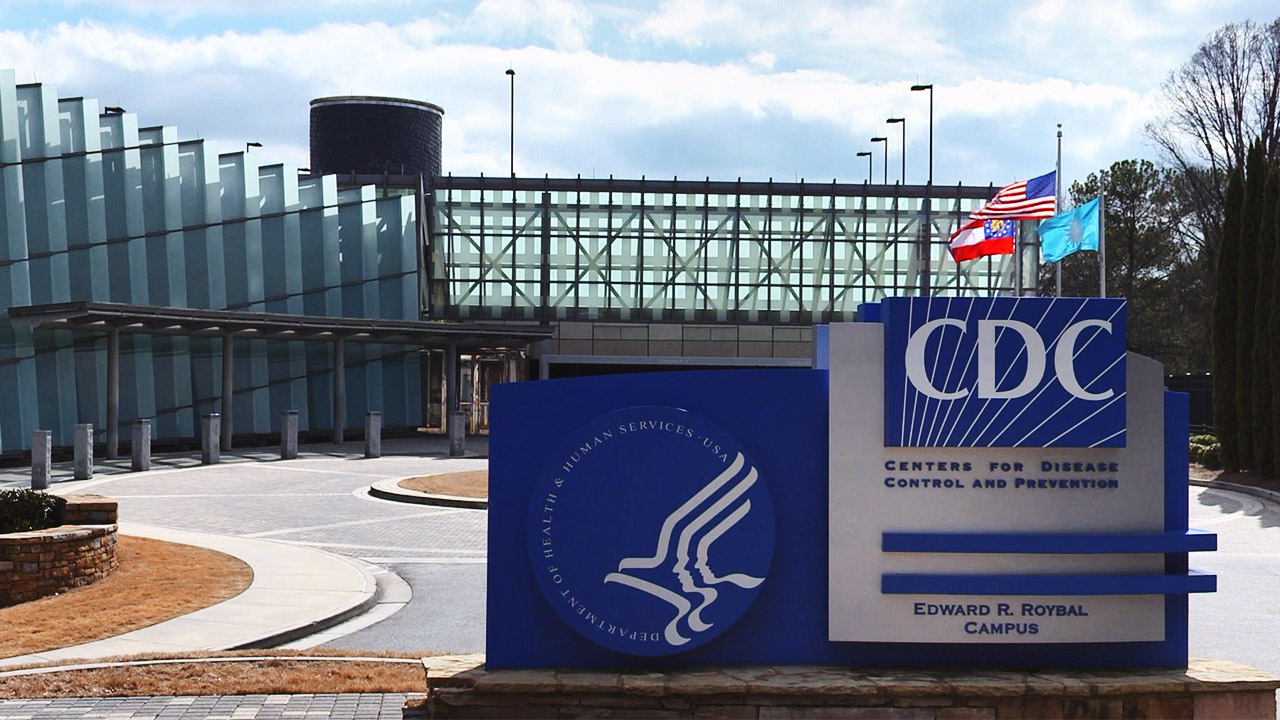
To truly grasp the essence of the CDC brand, we must first articulate its full, official designation. The acronym CDC stands for the Centers for Disease Control and Prevention. This seemingly straightforward name is, in fact, a carefully constructed identifier that immediately communicates its core functions and broad scope.
More Than Just Letters: The Significance of “Centers for Disease Control and Prevention”
The plural “Centers” is highly significant. It reflects the organization’s structure as a network of specialized divisions, institutes, and offices, each focusing on specific areas of public health, from infectious diseases and environmental health to injury prevention and chronic disease management. This distributed expertise allows the CDC to address a vast array of health challenges with depth and precision. The inclusion of “Control” and “Prevention” further clarifies its proactive and reactive mandates. “Control” speaks to the immediate responses and strategies for managing outbreaks and mitigating health threats, while “Prevention” highlights its long-term vision of safeguarding public health through research, surveillance, and education before crises emerge. This dual focus defines its operational brand strategy: to be both an emergency responder and a long-term architect of public wellness.
A Legacy of Public Health Stewardship: Historical Context and Evolution
The CDC’s brand identity is deeply rooted in its history. Founded in 1946 as the Communicable Disease Center, its initial mission was singular: to combat malaria in the southern United States. Over the decades, its mandate dramatically expanded, mirroring the evolving landscape of public health challenges. From leading the eradication of smallpox to confronting HIV/AIDS, Ebola, and now COVID-19, the CDC has consistently adapted its focus and capabilities. This continuous evolution has forged a powerful brand narrative: one of unwavering dedication, scientific adaptability, and a relentless pursuit of public well-being. Each historical challenge overcome has contributed to its institutional memory and reinforced its position as a trusted authority, building a deep reservoir of brand equity that underpins its current standing.
Mission and Mandate: The Pillars of the CDC Brand
At the heart of any strong brand lies a clear mission and mandate. For the CDC, these are not just statements on a website; they are the guiding principles that inform every action, research initiative, and public health recommendation. These pillars define what the CDC brand promises to the world.
Protecting Health, Saving Lives: The CDC’s Core Purpose
The CDC’s overarching mission can be succinctly summarized as “24/7 saving lives, protecting people.” This core purpose is the bedrock of its brand identity. It speaks to an active, vigilant role in monitoring health threats, conducting critical research, and developing interventions that prevent illness, injury, and disability. This mission is universally resonant, appealing to a fundamental human desire for safety and well-being. It positions the CDC as a guardian of public health, a brand that operates with a profound sense of responsibility and urgency, underpinning its reputation for scientific excellence and public service.
From Infectious Diseases to Chronic Conditions: Broadening the Scope
While its origins were rooted in communicable diseases, the CDC’s brand identity has successfully evolved to encompass a much broader spectrum of health issues. Today, its mandate extends to chronic diseases like heart disease, diabetes, and cancer; environmental health hazards; injury prevention; occupational safety; and even global health security. This expansion demonstrates the brand’s adaptability and comprehensive approach to public health. By addressing diverse threats, the CDC reinforces its image as a holistic public health authority, capable of tackling complex, multifaceted challenges that impact human populations across all demographics and geographies. This broad scope solidifies its brand as the authoritative source for a wide array of health information and guidance.
Global Reach and Influence: International Collaboration and Leadership
The CDC is not merely a domestic agency; it is a global brand. Its influence extends far beyond U.S. borders through robust international collaborations, emergency responses in other nations, and leadership in global health initiatives. Whether it’s supporting vaccination campaigns in Africa, tracking emerging pathogens in Asia, or assisting with disaster recovery efforts worldwide, the CDC’s global footprint is significant. This international engagement strengthens its brand as a leader in global health security, demonstrating a commitment to health equity and collective well-being that transcends national boundaries. This global perspective is a critical component of its brand strategy, projecting an image of universal concern and expertise.
Building Trust and Credibility: The CDC’s Brand Equity
Trust and credibility are the most valuable assets for any public health organization. For the CDC, these are not passively acquired but are actively built and maintained through consistent, transparent, and science-driven communication. The CDC’s brand equity hinges on its ability to be seen as an unbiased, authoritative, and reliable source of information, especially during times of crisis.
Science-Driven Communication: Transparency and Data-Backed Information
A cornerstone of the CDC brand is its commitment to science-driven communication. All guidance, recommendations, and public messaging are ideally rooted in rigorous scientific research, data analysis, and peer review. This emphasis on evidence-based information is crucial for building and sustaining trust. The brand aims to communicate complex scientific concepts clearly and accurately, making health information accessible to diverse audiences. Transparency about data, methods, and evolving understanding further reinforces this credibility, positioning the CDC as a brand that values truth and factual accuracy above all else. This strategic approach to communication is vital for maintaining its authority in a crowded information landscape.

Public Perception and Challenges: Navigating Misinformation and Skepticism
The strength of the CDC brand is continually tested by public perception, especially in an era rife with misinformation and skepticism. High-profile health crises, political polarization, and the proliferation of unverified content online can significantly challenge the public’s trust in institutions. The CDC, like many public health organizations, has faced periods where its messaging was questioned, its recommendations politicized, and its authority undermined. Managing these challenges requires not only clear communication but also a proactive strategy to counter misinformation, engage with diverse communities, and rebuild trust where it has eroded. This requires agility, humility, and a consistent focus on its core mission to protect public health, demonstrating resilience in its brand management.
The Role of Leadership and Expertise: Voices of Authority in Health Crises
During health emergencies, the faces and voices of CDC leadership and experts become critical elements of its brand. Figures like past directors and leading scientists often become the public embodiment of the institution, their expertise and calm demeanor serving to reassure and inform. Their ability to translate complex scientific concepts into actionable advice, while maintaining a professional and empathetic tone, is paramount to maintaining public confidence. These individuals act as brand ambassadors, personifying the scientific integrity and public service ethos that the CDC aims to represent, reinforcing its status as a trusted voice of authority.
The CDC’s Brand in Action: Crisis Management and Public Engagement
The true test of any brand comes during moments of crisis. For the CDC, its brand identity is most vividly demonstrated through its rapid response capabilities, its educational campaigns, and its collaborative efforts during public health emergencies. These actions cement its reputation and reinforce its role as an indispensable public health entity.
Emergency Preparedness and Response: A Brand Under Pressure
When a new disease emerges, a natural disaster strikes, or a bioterrorism threat looms, the world looks to the CDC. Its brand is activated in these critical moments, demonstrating its capacity for rapid deployment, epidemiological investigation, and the implementation of emergency control measures. From tracking outbreaks and developing diagnostic tests to issuing travel advisories and coordinating national responses, the CDC’s actions during crises define its public health brand in real-time. This preparedness and swift, decisive action are crucial for maintaining its image as a reliable guardian against health threats, demonstrating its brand promise under the most intense pressure.
Health Campaigns and Education: Shaping Public Behavior
Beyond crisis response, a significant part of the CDC’s brand work involves continuous public health education. Through various campaigns, the CDC seeks to influence public behavior, promoting healthy lifestyles, increasing vaccination rates, and raising awareness about preventable diseases. Campaigns on topics like smoking cessation, hand hygiene, nutrition, and safe driving are all strategic efforts to shape public understanding and behavior. These initiatives are a direct application of its brand mission of “Prevention,” utilizing carefully crafted messaging and diverse media channels to achieve broad public health impact. These educational efforts are vital for maintaining public health literacy and for reinforcing the CDC’s brand as an authoritative source of practical health guidance.
Partnerships and Collaborations: Strengthening the Health Ecosystem
The CDC understands that tackling complex health challenges requires a collaborative approach. Its brand strategy incorporates extensive partnerships with state and local health departments, other federal agencies, international organizations, academic institutions, and even private sector entities. These collaborations strengthen the overall public health ecosystem, leveraging diverse expertise and resources to achieve common goals. By working effectively with partners, the CDC reinforces its brand as a convener and facilitator, demonstrating its commitment to collective action and shared responsibility in safeguarding global health. This network of alliances amplifies its impact and further solidifies its position as a central player in global health leadership.
Evolving Identity: The Future of the CDC Brand
The world of public health is constantly changing, with new threats and evolving scientific understanding. For the CDC brand to remain relevant and effective, it must continuously adapt, learn from past challenges, and proactively shape its future identity.
Adapting to New Health Threats: Innovation and Agility
The emergence of novel pathogens, the increasing threat of antimicrobial resistance, and the growing impact of climate change on health demand constant innovation and agility from the CDC. Its brand must reflect a forward-thinking organization that embraces new technologies, advanced data analytics, and cutting-edge research to anticipate and respond to future health crises. This commitment to innovation is crucial for maintaining its scientific edge and ensuring its continued relevance as a global health leader, signaling a brand that is dynamic and future-proof.
Rebuilding and Reinforcing Trust: Lessons from Recent Challenges
The COVID-19 pandemic presented unprecedented challenges to public health institutions globally, including the CDC. It highlighted the critical importance of clear, consistent communication and the need to address public skepticism head-on. Moving forward, a key aspect of the CDC’s brand strategy will involve reflecting on these experiences, transparently acknowledging areas for improvement, and actively working to rebuild and reinforce public trust. This involves demonstrating renewed commitment to scientific independence, enhancing communication transparency, and strengthening community engagement, underscoring a brand that learns, adapts, and remains accountable to the public it serves.
The Enduring Importance of a Strong Public Health Brand
Ultimately, what the CDC stands for is far more than an acronym; it represents a commitment to collective well-being, a beacon of scientific authority, and a frontline defender against health threats. In an interconnected world, the strength of its brand—its identity, its mission, and the trust it inspires—is paramount. A strong CDC brand means a more informed public, a more resilient health system, and a greater capacity to navigate the health challenges of today and tomorrow. Its enduring importance lies in its ability to serve as a reliable, authoritative, and unwavering champion of public health for generations to come.
aViewFromTheCave is a participant in the Amazon Services LLC Associates Program, an affiliate advertising program designed to provide a means for sites to earn advertising fees by advertising and linking to Amazon.com. Amazon, the Amazon logo, AmazonSupply, and the AmazonSupply logo are trademarks of Amazon.com, Inc. or its affiliates. As an Amazon Associate we earn affiliate commissions from qualifying purchases.