
Jet lag, a familiar foe to seasoned travelers, is more than just feeling tired after a long flight. It’s a complex physiological phenomenon resulting from a mismatch between our internal circadian rhythm and the new local time zone. While the subjective experience can vary wildly from person to person, understanding “what jet lag feels like” in the 21st century increasingly involves a sophisticated interplay with technology. From wearable devices tracking our sleep patterns to AI-driven apps predicting our individual vulnerability, technology is transforming how we perceive, manage, and even prevent the insidious effects of crossing multiple time zones. This article will explore the multifaceted experience of jet lag, viewed through the lens of modern technological tools and insights.
The Disorientation of Your Internal Clock: A Circadian Rhythm Challenge
At its core, jet lag is a disruption of the body’s master clock, the suprachiasmatic nucleus (SCN) in the brain, which orchestrates our circadian rhythms—the roughly 24-hour cycles that regulate sleep-wake patterns, hormone release, body temperature, and other vital functions. When we rapidly cross time zones, our SCN remains synced to our point of origin, while our environment shouts a different time. This temporal confusion is the root cause of the unique disorientation that defines jet lag.
Tracking the Disruption with Wearables and Apps
Before the advent of widespread personal technology, understanding the precise impact of time zone shifts on an individual’s circadian rhythm was largely anecdotal. Today, however, wearable devices like smartwatches and fitness trackers, equipped with advanced biometric sensors, provide unprecedented insights. They monitor sleep stages (REM, deep, light), heart rate variability (HRV), skin temperature, and activity levels, painting a detailed picture of our body’s internal state. Post-flight, these devices clearly illustrate the disruption: irregular sleep onset latency, fragmented sleep, reduced deep sleep, and an altered REM cycle. Apps designed specifically for jet lag mitigation, such as Timeshifter or Entrain, utilize this data—or predicted data based on user input—to model the body’s internal clock and provide personalized recommendations for light exposure, meal times, and even caffeine intake to help resynchronize. They don’t just tell you what jet lag feels like; they show you how your body is struggling, quantified by data.
Personalized Light Therapy and AI Recommendations
One of the most powerful external cues for resetting the circadian rhythm is light exposure, particularly blue light. Historically, travelers might have simply tried to spend time outdoors. Now, sophisticated light therapy devices and smart lighting systems, often integrated with AI-powered apps, offer precise control. These technologies can emit specific wavelengths of light at optimal times, guided by an individual’s unique chronotype (whether they are a “morning lark” or “night owl”) and their travel itinerary. AI algorithms analyze a user’s sleep data, flight schedule, and desired adjustment rate to recommend exact timings for light exposure, demonstrating a tailored approach to shifting the internal clock. This precision helps mitigate the classic jet lag symptoms: that groggy, out-of-sync feeling where your body wants to sleep when it’s bright noon, or feel wide awake at 3 AM.
Physical Manifestations and Digital Diagnostics
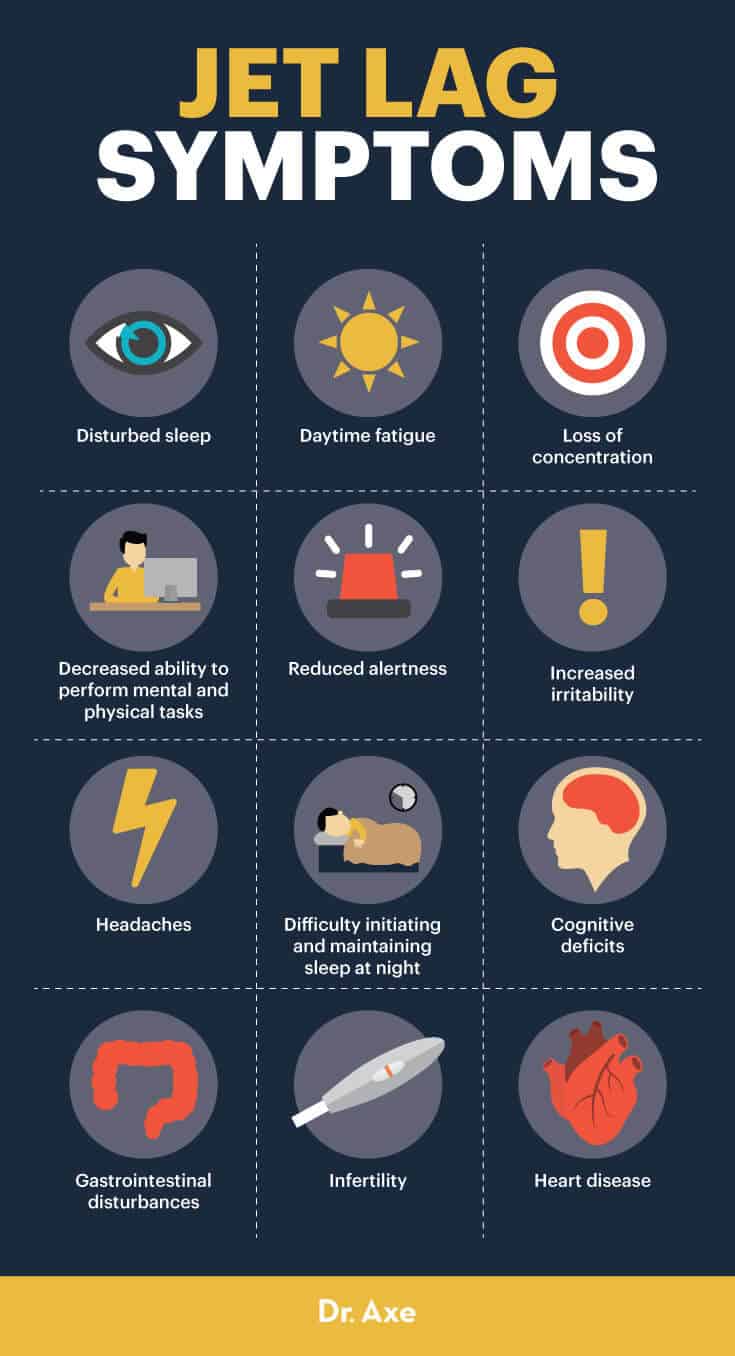
The “feeling” of jet lag extends beyond just sleepiness; it encompasses a range of physical symptoms that can severely impair daily functioning. These symptoms, once vaguely described, are now increasingly quantifiable and addressable through technological means.
Sleep Disturbances: Beyond Just Being Tired
The most prominent symptom is profound sleep disturbance. This isn’t just ordinary tiredness; it’s an overwhelming urge to sleep at inappropriate times and an inability to sleep when desired. The body struggles with insomnia at night and excessive daytime sleepiness. Wearable sleep trackers reveal the severity: increased sleep latency (taking longer to fall asleep), frequent awakenings, reduced total sleep time, and a disturbed sleep architecture (the normal cycling through sleep stages). Advanced apps can correlate these sleep metrics with flight data, providing a clear causal link. Some smart mattresses and pillows now also incorporate sensors to track sleep quality, offering insights into how the new environment or time zone might be impacting restorative sleep. Beyond mere tracking, certain devices offer gentle vibrations or soundscapes designed to promote sleep onset, acting as digital sleep aids without resorting to medication.
Digestive Distress: Gut Health in a New Time Zone
Less commonly discussed but equally impactful is the digestive distress associated with jet lag. Our digestive system operates on its own circadian rhythm, influenced by meal times and the internal clock. Rapid time zone shifts can lead to symptoms like nausea, indigestion, constipation, or diarrhea, contributing to a general feeling of malaise and discomfort. While direct tech solutions for jet lag-induced digestive issues are nascent, the broader field of digital gut health is relevant. Apps for tracking diet and bowel movements can help identify patterns and triggers in a new time zone. Furthermore, the burgeoning interest in the gut microbiome and its connection to circadian rhythms suggests future tech could involve personalized dietary recommendations or even probiotic suggestions based on genetic profiles and travel patterns, all aimed at minimizing gastrointestinal upset. Imagine an AI-powered nutrition app adjusting your meal schedule and content based on your flight plan.
Cognitive Fog: Measuring Mental Acuity with Tech
One of the most frustrating aspects of jet lag is the “cognitive fog”—a feeling of impaired mental function, difficulty concentrating, memory problems, and reduced decision-making ability. This dulling of the mind can be particularly debilitating for business travelers or anyone needing to perform complex tasks. While subjective, technology is starting to provide objective measures. Brain-training apps and cognitive performance tests can, over time, track changes in reaction time, memory recall, and focus, providing quantifiable data on the impact of jet lag. Biofeedback devices, sometimes integrated into wearables, can monitor brainwave activity (EEG) to offer insights into mental fatigue and alertness levels. The goal is not just to identify the fog but to offer micro-interventions—such as guided meditation via an app or a prompt for a quick burst of light exposure—to temporarily sharpen focus until the circadian rhythm fully adjusts.
Emotional and Psychological Impacts: Monitoring Mood and Stress

Beyond the purely physical and cognitive, jet lag profoundly impacts our emotional and psychological state. The cumulative stress of travel, sleep deprivation, and the body’s internal struggle can lead to irritability, anxiety, and even mild depressive symptoms.
Digital Well-being Tools for Mental Adjustment
The mental toll of jet lag is significant, manifesting as mood swings, increased stress, and a general feeling of being “off.” Here, digital well-being tools come into play. Mindfulness and meditation apps offer guided sessions specifically designed to reduce anxiety and promote relaxation, which can be invaluable when trying to sleep in an unfamiliar environment or calm an overstimulated mind. Mood-tracking apps allow users to log their emotional state throughout the day, helping them recognize patterns and understand how jet lag might be impacting their mental health. Some advanced wearables now incorporate features that measure skin conductance or heart rate variability to infer stress levels, alerting users to take a moment for breathwork or a short mindfulness exercise provided by an integrated app. This immediate, data-driven feedback empowers individuals to proactively address the emotional turbulence of jet lag.
The Role of Social Connectivity in Mitigating Isolation
Travel, especially solo travel, can sometimes lead to feelings of isolation, which jet lag can exacerbate. Being out of sync with friends and family in your home time zone can disrupt social connections, further impacting mood. Communication technologies, while seemingly basic, play a crucial role here. Video calls allow travelers to maintain face-to-face contact, combating loneliness. Social media can offer a sense of connection, though careful management is needed to avoid “doomscrolling” that might further disrupt sleep. Furthermore, apps designed for local discovery and meeting new people can help travelers integrate into their new environment, reducing feelings of alienation and providing social engagement during waking hours, which paradoxically can help with circadian alignment.
Proactive Tech Solutions for a Smoother Transition
The most exciting frontier in jet lag management isn’t just about reacting to symptoms but leveraging technology for proactive prevention and mitigation.
AI-Driven Pre-Flight Preparation
The battle against jet lag can begin long before takeoff. AI-driven travel planning tools, like those mentioned earlier, analyze individual chronotypes, flight details (departure, arrival, number of time zones crossed, layovers), and even personal preferences to generate highly personalized pre-flight adjustment plans. These plans might recommend gradually shifting sleep and meal times a few days before departure, adjusting light exposure, and advising on specific dietary choices. By proactively guiding the body’s circadian rhythm towards the destination time zone, these technologies aim to significantly reduce the severity of jet lag symptoms upon arrival. It’s about optimizing the physiological transition rather than forcing an abrupt change.
In-Flight and Post-Arrival Tech Interventions
During the flight, technology continues to play a role. Noise-canceling headphones can create a tranquil environment conducive to rest, while specialized apps can guide travelers through meditation or breathing exercises. Smart eye masks can block light effectively, and some even incorporate gentle warming or cooling features. Upon arrival, the smart hotel room, responsive to personal biometric data, could automatically adjust lighting, temperature, and even soundscapes to facilitate quicker adaptation. For example, a room might simulate a dawn light cycle at the appropriate local time, even if the traveler’s internal clock is still in the middle of the night. Beyond the personal, some airlines are exploring dynamic cabin lighting systems that mimic natural light cycles to help passengers adjust mid-flight, an example of large-scale tech intervention.
The Future of Jet Lag Management: Predictive AI and Integrated Health Platforms
The evolution of technology promises an even more seamless and personalized approach to combating jet lag, moving towards truly integrated health platforms.
Smart Homes and Environmental Adaptation
Imagine a smart home environment that automatically adjusts its lighting, temperature, and soundscapes based on your personalized jet lag recovery plan and real-time biometric data. As you approach your destination, your smart home could begin subtly shifting its internal environment to match the local time, aiding pre-adaptation. Upon return, it would facilitate recovery, ensuring optimal conditions for resynchronization. This goes beyond simple automation; it involves an intelligent system that learns your physiological responses and adapts the environment to support your circadian rhythm, minimizing the disruptive feelings of being “out of place” in your own home.

Continuous Biometric Monitoring for Real-Time Adjustment
The future will likely see continuous, non-invasive biometric monitoring become standard. Devices, perhaps embedded in clothing or even contact lenses, could provide real-time data on core body temperature, hormone levels, hydration, and sleep quality. AI algorithms would then instantly analyze this data to provide immediate, dynamic advice. Feeling a surge of melatonin at an inappropriate time? Your smart glasses might automatically activate light therapy. Experiencing a dip in cognitive function? Your AI assistant might suggest a brief mindfulness exercise or a specific type of nutrient. This real-time, adaptive feedback loop will transform jet lag management from a generic set of recommendations into a truly personalized, on-demand physiological optimization system, making the debilitating feelings of jet lag a thing of the past.
In conclusion, “what jet lag feels like” is an increasingly quantifiable and manageable experience thanks to the rapid advancements in technology. From tracking vital signs with wearables to receiving AI-powered personalized advice on light exposure and sleep schedules, technology is providing unprecedented insight and control over our internal clocks. As these tools become more sophisticated and integrated, the future of travel promises journeys where the disruption of time zones becomes a minor inconvenience rather than a debilitating ordeal, allowing us to truly experience our destinations without the shadow of circadian misalignment.
aViewFromTheCave is a participant in the Amazon Services LLC Associates Program, an affiliate advertising program designed to provide a means for sites to earn advertising fees by advertising and linking to Amazon.com. Amazon, the Amazon logo, AmazonSupply, and the AmazonSupply logo are trademarks of Amazon.com, Inc. or its affiliates. As an Amazon Associate we earn affiliate commissions from qualifying purchases.