
In the fast-paced world of finance, the question “What did the markets do today?” is not merely a conversational opener; it’s a critical query that echoes through trading floors, boardrooms, and living rooms alike. For investors, entrepreneurs, retirees, and everyday savers, understanding the daily gyrations of financial markets is crucial. It’s a barometer of economic health, a reflection of global sentiment, and a direct indicator of where capital is flowing and where it’s retreating. Far from being a random walk, market movements are the culmination of a complex interplay of economic data, geopolitical shifts, corporate performance, and human psychology.
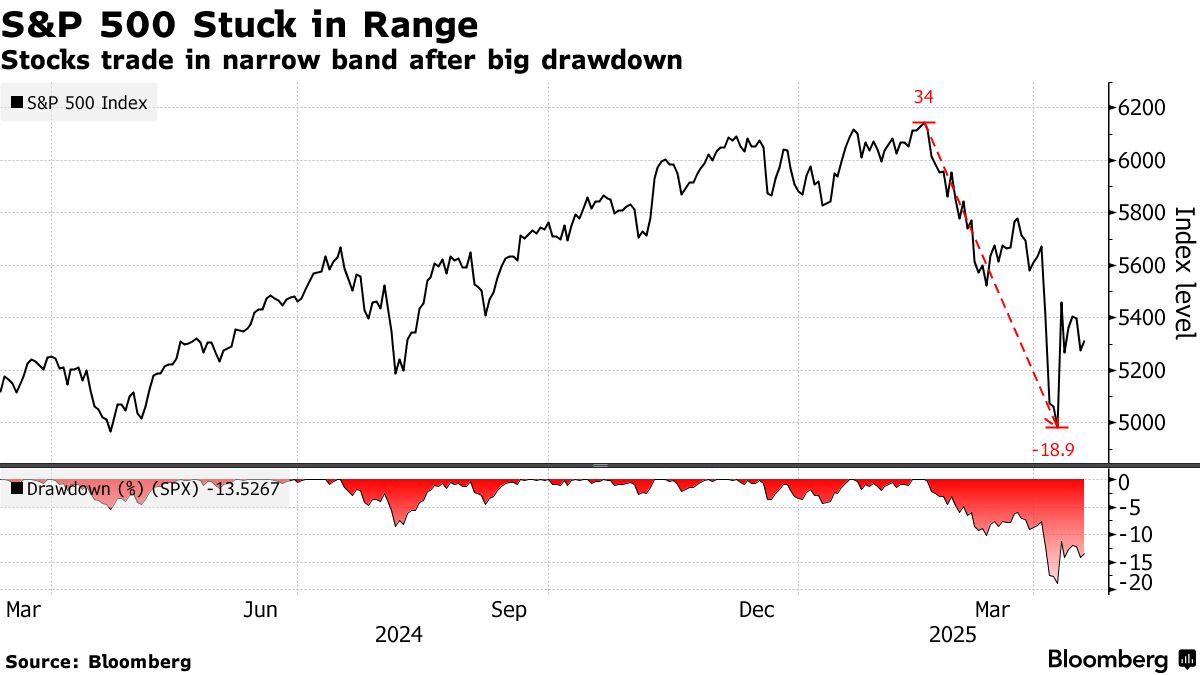
Each trading day brings its own narrative – sometimes a tale of quiet consolidation, other times a drama of sharp gains or precipitous losses. These daily movements, though often appearing chaotic, are rooted in identifiable drivers and can offer valuable insights into prevailing trends and future trajectories. Delving into “what the markets did today” means peeling back layers to understand not just the numbers, but the underlying forces shaping our financial landscape. It’s about discerning the signal from the noise, equipping ourselves with knowledge to navigate the often-unpredictable tides of investment and wealth management.
A Day in the Global Financial Arena
The global financial arena is a vast, interconnected ecosystem where billions of dollars exchange hands daily, influenced by events unfolding across continents. Understanding “what the markets did today” begins with observing the performance of key indices and asset classes that serve as bellwethers for economic sentiment and investor confidence.
Key Performance Indicators: Indices in Focus
The primary indicators of market performance are the major stock market indices. In the United States, the S&P 500 (a broad measure of 500 large U.S. companies), the Dow Jones Industrial Average (30 large U.S. blue-chip stocks), and the NASDAQ Composite (heavily weighted towards technology and growth stocks) are closely watched. Globally, indices like the FTSE 100 (UK), DAX 40 (Germany), Nikkei 225 (Japan), and Shanghai Composite (China) provide a snapshot of regional economic health.
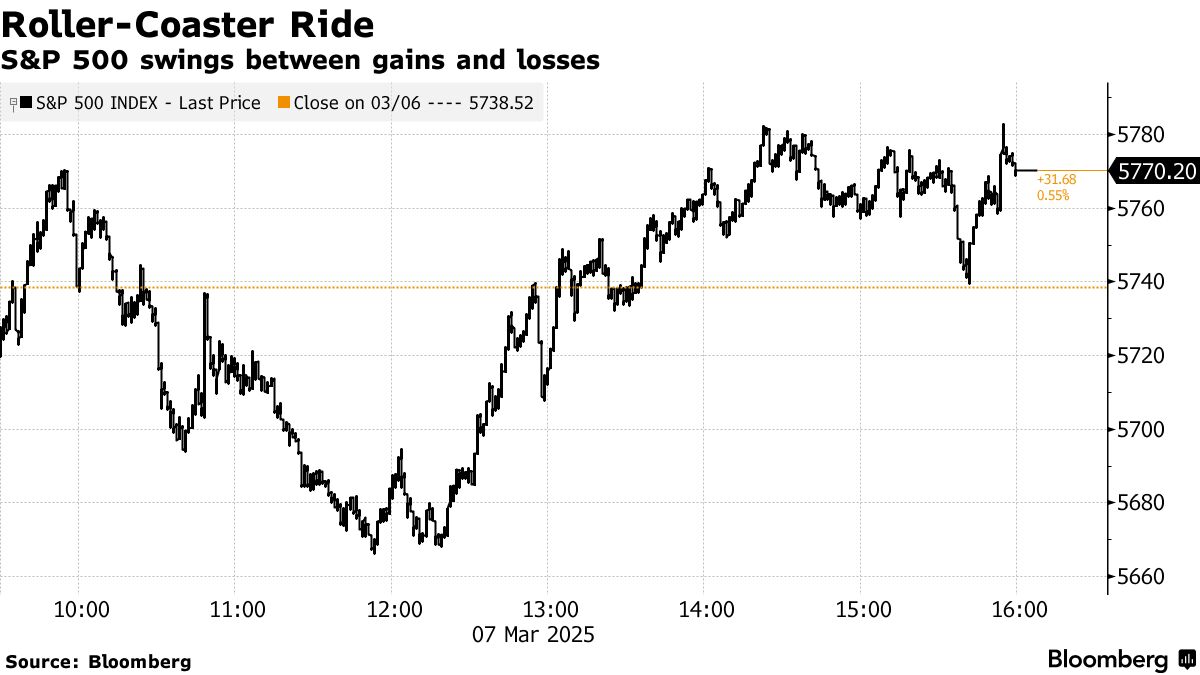
On any given day, these indices might move in tandem, reflecting broad global sentiment, or diverge, indicating specific regional or sectoral pressures. A day where the S&P 500 closes up 1% signals a generally positive sentiment, often driven by optimism about corporate earnings or economic growth. Conversely, a 2% drop in the DAX might point to concerns over European economic stability or a particular industry within the Eurozone. These movements, whether modest or significant, represent the aggregated decisions of millions of investors responding to available information. They are the initial headlines that shape the perception of the trading day.
Sectoral Shifts and Underlying Currents
Beyond the headline index numbers, a deeper dive reveals the performance of individual sectors within the market. On a day when the overall market is flat, it’s possible that the technology sector surged due to positive news from a major chipmaker, while the energy sector slumped on falling oil prices. Similarly, a robust consumer discretionary sector might signal strong consumer spending, whereas a weak healthcare sector could reflect regulatory uncertainties or pharmaceutical patent expiries.
These sectoral shifts are critical. They highlight where capital is rotating – investors might be shifting away from ‘growth’ stocks towards ‘value’ stocks, or from domestic industries to international ones, based on their evolving outlooks. Understanding these underlying currents helps in identifying emerging trends and potential areas of opportunity or risk. For instance, a persistent outperformances by defensive sectors like utilities or staples could signal investor caution, while strong showings from cyclical sectors (e.g., industrials, materials) often suggest economic expansion.
The Bond Market’s Influence
While often less publicized than equity markets, the bond market plays an equally vital role in dictating the day’s financial narrative. Government bonds, particularly U.S. Treasuries, are considered a benchmark for global interest rates and risk-free returns. When equity markets are experiencing uncertainty, investors often flock to bonds, driving up demand and pushing down yields (the return on the bond). Conversely, when investor confidence is high, money might flow out of bonds and into riskier assets like stocks, causing bond yields to rise.
The movement of bond yields, especially the 10-year Treasury yield, is a crucial indicator. Rising yields can make borrowing more expensive for companies and individuals, potentially slowing economic growth and making future corporate earnings less attractive. A “flight to safety” into bonds typically occurs during periods of geopolitical tension or economic contraction, reflecting investor fear. Thus, “what did the markets do today” is incomplete without acknowledging the subtle yet powerful influence of bond market dynamics on overall investor sentiment and capital allocation.
Drivers Behind the Day’s Movements
Financial markets are not merely reactive; they are profoundly anticipatory, constantly pricing in expectations about the future. Therefore, the daily movements are largely a result of new information or shifts in expectations driven by a myriad of factors.
Economic Data Releases: The Pulse of the Economy
Every day, a slew of economic data is released globally, acting as vital signs for the economy. These include inflation reports (e.g., Consumer Price Index – CPI, Producer Price Index – PPI), employment figures (e.g., non-farm payrolls, unemployment rate), GDP growth numbers, manufacturing and services PMIs (Purchasing Managers’ Index), and consumer confidence surveys. A surprisingly strong employment report might spark a rally in equities as investors anticipate robust consumer spending. Conversely, an unexpected surge in inflation could lead to a market sell-off, driven by fears of tighter monetary policy and higher borrowing costs.
These data points provide concrete evidence of economic trends, confirming or contradicting prevailing narratives. Market participants meticulously analyze these releases, often reacting within seconds of their publication. Positive surprises can inject optimism, while negative surprises can trigger a wave of selling, as investors adjust their portfolios to reflect the new economic reality.
Central Bank Policies and Monetary Policy Expectations
Central banks, such as the U.S. Federal Reserve, the European Central Bank (ECB), and the Bank of England (BoE), wield immense power over financial markets through their monetary policy decisions. Interest rate announcements, quantitative easing (QE) or quantitative tightening (QT) measures, and forward guidance on future policy intentions are scrutinised intently.
A central bank decision to raise interest rates, for example, makes borrowing more expensive, which can cool down an overheating economy but also dampen corporate profits and consumer spending, often leading to a negative reaction in stock markets. Conversely, a cut in interest rates can stimulate economic activity and boost asset prices. Even the language used by central bank officials in speeches or meeting minutes can sway market sentiment, as investors attempt to divine the future direction of monetary policy. Expectations about these policies are often more impactful than the actual announcements themselves, with markets tending to “price in” anticipated moves well in advance.
Geopolitical Developments and Global Events
The interconnectedness of the global economy means that events in one part of the world can ripple across financial markets everywhere. Geopolitical developments, such as trade disputes between major economic powers, political instability in key regions, armed conflicts, or even significant elections, introduce uncertainty and can trigger risk-off sentiment. For example, escalating tensions in a major oil-producing region could send crude oil prices soaring, impacting energy companies and consumer spending globally, thereby affecting inflation and interest rate expectations.
Natural disasters, pandemics, and other unforeseen global events can also cause significant market dislocations. These events often lead to sharp, unpredictable movements as investors reassess global economic growth prospects and supply chain stability. In such scenarios, safe-haven assets like gold, the U.S. dollar, and government bonds often see increased demand.
Corporate Earnings and Company-Specific News

While macroeconomic and geopolitical factors paint the broad strokes, corporate earnings reports and company-specific news provide the finer details. Strong quarterly earnings from major companies, especially those that beat analyst expectations, can propel not just individual stocks but also entire sectors or even broader indices higher. Conversely, disappointing results or a gloomy outlook from a market leader can drag down its peers and dampen overall market enthusiasm.
News such as mergers and acquisitions, significant product launches, regulatory approvals, or even management changes can have a profound impact on a company’s stock price and, by extension, its sector. For example, a pharmaceutical company announcing a breakthrough drug could see its stock soar, while a tech giant facing antitrust scrutiny might see its shares plummet. These micro-level events aggregate to form a significant part of the daily market narrative.
Understanding Volatility and Risk
The inherent nature of financial markets is that they are constantly moving, sometimes smoothly, often erratically. This movement, known as volatility, is a double-edged sword: it presents opportunities for gain but also carries the undeniable risk of loss.
The Role of Investor Sentiment and Psychology
Beyond cold, hard data, market movements are heavily influenced by the collective psychology of investors. Factors like fear, greed, optimism, and pessimism can amplify or dampen the impact of fundamental news. During periods of euphoria, investors might push asset prices beyond their intrinsic value, creating bubbles. Conversely, during panics, fear can lead to indiscriminate selling, driving prices far below their true worth. This phenomenon, often referred to as “investor sentiment” or “herd mentality,” can create irrational market movements that defy logical explanation in the short term. News cycles, social media trends, and expert opinions can all play a significant role in shaping and sometimes distorting this collective sentiment.
Navigating Market Swings: A Strategic Approach
Understanding volatility is key to mitigating risk. For long-term investors, daily market swings are often just noise. A strategic approach involves acknowledging that markets will go up and down and focusing on long-term financial goals rather than short-term fluctuations. Diversification across different asset classes (stocks, bonds, real estate, commodities), sectors, and geographies helps to spread risk. Dollar-cost averaging, investing a fixed amount regularly regardless of market levels, can help smooth out returns over time by buying more shares when prices are low and fewer when they are high. A disciplined investment strategy that aligns with one’s risk tolerance and time horizon is far more effective than trying to time the market based on daily movements.
Beyond the Daily Headlines: What This Means for You
While “what did the markets do today” provides an immediate snapshot, its true significance lies in how these daily shifts impact various stakeholders in their financial journeys and strategic planning.
For the Long-Term Investor
For individuals focused on long-term wealth accumulation for retirement, a child’s education, or other future goals, daily market movements should primarily serve as informational context, not a call to action. A disciplined approach means resisting the urge to make impulsive decisions based on a single day’s gains or losses. The power of compounding returns over decades far outweighs the impact of even significant single-day events. It’s about staying invested, regularly reviewing your portfolio against your financial plan, and rebalancing when necessary, rather than reacting to every headline.
For Short-Term Traders and Active Investors
For professional traders and active investors, daily market movements are their bread and butter. They analyze charts, technical indicators, and intra-day news to identify opportunities for quick gains. This requires a deep understanding of market mechanics, robust risk management strategies, and significant emotional discipline. While potentially lucrative, short-term trading is also highly demanding and carries substantial risk, often leading to losses for inexperienced participants. It is a specialized field that operates on a different time horizon and risk profile than long-term investing.
For Businesses and Financial Professionals
For businesses, market movements can directly impact their cost of capital, valuation, and strategic decisions. A buoyant market might facilitate easier and cheaper access to capital for expansion, while a bearish market could make fundraising challenging. Financial professionals, from portfolio managers to financial advisors, use daily market data to inform client discussions, adjust portfolio allocations, and identify potential risks or opportunities for their clients. Understanding the day’s market narrative is integral to providing sound financial advice and managing institutional funds.
Tools and Resources for Staying Informed
In today’s digital age, staying informed about market activities is easier than ever, thanks to a wealth of resources at our fingertips.
Essential Financial News Outlets
Reputable financial news outlets are indispensable. Major players like The Wall Street Journal, Bloomberg, Reuters, Financial Times, CNBC, and Yahoo Finance offer real-time updates, in-depth analysis, and expert commentary. Subscribing to their newsletters or following their live blogs can provide immediate insights into market-moving events as they unfold. These platforms often break down complex financial jargon into digestible information, catering to a broad audience from novice investors to seasoned professionals.
Data Platforms and Analytical Tools
For those seeking more granular data and analytical capabilities, platforms like TradingView, MetaTrader, FactSet, Refinitiv Eikon, and even basic brokerage platforms offer comprehensive charting tools, historical data, and various technical indicators. These tools allow users to visualize market trends, identify patterns, and perform their own due diligence. They can range from free, web-based tools to sophisticated, subscription-based terminals used by financial institutions.
The Value of a Financial Advisor
While self-education is powerful, the complexity of financial markets often warrants professional guidance. A qualified financial advisor can help interpret market movements in the context of your personal financial situation, risk tolerance, and long-term goals. They can assist in constructing a diversified portfolio, developing a robust financial plan, and providing objective advice, helping you avoid emotional decisions that can be detrimental to your wealth. Their expertise can be invaluable in navigating both calm waters and turbulent market storms.
Conclusion
“What did the markets do today?” is a question that opens a window into the intricate dance of global finance. It’s a daily report card reflecting the collective hopes, fears, and calculated decisions of millions. From the rise and fall of major indices to the subtle shifts in bond yields, every movement is driven by a confluence of economic data, central bank policies, geopolitical events, and corporate performance. While the daily fluctuations can seem overwhelming, a deeper understanding of these drivers empowers individuals and businesses to make more informed decisions. For the long-term investor, it’s a reminder to focus on strategy over sentiment; for traders, it’s the heartbeat of opportunity; and for professionals, it’s the constant challenge of navigating an ever-evolving landscape. By staying informed through reliable resources and, when needed, seeking expert guidance, we can transform the seemingly chaotic rhythm of the markets into a powerful tool for financial growth and stability.
aViewFromTheCave is a participant in the Amazon Services LLC Associates Program, an affiliate advertising program designed to provide a means for sites to earn advertising fees by advertising and linking to Amazon.com. Amazon, the Amazon logo, AmazonSupply, and the AmazonSupply logo are trademarks of Amazon.com, Inc. or its affiliates. As an Amazon Associate we earn affiliate commissions from qualifying purchases.