
Kanye West, now legally known as Ye, is a figure who defies simple categorization. From groundbreaking musician and fashion designer to controversial public personality and political aspirant, his trajectory is a masterclass in the complexities of personal branding. His actions, often polarizing and always amplified, have consistently redefined the boundaries of celebrity influence, brand loyalty, and corporate responsibility. This article delves into the meticulous construction and dramatic unraveling of one of the most powerful and, at times, volatile personal brands in modern history, examining the strategies, missteps, and indelible impact of “what Kanye West did” through the lens of brand architecture, strategy, and management. His story offers invaluable insights into how personal conduct can either elevate or dismantle even the most robust brand identities.

The Formative Years: Building the Yeezy Empire and Avant-Garde Personal Branding
Kanye West’s journey from a lauded music producer to a global cultural phenomenon was meticulously orchestrated, albeit often appearing chaotic. His early career laid the groundwork for a personal brand defined by artistic genius, uncompromising vision, and a willingness to challenge the status quo. This foundational period was crucial in establishing the credibility and mystique that would fuel his subsequent ventures, particularly in the fashion world.
From Music Icon to Fashion Mogul: The Genesis of Yeezy
Kanye West first captivated the world with his innovative music, pushing boundaries in hip-hop production and lyrical introspection. Albums like “The College Dropout” and “My Beautiful Dark Twisted Fantasy” cemented his reputation as a musical polymath and a voice of his generation. However, even in his early days, West harbored ambitions beyond music, often expressing a deep-seated passion for fashion and design. He famously interned at Fendi, launched his first clothing lines to mixed reviews, and engaged in early collaborations with giants like Nike and Louis Vuitton. These initial forays, though not always commercially successful, were pivotal. They showcased his determination to be recognized as a multi-disciplinary artist, not just a rapper. By consistently articulating his vision for fashion and design, even when met with skepticism, he began to cultivate an image of a visionary disruptor. This relentless pursuit of his fashion dreams, coupled with his established celebrity status, created the fertile ground from which the Yeezy brand would eventually emerge, transforming him from a music icon with a fashion hobby into a legitimate force in the global apparel industry.
The Power of Controversy: Using Provocation as a Branding Tool
Early in his career, Kanye West demonstrated an uncanny ability to turn controversy into currency, a strategy that became a hallmark of his personal brand. Incidents like his infamous interruption of Taylor Swift at the 2009 MTV Video Music Awards or his declaration that “George Bush doesn’t care about Black people” during a Hurricane Katrina telethon, while widely condemned, paradoxically amplified his presence. Rather than fading into obscurity, these moments cemented his image as an unfiltered, passionate, and often misunderstood genius. This strategic use of provocation served multiple purposes: it generated immense media attention, keeping him at the forefront of public discourse; it solidified his persona as an iconoclast who dared to speak uncomfortable truths; and it created a tribal loyalty among fans who saw him as an authentic rebel. For a long time, these controversial episodes were interpreted as extensions of his artistic expression, reinforcing the idea that Kanye West was an artist who transcended conventional boundaries. This approach, while risky, proved remarkably effective in an era before “cancel culture” gained its full momentum, allowing his brand to thrive on the very friction it created.
The Apex of Influence: Brand Synergy and Cultural Domination
The middle phase of Kanye West’s career witnessed the zenith of his brand power, where various facets of his persona converged to create an unparalleled cultural impact. This period was characterized by strategic partnerships and a masterful manipulation of media, elevating his personal brand to a global phenomenon that transcended music and fashion.
The Adidas Partnership: Scaling Yeezy to Billions
The collaboration between Kanye West and Adidas marked a pivotal moment in the evolution of the Yeezy brand. Launched in 2015, the Adidas Yeezy line was not merely a celebrity endorsement; it was a genuine partnership that leveraged West’s design sensibilities and unparalleled cultural cachet with Adidas’s manufacturing prowess, distribution networks, and marketing reach. The Yeezy Boost sneakers, characterized by their minimalist aesthetic and comfort, became instant sell-outs, fueling an unprecedented hype cycle. West’s strategy involved carefully orchestrated scarcity, limited drops, and a fervent community of followers, transforming sneaker culture and creating a multi-billion-dollar valuation for the sub-brand. This partnership solidified Kanye’s status as a legitimate fashion and business titan, proving that his vision could translate into massive commercial success. The symbiosis was clear: Adidas gained immense cultural relevance and a new market segment, while Kanye gained the platform and resources to scale his creative ambitions far beyond what he could achieve independently. The Adidas Yeezy saga became a case study in effective brand synergy, demonstrating how a powerful personal brand could merge with a corporate giant to achieve unprecedented market dominance.
Orchestrating the Persona: Public Life as a Marketing Campaign

Beyond products, Kanye West meticulously crafted and projected his personal life as an integral part of his brand’s marketing strategy. His marriage to reality television star Kim Kardashian created a power couple that commanded unparalleled media attention, transforming their private lives into public spectacles. Every outfit, every appearance, every social media post was scrutinized, contributing to a narrative that intertwined luxury, celebrity, and influence. This intentional blurring of lines between personal life and public persona meant that “Kanye West” was not just an artist or a designer, but a living, breathing brand entity. His album rollouts, particularly for “Donda,” became performance art, featuring elaborate listening parties in iconic venues that built anticipation to a fever pitch. He understood the power of spectacle and controversy, continuously generating buzz through unexpected pronouncements, public rants, and grand gestures. This curated chaos kept him in the headlines, ensuring constant relevance and engagement. In essence, Kanye West’s public life became an elaborate, ongoing marketing campaign, a testament to his understanding that in the modern era, a strong personal brand is built not just on talent, but on a compelling, albeit often contentious, narrative that keeps the audience perpetually intrigued.
The Cracks in the Foundation: Brand Erosion and Reputational Damage
While Kanye West’s brand thrived on controversy for many years, a significant shift occurred where his actions moved beyond artistic provocation into territories that caused profound and irreparable damage. This phase marked a critical turning point, demonstrating the limits of a brand built on disruption and the severe consequences of crossing ethical and social boundaries.
The Shift from Provocateur to Pariah: Crossing the Line
The long-standing public narrative surrounding Kanye West often excused his controversial behavior as the eccentricities of a genius, an artist pushing boundaries. However, a distinct shift occurred where his pronouncements moved from being merely provocative to genuinely offensive, particularly his embrace of antisemitic rhetoric and conspiracy theories. These statements, made across various platforms including social media, interviews, and public appearances, were not perceived as artistic expressions or challenging critiques, but rather as hateful and dangerous. This marked a crucial deviation from his earlier controversies, which, while jarring, often retained an element of social commentary or personal grievance. The new rhetoric, however, targeted entire communities and propagated harmful stereotypes, leading to widespread condemnation. The label of “provocateur” rapidly morphed into “pariah.” This moment highlighted a critical lesson in personal branding: there is a significant difference between challenging norms and endorsing hate speech. The latter irrevocably taints a brand’s core values, alienating not just critics but also erstwhile supporters and the broader public who demand a basic level of social responsibility from influential figures.
The Cost of Alienation: Corporate Backlash and Partnership Ruptures
The consequences of Kanye West’s increasingly inflammatory remarks were swift and severe, leading to an unprecedented corporate backlash that served as a stark warning about brand safety in the modern era. Major global brands, including Adidas, Gap, and Balenciaga, which had previously invested billions in their partnerships with West, rapidly distanced themselves. Adidas, in particular, terminated its highly lucrative Yeezy collaboration, citing West’s unacceptable comments and the immediate reputational risk they posed. This decision alone was estimated to cost Adidas hundreds of millions in sales and represented a monumental financial loss for West, effectively dismantling a significant portion of his billion-dollar empire. Similarly, Gap ceased its Yeezy Gap initiative, and Balenciaga removed him from campaigns and severed ties. Talent agency CAA also dropped him, signifying a complete professional ostracization. These ruptures were not merely about financial calculations; they underscored a fundamental incompatibility between West’s increasingly toxic rhetoric and the carefully cultivated brand values of these corporations. In an era where consumers demand social responsibility and ethical conduct from the brands they support, associating with a figure propagating hate speech became an untenable risk, demonstrating that even the most iconic personal brands are not immune to the severe penalties of alienation when ethical boundaries are profoundly crossed.
Rebuilding or Redefining? The Future of the Kanye West Brand
Following the catastrophic brand erosion, the question remains whether the Kanye West brand can ever be rehabilitated or if it must be entirely redefined. His current trajectory presents a complex study in brand resilience, the challenges of public apology, and the enduring power of creative legacy amidst profound controversy.
Navigating the Aftermath: Strategies for Brand Rehabilitation (or Lack Thereof)
The path to brand rehabilitation for Kanye West is fraught with immense challenges. Unlike earlier controversies where a compelling musical release or a period of strategic silence could often reset the narrative, the nature and severity of his more recent actions demand a different approach. A genuine, sustained, and unequivocal apology for his antisemitic remarks, coupled with demonstrable efforts to educate himself and make amends, would be a critical first step. However, West’s past responses have often been characterized by defiance, doubling down, or offering explanations that fail to acknowledge the harm caused. For a brand so deeply intertwined with the persona of the individual, separating the artist from the person becomes almost impossible when the personal conduct is deemed reprehensible. Potential strategies could involve focusing exclusively on creative output without the accompanying inflammatory rhetoric, engaging in philanthropic endeavors that genuinely address the communities he has harmed, or even a prolonged period out of the public eye. Yet, without a fundamental shift in his public persona and a clear commitment to respectful engagement, the rehabilitation of the “Kanye West” brand in its original form appears to be a monumental, if not insurmountable, task.
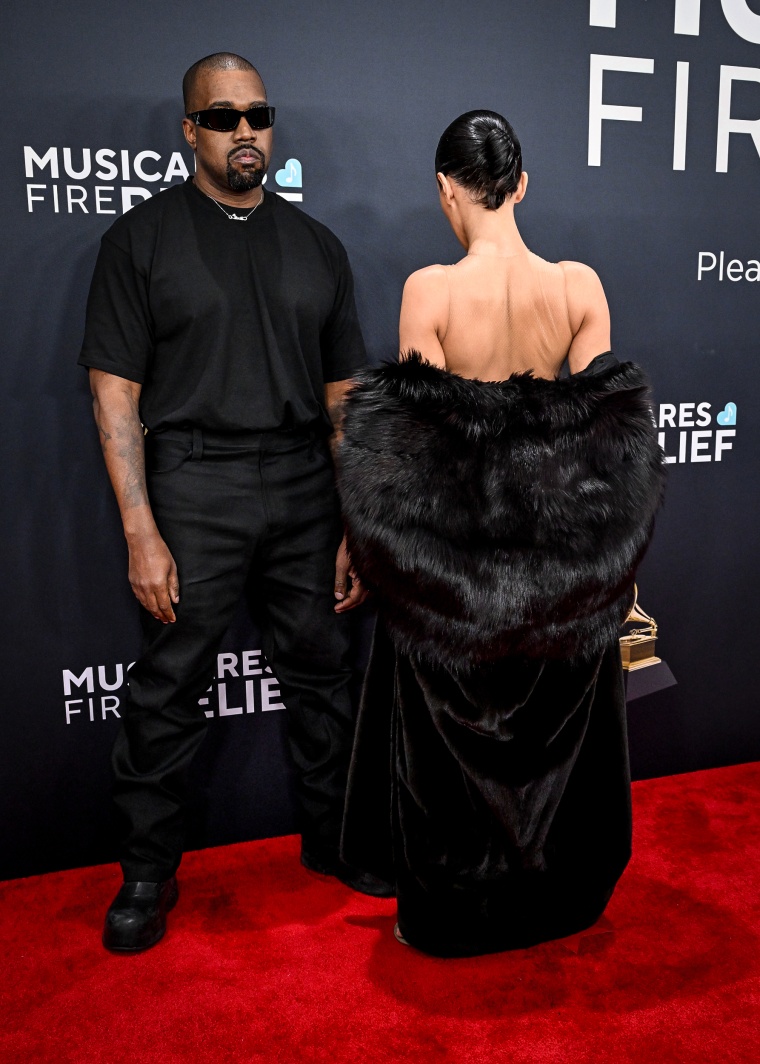
The Enduring Legacy and the Unpredictable Path Forward
Despite the extensive damage to his brand and the dissolution of major partnerships, Kanye West’s creative legacy remains undeniable. His profound influence on music, fashion, and culture is woven into the fabric of the 21st century. The challenge lies in how future generations will reconcile his artistic genius with his personal controversies. This dichotomy poses a unique branding dilemma: can the art truly be separated from the artist, or does the artist’s conduct forever color the perception of their creations? The unpredictability of Kanye West’s path forward is a defining characteristic of his brand. He has consistently defied expectations, and it is conceivable that he might attempt to build new ventures that operate outside traditional corporate structures, relying solely on a direct-to-consumer model or niche communities that remain loyal. His story serves as a critical case study for other personal brands, highlighting that authenticity and disruption, while powerful, must eventually contend with accountability and ethical responsibility. The Kanye West brand, in its current state, is a stark reminder that even a carefully constructed empire can crumble if its foundation is eroded by actions that transgress fundamental societal values, leaving a complex legacy that will be debated for years to come.
In conclusion, “what Kanye West did” is a saga that encapsulates the triumphs and perils of personal branding in the digital age. From the audacious construction of the Yeezy empire built on creative genius and strategic controversy to its dramatic unraveling due to incendiary rhetoric, his journey offers an unparalleled look at the intricate dance between individual expression, commercial success, and ethical responsibility. His story underscores the undeniable power of a charismatic personality to shape cultural landscapes, but also the fragile nature of reputation and the ultimate price of alienating stakeholders. The Kanye West brand stands as a complex, multifaceted entity – a testament to bold vision, yet also a cautionary tale of how even the most formidable personal brands can face profound erosion when ethical boundaries are disregarded.
aViewFromTheCave is a participant in the Amazon Services LLC Associates Program, an affiliate advertising program designed to provide a means for sites to earn advertising fees by advertising and linking to Amazon.com. Amazon, the Amazon logo, AmazonSupply, and the AmazonSupply logo are trademarks of Amazon.com, Inc. or its affiliates. As an Amazon Associate we earn affiliate commissions from qualifying purchases.