
Sean “Diddy” Combs is not merely a musician, producer, or entrepreneur; he is, fundamentally, a brand architect par excellence. His multifaceted career, spanning over three decades, serves as an unparalleled case study in personal branding, corporate identity development, strategic marketing, and the audacious art of brand reinvention. To ask “what did Diddy Combs do” is to inquire into the very mechanics of how a singular personality can be transformed into a sprawling, multi-billion-dollar empire, consistently adapting and expanding its influence across diverse industries. This article delves into the strategic branding maneuvers that define Diddy’s legacy, dissecting the principles that have allowed him to build, maintain, and evolve one of the most recognized and valuable personal brands in contemporary culture.
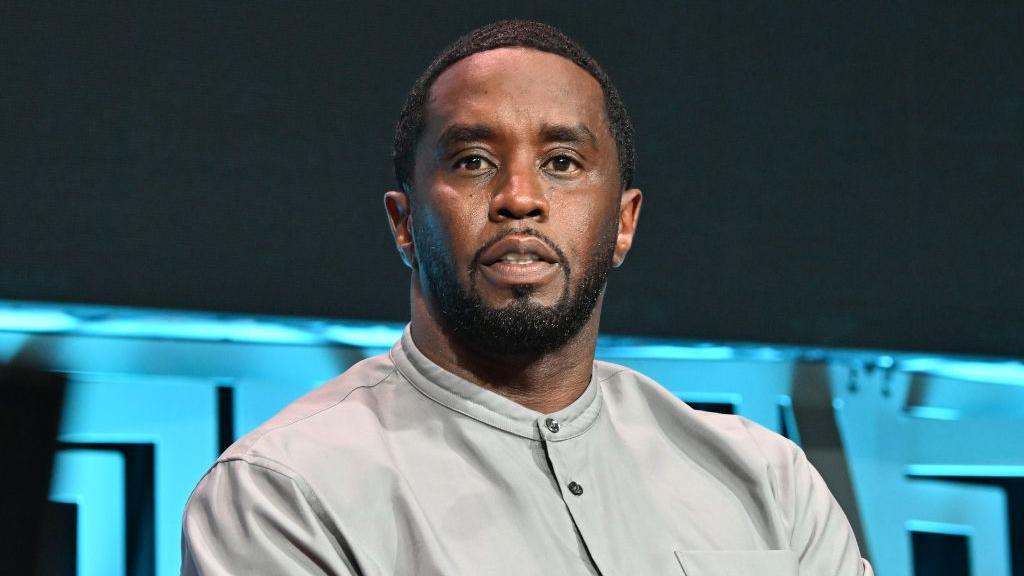
The Art of Personal Brand Reinvention: A Chameleon of Cultural Influence
One of Diddy’s most defining brand characteristics is his mastery of personal brand reinvention. Unlike many public figures who cling to a single persona, Diddy has consistently, and successfully, shifted his identity, each iteration serving a strategic purpose in his broader brand narrative. This adaptability is not merely cosmetic; it reflects a deep understanding of market trends, audience expectations, and the power of narrative control.
From Puff Daddy to Diddy: Strategic Naming and Image Shifts
Sean Combs’ journey through various monikers—Puff Daddy, P. Diddy, Diddy, and even Brother Love for a brief stint—is a deliberate exercise in personal branding. Each name change marked a pivot, signaling an evolution in his artistic direction, business focus, or public image. “Puff Daddy” embodied the brash, opulent aesthetic of the Bad Boy era, a direct reflection of hip-hop’s ascendancy in the mainstream. It was loud, luxurious, and unapologetically aspirational. As his business acumen grew and his ventures diversified beyond music, the shift to “P. Diddy” and then simply “Diddy” represented a maturation, a transition from a music mogul to a global entrepreneur. The names became more streamlined, signifying a more serious, established brand persona, less tied to a specific musical genre and more to an overarching lifestyle and business philosophy. This strategic naming ensured that his personal brand remained fresh and relevant, allowing him to shed old associations that might hinder new ventures, while retaining the core essence of his identity. It demonstrated a willingness to shed skin, ensuring his brand never became stagnant or predictable, a crucial element for sustained relevance in a fast-paced cultural landscape.
Leveraging Cultural Authenticity for Brand Resonance
A cornerstone of Diddy’s personal brand is its perceived authenticity and connection to urban culture. From his early days, he positioned himself as an arbiter of cool, a tastemaker whose success was rooted in his lived experience and understanding of aspirational desires. This authenticity wasn’t merely projected; it was embedded in his narrative, from his rags-to-riches story to his unwavering commitment to hip-hop. This strong cultural foundation allowed his brand to resonate deeply with specific demographics, building a loyal following that trusted his taste and vision. When Diddy endorsed a product or launched a new venture, it carried the weight of his cultural capital. This authenticity extended to his aesthetic—the fashion, the music videos, the lifestyle depicted—all contributed to a coherent brand identity that felt genuine and aspirational to his target audience. In an increasingly skeptical consumer environment, building a brand on perceived authenticity creates a powerful bond, fostering trust and fostering a community around the brand’s values.
The Power of Collaboration and Association
Diddy has masterfully utilized collaboration and association to amplify his personal brand and extend its reach. His early career was built on producing and collaborating with a roster of iconic artists, each association bolstering his reputation as a hitmaker and industry power player. Beyond music, his brand has consistently aligned with other influential figures, luxury brands, and high-profile events. The key here is not just celebrity endorsement, but strategic partnership where Diddy’s brand either elevates or is elevated by the association. His partnership with Cîroc vodka, for instance, wasn’t just a simple endorsement deal; it was a deep equity partnership that saw him actively involved in marketing and strategy, leveraging his personal brand to transform a relatively unknown spirit into a household name. These collaborations allowed him to tap into new markets, diversify his brand’s appeal, and constantly regenerate interest, proving that a strong personal brand is often the sum of its most impactful relationships.
Building a Multi-Industry Brand Conglomerate: Extending Influence Beyond Music
Beyond his personal brand, Diddy is renowned for his ability to translate individual charisma into diverse, successful corporate entities. His journey exemplifies how a powerful personal brand can serve as the launchpad for a multi-industry conglomerate, each venture meticulously designed to reinforce and expand the overall brand ecosystem.
Bad Boy Entertainment: The Core Identity and Launchpad
Bad Boy Entertainment, founded in 1993, wasn’t just a record label; it was the foundational corporate brand for Diddy’s empire. It encapsulated an entire aesthetic, sound, and lifestyle that defined an era of hip-hop. The Bad Boy brand was synonymous with luxury, swagger, and street credibility. Diddy painstakingly curated its roster, sound, and visual identity, ensuring every artist and release contributed to a coherent, dominant brand narrative. This central corporate identity provided a powerful platform for Diddy’s personal brand, while also building equity in its own right. It demonstrated the power of creating a distinct brand universe, where the sum was greater than its parts, and every element – from album art to music videos – reinforced a consistent, aspirational message. Bad Boy proved that a record label could be more than just a distribution channel; it could be a cultural institution, a lifestyle brand.
Sean John: Translating Personal Style into a Global Fashion Brand
The launch of Sean John in 1998 was a pivotal moment, signaling Diddy’s ambition to transcend music and establish a direct connection with consumers through lifestyle products. Sean John was a direct extension of Diddy’s personal style—a blend of urban cool, sophisticated tailoring, and aspirational luxury. This wasn’t merely celebrity merchandise; it was a deliberate attempt to create a legitimate fashion house. The brand’s success lay in its ability to translate Diddy’s personal brand attributes (affluence, style, confidence) into tangible products that resonated with a broad audience, particularly those who aspired to the “Diddy lifestyle.” Winning a CFDA Award for Menswear Designer of the Year solidified its credibility within the notoriously exclusive fashion industry, proving that a celebrity-backed brand could achieve genuine design recognition and market penetration, all while leveraging the inherent star power of its founder. It’s a testament to understanding target demographics and delivering on the promise of the brand.
Cîroc Vodka: A Blueprint for Celebrity Endorsement and Equity Partnerships

Perhaps one of Diddy’s most significant branding triumphs outside of music is his partnership with Cîroc vodka. This was not a typical endorsement deal; Diddy entered into a 50/50 profit-sharing agreement with Diageo, making him a true equity partner. His role went far beyond simply being the face of the brand; he became deeply involved in marketing strategy, product placement, and brand activation. Diddy leveraged his entire brand ecosystem—his music, his network, his events, his social media presence—to transform Cîroc from an obscure spirit into a premium, sought-after vodka. This case study demonstrates the power of authentic integration between a personal brand and a corporate product. Diddy infused Cîroc with the aspirational lifestyle synonymous with his brand, making it the drink of choice for celebrations and high-status events. This strategic partnership showcased how a celebrity’s brand equity, when deployed authentically and strategically, can drive exponential growth for a product, effectively becoming a co-owner and architect of its success rather than just a paid promoter.
Marketing and Design at the Core: Communicating the Diddy Brand
The enduring strength of the Diddy brand, across all its manifestations, is largely due to a consistent and innovative approach to marketing and design. Every touchpoint, from album covers to fashion campaigns to spirit advertisements, has been carefully crafted to convey a cohesive message of luxury, aspiration, and cultural leadership.
Storytelling and Narrative Control
Diddy has always been a master storyteller. His personal narrative—from Harlem to industry titan—is compelling. He consistently weaves this narrative into his music, his interviews, and the marketing of his ventures. The “Bad Boy for Life” mantra, for instance, wasn’t just a song; it was a brand declaration, a statement of resilience and longevity. He controls his narrative by proactively shaping public perception, highlighting his entrepreneurial spirit, his dedication to quality, and his relentless pursuit of excellence. This narrative control creates a consistent brand story that resonates emotionally with audiences, fostering loyalty and a sense of connection. By continuously reinforcing key themes, he ensures that his brand identity remains clear and impactful, even as it evolves.
Visual Identity and Aesthetic Consistency
Visual identity is paramount to branding, and Diddy’s empire has always maintained a strong, recognizable aesthetic. From the iconic Bad Boy logo to the sleek, luxurious imagery associated with Cîroc, there’s a consistent thread of high production value, aspirational luxury, and urban chic. His personal style, often featuring tailored suits, designer streetwear, and flashy accessories, has heavily influenced the visual language of his brands. Sean John fashion shows were theatrical spectacles, and Cîroc advertisements are always polished and glamorous. This commitment to a high-quality, consistent visual identity ensures that the Diddy brand is instantly recognizable and always projects an image of success and sophistication, reinforcing its premium positioning across all categories.
Experiential Marketing and Event Prowess
Diddy understood early on the power of experiential marketing. His parties, events, and lavish music videos were not just entertainment; they were immersive brand experiences. They allowed his audience to vicariously or directly participate in the “Diddy lifestyle,” creating memorable connections and reinforcing the aspirational qualities of his brand. From the infamous “White Parties” to high-profile concerts and brand launch events, Diddy leveraged his network and resources to create buzzworthy experiences that generated significant media attention and fostered a sense of exclusivity and desirability around his brands. These events served as powerful marketing tools, creating indelible memories and strong emotional ties that extended beyond simple product consumption.
The Legacy of a Brand Architect: Enduring Impact and Future Trajectories
To understand what Diddy Combs did is to appreciate his enduring impact as a brand architect who redefined the possibilities for personal and corporate branding in the modern era. His career is a testament to foresight, resilience, and an unwavering commitment to brand excellence.
Mentorship and Empowerment as Brand Attributes
In recent years, Diddy has increasingly incorporated themes of mentorship, empowerment, and community building into his brand narrative. Initiatives like “Revolt TV,” aimed at empowering Black voices and content creators, and his educational endeavors, signal a shift towards a more purpose-driven brand. This strategic evolution adds depth and gravitas to his existing brand, positioning him not just as a successful entrepreneur but as a thought leader and advocate for social and economic empowerment. By aligning his brand with causes beyond pure commerce, he ensures continued relevance and resonates with a new generation of socially conscious consumers and entrepreneurs, reinforcing his legacy beyond mere financial success.
Adaptability in a Dynamic Market
The longevity of Diddy’s brand is a direct result of its inherent adaptability. He has navigated seismic shifts in the music industry, fashion trends, and media consumption habits. His willingness to reinvent, divest, and invest in new areas (from digital media to cannabis) demonstrates a keen understanding of market dynamics and a proactive approach to staying ahead of the curve. This adaptability is a core brand strength, ensuring that the Diddy brand remains agile, forward-thinking, and perpetually in sync with evolving cultural landscapes.

Measuring Brand Value and Influence
Ultimately, what Diddy Combs did was build an immeasurable brand value rooted in influence, aspiration, and cultural impact. His enterprises are not just financially successful; they have shaped cultural narratives, influenced fashion, and set benchmarks for celebrity entrepreneurship. The “Diddy” brand today is a testament to the power of strategic vision, relentless execution, and an innate understanding of how to connect with and motivate audiences. His journey offers invaluable lessons for anyone looking to build a powerful personal brand or a lasting corporate identity, demonstrating that with courage, creativity, and consistent messaging, a brand can indeed become bigger than the sum of its parts, leaving an indelible mark on culture and commerce.
aViewFromTheCave is a participant in the Amazon Services LLC Associates Program, an affiliate advertising program designed to provide a means for sites to earn advertising fees by advertising and linking to Amazon.com. Amazon, the Amazon logo, AmazonSupply, and the AmazonSupply logo are trademarks of Amazon.com, Inc. or its affiliates. As an Amazon Associate we earn affiliate commissions from qualifying purchases.