
At the heart of nearly all life on Earth lies a unassuming yet profoundly powerful molecule: chlorophyll. This green pigment, predominantly found in plants, algae, and cyanobacteria, orchestrates the most critical biochemical reaction on our planet – photosynthesis. More than just giving leaves their verdant hue, chlorophyll acts as nature’s primary photovoltaic system, converting raw solar energy into chemical energy that fuels ecosystems and, increasingly, inspires cutting-edge technological advancements.
Understanding “what chlorophyll does” is not merely an exercise in botanical knowledge; it’s a deep dive into an exquisitely efficient natural process that provides blueprints for solving some of humanity’s most pressing challenges. From renewable energy generation to sustainable agriculture and the development of novel materials, the functional principles of chlorophyll are being reverse-engineered, mimicked, and augmented by modern technology, positioning it as a cornerstone of green tech and bio-inspired innovation. This exploration delves into the sophisticated mechanics of chlorophyll and unpacks the technological applications and future prospects it continues to unlock.

The Core Mechanism: Chlorophyll as a Biological Photovoltaic
Chlorophyll’s primary role is deceptively simple: absorb light and initiate energy conversion. However, the sophistication with which it executes this task rivals any human-engineered solar cell, boasting efficiencies that continue to astound scientists and engineers. Its mechanism is a masterclass in molecular design and energetic transformation, forming the bedrock of life’s energy supply.
Light Absorption and Energy Conversion: Nature’s Quantum Engine
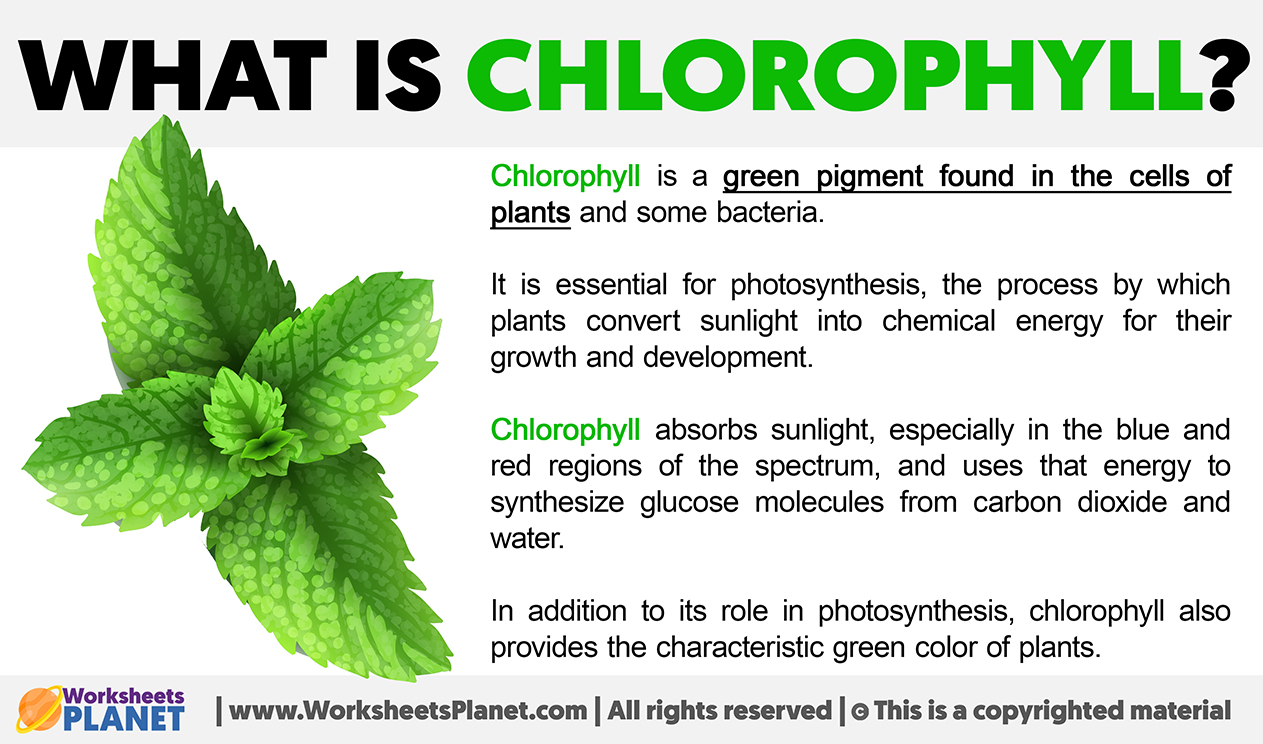
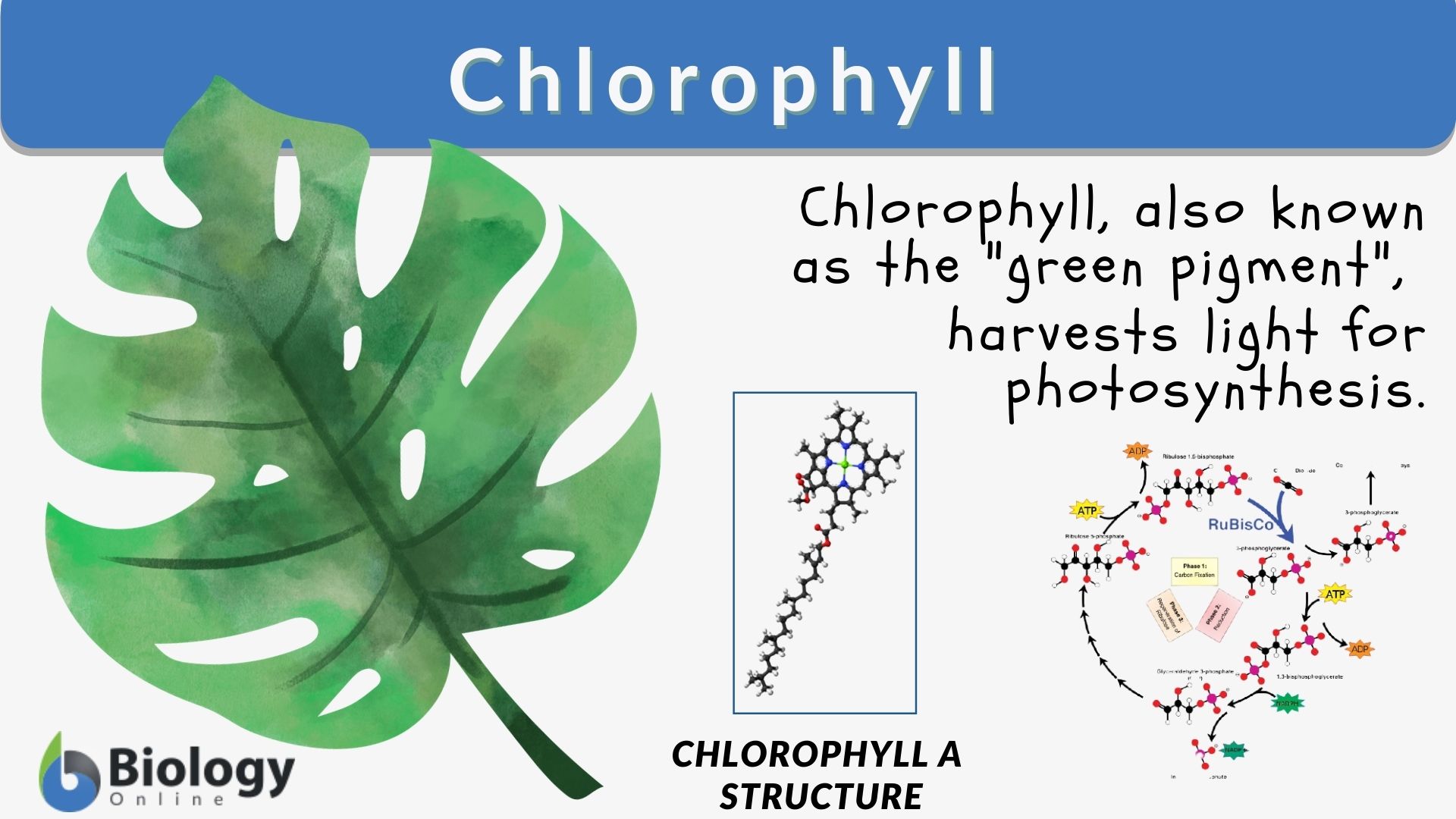
The magic of chlorophyll begins with its unique chromophore structure, specifically its porphyrin ring with a central magnesium ion. This structure is precisely tuned to absorb light energy, primarily in the blue and red parts of the electromagnetic spectrum, reflecting the green light we perceive. When a photon strikes a chlorophyll molecule, it excites an electron to a higher energy state. Unlike typical photothermal reactions where this energy is lost as heat, chlorophyll’s molecular architecture is part of a larger protein complex called a photosystem, which funnels this excited electron through an intricate electron transport chain.
This electron transfer is the essence of energy conversion. It’s akin to a biological electrical circuit where the flow of electrons drives a series of reactions. In Photosystem II, this energy is used to split water molecules, releasing oxygen (a vital byproduct for aerobic life) and generating protons. These protons create an electrochemical gradient across the thylakoid membrane within chloroplasts, which is then harnessed by ATP synthase – a molecular motor that produces adenosine triphosphate (ATP), the universal energy currency of cells. Simultaneously, electrons move through Photosystem I, eventually leading to the reduction of NADP+ to NADPH, another crucial energy carrier. Together, ATP and NADPH power the Calvin cycle, where carbon dioxide is fixed into glucose, starch, and other organic compounds. This entire process is a quantum-efficient energy harvest, optimized over billions of years of evolution, making it a prime subject for bio-mimicry in sustainable energy technology.
Structural Ingenuity: Optimizing Light Capture and Energy Transfer
The efficiency of chlorophyll isn’t just about its individual molecular properties but also its precise organization within the chloroplast. Chlorophyll molecules are embedded in sophisticated light-harvesting complexes (LHCs), which act like miniature satellite dishes, gathering photons from a broad area and funnelling their energy with remarkable precision to a central reaction center. This antenna system ensures that even low-intensity light can be effectively captured and utilized.
The intricate arrangement of chlorophyll molecules, along with accessory pigments like carotenoids, allows for a wide spectral absorption range and minimizes energy loss. The energy transfer within these complexes occurs through a process called Förster Resonance Energy Transfer (FRET), where excitation energy jumps between closely spaced pigment molecules without the emission of a photon. This rapid, non-radiative transfer mechanism is incredibly efficient, ensuring nearly all captured light energy reaches the reaction center where the primary charge separation takes place. The architectural genius of these photosynthetic units, from the nanoscale precision of pigment arrangement to the macroscopic structure of chloroplasts within plant cells, offers invaluable insights for material scientists and engineers designing next-generation solar energy devices, optical sensors, and even advanced computing substrates.
Bio-Inspired Tech: Mimicking Nature’s Design
The profound efficiency and elegance of chlorophyll’s function have long captivated scientists and engineers, prompting a concerted effort to translate these biological principles into tangible technological solutions. Bio-inspired design, or biomimicry, seeks to emulate nature’s time-tested innovations to address contemporary challenges, and chlorophyll stands as one of nature’s most compelling inspirations.
Artificial Photosynthesis: Developing Sustainable Energy Solutions
One of the most ambitious and potentially transformative areas of chlorophyll-inspired technology is artificial photosynthesis. The goal is to replicate the natural process of converting sunlight, water, and carbon dioxide into chemical fuels, essentially creating “solar fuels.” Unlike traditional photovoltaics that generate electricity, artificial photosynthesis aims to produce energy-dense chemical bonds, such as hydrogen fuel from water splitting, or liquid fuels from CO2 reduction, which can be stored and transported more easily than electricity.
Researchers are developing complex catalytic systems that mimic the light-harvesting, charge separation, and catalytic functions of chlorophyll and its associated enzymes. This involves designing semiconductor materials capable of absorbing sunlight, integrating molecular catalysts that can efficiently split water into oxygen and protons/electrons, and developing other catalysts that can reduce CO2 into valuable chemicals like methanol or methane. Breakthroughs in nanomaterials, electrochemistry, and photocatalysis are bringing this vision closer to reality. Devices are being developed that combine light absorbers with catalysts in a single unit, promising a future where solar energy isn’t just converted to electricity but directly into storable, carbon-neutral fuels, fundamentally altering our energy landscape and mitigating climate change.
Smart Agriculture and Crop Optimization: Leveraging Chlorophyll Understanding
Beyond grand energy schemes, the understanding of “what chlorophyll does” is revolutionizing more immediate and practical sectors, particularly agriculture. Chlorophyll content is a direct indicator of plant health, photosynthetic capacity, and nutritional status. Modern technology leverages this insight to create “smart” farming systems that optimize crop growth and resource utilization.
Advanced sensors, often mounted on drones, satellites, or ground-based robots, are designed to measure the spectral reflectance of plant canopies. Because chlorophyll absorbs specific wavelengths and reflects others, changes in the spectral signature can indicate stress factors such as nutrient deficiencies, water scarcity, disease, or pest infestations before they are visible to the human eye. This data, combined with AI and machine learning algorithms, enables precision agriculture. Farmers can receive real-time insights into the health of individual plants or specific sections of their fields, allowing for targeted application of water, fertilizers, and pesticides. This reduces waste, lowers operational costs, minimizes environmental impact, and ultimately increases crop yields and food security. Furthermore, genetic engineering and CRISPR technologies are being explored to enhance photosynthetic efficiency by modifying chlorophyll synthesis or optimizing the arrangement of photosystems, pushing the biological limits of crop productivity.
From Pigment to Product: Chlorophyll in Modern Applications
The utility of chlorophyll extends beyond its inspiration for energy and agriculture; its unique properties are being directly harnessed in various consumer products and industrial applications. From health supplements to sustainable materials, chlorophyll is transitioning from a biological curiosity to a functional ingredient and design principle.
Nutraceuticals and Health Tech: Chlorophyll’s Role in Dietary Supplements
Liquid chlorophyll and chlorophyllin (a semi-synthetic derivative) have gained considerable traction in the nutraceutical industry, marketed as “superfoods” with a range of health benefits. While scientific research is ongoing and often preliminary, proposed benefits include antioxidant properties, detoxification, wound healing, body deodorization, and even potential anti-carcinogenic effects. The fascination stems from chlorophyll’s structural similarity to heme in hemoglobin, leading to hypotheses about its blood-building potential, though this is largely unproven.
From a tech perspective, the focus here is on extraction technologies that efficiently isolate chlorophyll from plant sources (like alfalfa or spirulina) and on formulation science to ensure its stability and bioavailability in supplement form. Advances in encapsulation and delivery systems aim to protect chlorophyll from degradation and maximize its absorption in the human body. As consumer demand for natural and functional ingredients grows, research into the therapeutic potential and optimal delivery of chlorophyll compounds continues to be a vibrant area within health tech, bridging biochemistry with consumer wellness.
Green Chemistry and Sustainable Materials: Leveraging Chlorophyll Derivatives
The inherent sustainability of chlorophyll — being a natural, abundant, and biodegradable compound — makes it an attractive candidate for green chemistry and the development of sustainable materials. Its vibrant color, for instance, makes it a natural dye, reducing reliance on synthetic, often petrochemical-derived colorants in textiles, food, and cosmetics.
Beyond color, chlorophyll derivatives and the principles of its molecular structure are inspiring the creation of novel functional materials. Researchers are exploring its use in developing bio-based plastics and composites, where chlorophyll could act as a sustainable additive or even a structural component. The light-absorbing and electron-transfer properties are also being investigated for use in organic electronics, such as bio-solar cells and sensors, where it could replace less environmentally friendly synthetic pigments. As the global push for circular economies and reduced environmental impact intensifies, chlorophyll stands out as a versatile, eco-friendly resource with significant potential for innovating material science and chemical engineering.
The Future of Chlorophyll-Driven Innovation
The journey of understanding “what chlorophyll does” is far from over. As our scientific tools become more sophisticated and our ability to manipulate matter at the molecular level advances, the potential for chlorophyll-inspired and chlorophyll-derived technologies continues to expand into exciting new frontiers.
Advanced Sensor Technology: Real-Time Monitoring and Diagnostics
The principle of using chlorophyll’s light interaction for plant health monitoring is evolving rapidly. Future sensor technologies will move beyond simple spectral analysis to more nuanced diagnostics. This includes portable, handheld devices that can instantly assess photosynthetic efficiency, stress markers, and nutrient levels in individual plants. Imagine an IoT ecosystem where every plant in a smart farm communicates its health status in real-time, allowing for hyper-localized interventions. Furthermore, chlorophyll fluorescence, a subtle re-emission of light that occurs when photosynthesis is inhibited or saturated, is becoming a powerful tool for non-invasively assessing plant physiological states, offering unprecedented granularity in plant diagnostics and stress detection. These technologies have immense implications for optimizing food production, conserving water, and adapting agriculture to changing climatic conditions.
Carbon Sequestration and Climate Tech: Enhancing Nature’s Carbon Sinks
Ultimately, what chlorophyll does on a global scale is regulate the Earth’s carbon cycle by sequestering atmospheric CO2 into biomass. Future climate technologies are increasingly looking to enhance this natural process. This includes developing genetically engineered crops or algae strains with super-efficient photosynthetic capabilities, designed to absorb more CO2 and grow faster, thus serving as more effective carbon sinks. Innovations in bioreactors for microalgae cultivation, for example, aim to scale up CO2 capture and conversion into biofuels or bioproducts, creating a closed-loop system for carbon utilization. The grand challenge of climate change demands novel approaches, and by understanding and manipulating the core machinery of photosynthesis — the chlorophyll molecule — humanity can develop powerful biological and bio-inspired tools to combat global warming, making chlorophyll a central player in future climate tech solutions.
Conclusion
From the intricate dance of electrons within a leaf to the sprawling solar farms of tomorrow, the unassuming green pigment known as chlorophyll performs a role of monumental significance. “What chlorophyll does” is far more than simply converting sunlight into sugar; it represents an ancient, perfected technology that continues to inspire and inform human innovation. By meticulously dissecting its molecular structure, understanding its quantum mechanics, and appreciating its ecological impact, we are unlocking pathways to sustainable energy, precision agriculture, healthier lifestyles, and advanced materials. As we navigate the complexities of a resource-constrained world and the urgent demands of climate change, the lessons learned from chlorophyll will undoubtedly continue to power a new generation of green technologies, ensuring that nature’s foundational photovoltaic system remains at the forefront of human ingenuity.
aViewFromTheCave is a participant in the Amazon Services LLC Associates Program, an affiliate advertising program designed to provide a means for sites to earn advertising fees by advertising and linking to Amazon.com. Amazon, the Amazon logo, AmazonSupply, and the AmazonSupply logo are trademarks of Amazon.com, Inc. or its affiliates. As an Amazon Associate we earn affiliate commissions from qualifying purchases.