
In the fast-paced world of digital infrastructure and global logistics, the ability to track, categorize, and forecast disruptive events is a cornerstone of operational resilience. While the naming of hurricanes is traditionally the domain of meteorology, the rigorous systems behind this process offer a fascinating case study in brand architecture and structured data management. For businesses operating in a global landscape, understanding how these identifiers are managed is a lesson in long-term strategy, consistency, and public communication.
The Architecture of Naming Systems
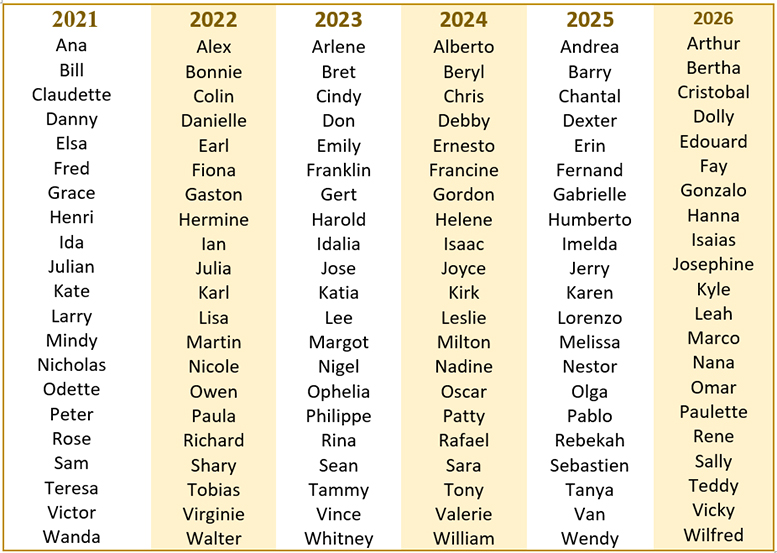
At the core of the World Meteorological Organization’s (WMO) hurricane naming protocol lies a masterclass in systematic brand management. Much like a corporation maintains a long-term roadmap for product releases or software versions, the WMO utilizes six rotating lists of names. This is not merely a bureaucratic task; it is a highly calibrated branding exercise designed to minimize public confusion and maximize clear, actionable communication.
Consistency Through Rotation
The decision to reuse the lists every six years serves as a prime example of effective identity management. By maintaining a predictable pattern, the organization ensures that the public remains familiar with the nomenclature without the fatigue of repetitive branding. This mirror-image strategy is often observed in successful enterprise software naming conventions—keeping the core identity recognizable while refreshing the specific release titles to denote new iterations or cycles.
The Logic of Predictability
For any organization, the ability to anticipate the future is a prerequisite for financial stability. By standardizing the naming process, the WMO removes ambiguity. When a major event occurs, there is no debate regarding the identifier; it is pre-ordained by a strict, algorithmic sequence. This creates a “Brand Equity” of trust and reliability that is essential when a message must reach millions of people quickly. Businesses that implement similarly rigid, transparent, and predictable internal naming or filing conventions find themselves better equipped to handle crises, as their infrastructure is designed for scalability and rapid retrieval.
Data Governance and Global Standards
The naming of storms is effectively a database management operation on a planetary scale. For those in the tech sector, this serves as a model for globalized metadata standards. The names are not chosen on a whim; they are curated to be culturally neutral, easy to pronounce, and distinct enough to prevent data entry errors in international tracking logs.
Metadata Standardization
When a system handles critical data—whether it is customer records, cybersecurity logs, or meteorological tracking—the integrity of that data depends on the standardization of labels. If meteorologists used inconsistent naming formats, the resulting fragmented data would make long-term trend analysis impossible. Tech leaders can learn from this: your organizational metadata is your most valuable asset during a period of disruption. If your naming conventions are chaotic, your ability to automate responses is severely hampered.
Avoiding “Brand” Conflicts
The WMO frequently retires names associated with particularly destructive hurricanes. This is a critical lesson in corporate reputation management. When a product or a project becomes synonymous with failure or catastrophe, the brand identity must be sanitized. By removing a name from the list, the WMO effectively performs a “rebrand” to protect the dignity and clarity of the overall system. In business, knowing when to sunset a project title or a campaign name that has garnered negative sentiment is a crucial strategic maneuver. It preserves the integrity of your remaining assets by preventing negative associations from bleeding into the rest of your portfolio.
Crisis Communication and Strategic Messaging
Beyond the structural aspects of naming, hurricane identification is fundamentally about the psychology of the end-user. In the context of business marketing and brand identity, the way you label your “events”—be it a product launch, a service update, or a rebranding effort—directly influences how the public interacts with your organization.
The Power of Identifiable Labels
A hurricane with a human name is significantly more memorable and easier to discuss than a numeric code. This is why tech companies have moved away from complex version numbering (e.g., v.2.4.912) in favor of emotive, human-centric naming conventions (e.g., naming an OS release after a mountain range or a flavor). By providing an identifiable “brand” for a specific event, the WMO makes the abstract threat of a storm concrete and actionable.
For your own branding strategy, consider how you communicate change. Is your internal project code clear, or does it alienate your team? Are your customer-facing labels encouraging engagement, or do they feel sterile? The goal should always be to bridge the gap between technical complexity and user comprehension.
Mitigating Risks through Clarity
When a hurricane is named, that name becomes the central keyword for every news report, evacuation order, and insurance claim. It creates a single source of truth. In a corporate environment, this concept is essential for digital security and incident response. If an organization suffers a breach or a server outage, having a clear, pre-assigned “event name” allows teams across different time zones to coordinate their efforts seamlessly. It prevents the dilution of focus that occurs when different departments describe the same problem using different terminology.
The Future of Systematic Identification
As we look toward the evolution of predictive technology and automated naming systems, the integration of AI tools will likely play a larger role in how we categorize and track phenomena. The WMO’s model provides the blueprint for this: a hybrid of human-led oversight and machine-driven execution.
Scaling Through Automation
We are currently witnessing a shift where predictive algorithms can anticipate not just the path of a storm, but the intensity and duration of the event. As these models become more sophisticated, the naming system remains the constant factor. Businesses should aspire to this level of balance. Use technology to drive the analytics and the backend logistics, but maintain a human-centric layer for your outward-facing brand and communication. This ensures that while your operations remain hyper-efficient, your brand remains accessible and human.
The Sustainability of Systems
A naming protocol that lasts for decades, through varying political climates and technological shifts, is a testament to the importance of foundational planning. In tech, where the lifespan of a tool is often measured in months or years, this level of longevity is the ultimate goal. When you build your own organizational infrastructure—whether that is a naming taxonomy for your cloud storage, a tagging system for your marketing assets, or a rubric for your product development—design it for the long term.
By analyzing the “next hurricane name” not just as a meteorological term, but as a robust, globally recognized system of identity, professionals across all sectors can refine their own strategies. Consistency, cultural awareness, data integrity, and the willingness to pivot when a name no longer serves the purpose are the building blocks of enduring brands and resilient technical systems. Whether you are launching a new software product or developing a communications plan, remember: the name you choose is the first line of defense in how your project will be received, tracked, and remembered by the world. Choose with clarity, act with consistency, and design for the inevitable evolution of your environment.
aViewFromTheCave is a participant in the Amazon Services LLC Associates Program, an affiliate advertising program designed to provide a means for sites to earn advertising fees by advertising and linking to Amazon.com. Amazon, the Amazon logo, AmazonSupply, and the AmazonSupply logo are trademarks of Amazon.com, Inc. or its affiliates. As an Amazon Associate we earn affiliate commissions from qualifying purchases.