
In the grand symphony of life, where countless molecular processes orchestrate the existence and functionality of every living organism, one tiny yet immensely powerful organelle stands out as the master builder: the ribosome. Often hailed as the “protein factories” of the cell, ribosomes are the crucial nexus where genetic information encoded in DNA is finally translated into the functional proteins that drive virtually all biological processes. Far from being a mere academic curiosity, understanding the intricate function of ribosomes is a cornerstone of modern biotechnology, informing breakthroughs in medicine, drug development, synthetic biology, and even the future of bio-computing.
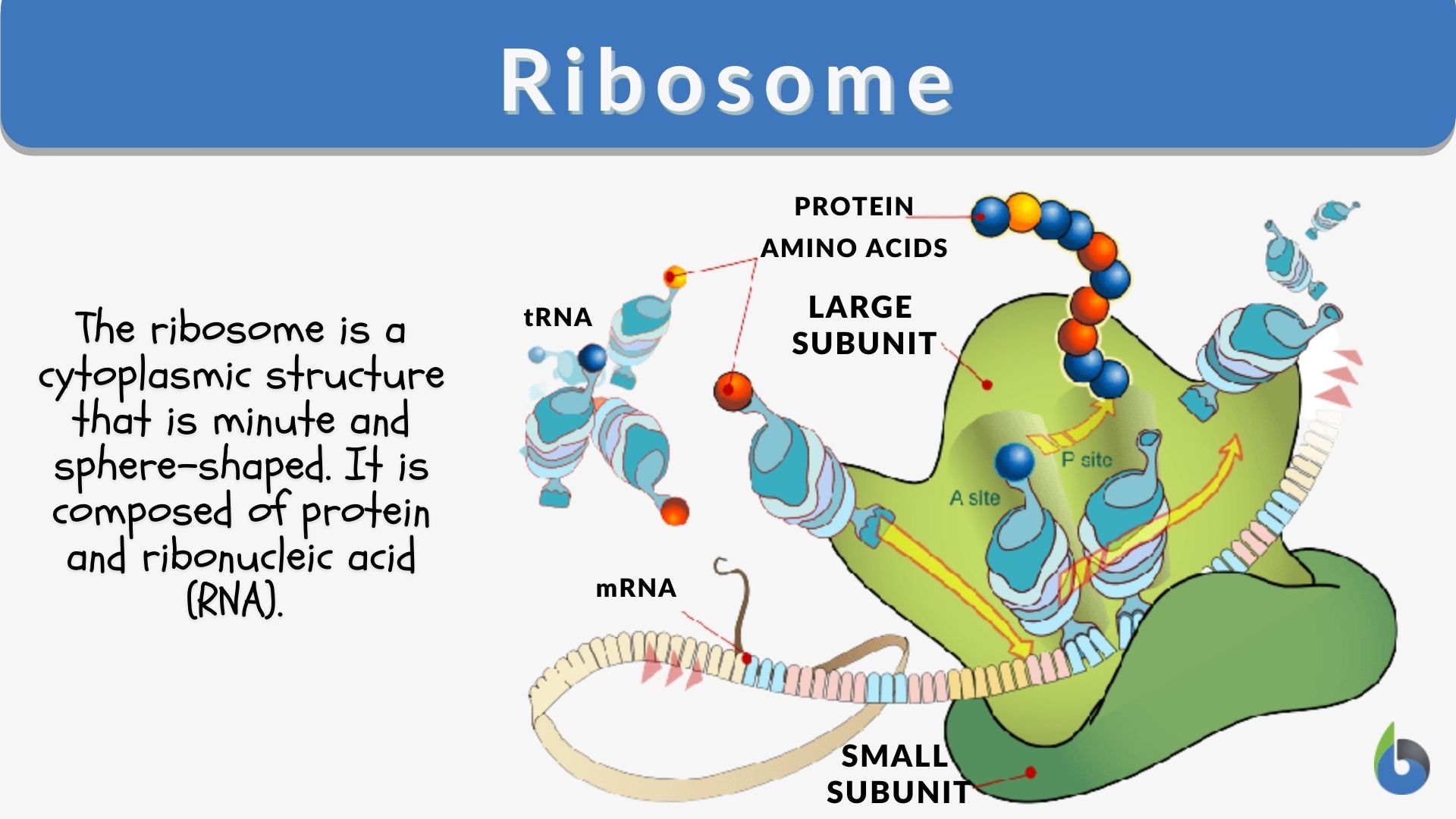
The ribosome’s primary, indispensable function is protein synthesis, also known as translation. It takes the messenger RNA (mRNA) sequence, which carries the genetic instructions copied from DNA, and deciphers it, assembling amino acids in a specific order to form a polypeptide chain. This chain then folds into a three-dimensional protein with a unique structure and function. This fundamental process is universal, occurring in all known forms of life, from the simplest bacteria to the most complex human cells, underscoring its foundational role in biology and its profound relevance to technological innovation aimed at manipulating life at its core.
The Molecular Machinery of Life: Protein Synthesis Explained
At its heart, a ribosome is a complex macromolecular machine composed of ribosomal RNA (rRNA) and ribosomal proteins. These components assemble into two main subunits – a large subunit and a small subunit – which come together only during the process of translation. The structural complexity and evolutionary conservation of ribosomes highlight their essential nature and provide numerous avenues for technological intervention.
The Blueprint and the Builder: The journey of protein synthesis begins in the nucleus (in eukaryotes) where DNA is transcribed into mRNA. This mRNA molecule then travels out of the nucleus to the cytoplasm, where it encounters ribosomes. The mRNA carries the genetic code in the form of codons – sequences of three nucleotide bases – each specifying a particular amino acid. The ribosome acts as the reader, moving along the mRNA strand, codon by codon.
The Amino Acid Delivery System: For each codon, a specific transfer RNA (tRNA) molecule, acting as an adaptor, brings the corresponding amino acid to the ribosome. Each tRNA has an anticodon loop that is complementary to a specific mRNA codon, ensuring that the correct amino acid is delivered at the right time. The ribosome facilitates the precise pairing between mRNA codons and tRNA anticodons, ensuring the fidelity of the translation process. This intricate choreography of molecular recognition is a marvel of biological engineering and a frequent target for pharmaceutical development.
Peptide Bond Formation: Once the correct tRNA-amino acid complex is in place, the ribosome catalyzes the formation of a peptide bond between the incoming amino acid and the growing polypeptide chain. This critical enzymatic activity is primarily performed by the rRNA component within the large ribosomal subunit, making the ribosome a ribozyme (an enzyme made of RNA). This catalytic capability is central to life and has inspired new approaches in synthetic biology for building novel biochemical pathways and materials.
Ribosomes in Action: From Genes to Functional Proteins
The dynamic process of protein synthesis orchestrated by ribosomes involves several distinct stages, each tightly regulated and offering unique points of control or manipulation for technological applications.
Initiation: Setting the Stage for Production:
Translation initiation is a critical control point, determining when and where protein synthesis begins. It involves the small ribosomal subunit binding to the mRNA, typically at a specific sequence called the ribosome binding site (RBS) in prokaryotes or the 5′ cap in eukaryotes, and searching for the start codon (AUG). Once the start codon is identified, an initiator tRNA carrying the first amino acid (methionine) binds, and the large ribosomal subunit joins the complex, forming the functional ribosome.
- Tech Relevance: Understanding and manipulating initiation sequences are crucial in genetic engineering. For instance, optimizing RBS sequences can significantly enhance protein expression levels in biotechnological production systems, from therapeutic proteins in bacteria to enzymes for industrial applications. mRNA vaccine technology relies heavily on efficient translation initiation in host cells to produce viral antigens.
Elongation: Building the Protein Chain:
This is the phase where the polypeptide chain steadily grows. The ribosome moves along the mRNA, typically in the 5′ to 3′ direction, sequentially adding amino acids. It has three key sites: the A (aminoacyl) site, the P (peptidyl) site, and the E (exit) site. A new aminoacyl-tRNA enters the A site, a peptide bond is formed with the polypeptide chain held at the P site, and the ribosome translocates, moving the growing chain to the P site and the spent tRNA to the E site for exit. This cycle repeats for every codon.
- Tech Relevance: The fidelity of elongation is paramount. Errors can lead to misfolded or non-functional proteins, impacting cellular health and potentially causing disease. Biotechnology aims to harness this process to produce high-quality recombinant proteins. Moreover, understanding how certain viral proteins exploit or interfere with ribosomal elongation provides targets for antiviral drug development.
Termination: Signaling the End of the Line:
Translation terminates when the ribosome encounters one of three specific stop codons (UAA, UAG, UGA) on the mRNA. There are no tRNAs that correspond to these stop codons. Instead, release factors bind to the stop codon in the A site, triggering the hydrolysis of the bond between the polypeptide chain and the tRNA in the P site. The newly synthesized polypeptide is then released, and the ribosomal subunits dissociate from the mRNA, ready for another round of translation.
- Tech Relevance: Premature termination can truncate proteins, while read-through of stop codons can extend them, both leading to dysfunctional products. Genetic engineering strategies sometimes involve introducing or removing stop codons to control protein length or stability. Targeting termination factors could also be a novel therapeutic approach for diseases caused by premature protein truncation.
Technological Frontiers: Ribosomes as Targets and Tools

The fundamental and highly conserved nature of ribosomes makes them an incredibly attractive target and tool across various technological domains. Their central role in protein synthesis offers both vulnerabilities to be exploited (e.g., by antibiotics) and immense potential for engineered applications.
Antibiotics and Drug Discovery:
Perhaps the most well-known technological application leveraging ribosome function is the development of antibiotics. Many common antibiotics, such as tetracyclines, macrolides (e.g., azithromycin), and aminoglycosides (e.g., streptomycin), work by specifically targeting bacterial ribosomes. They interfere with different stages of translation (initiation, elongation, or termination) in bacteria, thereby halting protein synthesis and killing the bacterial cells, often with minimal effect on human ribosomes due to structural differences.
- Tech Impact: The ongoing challenge of antibiotic resistance necessitates continuous research into new ribosome-targeting compounds. Advanced computational biology and structural biology techniques (like cryo-EM) are now being used to visualize ribosome-antibiotic interactions at atomic resolution, accelerating the design of next-generation antibiotics.
Gene Therapy and mRNA Technologies:
Recent breakthroughs in gene therapy and mRNA vaccine technology underscore the power of understanding and manipulating ribosomes. mRNA vaccines, like those for COVID-19, deliver synthetic mRNA encoding a viral antigen directly to human cells. The host cell’s ribosomes then translate this mRNA into the viral protein, triggering an immune response without exposing the individual to the live virus.
- Tech Impact: This approach is revolutionary, offering speed and flexibility in vaccine development. Beyond vaccines, mRNA technology holds promise for therapeutic protein delivery for genetic disorders or even cancer immunotherapy, where cells are programmed to produce therapeutic proteins in situ. Gene editing technologies like CRISPR also indirectly rely on ribosomes to produce the guide RNA and Cas proteins necessary for their function.
Synthetic Biology and Bio-Engineering:
In synthetic biology, ribosomes are not just observed; they are actively engineered. Researchers are designing synthetic ribosomes (xenosomes) or modifying natural ones to incorporate non-standard amino acids into proteins, expanding the genetic code. This allows for the creation of proteins with novel properties, functions, or improved stability, pushing the boundaries of what biological systems can produce.
- Tech Impact: This opens doors for creating new biomaterials, enzymes with enhanced catalytic activity for industrial processes, or therapeutics with improved pharmacokinetics. Understanding ribosome structure and function also aids in designing orthogonal translation systems – ribosomes that translate only specific, engineered mRNA, minimizing interference with host cell machinery.
Challenges and Innovations in Ribosome-Targeted Technologies
While the ribosome presents a rich landscape for technological exploitation, several challenges persist, driving continuous innovation. The emergence of drug resistance, off-target effects of therapeutics, and the complexity of engineering robust synthetic biological systems are key areas of focus.
Overcoming Antibiotic Resistance:
The rapid evolution of antibiotic resistance in bacteria means that existing ribosome-targeting antibiotics eventually lose efficacy. This pushes researchers to identify new binding sites on the ribosome, design molecules that can overcome resistance mechanisms, or develop entirely new classes of ribosome inhibitors. High-throughput screening platforms and AI-driven drug discovery are becoming indispensable tools in this fight.
Specificity and Off-Target Effects:
For therapeutic applications, especially in humans, ensuring that ribosome-targeting drugs or genetic interventions are highly specific to the intended target (e.g., bacterial ribosomes, cancer cell ribosomes, or specific viral translation) is critical to avoid adverse side effects. Innovations in drug delivery systems, targeted nanoparticles, and precise genetic engineering techniques are aiming to improve this specificity.
Computational Modeling and AI in Ribosome Research:
The sheer complexity of the ribosome, involving hundreds of thousands of atoms, makes its study challenging. Advanced computational modeling, molecular dynamics simulations, and artificial intelligence are revolutionizing ribosome research. These tools allow scientists to predict how mutations affect ribosome function, simulate drug-ribosome interactions, and even design novel ribosomal components in silico before experimental validation. This accelerates drug discovery and synthetic biology efforts significantly.

The Future Impact: Shaping Biotech and Beyond
The ongoing unraveling of the ribosome’s function continues to reveal new possibilities for technological advancement. From precision medicine to sustainable bio-manufacturing, the implications are vast.
Personalized Medicine: Understanding individual variations in ribosome function or the expression of specific ribosomal proteins could lead to personalized therapeutic strategies, especially for cancers or rare genetic disorders where protein synthesis is dysregulated.
Bio-Manufacturing and Sustainable Solutions: Engineered ribosomes and synthetic translation systems could be deployed in bio-factories to produce complex molecules, biofuels, and novel materials more efficiently and sustainably. Imagine bacteria or yeast optimized to churn out pharmaceuticals, industrial enzymes, or even high-performance polymers with unprecedented precision.
Advancements in Diagnostics: Ribosomal function assays could become powerful diagnostic tools, identifying pathogenic bacteria or viruses quickly based on their unique ribosomal properties or assessing cellular health and disease progression by monitoring protein synthesis rates.
In conclusion, the ribosome, a ubiquitous and ancient molecular machine, is far more than just a biological curiosity. Its indispensable role in translating the genetic code into life’s functional machinery makes it a central pillar of biotechnology. As our understanding deepens and technological tools become more sophisticated, the ribosome will undoubtedly remain at the forefront of innovation, driving future breakthroughs that will reshape medicine, industry, and our fundamental interaction with life itself.
aViewFromTheCave is a participant in the Amazon Services LLC Associates Program, an affiliate advertising program designed to provide a means for sites to earn advertising fees by advertising and linking to Amazon.com. Amazon, the Amazon logo, AmazonSupply, and the AmazonSupply logo are trademarks of Amazon.com, Inc. or its affiliates. As an Amazon Associate we earn affiliate commissions from qualifying purchases.