
At the heart of virtually all living organisms lies a fundamental biochemical process known as glycolysis. Far from being a mere academic curiosity, glycolysis represents life’s most ancient and conserved metabolic pathway, a universal engine that powers cells by breaking down glucose. In the modern era, our deepening understanding of glycolysis, coupled with rapid advancements in technology, has transformed this foundational biological process into a critical frontier for innovation across diverse technological sectors, from drug development and biotechnology to artificial intelligence and sustainable bioengineering. This article delves into what glycolysis is, and more importantly, explores its profound relevance and impact within the expansive realm of technology.
Glycolysis: The Core Biological Energy Engine
To appreciate its technological implications, one must first grasp the essence of glycolysis itself. It’s a marvel of biochemical engineering, perfected over billions of years of evolution.
A Universal Pathway for Life: The Basics of Glucose Breakdown
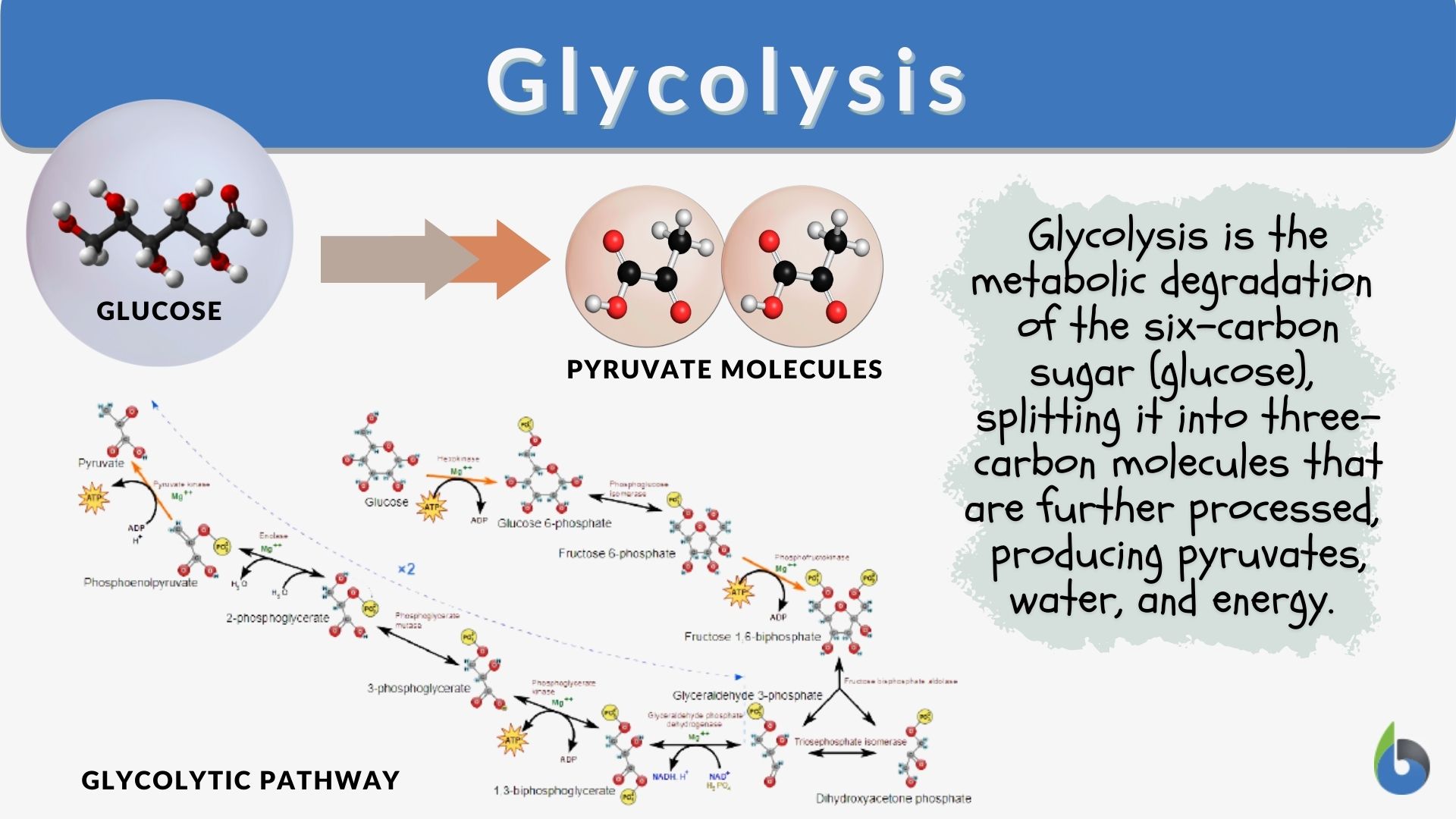
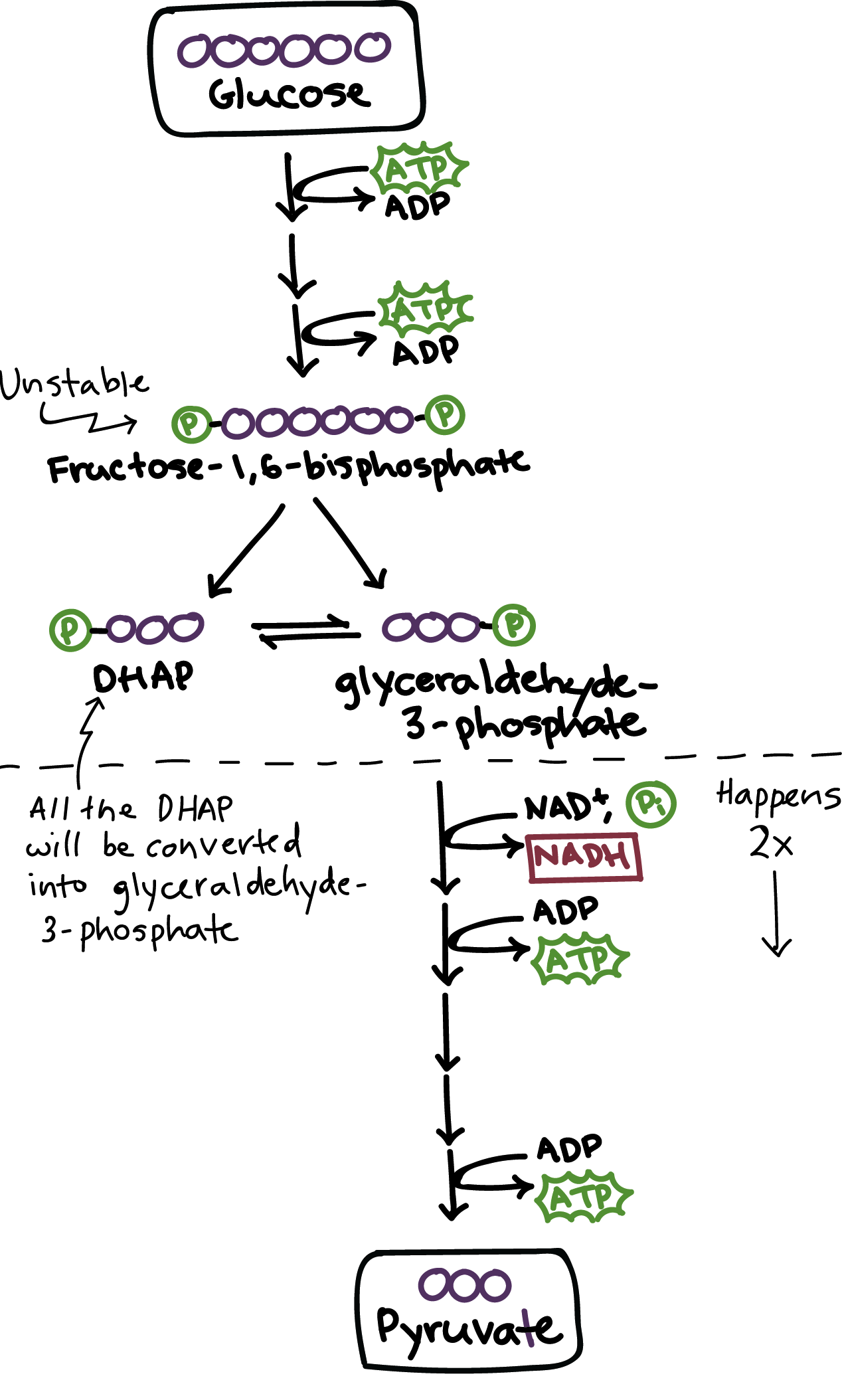
Glycolysis, derived from the Greek words “glykys” (sweet) and “lysis” (splitting), literally means the splitting of sugar. It’s a ten-step metabolic pathway that takes a single molecule of glucose – a six-carbon sugar – and converts it into two molecules of pyruvate, a three-carbon compound. This intricate cascade of enzymatic reactions occurs in the cytoplasm of nearly every cell, from the simplest bacteria to the most complex human tissues.
The primary outputs of glycolysis are not just pyruvate, but also crucial energy carriers: two molecules of Adenosine Triphosphate (ATP) and two molecules of Nicotinamide Adenine Dinucleotide (NADH). ATP is the immediate energy currency of the cell, directly powering countless cellular processes, from muscle contraction to protein synthesis. NADH, on the other hand, carries high-energy electrons that are later used to generate a much larger amount of ATP in subsequent energy-producing pathways, particularly in aerobic organisms.
What makes glycolysis so remarkable from a technological perspective is its efficiency and universality. It operates without the need for oxygen, making it the primary energy source for anaerobic organisms and a critical backup for oxygen-deprived tissues in aerobic organisms. Its ubiquity means that understanding and manipulating glycolysis in one organism often provides insights applicable across the tree of life, a principle heavily leveraged in biotechnology.
Beyond Basic Respiration: Metabolic Flexibility and Disease
While often introduced as the first step in cellular respiration, glycolysis exhibits significant metabolic flexibility. In the presence of oxygen, pyruvate proceeds to the mitochondria for further oxidation, yielding substantially more ATP. However, in the absence of oxygen, or in specific cell types, pyruvate undergoes fermentation, converting into lactate (in animals) or ethanol (in yeast). This anaerobic pathway allows cells to regenerate NAD+ necessary for glycolysis to continue, albeit producing less ATP.
This metabolic adaptability is not just a biological curiosity; it’s a key factor in understanding disease and developing therapeutic technologies. For instance, cancer cells famously exhibit an altered metabolism, relying heavily on aerobic glycolysis (the “Warburg effect”) even when oxygen is plentiful. This metabolic shift is a hallmark of many cancers and presents a unique therapeutic vulnerability that modern oncology technologies aim to exploit. Similarly, metabolic disorders like diabetes involve dysregulation of glucose uptake and utilization, directly impacting glycolytic flux, making glycolysis a central target for diagnostic and therapeutic technological interventions.
Technological Frontiers: Glycolysis in Biotechnology and Medicine
The fundamental understanding of glycolysis has catalyzed revolutionary advancements across biotechnology and medicine, offering new avenues for treating diseases, developing sustainable processes, and creating novel diagnostics.
Therapeutic Targeting: From Cancer to Metabolic Disorders
The unique metabolic fingerprint of various diseases, often characterized by altered glycolytic activity, has made glycolysis a prime target for drug discovery and therapeutic intervention.
-
Cancer Therapy: The Warburg effect, where cancer cells preferentially use glycolysis even in the presence of oxygen, provides a distinct metabolic vulnerability. Technologically, this has led to the development of drugs that inhibit key glycolytic enzymes (e.g., hexokinase, phosphofructokinase, lactate dehydrogenase) to starve cancer cells of energy or make them more susceptible to other treatments. Imaging technologies like PET scans, which detect glucose uptake by cancer cells, are essentially visualizing heightened glycolytic activity, guiding diagnosis and treatment monitoring.
-
Metabolic Diseases: Dysregulation of glucose metabolism is central to diseases like Type 2 diabetes. Technological approaches focus on developing drugs that modulate glucose transporters (e.g., SGLT2 inhibitors) or enzymes involved in insulin signaling pathways, indirectly affecting glycolytic rates. Gene therapy and CRISPR-based technologies are also being explored to correct genetic defects that impair glycolytic enzymes, offering the promise of curative treatments.
-
Infectious Diseases: Pathogens, including bacteria and parasites, often have distinct glycolytic pathways essential for their survival and virulence. Biotechnological efforts are focused on developing antimicrobial agents that specifically target these unique glycolytic enzymes in pathogens, offering new strategies against drug-resistant infections.
Bioengineering and Synthetic Biology Applications
Beyond medicine, the precise control and engineering of glycolytic pathways in microorganisms have become a cornerstone of industrial biotechnology and synthetic biology, driving the production of sustainable fuels and chemicals.
-
Biofuel Production: Microbes like yeast and bacteria are engineered to optimize their glycolytic pathways for efficient conversion of sugars (from biomass) into biofuels such as ethanol, butanol, and advanced drop-in fuels. Synthetic biology allows for the introduction of novel enzymes or the redirection of metabolic flux to maximize the yield of desired products, contributing to greener energy solutions.
-
Biochemical Manufacturing: Glycolysis intermediates serve as precursors for a vast array of industrially important chemicals, including organic acids (e.g., lactic acid, succinic acid), amino acids, and polymers. Bioengineered microbial factories, harnessing optimized glycolytic pathways, offer a sustainable and cost-effective alternative to traditional petrochemical processes, reducing environmental impact.
-
Pharmaceutical Production: Complex pharmaceuticals, vaccines, and therapeutic proteins can be produced more efficiently and sustainably using engineered microorganisms. By finely tuning glycolytic flux, scientists can optimize energy and precursor availability, leading to higher yields and purer products, which is a significant technological leap in drug manufacturing.
Diagnostics and Biosensors
The ability to measure and monitor glycolytic activity with high precision has also led to advancements in diagnostic technologies and biosensor development.
-
Clinical Diagnostics: Assays that measure the activity of glycolytic enzymes or the levels of glycolytic intermediates are used to diagnose various conditions, including certain types of anemia (e.g., pyruvate kinase deficiency) or metabolic myopathies. Advanced imaging techniques mentioned previously also fall into this category.
-
Point-of-Care Devices: Rapid and portable biosensors are being developed to detect glucose levels, lactate accumulation, or specific glycolytic enzyme markers, which can be crucial for managing diabetes, monitoring athletic performance, or assessing tissue hypoxia in emergency settings. These miniaturized technologies bring diagnostic capabilities closer to the patient.
-
Cellular Health Monitoring: In cell culture and bioprocessing, monitoring glycolytic rates is essential for assessing cell viability, proliferation, and metabolic state, guiding optimization strategies for biopharmaceutical production and tissue engineering applications.
The Digital Lens: AI, Computational Biology, and Glycolysis
The sheer complexity of metabolic networks, including glycolysis, necessitates sophisticated computational approaches. Artificial intelligence (AI), machine learning (ML), and computational biology are transforming our ability to understand, predict, and manipulate glycolytic pathways.
Modeling Metabolic Networks
Computational models provide a digital sandbox for exploring the intricacies of glycolysis and its interactions with the broader cellular metabolism.
-
Systems Biology and Flux Balance Analysis: These computational tools simulate metabolic pathways, predicting how changes in enzyme activity or nutrient availability impact glycolytic flux and overall cellular output. Researchers use these models to identify bottlenecks in bioengineered pathways or pinpoint critical targets for therapeutic intervention, optimizing experimental design before costly wet-lab work.
-
Dynamic Simulation: More advanced models incorporate kinetic parameters to simulate the dynamic behavior of glycolysis over time, revealing transient responses to stimuli or drug treatments. These dynamic models are crucial for understanding complex regulatory mechanisms and designing more precise interventions.
-
Network Reconstruction: Leveraging vast biological datasets (genomic, proteomic, metabolomic), computational biologists reconstruct comprehensive metabolic networks, including all known glycolytic enzymes and transporters. These reconstructed networks serve as foundational maps for drug target identification and metabolic engineering.
AI in Drug Discovery and Pathway Optimization
AI and machine learning algorithms are rapidly accelerating the pace of glycolysis-focused research and development.
-
Target Identification and Prioritization: AI analyzes vast omics datasets (genomics, proteomics, metabolomics) to identify novel glycolytic enzymes or regulatory proteins that are dysregulated in disease and could serve as drug targets. Machine learning models can predict the most impactful targets with higher accuracy than traditional methods.
-
Drug Design and Virtual Screening: AI-driven platforms can design novel small molecules that specifically bind to and modulate glycolytic enzymes. Virtual screening techniques use AI to rapidly assess millions of potential compounds for their ability to interact with glycolytic targets, dramatically reducing the time and cost of early drug discovery phases.
-
Optimization of Bioengineered Pathways: In industrial biotechnology, AI is used to optimize the design of synthetic glycolytic pathways in microorganisms. Algorithms can predict the optimal set of enzymes, gene expression levels, and culture conditions to maximize the yield of desired products, such as biofuels or biochemicals, leading to more efficient and sustainable bioproduction processes.
High-Throughput Screening and Data Analytics
Modern technological platforms generate enormous amounts of data related to glycolysis, requiring advanced data analytics to extract meaningful insights.
-
Omics Technologies: High-throughput genomics, transcriptomics, proteomics, and metabolomics generate comprehensive profiles of cellular components, revealing global changes in gene expression, protein levels, and metabolite concentrations that impact or are impacted by glycolysis. Data analytics pipelines are essential for interpreting these complex datasets.
-
Automated Screening: Robotic liquid handling systems and automated cell culture platforms enable high-throughput screening of thousands of compounds or genetic perturbations for their effects on glycolytic activity. Advanced image analysis and biosensor technologies are integrated to rapidly quantify responses, generating vast amounts of data that inform drug discovery and basic research.
-
Predictive Biomarkers: By applying machine learning to these large datasets, researchers can identify specific glycolytic enzymes or metabolites that serve as predictive biomarkers for disease progression, treatment response, or even an individual’s susceptibility to certain conditions, paving the way for personalized medicine.
The Future of Glycolysis Research: Bridging Biology and Technology
The future of glycolysis research is intrinsically linked to technological innovation, promising even more profound impacts across medicine, industry, and our fundamental understanding of life.
Precision Medicine and Individualized Therapies
Integrating multi-omics data with AI and advanced analytics will enable a deeper understanding of how glycolysis varies between individuals and in different disease states. This will pave the way for precision medicine, where therapies targeting glycolytic pathways can be tailored to an individual’s genetic makeup, lifestyle, and specific disease characteristics, maximizing efficacy and minimizing side effects. Wearable sensors and personalized monitoring technologies will track metabolic health in real-time, providing actionable insights.
Sustainable Bio-production
Continued advancements in synthetic biology, gene editing (CRISPR), and AI-driven metabolic engineering will unlock unprecedented capabilities in designing and optimizing microbial factories. These technologies will enable the hyper-efficient and sustainable production of a wider range of biofuels, bioplastics, and high-value chemicals from renewable resources, reducing reliance on fossil fuels and mitigating environmental impact. The ability to precisely control glycolytic flux will be central to these innovations.
Integrating Multi-Omics Data
The challenge and promise lie in seamlessly integrating the vast and diverse datasets generated by genomics, transcriptomics, proteomics, and metabolomics. Advanced computational tools, graph neural networks, and AI will be crucial for building holistic, predictive models of cellular metabolism, revealing the intricate regulatory dance of glycolysis within the cell. This integrated understanding will unlock new therapeutic strategies and engineering capabilities that are currently unimaginable.

Beyond Terrestrial Life
Even in astrobiology, understanding glycolysis is crucial. The search for extraterrestrial life often considers environments where glycolysis could provide basic energy, and future technologies for sustained human space exploration might involve bioengineered systems that leverage glycolytic pathways for resource recycling and energy generation.
In conclusion, glycolysis, while a venerable and fundamental biological pathway, is anything but static or confined to basic biology textbooks. It is a vibrant and dynamic field of study, continually revitalized by the relentless march of technological progress. From designing life-saving drugs and sustainable industrial processes to unraveling the secrets of cellular energy with AI, the journey of “what’s glycolysis” has firmly placed this ancient pathway at the forefront of modern technological innovation, promising a future where our command over this cellular engine yields unprecedented benefits for humanity and the planet.
aViewFromTheCave is a participant in the Amazon Services LLC Associates Program, an affiliate advertising program designed to provide a means for sites to earn advertising fees by advertising and linking to Amazon.com. Amazon, the Amazon logo, AmazonSupply, and the AmazonSupply logo are trademarks of Amazon.com, Inc. or its affiliates. As an Amazon Associate we earn affiliate commissions from qualifying purchases.