
The relentless march of time brings with it not just new technologies and economic paradigms, but entirely new generations, each shaped by distinct socio-cultural landscapes, technological advancements, and economic realities. For brands, understanding these generational shifts is not merely an academic exercise; it is the bedrock of future relevance and success. As Generation X, a cohort often characterized by their independent, resourceful, and skeptical nature, continues to mature, the spotlight has firmly pivoted to their successors. What began as a question of “what’s next” has evolved into a complex dissection of consumer psychology, digital native behaviors, and a profound re-evaluation of how brands connect, communicate, and create value.

The generations following Gen X – primarily Millennials, Gen Z, and the emerging Gen Alpha – represent a seismic shift in consumer expectations and brand engagement. They are not merely different age groups; they embody entirely new frameworks for understanding identity, community, and the very purpose of commercial entities. For businesses striving for sustained growth and cultural resonance, the imperative is clear: traditional brand strategies, rooted in mass marketing and one-way communication, are no longer sufficient. This article delves into how these post-Gen X generations are fundamentally reshaping brand strategy, personal branding, corporate identity, and the very essence of modern marketing.
The Millennial Influence: From Experience Economy to Purpose-Driven Purchases
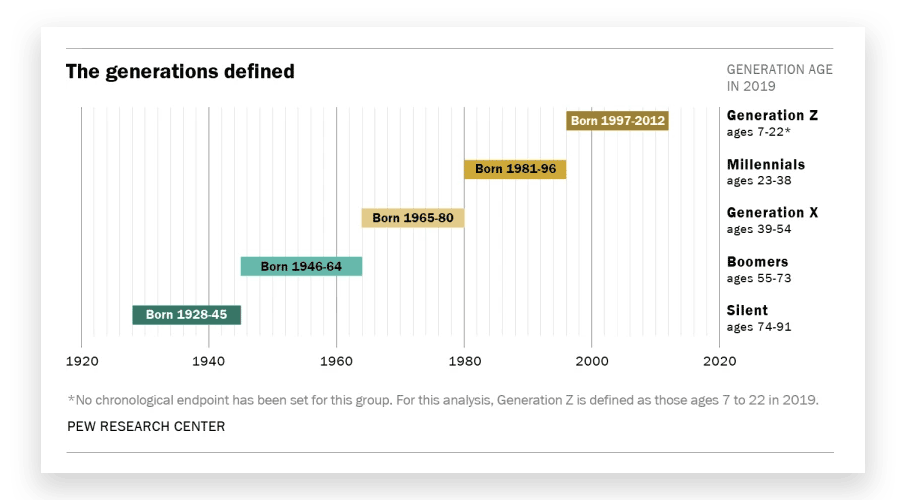
The first significant wave after Gen X, Millennials (born roughly between 1981 and 1996), ushered in an era of digital fluency and social connectivity that began to unravel conventional branding wisdom. This generation, often characterized by their idealism, collaborative spirit, and a keen sense of social justice, demanded more than just products or services; they sought experiences, authenticity, and brands that reflected their values. Their influence on the brand landscape has been profound, pushing companies to rethink everything from their marketing messages to their corporate social responsibility initiatives.
Authenticity and Transparency: Non-Negotiables
Millennials grew up witnessing corporate scandals and a proliferation of information, fostering a deep skepticism towards traditional advertising. They value authenticity and transparency above almost all else. Brands that attempt to hide their flaws, misrepresent their products, or engage in deceptive practices are swiftly called out. For marketers, this means embracing radical honesty, sharing brand stories with vulnerability, and engaging in two-way conversations with their audience. Authenticity is not a marketing tactic; it’s a foundational principle that must permeate every aspect of a brand’s identity, from its supply chain to its customer service interactions. The “perfect” brand image has given way to the “real” brand image.
The Rise of Experiential Marketing
Unlike previous generations who often prioritized ownership, Millennials began to prioritize experiences. From travel and concerts to unique dining and wellness retreats, the desire to do rather than just have became a defining characteristic. Brands responded by shifting marketing budgets from traditional advertising towards experiential marketing. Pop-up shops, interactive installations, brand-sponsored events, and immersive storytelling became powerful tools to forge deeper, more memorable connections. For Millennials, a brand’s value is often measured not just by its product quality but by the richness of the experiences it facilitates and the memories it helps create. This shift necessitates brands to think beyond tangible goods and consider the emotional and sensory journeys they can offer.
Social Responsibility and Brand Values
Millennials are acutely aware of global challenges, from climate change to social inequality, and they expect the brands they support to share their commitment to making a positive impact. For this generation, a brand’s corporate identity is inextricably linked to its ethical stances and social responsibility initiatives. Brands that actively champion causes, practice sustainable sourcing, promote diversity and inclusion, or donate a portion of their profits to charity resonate deeply. This isn’t merely about “greenwashing” or performative activism; it requires genuine, measurable commitment. Businesses that authentically integrate purpose into their core mission, rather than treating it as an afterthought, build stronger loyalty and advocacy among Millennial consumers.
Gen Z’s Digital Native Paradigm: Speed, Snaps, and Social Impact
Hot on the heels of Millennials, Gen Z (born roughly between 1997 and 2012) represents an even more radical departure from traditional consumer archetypes. As true digital natives, never knowing a world without the internet or smartphones, their relationship with technology, information, and brands is intrinsically different. They are constantly connected, highly visually oriented, and possess an innate ability to filter information at lightning speed. For brands, engaging Gen Z demands an even greater level of agility, authenticity, and a fundamental understanding of dynamic online culture.
Hyper-Personalization and Micro-Communities
Gen Z has grown up in an era of infinite choice and highly personalized digital feeds. They expect brands to understand their individual preferences and tailor experiences accordingly. Generic marketing messages are instantly dismissed. This drives the need for sophisticated data analytics and AI-powered personalization engines that can deliver highly relevant content, product recommendations, and offers. Furthermore, Gen Z thrives in micro-communities centered around niche interests, subcultures, and shared passions. Brands that successfully identify and engage with these specific communities, often through authentic presence rather than overt advertising, gain significant traction. This means fostering spaces where Gen Z individuals feel seen, heard, and part of something bigger, rather than just being a target demographic.
The Power of Visual Storytelling and Short-Form Content
Attention spans among Gen Z are notoriously short, shaped by the rapid-fire consumption of content on platforms like TikTok, Instagram Reels, and YouTube Shorts. This necessitates a shift towards highly engaging, visually rich, and concise storytelling. Brands must master the art of conveying messages in seconds, utilizing dynamic visuals, trending audio, and authentic, often user-generated, content. Polished, overly produced advertisements often fall flat; Gen Z prefers raw, relatable, and entertaining content that feels native to the platforms they inhabit. The emphasis is on showing, not just telling, and doing so in a way that respects their time and intelligence.
From Influencers to Creators: The Peer-to-Peer Economy

While Millennials embraced the early wave of social media influencers, Gen Z takes this a step further, often valuing authentic “creators” and peers over polished celebrities. They are more likely to trust recommendations from people who genuinely use and understand a product, especially those who share similar interests and aesthetics. This has given rise to the creator economy, where individuals build their own brands and communities. For corporate identity and marketing, this means engaging with a diverse ecosystem of content creators, fostering genuine partnerships, and even empowering their own customers to become brand advocates. The traditional top-down marketing funnel is replaced by a more distributed, peer-to-peer recommendation network.
Glimpsing Gen Alpha: The Future of Immersive Digital Identities
The newest generation, Gen Alpha (born from the early 2010s to mid-2020s), is still very young, but their formative years are already painting a picture of an even more digitally integrated future. Growing up with iPads as pacifiers, voice assistants as playmates, and augmented reality as commonplace, they are poised to be the most technologically fluent generation yet. For brands, preparing for Gen Alpha means understanding a world where digital and physical realities are increasingly blurred, and where identity itself can be fluid and multi-faceted.
AI-Native and Metaverse-Ready Consumers
Gen Alpha are true “AI natives,” interacting with artificial intelligence daily through smart devices, personalized learning apps, and sophisticated algorithms that shape their content consumption. They will likely be the first generation to fully embrace the metaverse, seeing virtual worlds not as novelties, but as integral spaces for social interaction, entertainment, and commerce. Brands need to start exploring their presence in virtual economies, considering digital fashion, NFTs, and immersive experiences that go beyond flat screens. Corporate identity will need to extend into these digital realms, creating consistent and engaging brand presences within the metaverse. This will demand new skill sets, from 3D design to virtual community management.
Fluid Identities and Global Perspectives
Growing up in an interconnected world, Gen Alpha is likely to have an even more fluid understanding of identity, unbound by traditional geographical or social constraints. They will be exposed to diverse cultures and perspectives from a very young age, fostering a global mindset. Brands must adopt an inclusive and adaptable approach to their messaging, appealing to a broad spectrum of identities and celebrating diversity authentically. Corporate identity will need to reflect a global consciousness, demonstrating an understanding and respect for varied cultural norms while maintaining a core brand message that resonates universally.
The Blurring Lines of Physical and Digital Commerce
For Gen Alpha, the distinction between shopping online and in a physical store may become increasingly meaningless. They will expect seamless transitions between digital exploration, augmented reality try-ons, virtual purchases, and physical delivery. Click-and-collect, endless aisle technology, and personalized in-store digital experiences will be the norm. Brand strategy will need to integrate these channels flawlessly, ensuring a cohesive and intuitive customer journey regardless of the touchpoint. This requires significant investment in unified commerce platforms and a deep understanding of how physical and digital spaces can enhance each other.
Crafting Future-Proof Brand Strategies
The generations after Gen X present both immense challenges and unparalleled opportunities for brands. The common thread running through Millennials, Gen Z, and Gen Alpha is a demand for authenticity, purpose, personalization, and seamless digital integration. To remain relevant and thrive, brands must move beyond incremental adjustments and embrace fundamental shifts in their operational and strategic paradigms.
Agility and Continuous Adaptation
The pace of change, particularly in technology and consumer behavior, is accelerating. Brand strategies cannot be static; they must be living documents, constantly refined and adapted based on real-time data and evolving trends. This requires fostering a culture of experimentation, rapid prototyping, and continuous learning within organizations. Brands must be willing to pivot quickly, embrace new platforms, and even reinvent aspects of their corporate identity when necessary to align with the dynamic expectations of these younger generations.
Data-Driven Empathy and Hyper-Targeting
While hyper-personalization is crucial, it must be underpinned by genuine empathy. Simply collecting data is not enough; brands must analyze it to truly understand the needs, desires, pain points, and values of their target audiences. This data-driven empathy allows for the creation of marketing messages and product offerings that resonate on a deeply personal level, fostering trust and loyalty. Hyper-targeting isn’t just about demographics; it’s about understanding psychographics, behavioral patterns, and micro-cultural affiliations to deliver the right message, on the right platform, at the right time.
Building Beyond Products: Community and Culture
Ultimately, the most successful brands of the future will be those that transcend mere products or services to build vibrant communities and contribute meaningfully to culture. This involves creating platforms for interaction, fostering a sense of belonging, and actively listening to and incorporating feedback from their audience. Corporate identity will increasingly be defined by the values the brand embodies, the conversations it sparks, and the positive impact it has on the lives of its community members. Brands must position themselves as facilitators of experiences, enablers of self-expression, and partners in making the world a better place, rather than just sellers of goods.
The journey beyond Gen X is not just about understanding new consumers; it’s about understanding a new world. The brands that will flourish in this evolving landscape are those that embrace transparency, champion purpose, master digital fluency, and commit to an empathetic, agile, and community-centric approach to their entire brand strategy and corporate identity. The future of branding is not about shouting the loudest, but about connecting the deepest.
aViewFromTheCave is a participant in the Amazon Services LLC Associates Program, an affiliate advertising program designed to provide a means for sites to earn advertising fees by advertising and linking to Amazon.com. Amazon, the Amazon logo, AmazonSupply, and the AmazonSupply logo are trademarks of Amazon.com, Inc. or its affiliates. As an Amazon Associate we earn affiliate commissions from qualifying purchases.