
Understanding generational cohorts is not merely an academic exercise; for brands, it is a foundational pillar of effective strategy, marketing, and long-term success. Among the most discussed and often misunderstood demographic groups is the Millennial generation. Their specific birth years define not just an age bracket, but a unique set of shared experiences, values, and purchasing behaviors that have fundamentally reshaped the global marketplace. For any brand aiming to build a relevant corporate identity, craft compelling marketing campaigns, or design products that resonate, precisely identifying the Millennial years is the crucial first step. It allows for a deeper dive into the psyche of a consumer group that has come of age during a period of unprecedented technological advancement, economic upheaval, and evolving social consciousness.

Pinpointing the Millennial Generation: The Definitive Birth Years
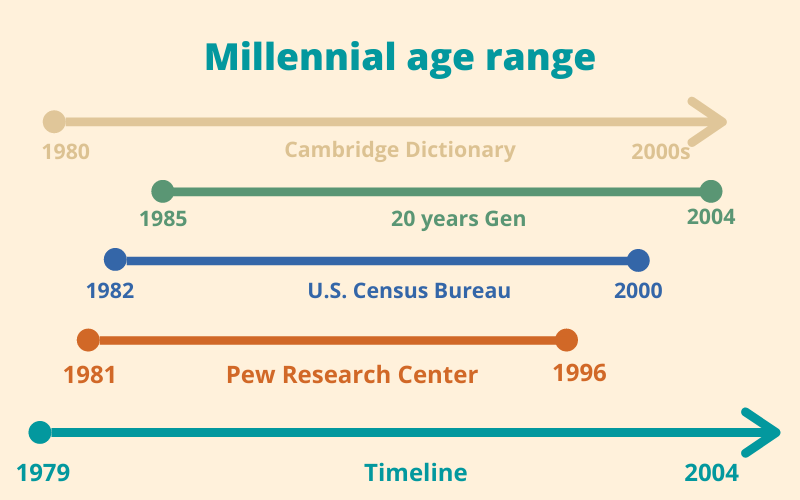
The term “Millennial” is widely used, yet its precise boundaries can sometimes seem fluid. Establishing these parameters is critical for brands to accurately segment their audiences and tailor their messaging with precision. While minor variations exist across different research bodies, a strong consensus provides a clear framework.
The Pew Research Center’s Benchmark
One of the most authoritative sources for defining generational cohorts is the Pew Research Center. According to Pew, Millennials are individuals born between 1981 and 1996. This 16-year span marks a distinct period in socio-economic and technological history that uniquely shaped this generation. Those born within these years came of age around the turn of the new millennium, giving the generation its name. Their childhoods largely predated widespread internet access, but their adolescence and young adulthood coincided with the explosion of the World Wide Web, personal computing, and the advent of mobile technology.
The Nuance of Generational Cohorts
While the 1981-1996 range provides a robust definition, it’s important for brands to acknowledge the inherent nuances within any large generational group. Sub-cohorts often emerge, reflecting subtle shifts in formative experiences. For instance, “Xennials” (roughly 1977-1983) are sometimes identified as a micro-generation bridging Generation X and Millennials, experiencing an analog childhood but a digital early adulthood. Similarly, “early Millennials” (1981-1988) might have a slightly different perspective from “late Millennials” (1989-1996), particularly concerning early technology adoption and economic entry points. For brands, this isn’t about discarding the broader definition but understanding that messaging may need fine-tuning for different segments within the Millennial range. A one-size-fits-all approach, even within a single generation, risks missing critical opportunities for deeper connection.
Why Exact Dates Matter for Brands
The precision in defining Millennial birth years directly translates into tangible benefits for brand strategy. Firstly, it enables accurate market segmentation. Brands can confidently identify their target Millennial audience and allocate resources effectively. Secondly, it informs product development. Understanding when Millennials were born helps brands retroactively analyze their shared experiences, anticipating needs and preferences shaped by those years. For example, a brand selling consumer electronics would recognize that early Millennials witnessed the transition from dial-up to broadband, while later Millennials grew up with high-speed internet as a given. This informs feature sets, user experience design, and overall product philosophy. Finally, these dates are crucial for competitive analysis, allowing brands to see how rivals are engaging with this specific demographic and identifying gaps or opportunities in the market. Without this fundamental demographic clarity, branding efforts risk being unfocused and inefficient, leading to wasted marketing spend and diluted brand messaging.
The Formative Experiences Shaping the Millennial Consumer
Beyond mere birth years, the defining characteristic of the Millennial generation lies in the shared historical, technological, and economic contexts they experienced during their formative years. These experiences have indelibly stamped their values, priorities, and ultimately, their approach to consumption and brand loyalty. For brands, understanding these deep-seated influences is paramount to crafting authentic and resonant connections.
Digital Natives in a Rapidly Evolving World
Millennials represent the first generation to grow up truly alongside the internet. While not all were born with a smartphone in hand, their adolescence and young adulthood were inextricably linked to the rise of personal computers, the World Wide Web, social media, and mobile technology. This has profound implications for brand engagement. They expect seamless digital experiences, instant gratification, and personalized interactions. Their default mode of research, shopping, and communication is online. Brands that fail to prioritize a robust digital presence, intuitive apps, and social media engagement risk becoming invisible to this demographic. Moreover, their digital fluency has made them adept at filtering information, discerning authenticity, and quickly identifying marketing ploys, demanding a more transparent and value-driven approach from brands.
Economic Headwinds and Financial Consciousness
Many Millennials entered the workforce during or shortly after significant economic downturns, such as the 2008 financial crisis. This, coupled with rising student debt, stagnating wages relative to inflation, and increasing costs of living, has instilled a particular financial consciousness. They are often characterized by a pragmatic approach to spending, valuing utility, durability, and value for money. While they appreciate quality, overt extravagance may be viewed with skepticism. This generation is also more likely to be fiscally savvy, comparing prices, reading reviews, and seeking out deals. Brands aiming to attract Millennials must demonstrate clear value propositions, transparent pricing, and potentially offer flexible payment solutions. Financial well-being, both personal and societal, also plays a role in their purchasing decisions, leading to a preference for brands that align with ethical financial practices.
Values-Driven Consumerism and Social Impact
Perhaps one of the most significant shifts driven by Millennials is the demand for brands to stand for something beyond their products or services. This generation is highly attuned to social justice, environmental sustainability, ethical labor practices, and corporate responsibility. They are not merely buying products; they are investing in brands that reflect their personal values. Authenticity, transparency, and purpose are not buzzwords but essential criteria for brand loyalty. Brands that genuinely commit to sustainable practices, fair trade, diversity, and community engagement will win over Millennial consumers. Conversely, brands perceived as exploitative, environmentally damaging, or disingenuous risk severe backlash and erosion of trust. This means brand identity and corporate social responsibility (CSR) initiatives must be deeply integrated into the core business model, not merely tacked on as marketing ploys.
Tailoring Brand Strategy to the Millennial Psyche
Given the unique formative experiences of Millennials, a generic brand strategy will fall short. Brands must consciously adapt their approach to corporate identity, communication, and overall market positioning to effectively capture and retain this influential consumer group. This involves a fundamental rethinking of how value is created and communicated.

Authenticity and Transparency: Non-Negotiables
For Millennials, authenticity is paramount. They grew up in an era of information overload and heightened skepticism, making them highly attuned to inauthenticity. Brands can no longer hide behind glossy advertisements or corporate jargon. They demand transparency in sourcing, production, pricing, and even corporate decision-making. This means open communication, admitting mistakes, and sharing the brand’s true story. For personal branding, this translates into being genuine and relatable. For corporate brands, it means demonstrating integrity at every touchpoint. Brands that genuinely embody their values and are open about their processes build trust and foster loyalty, which for Millennials, is a far more powerful driver than traditional advertising.
Digital-First Engagement and Omnichannel Presence
Given their status as digital natives, Millennials expect brands to meet them where they are: online. This translates into a necessity for a robust digital-first strategy, encompassing everything from user-friendly websites and intuitive mobile apps to active and responsive social media channels. However, “digital-first” does not mean “digital-only.” Millennials also value seamless transitions between online and offline experiences. An omnichannel presence ensures that a customer’s journey, whether beginning with an Instagram ad, moving to an in-store visit, and culminating in an online purchase, is cohesive and uninterrupted. Brands must invest in integrated CRM systems and digital tools that allow for personalized communication regardless of the channel. The goal is to create a frictionless, consistent, and engaging brand experience across all touchpoints.
Experiential Marketing and Community Building
Millennials often prioritize experiences over possessions. This preference significantly impacts their engagement with brands. Traditional advertising, which simply presents a product, is less effective than marketing that offers an immersive or participatory experience. Experiential marketing, such as pop-up shops, interactive campaigns, sponsored events, or personalized brand activations, resonates deeply. Furthermore, Millennials seek community and belonging. Brands that foster a sense of community around their products or values, through online forums, loyalty programs, or user-generated content initiatives, cultivate deeper connections. This turns consumers into advocates, who then contribute to the brand’s organic growth and authentic storytelling. Design plays a crucial role here, creating spaces and interfaces that invite interaction and foster a sense of shared identity.
Marketing to Millennials: Beyond Stereotypes
Effective marketing to Millennials requires moving past broad generalizations and embracing nuanced strategies that speak to their core motivations and behaviors. This isn’t about chasing trends but understanding the underlying drivers that shape their consumer journey.
Content that Resonates: Storytelling and Purpose
Millennials don’t want to be “sold to”; they want to be engaged and informed. Content marketing is therefore incredibly effective, provided it offers genuine value. Brands should focus on storytelling that articulates their purpose, their mission, and the positive impact they aim to make. This content can take many forms: blog posts, videos, podcasts, infographics, or interactive quizzes. The key is to be educational, inspiring, or entertaining, and to align with the values discussed earlier. Rather than overtly promoting a product, successful content marketing demonstrates how the brand aligns with the Millennial lifestyle and values, solving problems or enriching lives in a meaningful way.
Influencer Marketing and Peer Validation
Having grown up with the internet and social media, Millennials trust peer recommendations and authentic voices more than traditional celebrity endorsements. This makes influencer marketing a powerful tool. However, the key lies in selecting influencers whose values genuinely align with the brand and who have an authentic connection with their audience. Micro-influencers and nano-influencers, with their highly engaged and niche followings, often prove more effective than mega-celebrities for reaching specific Millennial segments. The goal is to facilitate genuine conversations and endorsements, leveraging the innate trust Millennials place in relatable figures and communal feedback. User-generated content also falls under this umbrella, allowing consumers to become advocates and storytellers for the brand.
Personalization at Scale
Millennials expect personalized experiences. They are comfortable sharing data if it leads to more relevant recommendations, customized content, and streamlined services. Brands must leverage data analytics and AI tools to deliver personalization at scale, moving beyond generic email blasts to tailored product suggestions, personalized offers, and dynamic website content. This creates a feeling of being understood and valued, fostering deeper connections. However, personalization must be balanced with respect for privacy and data security, as Millennials are also acutely aware of potential misuses of their information. Ethical data practices are as important as the personalization itself.
The Enduring Influence of Millennials on Future Brand Trends
As Millennials age and move into higher income brackets and leadership positions, their consumer habits and expectations continue to exert a profound and lasting influence on brand strategy across industries. Their imprint on the market is not merely a passing phase but a transformative force that has reset the bar for how brands must operate to succeed.
Shifting Brand Loyalty Paradigms
Traditional brand loyalty, often built on habit or limited choice, is less common among Millennials. Their loyalty is earned through a continuous demonstration of value, authenticity, and alignment with their evolving ethical and social concerns. Brands can no longer rest on their laurels; they must consistently innovate, communicate transparently, and remain agile in responding to Millennial feedback and market shifts. This has forced brands to become more customer-centric, focusing on continuous improvement and genuine relationship building rather than relying solely on established reputation. The rise of subscription models and dynamic loyalty programs reflects this need to continuously provide value and foster engagement.
Legacy and Longevity in a Fast-Paced Market
The Millennial generation’s demand for brands with purpose and integrity has pushed corporate identity beyond mere logos and slogans. It has compelled brands to examine their core values, their societal impact, and their commitment to sustainability. Brands that successfully navigate these demands are building not just market share, but a lasting legacy. They are demonstrating that profitability and purpose are not mutually exclusive but intertwined. As Millennials continue to shape the economy, brands that embrace these principles, prioritizing ethical practices, environmental stewardship, and social responsibility, are better positioned for long-term success. They are establishing a new standard for corporate citizenship, ensuring that future generations, including Gen Z and beyond, will continue to demand more from the brands they choose to support. Understanding what years the Millennials are considered is therefore not just about targeting a present demographic; it is about anticipating and adapting to the future of brand building itself.
aViewFromTheCave is a participant in the Amazon Services LLC Associates Program, an affiliate advertising program designed to provide a means for sites to earn advertising fees by advertising and linking to Amazon.com. Amazon, the Amazon logo, AmazonSupply, and the AmazonSupply logo are trademarks of Amazon.com, Inc. or its affiliates. As an Amazon Associate we earn affiliate commissions from qualifying purchases.