
The question “what year did Tesla come out?” often serves as a gateway to understanding one of the most disruptive and influential technology companies of the 21st century. While many immediately associate the company with its charismatic CEO, Elon Musk, the full story of Tesla’s genesis and evolution is richer and more complex, marking a pivotal moment in the convergence of automotive engineering and advanced technology.
Tesla Motors, Inc. was founded in July 2003 by Martin Eberhard and Marc Tarpenning. Their vision was to create high-performance electric vehicles (EVs) that would challenge the prevailing skepticism about electric cars and prove that they could be desirable, fun to drive, and environmentally superior. Elon Musk joined the company in 2004 as a major investor and chairman, eventually taking on the role of CEO and product architect, becoming the public face synonymous with the brand’s audacious ambitions. This founding year of 2003 thus represents the critical inflection point where the concept of a technologically advanced electric car company first took tangible form, setting the stage for a revolution not just in transportation, but across multiple tech sectors.

The Dawn of an Electric Era: Tesla’s Genesis and Vision
Tesla’s emergence was not merely the launch of another car company; it was the birth of a technology firm with an automotive product. From its very inception, the company aimed to tackle the fundamental challenges that had relegated electric vehicles to niche status for decades: limited range, slow performance, and an uninspiring aesthetic. The founders believed that by applying a Silicon Valley tech startup mindset to the automotive industry, they could overcome these hurdles.
Origins and the Visionaries
Martin Eberhard and Marc Tarpenning, both successful entrepreneurs from the tech world, recognized the limitations of traditional internal combustion engine (ICE) vehicles and the untapped potential of electric powertrains. They observed that battery technology, fueled by advancements in consumer electronics, was maturing to a point where it could credibly power a car. Their initial goal was not to build a mass-market car immediately but to create a high-performance sports car that would serve as a “halo product,” proving the viability and excitement of electric propulsion.
Elon Musk’s early investment and subsequent leadership were instrumental in shaping Tesla’s trajectory. Musk, already famous for co-founding PayPal, brought not only significant capital but also an ambitious, long-term vision rooted in sustainable energy and advanced technology. He pushed the company to think bigger than just electric sports cars, envisioning a future where all transportation and energy infrastructure would be electric and renewable. This foresight transformed Tesla from an EV startup into a multifaceted tech giant focused on accelerating the world’s transition to sustainable energy.
The Initial Spark: Aiming for Electric Performance
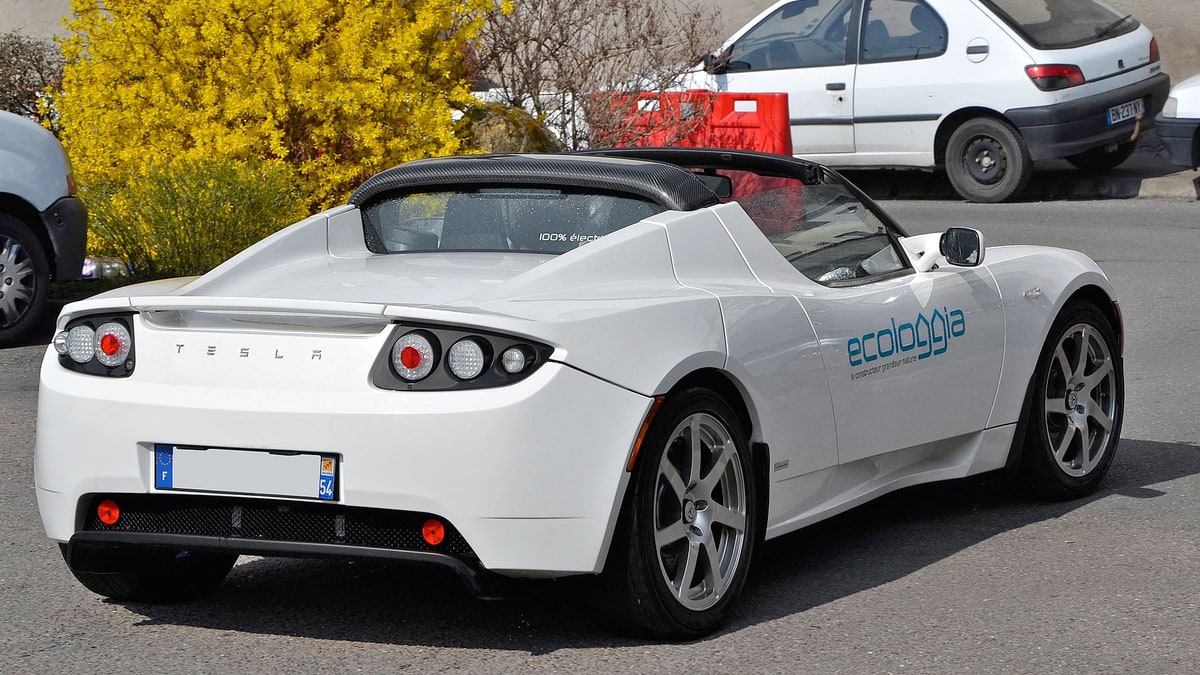
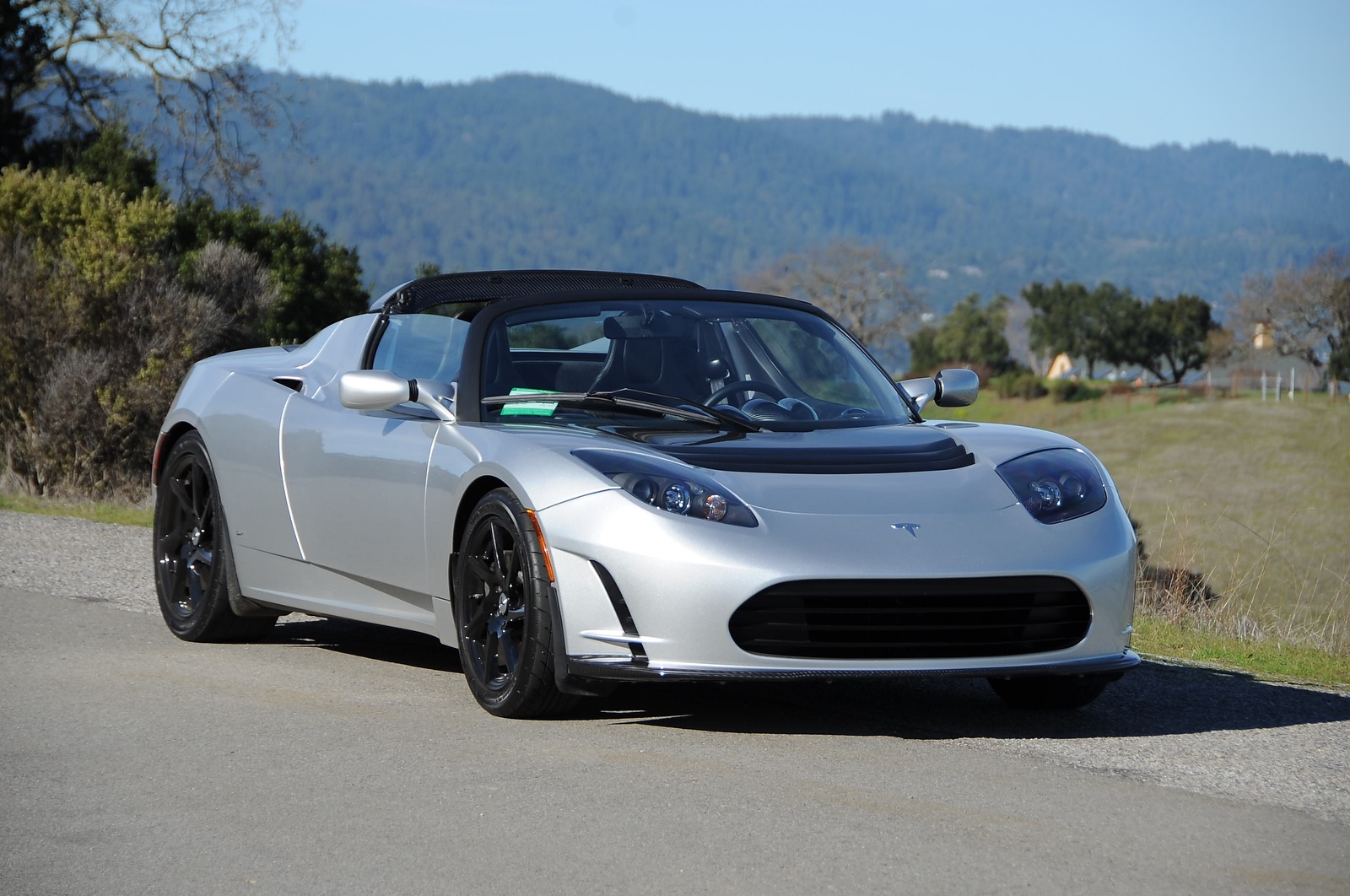
The first product born from this vision was the Tesla Roadster, unveiled in 2006 and delivered to customers starting in 2008. The Roadster was a critical proof-of-concept. Built on a Lotus Elise chassis, it featured a groundbreaking lithium-ion battery pack and an electric motor that delivered astonishing acceleration and a range of over 200 miles on a single charge – unheard of for an EV at the time.
The Roadster wasn’t just fast; it was a technological marvel that challenged preconceptions. It demonstrated that an electric car could offer superior performance, a substantial range, and be genuinely desirable. This initial offering, while limited in production and high in price, successfully captured the imagination of early adopters and the tech community, laying the groundwork for Tesla’s subsequent, more ambitious projects. It established Tesla’s identity not just as an automaker, but as an innovator dedicated to pushing the boundaries of what was technologically possible in personal transportation.
Electrifying the Automobile Industry: Tesla’s Technological Milestones
Tesla’s impact on the tech landscape extends far beyond simply making electric cars. The company systematically challenged and innovated upon every facet of automotive design, engineering, and manufacturing, treating the car less as a mechanical device and more as a sophisticated, software-defined gadget. This approach has led to several technological breakthroughs that have reshaped the entire industry.
Battery Technology and Powertrain Innovation
At the core of every Tesla vehicle lies its advanced battery technology. From the outset, Tesla invested heavily in optimizing lithium-ion battery packs for automotive use, overcoming the challenges of energy density, thermal management, and longevity. The company’s unique approach to battery management systems (BMS) ensures optimal performance and safety, maximizing the life and efficiency of its large battery arrays. Tesla’s focus on vertical integration, including the development of its own battery cells (like the 4680), underscores its commitment to pushing the envelope in energy storage.
Equally significant are Tesla’s electric powertrains. The company designs and manufactures its own electric motors, which are renowned for their efficiency, power output, and compact size. The integration of the motor, power electronics, and gear reduction into a single unit has set new benchmarks for EV powertrain design, influencing competitors and accelerating the adoption of similar architectures across the industry. This relentless pursuit of efficiency and performance in its core components distinguishes Tesla as a true technology leader.
Software-Defined Vehicles and Over-the-Air Updates
Perhaps one of Tesla’s most profound technological contributions is its pioneering of the “software-defined vehicle.” Unlike traditional cars, where software is largely secondary to mechanical hardware, Tesla treats its vehicles as networked computers on wheels. This approach enables unprecedented levels of customization, functionality, and continuous improvement through over-the-air (OTA) software updates.
OTA updates allow Tesla to deploy new features, enhance existing ones, improve performance, fix bugs, and even upgrade aspects of the car’s hardware functionality remotely, akin to updating a smartphone. This paradigm shift fundamentally alters the ownership experience, as a Tesla can literally get better over time without visiting a service center. Features like “Sentry Mode,” new user interface designs, performance boosts, and even range improvements have all been delivered via OTA updates, a capability that legacy automakers are now scrambling to replicate. This makes the car a continuously evolving tech product rather than a static piece of machinery.
Autonomy and AI: Pushing the Boundaries of Driving
Tesla has been at the forefront of developing advanced driver-assistance systems (ADAS) and autonomous driving technology. Its Autopilot system, introduced in 2014, was one of the first commercially available systems offering adaptive cruise control and lane-keeping assistance. The company’s subsequent development of “Full Self-Driving” (FSD) capabilities, though still in beta and requiring active driver supervision, represents a monumental effort in artificial intelligence and computer vision.
Tesla’s strategy relies heavily on a fleet-learning approach, leveraging data from millions of vehicles on the road to train its neural networks. This massive dataset, combined with its custom AI hardware (like the FSD computer chip) and dedicated supercomputing infrastructure (Dojo), allows Tesla to continuously refine its AI models for object recognition, prediction, and path planning. The ambition to achieve true Level 5 autonomy, where a vehicle can operate entirely without human intervention, places Tesla at the vanguard of AI research and development within the automotive sector and beyond.
Beyond the Car: Tesla’s Broader Technological Ecosystem
Tesla’s technological vision extends far beyond merely manufacturing electric vehicles. The company has strategically diversified into several interconnected sectors, aiming to create an entire sustainable energy ecosystem that addresses generation, storage, and consumption. This holistic approach reinforces its identity as a technology company rather than just an automotive manufacturer.
Energy Solutions: Powering the Future Grid
Recognizing that electric vehicles are only one piece of the sustainable energy puzzle, Tesla expanded into energy generation and storage solutions. The acquisition of SolarCity in 2016 brought solar panel manufacturing and installation under the Tesla umbrella, leading to innovative products like the Solar Roof, which seamlessly integrates solar cells into architectural roofing tiles. This provides homeowners with an aesthetic and efficient way to generate their own clean electricity.
For energy storage, Tesla developed the Powerwall for residential use and the Megapack for utility-scale applications. The Powerwall allows homeowners to store solar energy for use during outages or peak demand periods, effectively enabling energy independence. The Megapack, a massive battery storage solution, is designed to stabilize national grids, integrate renewable energy sources more effectively, and prevent blackouts. These products represent significant technological advancements in battery chemistry, power electronics, and software for grid management, demonstrating Tesla’s commitment to transforming the global energy infrastructure.
Manufacturing Innovation: The Gigafactory Approach
Tesla’s approach to manufacturing is as technologically advanced as its products. The concept of the “Gigafactory” is central to this strategy. These immense facilities are designed not just for assembly but for vertical integration, bringing battery production, powertrain manufacturing, and vehicle assembly under one roof. This allows for unprecedented levels of efficiency, cost reduction, and quality control.
The Gigafactories are laboratories for advanced manufacturing techniques, including extensive automation, robotics, and innovative production processes like large-scale casting (e.g., Giga Press) to reduce the number of parts and simplify assembly. Tesla’s emphasis on “the machine that builds the machine” highlights its focus on engineering the manufacturing process itself as a technological challenge, aiming for exponential improvements in production speed and cost efficiency. This industrial innovation is crucial for scaling EV production globally and achieving Tesla’s ambitious goals.
Robotics and Artificial Intelligence: Extending the Vision
Tesla’s technological pursuits are increasingly branching into general-purpose artificial intelligence and robotics. The development of the “Dojo” supercomputer, designed specifically for training AI models for autonomous driving, showcases Tesla’s investment in foundational AI research. Dojo is not just about cars; it’s about pushing the boundaries of AI processing power and efficiency.
Furthermore, the introduction of the “Optimus” humanoid robot signifies Tesla’s long-term ambition to apply its AI and robotics expertise to broader applications beyond vehicles. Optimus is envisioned as a general-purpose robot capable of performing repetitive or dangerous tasks, eventually contributing to a future of ubiquitous AI-powered automation. This move firmly plants Tesla in the burgeoning field of advanced robotics, illustrating its technological scope that far transcends its automotive origins.
Tesla’s Impact on the Tech Landscape and Future Outlook
Since its founding in 2003, Tesla has transformed from a niche EV startup into a global technology powerhouse, fundamentally reshaping multiple industries. Its influence is a testament to its relentless innovation and its unwavering commitment to a sustainable, technologically advanced future.
Accelerating EV Adoption and Infrastructure
Perhaps Tesla’s most immediate and visible impact has been its role in accelerating the mainstream adoption of electric vehicles. By demonstrating that EVs could be high-performance, desirable, and practical, Tesla shattered numerous myths and forced legacy automakers to pivot their strategies towards electrification. The company’s direct sales model, focus on user experience, and the establishment of its proprietary Supercharger network also set new standards for how EVs are sold and supported, reducing range anxiety and enhancing convenience for owners worldwide.
The Supercharger network itself is a technological marvel, offering rapid charging capabilities and a seamless user experience that was virtually non-existent before Tesla. This infrastructure development has been crucial in making long-distance EV travel feasible and has pressured governments and other companies to invest in public charging solutions, further cementing the EV revolution.
Redefining Automotive as a Tech Product
Tesla has irrevocably redefined what a car can be. By treating vehicles as advanced tech products, continuously improved through software, with sophisticated computing power at their core, Tesla has shifted consumer expectations. Today’s car buyers expect connectivity, advanced driver-assistance features, intuitive user interfaces, and the potential for over-the-air updates – all concepts pioneered and popularized by Tesla.
This shift has forced traditional automakers to invest heavily in software development, AI capabilities, and user experience design, transforming them from purely mechanical engineering companies into hybrid tech-auto entities. The competition that Tesla has spurred has led to an explosion of innovation across the entire automotive sector, benefiting consumers with more advanced, safer, and cleaner vehicles.
The Road Ahead: Continued Innovation and Challenges
Looking forward, Tesla’s journey is far from over. The company continues to innovate with new vehicle platforms (e.g., Cybertruck, next-generation small car), advanced battery technologies, further advancements in autonomous driving, and the expansion of its energy and robotics divisions. Its ambition to achieve full self-driving, develop versatile humanoid robots, and build a global sustainable energy ecosystem ensures that Tesla will remain a central figure in the technology landscape for decades to come.
However, Tesla also faces significant challenges. Intense competition from both legacy automakers and new EV startups, regulatory hurdles for autonomous driving, the complexities of scaling global manufacturing, and the continuous need for technological breakthroughs will test the company’s resilience and innovative spirit. Despite these obstacles, Tesla’s founding in 2003 marked the beginning of an era where technology truly drove the automotive industry forward, and its ongoing evolution promises to continue shaping the future of mobility, energy, and artificial intelligence for the world.
aViewFromTheCave is a participant in the Amazon Services LLC Associates Program, an affiliate advertising program designed to provide a means for sites to earn advertising fees by advertising and linking to Amazon.com. Amazon, the Amazon logo, AmazonSupply, and the AmazonSupply logo are trademarks of Amazon.com, Inc. or its affiliates. As an Amazon Associate we earn affiliate commissions from qualifying purchases.