
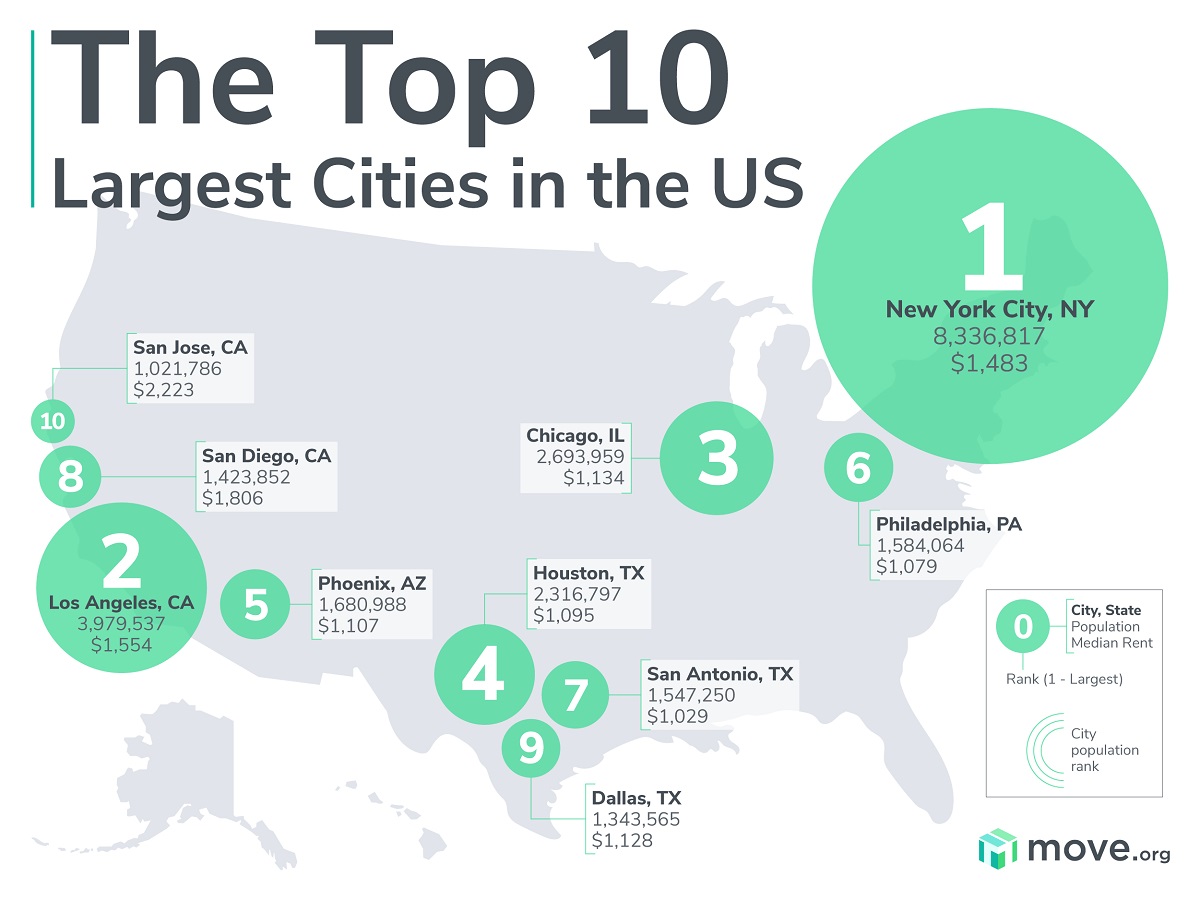
The question of which U.S. city holds the crown for the highest population is more than a mere demographic fact; it’s a gateway to understanding the intricate financial ecosystems that define America’s urban landscape. While the precise answer can fluctuate slightly depending on whether one considers the city proper, the metropolitan statistical area (MSA), or the combined statistical area (CSA), the city that consistently emerges at the top of the list for its sheer municipal density and individual inhabitants is New York City.
New York City, with its five boroughs, is an unparalleled magnet for people from across the globe, driving an economic engine that reverberates nationally and internationally. As of recent estimates (typically based on U.S. Census Bureau data), its population within the city limits often surpasses 8.5 million residents, making it by far the most populous city in the United States. When considering the broader metropolitan area, New York’s dominance becomes even more pronounced, encompassing millions more across parts of New York, New Jersey, Connecticut, and Pennsylvania. This colossal concentration of humanity creates a unique set of financial dynamics, opportunities, and challenges that are vital for anyone navigating personal finance, investing, or business within its sphere of influence, or indeed, within any major urban center. Understanding the financial implications of such a dense population is crucial, not just for residents, but for investors and businesses looking to tap into robust markets.
The Economic Gravitational Pull of Population Hubs
Populated urban centers like New York City act as massive economic gravitational wells, attracting talent, capital, and innovation. This concentration of resources is not accidental; it’s a direct consequence of the advantages offered by density. The sheer volume of people translates directly into a vibrant economy, creating an environment rich with both opportunities and competitive pressures across various financial domains.
The Nexus of Commerce and Capital
Major cities are inherently the hubs of commerce and capital. New York City, for instance, is home to Wall Street, a global epicenter of finance, and boasts a GDP that rivals that of entire countries. This concentration of financial institutions, corporate headquarters, and diverse industries — from technology and media to fashion and healthcare — creates a constant flow of transactions, investments, and wealth generation. For businesses, this means access to a vast customer base, a deep talent pool, and extensive networking opportunities. For investors, it signifies a robust market for stocks, bonds, and private equity, often providing early access to emerging trends and disruptive innovations. The dense interplay of businesses and consumers fuels a self-sustaining economic cycle, making these cities critical components of national and global economies.
Job Markets and Income Potential
One of the most immediate financial benefits of a highly populated city is its dynamic job market. These cities offer an unparalleled diversity of employment opportunities across virtually every sector imaginable. From entry-level positions to highly specialized executive roles, the sheer volume of businesses ensures a constant demand for labor. While competition can be fierce, the availability of diverse roles often translates into higher income potential for skilled professionals compared to less populated areas. However, this higher income must be weighed against the significantly elevated cost of living, which is a defining characteristic of these urban environments. Understanding the net financial gain after expenses is crucial for individuals considering a move to such a city. Moreover, the prevalence of high-paying industries, particularly in finance, tech, and specialized services, pushes up average salaries, creating a more affluent consumer base that further fuels local economies.
Entrepreneurial Ecosystems and Business Finance
For aspiring entrepreneurs, populous cities offer fertile ground. The density of potential customers, the availability of venture capital, incubators, and accelerators, and the presence of a diverse and skilled workforce create a robust entrepreneurial ecosystem. Starting a business in a city like New York means immediate access to a massive market for goods and services. However, it also means navigating intense competition and often higher operational costs, particularly for real estate. Business finance in these environments is often more sophisticated, with a wider array of funding options from angel investors and venture capitalists to traditional bank loans and crowdfunding platforms. The challenge lies in distinguishing one’s business in a crowded market and meticulously managing finances to overcome the higher overheads inherent to urban operations. Success in these ecosystems often hinges on strong financial planning, strategic market positioning, and leveraging local networks.
Navigating Personal Finance in High-Density Cities
While the economic opportunities in densely populated cities are vast, individuals face unique financial challenges that demand strategic planning and disciplined execution. The high cost of living is often the most significant hurdle, impacting everything from housing to daily necessities.
The High Cost of Urban Living (Housing, Necessities)
The most striking financial reality of cities like New York is the exorbitant cost of living, particularly housing. Rents for even modest apartments can consume a substantial portion of an individual’s income, making homeownership an elusive dream for many. Beyond housing, the cost of groceries, transportation, utilities, and services is generally higher due to increased demand, higher operational costs for businesses, and often, higher local taxes. This phenomenon requires residents to adopt stringent budgeting strategies and make deliberate financial choices. For example, opting for public transportation over car ownership (which is often impractical and expensive due to parking and insurance) can provide significant savings, though transit fares themselves add up. The premium placed on convenience and access in urban environments directly translates into higher prices for almost every commodity and service.
Budgeting Strategies for City Dwellers
Effective budgeting is not just advisable but essential for financial survival and prosperity in a high-cost urban environment. City dwellers must be meticulous in tracking expenses, setting strict limits, and prioritizing needs over wants. Strategies often include seeking out affordable neighborhoods (even if they are further from the city center), cooking at home more often, leveraging discount programs, and carefully evaluating discretionary spending. Building an emergency fund becomes even more critical due to the higher baseline expenses. Furthermore, optimizing income through side hustles or salary negotiations is paramount. Financial literacy, understanding one’s cash flow, and making conscious spending decisions are non-negotiable for thriving in these competitive environments. Without a robust financial plan, the allure of city life can quickly turn into a treadmill of endless expenses.
Financial Tools and Resources for Urbanites
Fortunately, the financial sector within major cities is often at the forefront of innovation, offering a plethora of tools and resources to help residents manage their money. From budgeting apps and robo-advisors to financial literacy workshops and community banking services, urbanites have access to advanced financial infrastructure. Many institutions offer specialized services tailored to the needs of city residents, such as housing assistance programs, small business loans, and investment advice geared towards high-income, high-expense scenarios. Leveraging these tools – whether it’s an app that tracks every transaction, a financial advisor specializing in urban real estate, or local credit unions offering competitive rates – can significantly enhance one’s ability to navigate the complex financial landscape of a populous city.
Investment Opportunities and Challenges in Populous Centers
For investors, populous cities represent a unique dichotomy: immense opportunity coupled with significant challenges, especially concerning valuation and market saturation.
Real Estate Dynamics: A Double-Edged Sword
Real estate in densely populated cities is perhaps the most visible and often most lucrative (or perilous) investment opportunity. High demand, limited space, and continuous population growth tend to drive property values upwards, offering substantial capital appreciation potential. Residential, commercial, and mixed-use properties can generate significant rental income, making them attractive assets for long-term investors. However, this same demand drives prices sky-high, necessitating substantial capital investment and making entry prohibitive for many. Property taxes, maintenance costs, and regulatory hurdles can also be considerable. Furthermore, market corrections in these expensive markets can be severe, requiring investors to have deep pockets and a long-term perspective. Understanding micro-markets within the city, demographic shifts, and zoning regulations is crucial for successful real estate investment.
Stock Market and Local Business Investment
Beyond real estate, populous cities provide fertile ground for stock market investments, particularly through publicly traded companies headquartered or with significant operations in these urban centers. Investors can benefit from the growth of these companies which are often powered by the city’s economic vitality and talent pool. Additionally, for those interested in more direct investment, local business ventures offer opportunities. Angel investing, venture capital funds focused on urban startups, or even direct equity in promising local businesses can yield high returns, albeit with higher risks. The proximity to innovation and market trends makes these cities ideal for identifying the next big thing, but due diligence and a deep understanding of the local economy are paramount. The vast number of consumers often provides a stable base for successful local businesses, making them attractive investment targets.
Infrastructure and Development: Long-Term Plays
Populous cities are constantly evolving, requiring continuous investment in infrastructure – transportation, utilities, digital networks, and public services. This ongoing development creates long-term investment opportunities, often through municipal bonds or private-public partnerships. Investing in companies that design, build, or manage urban infrastructure can be a stable play, benefiting from the city’s need to support its growing population and economic activities. These investments, while perhaps less glamorous than tech startups, often offer consistent returns and contribute to the sustainable growth of the city. Understanding the city’s master plan and future development projects can unlock significant long-term value for patient investors.
The Rise of Online Income and Side Hustles in Densely Populated Areas
The high cost of living and the competitive nature of urban job markets have spurred a surge in online income generation and side hustles, transforming how residents supplement their primary earnings or even build entirely new careers.
Leveraging Urban Demographics for Digital Ventures
The sheer volume of people in a city provides a built-in market for digital ventures. Online businesses, e-commerce stores, and digital service providers can leverage the dense urban demographics for customer acquisition, targeted marketing, and rapid scaling. For instance, a niche online boutique or a specialized digital consulting service can find a concentrated customer base more easily than in a sparsely populated area. The diverse skill sets available in urban populations also mean a richer pool for collaboration and outsourcing, which is crucial for digital entrepreneurs. Proximity to major logistics hubs also aids in e-commerce fulfillment, making it easier to serve a broader customer base efficiently.
Gig Economy Opportunities and Local Services
The gig economy thrives in populous cities. Platforms connecting freelancers with clients for tasks ranging from ride-sharing and food delivery to graphic design and virtual assistance find an endless supply of both workers and customers. For individuals, these side hustles offer flexibility and an immediate way to earn supplemental income, crucial for offsetting high urban expenses. Moreover, a robust market for local services—think dog walking, personal training, tutoring, or home organization—emerges due to the high demand from busy urban professionals. These services can be marketed offline or through online platforms, leveraging the density of potential clients. The constant movement and rapid pace of city life create numerous micro-opportunities for those willing to provide convenience and specialized services.
Building Passive Income Streams Amidst the Bustle
Building passive income streams is particularly attractive in high-cost cities, offering a path to financial freedom or at least a significant buffer against expenses. This can involve creating digital products (e-books, online courses), investing in dividend stocks or REITs (Real Estate Investment Trusts that own urban properties), or even leveraging spare rooms through short-term rentals (subject to local regulations). The dense population provides a larger potential audience for digital products and services, and the robust local economy can support various automated income generators. The goal is to set up systems that generate revenue with minimal ongoing effort, allowing individuals to focus on their primary careers or simply enjoy the benefits of urban living without constant financial stress.
Future Trends and Sustainable Growth in US Urban Centers
Looking ahead, the financial trajectory of populous US cities will be shaped by a confluence of evolving demographic patterns, technological advancements, and a growing emphasis on sustainability and quality of life. Understanding these trends is critical for long-term financial planning and investment.
Adapting to Demographic Shifts
Urban populations are not static; they are constantly evolving. Shifts in age demographics, ethnic diversity, and family structures will influence housing demand, consumption patterns, and the types of services required. Cities will need to financially adapt to an aging population, for instance, by investing in healthcare infrastructure and elder care services, or cater to younger generations through tech-focused job creation and affordable housing initiatives. Understanding these shifts allows investors to anticipate future market needs and positions businesses to serve emerging customer segments. Governments and urban planners will need to develop financial strategies that can accommodate these changes while maintaining fiscal stability.
Smart City Investments and Financial Planning
The concept of “smart cities,” leveraging technology to improve urban efficiency and sustainability, presents significant investment opportunities. This includes infrastructure for high-speed internet, smart energy grids, intelligent transportation systems, and data-driven public services. Private and public funds will be directed towards these innovations, creating new sectors for investment and employment. From a financial planning perspective, residents may benefit from lower utility costs, improved transit efficiency, and enhanced safety, while businesses can operate more efficiently and access more data for decision-making. Investors who back companies at the forefront of smart city solutions are likely to see substantial long-term returns as urban areas continue to digitize and optimize.

Balancing Growth with Affordability and Quality of Life
The ultimate financial challenge for populous cities is balancing economic growth with affordability and a high quality of life for all residents. Unchecked growth can lead to spiraling costs, displacement, and increased social inequality, which can ultimately undermine the city’s economic vitality. Financial strategies will increasingly focus on sustainable development, including affordable housing initiatives, investments in green infrastructure, and equitable economic development programs. This involves complex financial engineering, public-private partnerships, and innovative funding models. For individuals, these initiatives aim to ensure that the financial benefits of urban living are accessible to a broader segment of the population. For investors, this translates into opportunities in sustainable finance, impact investing, and projects that deliver both financial returns and social good. The ability of a city to manage this balance will determine its long-term financial health and its continued appeal as a magnet for population and capital.
In conclusion, while New York City unequivocally stands as the most populated US city, its demographic dominance is merely the surface of a profound financial story. Its dense population creates a dynamic, high-stakes environment where personal finance, business investment, and economic opportunities are amplified, demanding strategic acumen and a deep understanding of urban financial intricacies. Navigating such a metropolis successfully requires not just ambition, but a keen awareness of the monetary forces at play, driving its continuous evolution and shaping the financial destinies of millions.
aViewFromTheCave is a participant in the Amazon Services LLC Associates Program, an affiliate advertising program designed to provide a means for sites to earn advertising fees by advertising and linking to Amazon.com. Amazon, the Amazon logo, AmazonSupply, and the AmazonSupply logo are trademarks of Amazon.com, Inc. or its affiliates. As an Amazon Associate we earn affiliate commissions from qualifying purchases.