
In the intricate ecosystem of commerce, a brand is a living entity, constantly evolving, interacting, and exposed to myriad influences. Just as a physical organism can suffer from an unforeseen “bug bite”—an irritating itch, a painful welt, or a more serious infection—a brand too can encounter unexpected challenges that subtly or overtly undermine its health and vitality. These “brand bug bites” are often more insidious than glaring crises; they are the creeping inconsistencies, the quiet discontents, the almost imperceptible shifts in perception that, if left undiagnosed and untreated, can fester into significant threats to brand equity and market position.
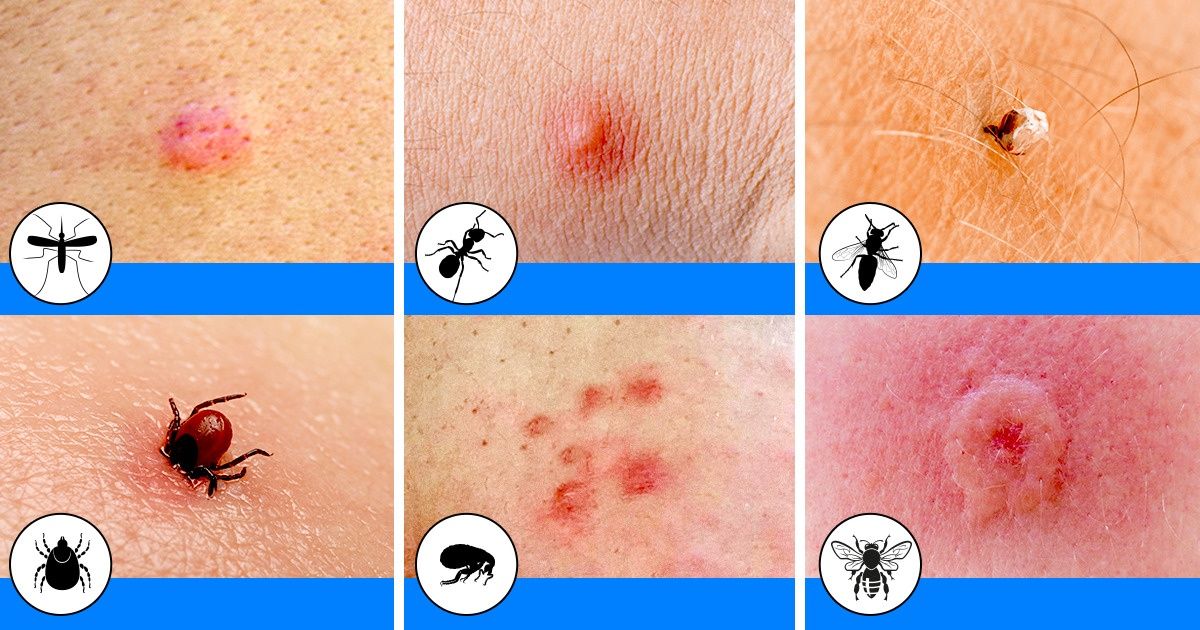
Understanding “what type of brand bug bite this is” is the critical first step in developing an effective antidote. Is it a minor irritation, a systemic infection, or a localized allergic reaction? Each type demands a tailored response, from immediate first aid to long-term strategic adjustments. This article will equip brand strategists, marketing leaders, and business owners with a framework to identify, categorize, and proactively address the various “bug bites” that can afflict a brand, transforming potential vulnerabilities into opportunities for resilience and growth. By embracing a diagnostic mindset, brands can not only survive these challenges but emerge stronger, more authentic, and more deeply connected with their audiences.
The Invisible Puncture: Unpacking Reputational “Bug Bites”
Reputational “bug bites” are perhaps the most dangerous, as they often strike at the very heart of public trust and perception. These are not always catastrophic events but can be a series of small, accumulating pricks that gradually erode the public’s confidence and goodwill. They can be swift and viral or slow and insidious, yet their impact is always profound, touching upon consumer loyalty, employee morale, and stakeholder confidence.
The Viral Sting: Social Media Missteps and Public Outcry
In the hyper-connected digital age, a single misstep can escalate from a minor gaffe to a global public relations crisis in a matter of hours. A tone-deaf advertisement, an insensitive comment from an employee, a poorly handled customer service interaction, or a perceived lack of social responsibility can ignite a “viral sting.” This type of bug bite spreads rapidly across social media platforms, fueled by instant sharing, commentary, and amplified outrage. The key characteristic here is speed and reach; misinformation or negative sentiment can proliferate uncontrollably before the brand even grasps the full extent of the issue. Diagnosing this involves vigilant social listening, understanding the root cause of the outrage, and assessing the sentiment’s intensity and geographic spread. Failure to respond swiftly, transparently, and authentically can lead to deep, lasting scars on the brand’s reputation, manifesting as consumer boycotts, investor skepticism, and a tangible decline in market share.
The Slow Burn: Erosion of Trust from Inconsistent Messaging
Unlike the explosive viral sting, the “slow burn” is a more subtle, yet equally damaging, reputational bug bite. This occurs when a brand consistently delivers inconsistent messages across different platforms, campaigns, or even product lines. Perhaps the brand’s values are espoused in its mission statement but contradicted by its operational practices. Or its marketing speaks to innovation, while its customer service is stuck in the past. This dissonance creates a cognitive gap for the audience, leading to confusion, skepticism, and a gradual erosion of trust. Consumers begin to perceive the brand as inauthentic, unreliable, or simply unclear about its own identity. The diagnosis here requires a comprehensive audit of all brand touchpoints—from internal communications to external advertising—to identify where the narrative fractures. The treatment demands a rigorous alignment of brand voice, values, and actions, ensuring every interaction reinforces a consistent and cohesive brand story.
The Silent Parasite: Negative Customer Experiences
Often overlooked until it’s too late, the “silent parasite” is the cumulative effect of consistently negative, or even just mediocre, customer experiences. While individual complaints might seem isolated, a pattern of unaddressed issues—poor product quality, difficult return policies, unresponsive support—can slowly but surely drain a brand’s vitality. Unlike a public viral sting, these bug bites often happen in private interactions, only to surface later in aggregate form through review sites, word-of-mouth, or churn rates. Customers who feel undervalued or repeatedly disappointed don’t just leave; they often share their negative experiences, acting as unwitting vectors for the parasite. Identifying this bug bite requires meticulous customer feedback mechanisms, analyzing sentiment, and proactive outreach. It speaks volumes about operational deficiencies that, if not rectified, will inevitably lead to a decline in brand loyalty and advocacy, leaving the brand vulnerable to competitors.
The Structural Infection: Design and Identity “Bug Bites”
Beyond reputation, the very essence of a brand’s visual and verbal identity can become infected. These “structural bug bites” impact how a brand presents itself to the world, how it’s recognized, and what it fundamentally communicates about its purpose and personality. They are often about misalignment between intent and perception, or a failure to evolve with the times.
The Blurred Vision: Ineffective Logo and Visual Identity
A brand’s logo and visual identity are its most immediate calling card. When these elements are poorly designed, outdated, or inconsistent in their application, they create a “blurred vision” bug bite. An ineffective logo might be generic, difficult to remember, or fail to convey the brand’s essence. Inconsistent use of colors, fonts, and imagery across different brand assets can dilute recognition and make the brand appear unprofessional or disorganized. This infection prevents the brand from standing out in a crowded market and weakens its ability to forge an instant, memorable connection with its audience. Diagnosing this requires an objective audit of the brand’s entire visual ecosystem, often involving external design expertise and market testing to gauge perception. The remedy frequently involves a brand refresh or, in more severe cases, a complete redesign to sharpen clarity, enhance memorability, and ensure visual consistency that truly reflects the brand’s current identity and aspirations.
The Mismatched Scent: Disconnected Brand Voice and Tone
Just as a distinct scent can evoke strong memories and associations, a brand’s voice and tone shape its personality and how it “feels” to interact with. A “mismatched scent” bug bite occurs when the brand’s verbal communication is inconsistent, generic, or fails to resonate with its target audience. For instance, a brand aiming for a premium, sophisticated image might inadvertently use casual, informal language in its marketing, or a brand promising innovation might sound overly corporate and stiff. This disconnect creates confusion and makes the brand feel inauthentic, undermining its stated values and alienating its intended demographic. Identifying this requires a deep dive into all written and spoken brand communications, from website copy to social media posts, customer service scripts, and advertising slogans. Crafting a clear, consistent, and authentic brand voice and tone guide is essential for treatment, ensuring every message aligns with the brand’s personality and strategic objectives.
The Dated Shell: Brand Refreshment vs. Reinvention
Every brand operates within a dynamic cultural and competitive landscape. Over time, a brand’s visual identity, messaging, or even its core offerings can become antiquated, leading to a “dated shell” bug bite. This isn’t necessarily a flaw in the original design, but rather a failure to evolve. The brand might start to look or feel irrelevant to younger demographics, out of step with current trends, or simply boring compared to more modern competitors. The challenge here is discerning whether the brand needs a minor “refresh”—a cosmetic update to keep it current and vibrant—or a complete “reinvention,” a more radical transformation that redefines its core proposition and visual identity. Diagnosing this requires market research into current trends, competitor analysis, and honest self-assessment regarding the brand’s perceived modernity and relevance. The decision between a refresh and reinvention is strategic, balancing the need for continuity with the imperative for growth and future relevance.
The Metabolic Disruption: Marketing and Strategy “Bug Bites”
These types of “bug bites” affect the fundamental processes by which a brand grows, reaches its audience, and differentiates itself in the market. They are often about inefficiencies, missed opportunities, or a lack of strategic clarity in how the brand generates and sustains value.
The Scattered Swarm: Inefficient Marketing Channel Allocation
A brand suffering from a “scattered swarm” bug bite is one that is deploying its marketing resources too thinly or ineffectively across too many channels, without a clear understanding of its target audience’s habits or the ROI of each channel. This leads to diluted impact, wasted budgets, and a lack of coherent messaging. Instead of focusing its efforts where it can make the most significant impression, the brand’s marketing initiatives become a disparate, uncoordinated buzz, failing to land any meaningful sting. Diagnosing this requires robust data analytics, careful tracking of campaign performance across all platforms, and a deep understanding of customer journey mapping. The treatment involves a strategic consolidation and reallocation of resources, focusing on the channels that yield the highest engagement and conversion rates, ensuring a concentrated and impactful marketing presence.
The Echo Chamber: Lack of Unique Value Proposition
When a brand suffers from an “echo chamber” bug bite, it means its unique value proposition (UVP) is either unclear, generic, or indistinguishable from its competitors. The brand effectively blends into the background, merely echoing the promises and features of others. Without a compelling reason for customers to choose it over alternatives, the brand struggles to attract new business and retain existing clients. This leads to price wars, commoditization, and a perpetual uphill battle for market share. Identifying this bug bite necessitates an honest internal assessment, competitor analysis, and direct customer feedback to understand what, if anything, truly sets the brand apart. The remedy lies in rigorously defining, articulating, and consistently communicating a distinct UVP that resonates with a specific customer need or desire, giving the brand a clear, differentiating voice in the marketplace.
The Blind Spot: Ignoring Market Shifts and Competitor Actions
The “blind spot” bug bite is a dangerous affliction where a brand fails to recognize or adapt to significant changes in the market landscape, technological advancements, or aggressive moves by competitors. This can stem from complacency, an insular corporate culture, or simply a lack of robust market intelligence. Brands caught in a blind spot risk obsolescence as consumer preferences shift, new technologies disrupt industries, or nimble competitors innovate faster. This bug bite is particularly insidious because its effects might not be immediately apparent, but rather manifest as a gradual decline in market relevance and competitiveness. Proactive diagnosis requires continuous market research, competitor benchmarking, trend analysis, and a culture of agility and innovation. The cure demands a willingness to pivot, invest in R&D, and strategically reposition the brand to remain relevant and competitive in an ever-changing environment.
The Antidote and Immunization: Strategies for Brand Recovery and Resilience
Identifying the “type of bug bite” is only half the battle. The true measure of a brand’s strength lies in its ability to not only diagnose but also effectively treat these afflictions and build resilience against future attacks. This requires a two-pronged approach: rapid response for immediate crises and strategic, long-term immunization.
Rapid Response & Damage Control: Immediate Treatment
For acute “bug bites”—like a viral sting or a sudden reputational crisis—rapid response is paramount. This involves immediate acknowledgement of the issue, transparent communication, and a sincere commitment to rectification. Brands must have pre-established crisis communication plans, clear lines of authority, and empowered teams capable of acting decisively. The “antidote” here is swift action: issuing public apologies if necessary, withdrawing problematic content, directly addressing customer concerns, and implementing immediate operational changes to prevent recurrence. The goal is to contain the damage, restore trust as quickly as possible, and demonstrate accountability. Speed, empathy, and honesty are the most potent ingredients in this immediate treatment.
Strategic Re-alignment: Long-term Healing and Strengthening
For more chronic “bug bites”—such as inconsistent messaging, a dated identity, or a weak UVP—the treatment requires strategic re-alignment. This is a longer-term process that involves a comprehensive brand audit, re-evaluating core values, refining brand positioning, and ensuring consistent execution across all touchpoints. It might entail a brand refresh, a new marketing strategy, or significant operational adjustments to improve customer experience. The healing process involves investing in training, fostering a brand-centric culture, and establishing robust internal guidelines to ensure every employee acts as a brand ambassador. This strategic approach strengthens the brand’s internal foundations, making it less susceptible to similar “bug bites” in the future.
Proactive Protection: Building an Anti-Fragile Brand
The ultimate goal is not just to recover from bug bites but to build an “anti-fragile” brand—one that doesn’t just withstand shocks but actually gets stronger from them. This “immunization” involves continuous monitoring, foresight, and a culture of constant adaptation. Brands must implement robust social listening tools, conduct regular brand health checks, foster open feedback channels with customers, and engage in continuous market research. Developing clear brand guidelines, nurturing an authentic brand culture, and investing in employee advocacy can transform potential vulnerabilities into layers of protection. Furthermore, scenario planning and risk assessment can help anticipate potential “bug bites” and develop contingency plans. By proactively protecting against future infections, a brand ensures it remains vibrant, relevant, and resilient, ready to convert any challenge into an opportunity for deeper connection and enduring success.
In conclusion, understanding “what type of brand bug bite this is” is more than just an academic exercise; it’s a strategic imperative. Every brand, regardless of its size or stature, will inevitably face these challenges. However, by adopting a diagnostic mindset, deploying targeted treatments, and proactively building a resilient brand ecosystem, these “bug bites” can be transformed from debilitating threats into catalysts for growth, innovation, and a fortified brand presence that stands the test of time.
aViewFromTheCave is a participant in the Amazon Services LLC Associates Program, an affiliate advertising program designed to provide a means for sites to earn advertising fees by advertising and linking to Amazon.com. Amazon, the Amazon logo, AmazonSupply, and the AmazonSupply logo are trademarks of Amazon.com, Inc. or its affiliates. As an Amazon Associate we earn affiliate commissions from qualifying purchases.