
In the quest for optimal health and performance, the seemingly simple question of “what time is the best to exercise” has evolved from a matter of personal preference to a complex interplay of individual physiology, lifestyle, and increasingly, cutting-edge technology. Gone are the days when a universal answer sufficed; today, wearables, AI, smart gym equipment, and advanced fitness applications are revolutionizing how we identify, analyze, and capitalize on our unique biological clocks and performance windows. This article delves into how technology is empowering individuals to pinpoint their personal best time to exercise, transforming guesswork into data-driven precision.

The Personalization of Fitness Through Wearable Tech
The advent of wearable technology has been a game-changer in understanding our bodies’ responses to activity and rest. Devices like smartwatches, fitness trackers, and even smart rings continuously collect a wealth of physiological data, offering unprecedented insights into our internal rhythms. This data is crucial in identifying when our bodies are primed for peak performance or when they require recovery.
Tracking Circadian Rhythms and Sleep Patterns
Our circadian rhythm, the internal 24-hour clock, profoundly influences energy levels, hormone secretion, and muscle strength throughout the day. Wearable devices, through advanced sensors, can meticulously track sleep patterns—duration, quality (REM, deep sleep), and consistency. By correlating these sleep metrics with subsequent workout performance and perceived exertion, users can begin to discern patterns. For instance, some individuals might find that a consistent 7-8 hours of quality sleep, monitored by their wearable, primes them for an intense morning workout, while others might discover their energy peaks in the late afternoon, regardless of morning sleep quality. Technologies are now emerging that not only track these patterns but also offer predictive insights, suggesting optimal wake-up times and even exercise windows based on sleep debt and recovery status. The goal is to align exercise timing with the body’s natural energetic ebbs and flows, maximizing efficacy and minimizing the risk of burnout.
Real-time Performance Monitoring
During exercise, wearables continuously monitor heart rate, heart rate variability (HRV), calorie expenditure, distance covered, pace, and even blood oxygen saturation. This real-time data is invaluable for understanding how the body is responding to a given workout at a specific time of day. If a user consistently finds their heart rate zone difficult to maintain during a morning run compared to an evening session, this data provides objective feedback. Over time, these patterns accumulate, allowing the user—and sophisticated algorithms—to identify periods when the body exhibits better endurance, strength, or recovery markers. Professional athletes have long utilized such metrics, but now, this level of detailed performance feedback is accessible to the everyday fitness enthusiast, enabling them to fine-tune their schedule for maximum output.
Recovery Metrics and Optimal Scheduling
Beyond performance, wearables are increasingly sophisticated in tracking recovery. HRV, skin temperature, and resting heart rate are key indicators of the body’s stress and recovery status. A low HRV, for example, often signals a need for rest or lighter activity. By analyzing these recovery metrics in conjunction with previous workout times and intensities, technology can suggest when the body is sufficiently recovered for the next session. This prevents overtraining and ensures that intense workouts are scheduled when the body is most capable of adapting and benefiting, ultimately dictating the “best time” not just for a single session, but for a sustainable, progressive fitness regimen.
AI and Machine Learning: Predictive Analytics for Peak Performance
The sheer volume of data generated by wearables and other fitness devices would be overwhelming without the power of Artificial Intelligence and Machine Learning. AI algorithms are the brain behind the personalization, turning raw data into actionable insights and predictive recommendations for optimal exercise timing.
Algorithmic Recommendations for Workout Timing
Traditional fitness advice often generalized workout timing. AI, however, thrives on individual data. By analyzing an individual’s unique biometric data, activity logs, sleep patterns, dietary habits (if tracked), and even emotional state (via mood tracking apps), AI algorithms can identify subtle correlations and predict optimal windows for different types of exercise. An AI-powered fitness app might recommend a high-intensity interval training (HIIT) session at 5 PM on Tuesdays, based on historical data indicating peak energy and performance, while suggesting a low-impact yoga session at 7 AM on Fridays, aligning with recovery needs after a strenuous week. These recommendations are dynamic, learning and adapting as more data is collected, refining the “best time” over weeks and months.
Integrating Data from Multiple Sources
The true power of AI in fitness timing lies in its ability to integrate and synthesize data from disparate sources. A robust AI platform can pull information from a user’s smartwatch (heart rate, sleep), smart scale (weight, body composition), connected gym equipment (lift volume, power output), nutrition tracking apps, and even calendar apps (to understand daily stressors and commitments). By consolidating this holistic view, AI provides a more nuanced understanding of an individual’s overall physiological and lifestyle context. For instance, if a user has a highly demanding work presentation scheduled, the AI might suggest shifting a heavy lift session to a less stressful day or recommending active recovery instead, prioritizing overall well-being and acknowledging the systemic impact of stress on physical performance.
Adaptive Scheduling for Dynamic Lifestyles
Life is rarely static, and optimal exercise timing needs to be flexible. Machine learning models are designed to be adaptive, continuously refining their recommendations as a user’s schedule, stress levels, or fitness goals change. If a user starts a new job with a different commute, the AI can re-evaluate the best exercise times based on new wake-up times and energy expenditure. This dynamic adaptation ensures that the “best time to exercise” isn’t a fixed point but a continually evolving recommendation tailored to the user’s current reality, ensuring consistency and effectiveness even amidst life’s unpredictability.
Smart Gyms and Connected Ecosystems
The technological revolution isn’t confined to personal wearables; it extends to the very environments where we exercise. Smart gyms and connected fitness ecosystems are creating immersive, data-rich experiences that further refine exercise timing.
Synchronized Equipment and Personalized Routines
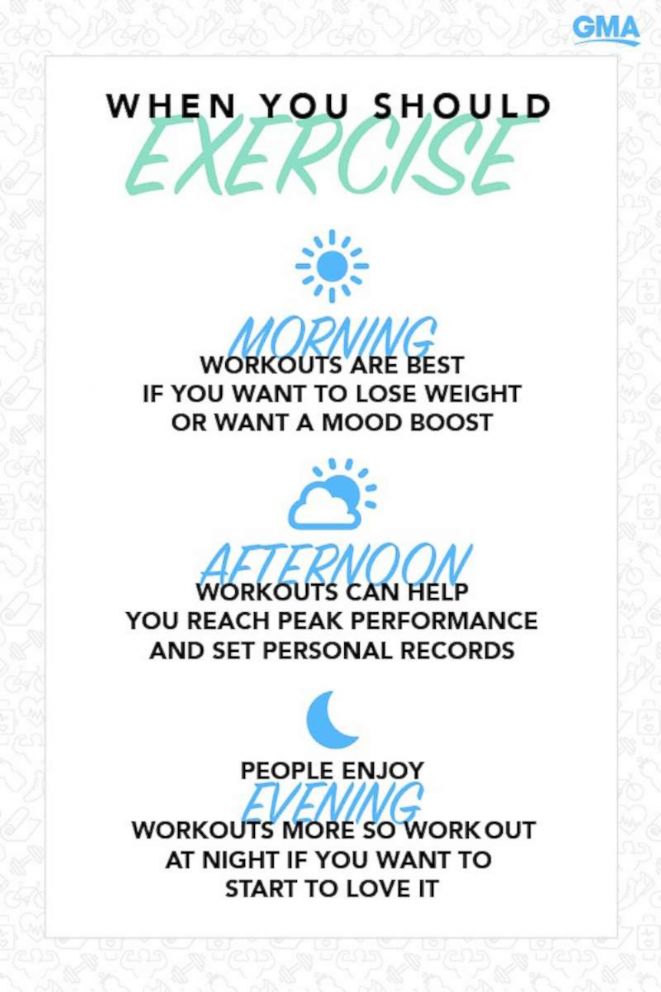
In a smart gym, treadmills, ellipticals, bikes, and strength training machines are often connected to a central system or directly to a user’s profile. This connectivity allows for personalized workout routines to be uploaded directly to the equipment, automatically adjusting resistance, incline, or speed based on individual strength levels and goals. More importantly for timing, these systems can track performance across different machines and compare it against historical data, identifying patterns of peak performance on specific equipment at certain times of day. If a user consistently lifts heavier or runs faster during late afternoon sessions on connected equipment, the system can reinforce this as their optimal strength or cardio window.
Virtual Coaches and On-Demand Workouts
Many smart fitness platforms offer virtual coaching and an extensive library of on-demand workouts. These platforms, often powered by AI, can recommend specific classes or routines based on a user’s identified optimal exercise times, current fitness level, and recovery status. If a user’s wearable indicates they are well-recovered and their AI profile suggests an optimal energy window in the morning, the virtual coach might recommend a high-intensity session. Conversely, if recovery is lagging, a restorative yoga class might be suggested for an evening slot, seamlessly integrating the “best time” with the “best type” of exercise.
Data Security and Privacy in Connected Fitness
As more personal physiological data is collected and shared across connected devices and platforms, ensuring robust data security and privacy becomes paramount. Users need assurance that their sensitive health information is protected from breaches and unauthorized access. Leading tech providers in the fitness space are implementing advanced encryption, secure cloud storage, and transparent data usage policies. Features like anonymized data aggregation for research and opt-in sharing with certified healthcare providers are becoming standard. This focus on digital security is crucial for maintaining user trust and enabling the widespread adoption of these powerful tools for optimizing exercise timing.
The Evolution of Fitness Apps: Beyond Basic Tracking
Fitness applications have moved far beyond simple step counting. Today’s advanced apps are sophisticated platforms that synthesize data, offer intelligent scheduling, and foster engagement, all contributing to finding and sticking to the best exercise time.
Advanced Scheduling and Goal Setting Features
Modern fitness apps leverage AI and user data to provide intelligent scheduling tools. Instead of merely logging workouts, they can suggest optimal times based on user-inputted availability, energy levels (derived from wearables), and recovery needs. These apps often integrate with digital calendars, helping users block out their “best time” for exercise and receive reminders. Goal-setting features within these apps are also becoming smarter, using historical performance data to set realistic yet challenging targets, often recommending specific workout times to achieve those goals most effectively.
Gamification and Community Engagement for Consistency
While technology helps identify the best time, motivation is key to consistency. Many fitness apps incorporate gamification elements, such as streaks, badges, and leaderboards, to encourage adherence to scheduled workouts. Community features allow users to share their progress, join challenges, and even virtually work out with friends. This social reinforcement can be particularly powerful, creating a sense of accountability that helps individuals stick to their optimal exercise times, even when motivation wanes. Peer support and friendly competition, facilitated by these digital communities, play a significant role in making consistent exercise a habit.
Interoperability with Other Digital Health Tools
The future of personal health management lies in seamless integration. The best fitness apps are designed to be interoperable, exchanging data with other digital health tools such as nutrition trackers, mental wellness apps, and even electronic health records. This holistic data ecosystem allows for a comprehensive view of an individual’s health, enabling more accurate and personalized recommendations for exercise timing that consider diet, stress, and overall health conditions. This synergy ensures that the “best time to exercise” is determined within the broader context of a healthy, digitally managed lifestyle.
Future Trends: Augmented Reality and Biofeedback for Exercise Timing
The frontier of fitness technology promises even more immersive and precise ways to determine and optimize exercise timing. Augmented Reality (AR) and advanced biofeedback systems are poised to transform the workout experience.
Immersive Experiences and Performance Enhancement
Augmented Reality could overlay performance metrics and virtual coaching directly onto our field of vision during a workout, perhaps through smart glasses or advanced projection systems. Imagine an AR coach dynamically adjusting your pacing recommendation on a run based on real-time heart rate and GPS data, suggesting a slight slowdown or burst to hit an optimal training zone at this very moment. For indoor cycling, AR could transport you to virtual landscapes, while AI monitors your biometric data to adjust the virtual terrain’s difficulty, optimizing your effort and timing within the session itself. These immersive experiences will make workouts more engaging and allow for micro-adjustments in real-time, influencing what constitutes the “best time” not just for a session, but for each segment of that session.
Real-time Biofeedback for Optimal Load and Timing
Beyond basic heart rate, advanced biofeedback systems will offer real-time insights into muscle activation, lactic acid levels (via non-invasive sensors), and even neurological readiness. Imagine a sensor indicating that your quadriceps are optimally engaged and ready for a heavy lift at 6 PM, or that your nervous system is fully recovered for a plyometric session. This ultra-precise biofeedback, integrated with AI, could offer hyper-personalized “optimal windows” not just for general exercise but for specific muscle groups or types of exertion. This level of physiological insight will leave little to guesswork, truly defining “what time is the best to exercise” down to the most granular detail, maximizing safety, performance, and long-term gains.

Conclusion
The question of “what time is the best to exercise” is no longer a one-size-fits-all query. Thanks to rapid advancements in wearable technology, AI, smart gym ecosystems, and sophisticated fitness applications, the answer has become deeply personalized and data-driven. From tracking circadian rhythms and real-time performance to predictive analytics and immersive AR experiences, technology is empowering individuals to understand their bodies like never before. By leveraging these tools, we can move beyond generalized advice to precisely identify and consistently hit our personal peak performance windows, making every workout count and paving the way for a healthier, more optimized future.
aViewFromTheCave is a participant in the Amazon Services LLC Associates Program, an affiliate advertising program designed to provide a means for sites to earn advertising fees by advertising and linking to Amazon.com. Amazon, the Amazon logo, AmazonSupply, and the AmazonSupply logo are trademarks of Amazon.com, Inc. or its affiliates. As an Amazon Associate we earn affiliate commissions from qualifying purchases.