
The Social Security Administration (SSA) stands as a cornerstone of financial security for millions of Americans, providing retirement, disability, and survivor benefits that form a vital part of personal financial planning. For decades, local Social Security offices have served as critical hubs where individuals could apply for benefits, resolve issues, and receive in-person assistance. However, in an era marked by digital transformation, budgetary pressures, and evolving public interaction patterns, the physical footprint of the SSA is undergoing significant changes. The prospect of Social Security office closures, though not a new phenomenon, raises pertinent questions about access to essential services, particularly for vulnerable populations, and necessitates a re-evaluation of how Americans manage their financial interactions with this indispensable agency.
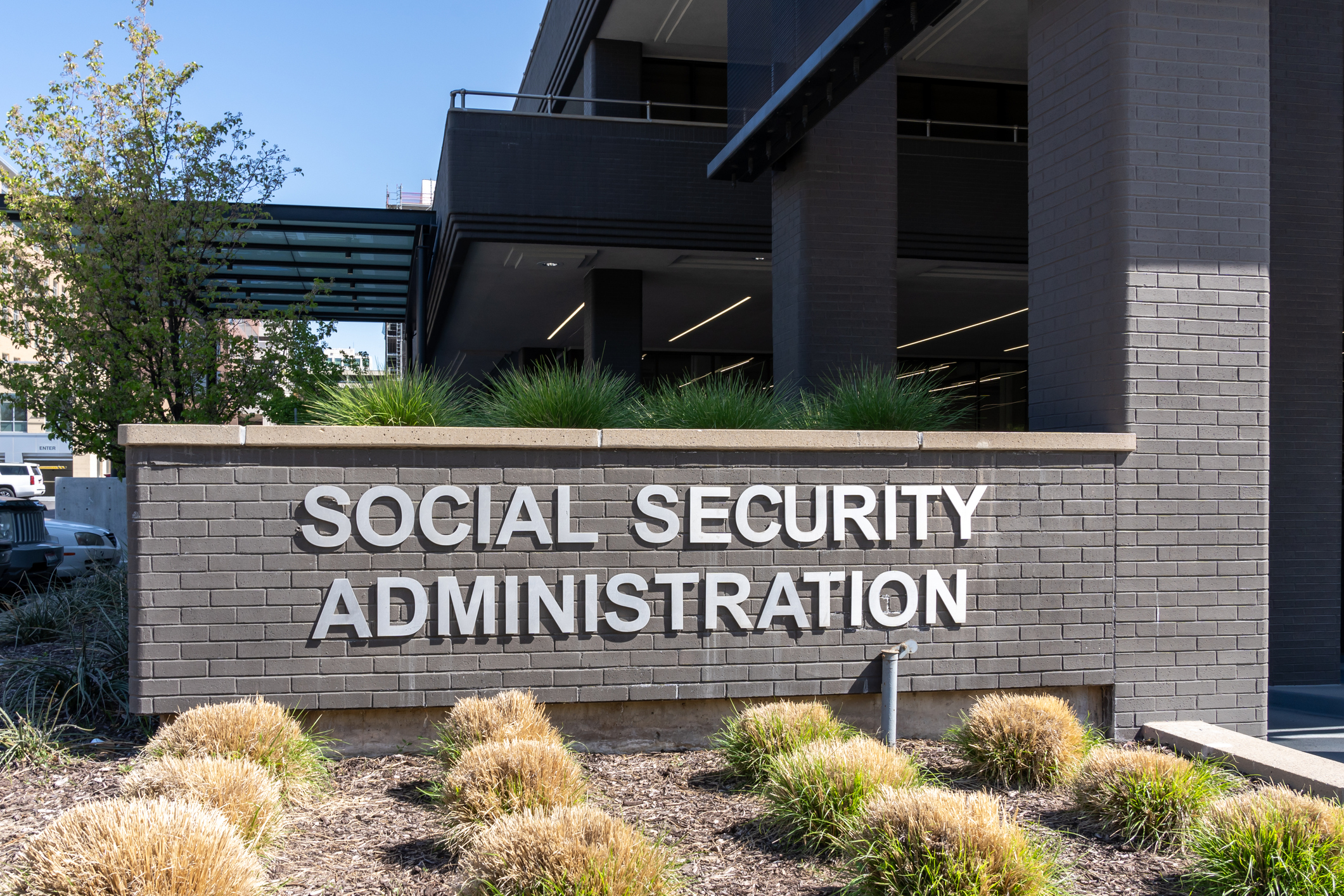
This article delves into the implications of these closures within the “Money” niche, exploring the financial ramifications for beneficiaries and applicants, the shift towards digital and alternative access points, and the broader economic and social impacts. Understanding these dynamics is crucial for anyone relying on or planning for Social Security benefits, ensuring they can navigate this evolving landscape effectively to secure their financial future.
The Shifting Tides of Public Service Delivery
The decision to close or consolidate Social Security offices is rarely made in isolation; it’s typically a response to a complex interplay of factors, reflecting broader trends in public service delivery and government efficiency. These changes have profound financial implications for both the agency and the public it serves.
Drivers Behind Office Consolidations and Closures
Several key drivers contribute to the SSA’s strategic decisions regarding its physical locations. Financially, budgetary constraints are often paramount. Like many government agencies, the SSA operates within allocated federal funds, and maintaining a vast network of physical offices, including rent, utilities, staff, and security, represents a substantial expenditure. Consolidating or closing underutilized offices can yield significant cost savings, which can then theoretically be redirected to enhance digital services or other critical operations.
Another significant driver is digital transformation. The internet and related technologies have fundamentally altered how individuals interact with government services. The SSA has invested heavily in online portals like “My Social Security,” enabling beneficiaries to check benefit statements, apply for certain benefits, and manage their direct deposit information without ever visiting an office. This shift reflects a strategic move towards a more efficient, 24/7 self-service model, reducing the reliance on brick-and-mortar locations.
Finally, changing public interaction patterns play a role. Data often shows a decline in foot traffic at many local offices as more people opt for online, phone, or mail interactions. While in-person visits remain critical for complex cases or specific populations, the overall demand for physical presence has decreased, prompting the agency to re-evaluate the optimal distribution of its resources.
Historical Context: A Trend Towards Centralization
The current wave of potential closures is not an isolated event but rather part of a longer-term trend towards centralization and efficiency in government services. Over the past few decades, federal agencies have periodically reviewed and adjusted their physical footprints. For the SSA, this has meant a gradual shift from a highly localized model to one that leverages technology and larger, regional service centers.
While intended to streamline operations and save taxpayer money, this trend has had varying impacts. On one hand, it can lead to more consistent service delivery and potentially faster processing times for certain requests at centralized hubs. On the other hand, it can create challenges for local communities, particularly those in rural areas or economically disadvantaged regions, where the loss of a federal office can mean not only a reduction in local jobs but also a significant hurdle for residents needing in-person assistance. The financial burden of travel to distant offices or the digital divide for those without internet access can compound these difficulties, making the push for efficiency a delicate balancing act with equitable access.
Financial Implications for Beneficiaries and Applicants
The closure of local Social Security offices carries direct and often significant financial implications for the millions of Americans who rely on these services. These impacts extend beyond mere inconvenience, affecting access, application processes, and personal financial planning.
Impact on Access to Services
The most immediate financial impact of office closures is on access to services. For many, particularly the elderly, individuals with disabilities, and those in rural areas, the local Social Security office represents the most accessible and often only viable pathway to information and assistance. When these offices close, geographic barriers become pronounced. Individuals may face increased travel costs (fuel, public transport, or taxi fares), significant time commitments for longer journeys, and even the need to take time off from work, all of which represent tangible financial burdens.
Furthermore, the digital divide exacerbates these challenges. While online services are robust, not everyone has reliable internet access, owns a computer or smartphone, or possesses the digital literacy required to navigate complex government websites. This disproportionately affects low-income individuals, older adults, and those with certain disabilities, creating an equity issue in accessing vital financial benefits. Without in-person support, these groups may struggle to access benefits they are entitled to, potentially leading to lost income or delayed financial relief.
Challenges in Application and Claims Processes
Applying for Social Security benefits, especially disability benefits, can be a complex and often emotionally taxing process. It frequently requires submitting extensive documentation, understanding intricate regulations, and potentially navigating appeals. Local offices traditionally provided invaluable, personalized guidance through these complexities. With closures, individuals may experience delays and increased complexities in their application and claims processes.
The absence of readily available in-person staff means that questions might go unanswered, or mistakes in applications might be harder to correct swiftly. This can lead to prolonged waits for benefits, causing severe financial strain for individuals and families who are often already in precarious situations. The need for meticulous documentation becomes even more critical when interactions are remote, as the opportunity for in-person verification or clarification is removed. Errors or omissions can result in denials, necessitating appeals that further extend the financial wait.
Financial Planning Adjustments
For those planning their retirement or anticipating the need for disability benefits, office closures necessitate financial planning adjustments. What was once a straightforward visit to a local office for information or to begin an application may now require budgeting for travel costs, allocating significant time, or investing in reliable internet access and digital skills.
Individuals may also need to consider seeking professional advice from certified financial planners or elder law attorneys who specialize in Social Security. While beneficial, this often comes at a cost that might not have been necessary if local, free SSA guidance was easily accessible. Understanding the alternative channels for engagement – online, phone, and mail – and integrating them into one’s financial strategy is crucial. This proactive approach ensures that potential disruptions to benefit access do not translate into significant financial setbacks.
Embracing Digital Alternatives and Future-Proofing Your Benefits
As the physical presence of the SSA diminishes, understanding and leveraging digital and alternative service channels becomes paramount for effective financial management of Social Security benefits. These tools are designed to streamline interactions and ensure continuous access.

My Social Security Account: Your Online Hub
The “My Social Security” account is arguably the most vital online tool for current and future beneficiaries. This secure, personalized portal allows individuals to:
-
Check benefit statements: Access estimated future benefits to aid retirement planning.
-
Verify earnings records: Ensure accurate contributions are reflected, crucial for calculating benefit amounts.
-
Manage information: Update contact details, direct deposit information, and other personal data.
-
Apply for certain benefits: Initiate applications for retirement, spousal, and Medicare benefits online.
-
Request a replacement Medicare card or benefit verification letter.
Creating and regularly monitoring a “My Social Security” account is a critical step in future-proofing your benefits. It empowers individuals with direct control over their information and offers a convenient way to stay informed, minimizing the impact of office closures on basic inquiries and management tasks.
Telephone and Mail Services: Persistent Support Channels
While the push is towards digital, the SSA continues to maintain robust telephone and mail services as essential support channels.
-
Dedicated helplines (e.g., the national toll-free number) provide access to representatives who can answer questions, assist with applications, and guide individuals through processes. While wait times can be long, they offer a direct line to human assistance.
-
Official correspondence via mail remains a fundamental communication method, particularly for formal notices, decisions, and appeals. It’s crucial for individuals to ensure their mailing address is current with the SSA and to carefully review all mail from the agency. Maintaining meticulous record-keeping of all communications, both physical and digital, is a best practice for managing one’s financial relationship with the SSA.
These traditional channels serve as vital complements to online services, providing alternatives for those without digital access or for more complex issues requiring direct human interaction without an in-person visit.
Utilizing Community Resources and Financial Advisors
Beyond the SSA’s direct channels, a network of community resources and financial advisors can provide invaluable assistance.
-
Non-profits and legal aid organizations: Many local and national organizations specialize in assisting low-income individuals, seniors, and people with disabilities with Social Security applications, appeals, and benefit navigation. These often offer free or low-cost services, bridging the gap left by closing local SSA offices.
-
Senior centers: These facilities often provide workshops, computer access, and direct assistance for seniors navigating government benefits, including Social Security.
-
Certified financial planners (CFPs) and elder law attorneys: For those with more complex financial situations or significant assets, engaging a professional advisor can be a sound investment. They can integrate Social Security benefits into a broader financial plan, advise on claiming strategies, and assist with intricate legal aspects, ensuring optimal financial outcomes. While these services come at a cost, they can prevent costly mistakes and maximize benefits over a lifetime, offering a strong return on investment for complex cases.
The Broader Economic and Social Impact
The closure of Social Security offices extends its reach beyond individual beneficiaries, creating broader economic and social ripples within affected communities and raising important questions about equity.
Local Economic Fallout from Office Closures
When a Social Security office closes, the local economic fallout can be tangible. Firstly, there’s the immediate loss of jobs, including federal employees and contractors who worked at the office. This direct job loss can have a multiplier effect in smaller communities, impacting local spending and tax revenues.
Secondly, the closure reduces foot traffic for local businesses. Businesses like restaurants, coffee shops, and stores that relied on visits from SSA staff and the public seeking services may see a decline in revenue. This subtle but pervasive economic drain can contribute to the struggling economy of an area, especially if other public or private sector entities are also downsizing their physical presence. While individual office closures might seem minor in a national context, cumulatively, they can contribute to economic vulnerability in specific regions.
Equity Concerns and the Digital Divide
A significant concern tied to office closures is equity and the perpetuation of the digital divide. As discussed, not all Americans have equal access to or proficiency with digital tools.
-
Vulnerable populations, including low-income individuals, the elderly, those with limited English proficiency, and residents of remote rural areas, are disproportionately affected. They may lack reliable internet access, own outdated technology, or face cognitive barriers to navigating online interfaces.
-
The reliance on digital channels without adequate alternatives risks creating a two-tiered system where those with digital access receive more efficient service, while those without face significant hurdles, potentially delaying or denying them access to critical financial support. Addressing this divide requires targeted investment in digital literacy programs and accessible community resources.
The Future of Social Security Engagement
The trend of office closures signals a clear trajectory for the future of Social Security engagement: a hybrid model. While digital interaction will undoubtedly expand, the critical need for in-person assistance for complex cases or vulnerable populations will likely persist.
-
Future models might involve smaller, more agile service points, possibly co-located with other government or community services.
-
There could be an increased emphasis on personalized support through scheduled appointments, video conferencing, or enhanced outreach programs that bring services to the community rather than expecting everyone to travel.
-
Proactive outreach by the SSA, providing clear information about alternative access points and assistance, will be crucial to minimize disruption and ensure equitable service delivery. The goal must be to balance fiscal responsibility with the imperative of serving all Americans fairly.
Preparing for Change: A Proactive Approach
For individuals whose financial well-being is intertwined with Social Security, adopting a proactive stance is essential to mitigate the impact of changing service landscapes. Preparedness can save time, money, and stress.
Staying Informed About Local Changes
The first step in preparing is to stay informed about local changes. While the SSA does not typically announce broad closure plans months in advance, individual office closures are usually communicated locally.
-
Regularly check the official SSA website (SSA.gov) for updates and use their office locator tool.
-
Pay attention to local news outlets and community bulletins, as they are often the first to report on changes affecting their area.
-
Sign up for any official SSA newsletters or alerts available. Knowing in advance about a potential closure in your area allows you to plan accordingly, gather necessary documents, or complete pending tasks.
Building Digital Literacy
In an increasingly digital world, building digital literacy is no longer a luxury but a financial necessity. For Social Security beneficiaries and applicants, this means familiarizing oneself with the “My Social Security” account and other online SSA resources.
-
Seek out resources for learning online tools, such as public library programs, senior centers offering computer classes, or community colleges.
-
Even basic skills like setting up an email, navigating websites, and understanding online security best practices can significantly enhance your ability to manage your benefits remotely, reducing reliance on physical offices. This investment in knowledge pays dividends in convenience and access.
Seeking Timely Assistance
Perhaps the most critical piece of advice is to seek timely assistance. Do not wait until a problem becomes a crisis.
-
If you have questions about your benefits, an application, or need to report a change, address it promptly. Utilize the online portals, call the national helpline, or explore community resources as soon as a need arises.
-
Engaging early with the SSA, even if your local office is closing, allows for more time to find alternative solutions and prevents small issues from escalating into significant financial problems. Being proactive ensures that you maintain consistent access to the financial support Social Security is designed to provide.
In conclusion, the trend of Social Security office closures reflects a complex evolution in public service delivery, driven by technological advancements and fiscal considerations. While these changes aim for greater efficiency, they introduce significant financial and logistical challenges for many Americans. By understanding the implications, embracing digital alternatives, leveraging available support channels, and maintaining a proactive approach, individuals can successfully navigate this evolving landscape, ensuring their vital financial lifeline through Social Security remains secure and accessible. The future of accessing Social Security benefits will demand adaptability and informed engagement, empowering individuals to take control of their financial interactions with the agency.
aViewFromTheCave is a participant in the Amazon Services LLC Associates Program, an affiliate advertising program designed to provide a means for sites to earn advertising fees by advertising and linking to Amazon.com. Amazon, the Amazon logo, AmazonSupply, and the AmazonSupply logo are trademarks of Amazon.com, Inc. or its affiliates. As an Amazon Associate we earn affiliate commissions from qualifying purchases.