
In an increasingly interconnected world, the passport serves as more than just a travel document; it is a gateway to international mobility and a cornerstone of national security. Central to its validity is the passport photo – a seemingly simple image, yet one governed by a complex web of technical specifications and biometric requirements. The question “what size are passport photos?” transcends a mere dimensional query; it plunges into the intricate realm of digital imaging, facial recognition technology, and secure identity verification. For individuals, businesses, and government agencies alike, understanding these technicalities is paramount for seamless travel and robust security protocols in our digital age.
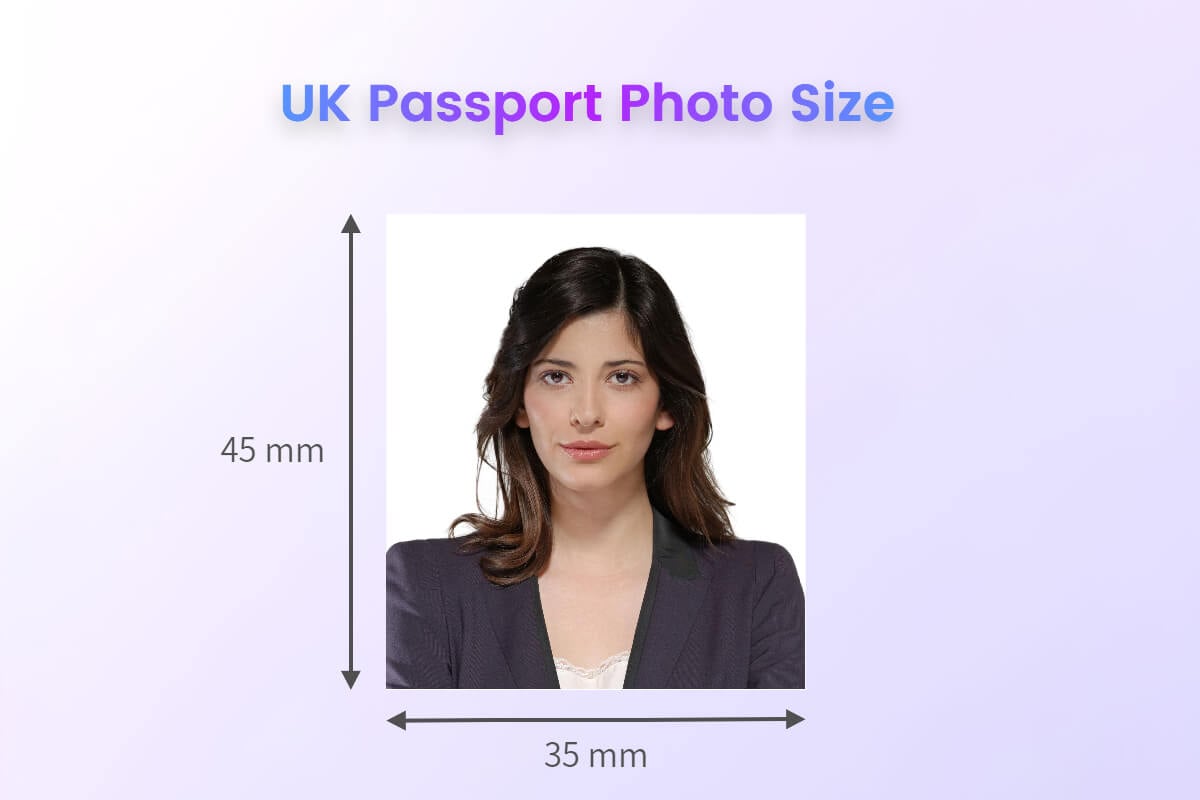
This article delves into the technological underpinnings of passport photo compliance, exploring the precise dimensions, the biometric data embedded within, and the array of digital tools and processes that ensure adherence to rigorous international standards. We will unpack how technology facilitates the creation, validation, and secure submission of these critical images, ensuring that every pixel contributes to a globally recognized and secure identity.
The Global Standard: Understanding Core Passport Photo Dimensions and Biometrics
The foundation of any compliant passport photo lies in its physical and digital dimensions. However, in today’s world, these measurements are merely the first layer of a sophisticated technical framework that includes biometric data and digital integrity.
Universal Size Requirements: Pixels, Millimeters, and Inches
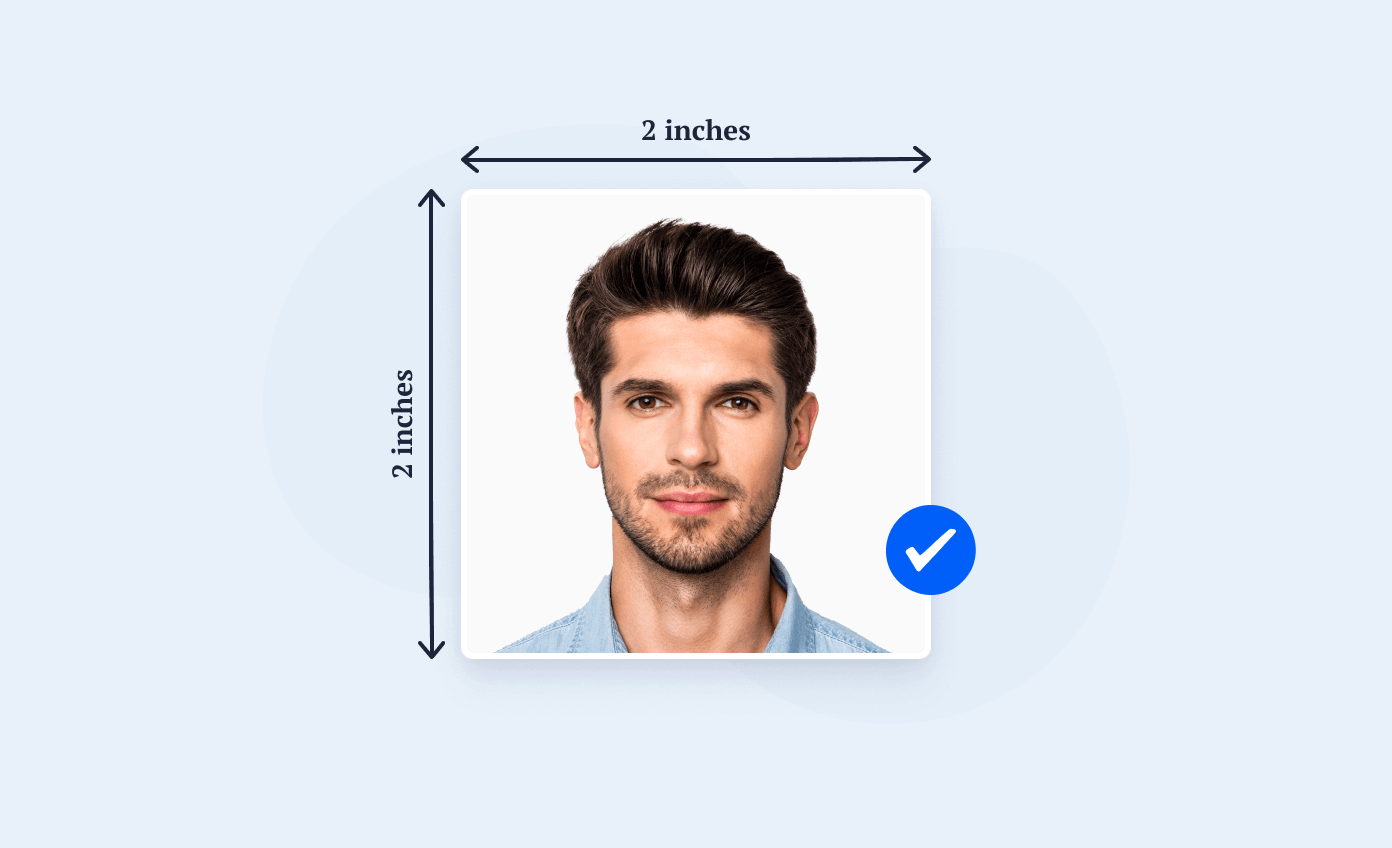
While variations exist, most national and international bodies adhere to a few dominant size standards. The most common dimensions are 2×2 inches (predominantly in the United States) and 35×45 millimeters (widely adopted by Schengen Area countries and many others globally). For digital submissions, these physical dimensions translate into precise pixel counts, necessitating an understanding of resolution and aspect ratio.
For a 2×2 inch photo, the digital equivalent typically requires a minimum of 600×600 pixels (at 300 DPI or dots per inch) up to 1200×1200 pixels or even higher, ensuring sufficient detail for biometric analysis and printing without pixelation. Similarly, a 35x45mm photo might require approximately 413×531 pixels for digital submission, maintaining the exact aspect ratio. The digital file must not only meet these pixel dimensions but also maintain a specific aspect ratio to avoid distortion during processing or printing. Image processing software, whether standalone or integrated into online portals, relies on these precise pixel values to crop, scale, and validate the uploaded image. Failure to meet these technical specifications is a leading cause of photo rejection, highlighting the critical interplay between traditional measurements and digital parameters.
Beyond Size: Biometric Features and Digital Scrutiny
Modern passport photos are far more than just a picture; they are a source of biometric data, enabling advanced identity verification. This shift has propelled technology to the forefront of photo compliance. Beyond mere size, authorities mandate strict criteria for head size, eye height, facial expression, lighting, and background uniformity. For example, a neutral facial expression, direct gaze, even lighting free of shadows, and a plain white or off-white background are universally required.
Biometric technology, often leveraging sophisticated algorithms and artificial intelligence (AI), is employed by government agencies to scrutinize submitted photos. These AI systems can rapidly analyze an image to:
-
Validate head size and position: Ensuring the face occupies the correct percentage of the photo frame.
-
Assess eye position: Verifying eye height relative to the bottom of the photo.
-
Detect facial features: Identifying open eyes, neutral expression, and absence of obstructions like hair or glare on glasses.
-
Analyze lighting and shadows: Ensuring uniformity to prevent distortion of facial features.
-
Verify background purity: Confirming no patterns, objects, or people other than the applicant.
This digital scrutiny goes beyond what the human eye might easily catch, ensuring a high degree of consistency and preventing fraudulent submissions. The underlying technology – often a blend of computer vision, machine learning, and image processing – transforms the compliance process from a manual check to an automated, precise, and secure operation.
Leveraging Technology for Perfect Passport Photos
The precise requirements for passport photos have spurred a proliferation of technological solutions designed to assist applicants in meeting these stringent standards, from personal apps to professional studio setups.
DIY Solutions: Apps, Software, and Online Generators
The accessibility of smartphones and the internet has democratized the process of taking compliant passport photos. A vast ecosystem of apps, desktop software, and online generators empowers users to produce passport-quality images from the comfort of their homes.
-
Smartphone Apps: Applications like “Passport Photo Booth,” “iVisa,” or “Biometric Passport Photo” utilize a smartphone’s camera, often providing on-screen guides or augmented reality overlays that indicate correct head positioning, eye height, and lighting. These apps frequently include features for:
-
Automated Cropping: Automatically adjusting the image to the required pixel dimensions and aspect ratio for various countries.
-
Background Removal/Replacement: Employing AI to digitally remove distracting backgrounds and replace them with a plain white or off-white backdrop.
-
Red-Eye Correction: Automatically identifying and neutralizing red-eye effects.
-
Template Overlays: Showing outlines for head and eye placement to guide the user.
-
-
Desktop Software: For those with more technical proficiency, image editing software such as Adobe Photoshop, GIMP, or Affinity Photo offers granular control. Users can manually adjust dimensions, resolution, brightness, contrast, and perform precise cropping. While these tools require a steeper learning curve, they offer unparalleled flexibility for achieving exact technical specifications.
-
Online Generators and Services: Numerous websites provide services where users upload a standard photo, and the platform, using its own proprietary algorithms, crops, resizes, and validates the image against specific country requirements. Many of these services offer digital files for online submission or print-ready templates for local printing. Some even integrate with printing services for mail delivery, showcasing a complete digital-to-physical workflow.
These DIY technological solutions significantly reduce the complexity and potential for error, making compliant photo generation more accessible to the general public.
The Role of Automated Kiosks and Professional Studios

Beyond individual digital tools, dedicated technological solutions are available for those preferring an assisted or professional approach.
-
Automated Kiosks: Found in many pharmacies, post offices, and travel centers, these self-service kiosks integrate specialized hardware and software. They typically feature:
-
Optimized Camera Systems: Calibrated to capture high-resolution images suitable for biometric analysis.
-
Controlled Lighting: Integrated lighting setups ensure even illumination, eliminating shadows and glare.
-
Intuitive Touchscreen Interfaces: Guiding users through the photo-taking process with clear instructions and live previews.
-
Instant Processing Software: Immediately cropping, resizing, and validating the image against predefined country standards, often with a pass/fail indicator.
-
On-Demand Printing: Producing compliant physical photos within minutes.
The technology in these kiosks automates the entire process, minimizing human error and providing immediate results.
-
-
Professional Photo Studios: While seemingly traditional, professional studios leverage advanced photographic and digital processing technology. They use high-resolution DSLR or mirrorless cameras, sophisticated studio lighting systems (e.g., strobes, diffusers), and professional-grade editing software. The key advantage lies in the expertise of trained photographers who understand the nuances of biometric compliance and can make real-time adjustments to lighting, pose, and expression. Their digital workflow ensures:
-
Precise Capture: Capturing images that inherently meet quality, resolution, and detail standards.
-
Expert Digital Refinement: Using software to fine-tune aspects like background consistency or minor blemishes without altering core biometric features, ensuring compliance while presenting a high-quality image.
-
Guaranteed Compliance: Many studios offer a guarantee against rejection, confident in their technical process and knowledge.
-
These professional setups combine human expertise with cutting-edge technology to deliver highly compliant and secure passport photos.
Digital Submission and Security Protocols
With an increasing number of countries moving towards online passport applications, the digital submission of photos has introduced new technical considerations regarding file formats, resolution, and, critically, security.
Format, Resolution, and File Size for Online Applications
Digital passport photo submission requires strict adherence to technical parameters to ensure proper processing by government systems. Common requirements include:
-
File Format: Almost universally, photos must be submitted in JPEG (.jpg) format, sometimes PNG (.png). These formats are chosen for their balance of image quality and file compression efficiency.
-
Resolution: Typically, a minimum resolution of 300 DPI is required, ensuring sufficient detail for biometric analysis and high-quality printing if needed. Pixel dimensions must correspond to the physical size requirements (e.g., 600×600 pixels to 1200×1200 pixels for a 2×2 inch photo).
-
File Size: There are usually strict minimum and maximum file size limits (e.g., between 50KB and 300KB). Files too small might lack necessary detail, while files too large can overburden submission portals and storage systems.
-
Color Space: Often, sRGB color space is specified to ensure consistent color reproduction across different screens and printers.
Government application portals often incorporate automated validation tools that check these parameters upon upload. An incorrect file format, insufficient resolution, or an out-of-range file size will lead to immediate rejection, necessitating a re-upload and potentially delaying the application process. This technical specificity underscores the need for users to leverage appropriate software or online tools that can output files meeting these precise specifications.
Ensuring Data Integrity and Preventing Fraud
The digital nature of passport photos, while convenient, also introduces potential vulnerabilities to manipulation. To counteract this, government agencies employ sophisticated digital security protocols and forensic tools.
-
Metadata Analysis: Digital photos contain metadata (EXIF data) that records information such as the camera model, date and time of capture, and even GPS coordinates. Authorities can analyze this data to detect inconsistencies that might indicate photo manipulation.
-
Digital Watermarking and Hashing: Some systems might apply digital watermarks or cryptographic hashes to photos upon secure upload. This creates a unique digital signature that helps verify the photo’s authenticity and detect any alterations post-submission.
-
AI-Powered Tamper Detection: Advanced AI algorithms are increasingly used to identify subtle signs of digital manipulation, such as cloned pixels, unnatural blending, or inconsistencies in lighting and texture that betray photo editing software use. These systems are trained on vast datasets of both authentic and manipulated images to detect even highly sophisticated alterations.
-
Biometric Cross-Referencing: Photos are often cross-referenced against existing biometric databases or previous passport photos to ensure consistency and detect attempts to use images of different individuals or substantially altered appearances.
These security measures are crucial for maintaining the integrity of identity documents and preventing fraud. They emphasize that while technology makes photo creation easier, it also enables more rigorous and automated checks, demanding that applicants submit genuine, unaltered images captured according to the stipulated technical guidelines.
Common Pitfalls and Technological Solutions
Despite the advancements, applicants still face challenges. Understanding common rejection reasons and anticipating future technological trends is key to seamless compliance.
Avoiding Rejection: Technical Errors and Non-Compliance
Many passport photo rejections stem from technical non-compliance rather than deliberate fraud. Common pitfalls include:
-
Incorrect Dimensions/Resolution: Photos that don’t precisely match the required pixel dimensions, aspect ratio, or DPI are frequently rejected by automated systems. This often happens when users attempt manual cropping without precise software guidance or use images taken with low-resolution devices.
-
Poor Lighting/Shadows: Inadequate lighting technology or improper use can result in uneven illumination, shadows on the face or background, and overexposure or underexposure, all of which hinder biometric analysis.
-
Unauthorized Editing: While minor adjustments (like brightness/contrast) might be acceptable, significant alterations such as extensive skin smoothing, changing eye color, or adding filters are strictly prohibited and often detected by AI.
-
File Size Issues: Submitting files outside the specified minimum or maximum size limits can lead to system rejection.
-
Incorrect Background: Although apps can replace backgrounds, a poor initial capture with a highly patterned background might still lead to artifacts or imperfections that systems flag.
Technological solutions directly address these pitfalls. Utilising apps with guided capturing modes, kiosks with controlled environments, or professional studios with calibrated equipment drastically reduces the likelihood of these technical errors. The iterative feedback loops in modern photo processing apps – showing a green checkmark for compliance or a red cross for rejection – are particularly helpful in guiding users toward a compliant image.
Future Trends: AI and Biometric Evolution
The future of passport photo compliance will undoubtedly be shaped by further advancements in AI and biometric technology.
-
Real-time Biometric Validation: Imagine a smartphone app or webcam interface that provides instant, real-time feedback on your photo’s biometric compliance as you are taking it. AI could analyze your pose, expression, lighting, and background in milliseconds, guiding you to perfection before you even press the shutter.
-
Advanced Liveness Detection: To combat deepfake technology and fraudulent photo submissions, future systems will likely incorporate more sophisticated liveness detection, ensuring the photo is of a live person and not a manipulated image or a printout of a previous photo.
-
Seamless Integration with Digital Identity: As digital identity systems evolve, the passport photo might become part of a continuously updated biometric profile, perhaps even captured periodically via secure, authorized devices, eliminating the need for separate photo submissions.
-
Personalized Compliance Guidance: AI could learn from individual features to offer personalized advice on photo capture, especially for those with unique facial characteristics or specific accessibility needs.
These innovations promise to make the passport photo process even more streamlined, secure, and user-friendly, pushing the boundaries of identity verification through technology.
In conclusion, the simple question “what size are passport photos?” opens a window into a sophisticated technological landscape. From precise digital dimensions and biometric requirements to AI-powered validation tools and advanced security protocols, technology is at the heart of ensuring global mobility and national security. Navigating this landscape requires not just an understanding of the rules, but also an embrace of the digital tools and processes that facilitate compliance, making the journey from snapshot to secure identity seamless and efficient for everyone.
aViewFromTheCave is a participant in the Amazon Services LLC Associates Program, an affiliate advertising program designed to provide a means for sites to earn advertising fees by advertising and linking to Amazon.com. Amazon, the Amazon logo, AmazonSupply, and the AmazonSupply logo are trademarks of Amazon.com, Inc. or its affiliates. As an Amazon Associate we earn affiliate commissions from qualifying purchases.