
The W-9 form is one of those ubiquitous IRS documents that many individuals and businesses encounter, yet its precise purpose and importance can often remain shrouded in mystery. In the intricate world of finance, where compliance and accurate reporting are paramount, understanding forms like the W-9 is not merely about ticking boxes; it’s about safeguarding your financial interests, ensuring proper tax attribution, and maintaining seamless operations for independent contractors and the businesses that engage them. Far from being just another piece of bureaucratic paperwork, the W-9 serves as a foundational component in the U.S. tax system, bridging the gap between those who provide services and those who pay for them, particularly when it comes to non-employment income.
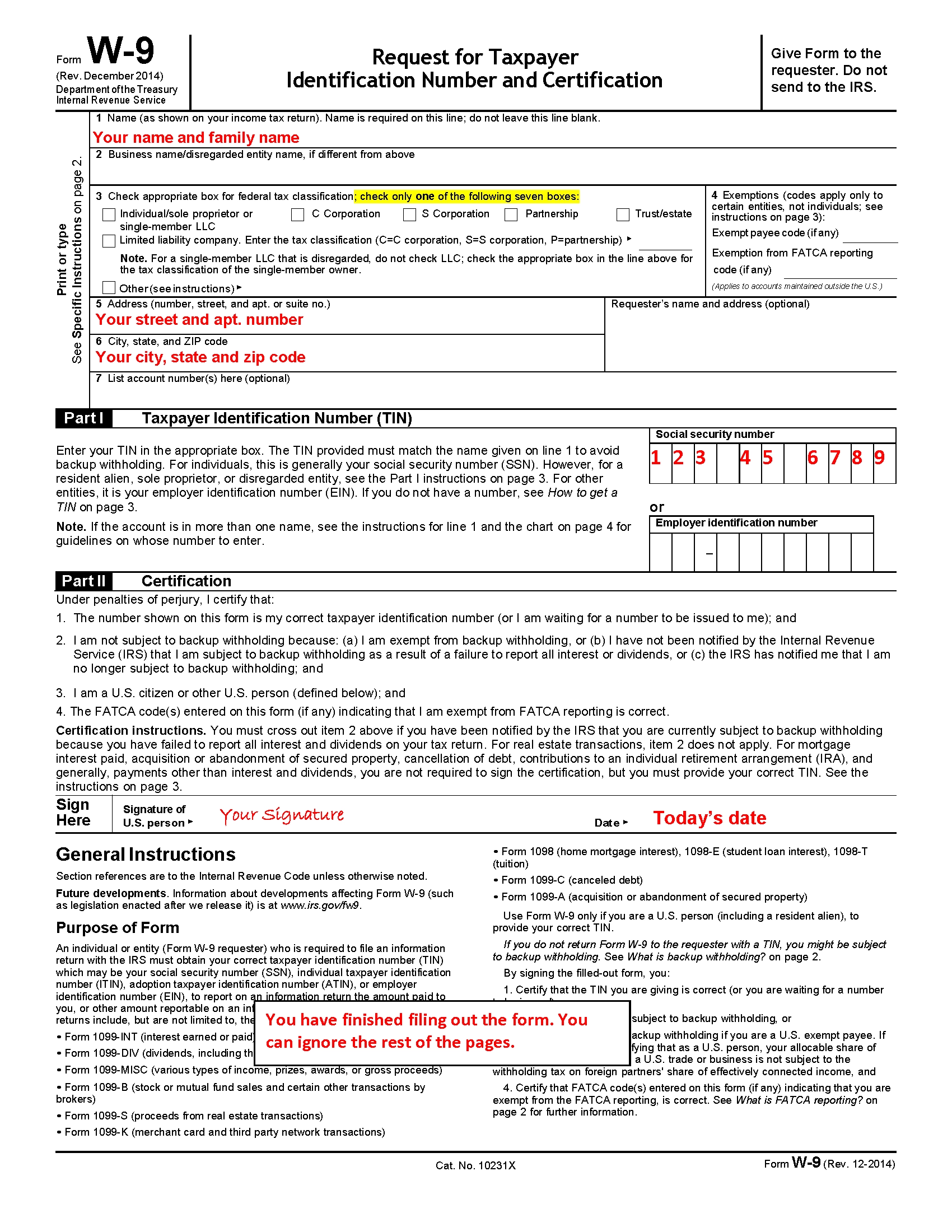
At its core, the W-9, officially titled “Request for Taxpayer Identification Number and Certification,” is precisely what it sounds like: a request for an individual’s or entity’s Taxpayer Identification Number (TIN) and a certification that this information is correct. This seemingly simple exchange of data underpins the entire process of reporting income paid to independent contractors, freelancers, and other non-employee service providers to the IRS. Without an accurate W-9 on file, businesses face significant challenges in meeting their tax reporting obligations, which can lead to penalties for both parties. For individuals, providing a W-9 means their income can be properly tracked and reported, forming the basis for their annual tax returns. Thus, whether you’re a burgeoning freelancer, a seasoned consultant, or a business owner hiring external talent, a comprehensive grasp of the W-9’s role is indispensable for sound financial management and compliance.
Understanding the W-9: A Foundation for Financial Transactions
The W-9 form is a cornerstone of financial transparency between payers and payees in non-employment relationships. It’s a testament to the IRS’s commitment to ensuring that all taxable income is accurately reported, regardless of the nature of the work performed. This document, while seemingly simple, carries significant weight in the grand scheme of financial compliance and personal responsibility.
Definition and Purpose
The IRS Form W-9, “Request for Taxpayer Identification Number and Certification,” is primarily used to collect accurate tax information from U.S. persons (individuals, sole proprietors, corporations, partnerships, or other entities) who provide services or goods to a business or other payer. The most critical piece of information collected is the Taxpayer Identification Number (TIN), which can be either a Social Security Number (SSN) for individuals and sole proprietors, or an Employer Identification Number (EIN) for businesses.
The core purpose of the W-9 is to allow the payer (the business or individual making payments) to correctly report the income paid to the payee (the individual or entity receiving payments) to the IRS. Without this form, payers would lack the necessary information to file annual information returns, such as the Form 1099-NEC (Nonemployee Compensation) or Form 1099-MISC (Miscellaneous Information), which detail payments made to non-employees. This reporting is crucial for the IRS to track income and ensure all appropriate taxes are paid, aligning with the broader objectives of fiscal integrity.
Who Needs to Fill Out a W-9?
The requirement to fill out a W-9 form largely falls on “U.S. persons” who are expected to receive certain types of payments from a business or organization. This broad category includes:
-
Independent Contractors and Freelancers: This is perhaps the most common scenario. Anyone working for clients or businesses on a contract basis, rather than as an employee, will typically be asked to complete a W-9. This includes graphic designers, writers, consultants, web developers, photographers, virtual assistants, and gig economy workers.
-
Sole Proprietors: Individuals operating their own unincorporated business are considered sole proprietors and use their SSN (or an EIN if they have one) on the W-9.
-
Businesses (Corporations, Partnerships, LLCs): If a business entity provides services to another business, it will also need to submit a W-9, using its EIN.
-
Landlords: Individuals who rent out property and receive rental income may also be asked to provide a W-9 by property management companies or tenants if certain reporting thresholds are met.
-
Financial Institutions: Banks and other financial institutions may request a W-9 from account holders to report interest and dividend income.
-
Anyone Receiving Reportable Payments: Generally, if you expect to receive payments that are considered reportable income (typically $600 or more from a single payer in a calendar year, though thresholds vary), you’ll likely be asked for a W-9.
Crucially, employees do not fill out a W-9. Employees complete a W-4 form, as their tax withholding and reporting are handled differently through payroll. The W-9 specifically pertains to non-employee compensation.
The Role of the Requester
The “requester” of the W-9 is the individual or entity making the payment. Their role is to obtain accurate W-9 forms from all U.S. persons to whom they plan to make reportable payments. This is a critical step for the payer’s own tax compliance. By collecting a W-9, the requester ensures they have the correct TIN to report the income on the appropriate 1099 form at year-end.
Failure to collect a W-9 can lead to significant problems for the payer. If a payee refuses to provide a W-9, or provides an incorrect one, the payer may be required to perform backup withholding at a rate of 24% on future payments. This means the payer must withhold a portion of the payment and send it directly to the IRS, rather than paying the full amount to the payee. This is a significant administrative burden and a strong incentive for payers to insist on receiving a correct W-9. Thus, the requester’s role is not passive; it is an active responsibility to ensure financial accuracy and regulatory adherence.
Key Information Requested on the W-9 Form
The W-9 form is deceptively simple, often appearing as a single page with a few fields. However, each piece of information requested is vital for accurate tax reporting and compliance. Understanding these fields is crucial for both the person completing the form and the entity requesting it, ensuring that financial data flows correctly to the IRS.
Payer’s Information Requirements
While the W-9 form itself is filled out by the payee and submitted to the payer, the payer has specific requirements to meet. The payer needs to provide their own name and address to the payee if they choose to use the W-9 as an internal record. More importantly, the payer’s primary requirement is to request and securely store the completed W-9 forms. They must ensure that the information on the form is legible and accurate, as they will rely on it to prepare the annual 1099 forms.
The payer does not send the W-9 to the IRS. Instead, they use the information from the W-9 to complete the relevant 1099 forms (like 1099-NEC or 1099-MISC), which they then send to the IRS and provide a copy to the payee. The W-9 essentially serves as the IRS-approved data collection sheet for the payer. This process underscores the form’s role as an internal financial tool for businesses to meet their external reporting obligations.
Taxpayer Identification Number (TIN): SSN vs. EIN
The Taxpayer Identification Number (TIN) is arguably the most critical piece of information on the W-9. It is the unique identifier the IRS uses to track income and tax obligations. The type of TIN used depends on the legal structure of the person or entity completing the form:
-
Social Security Number (SSN): Individuals, including sole proprietors and single-member LLCs (if they haven’t elected to be taxed as a corporation), typically use their SSN. This is their personal identification number.
-
Employer Identification Number (EIN): Businesses, such as corporations, partnerships, multi-member LLCs, and some trusts, use an EIN. An EIN is a unique nine-digit number assigned by the IRS, much like an SSN for individuals, but for business entities. A sole proprietor or single-member LLC might also choose to obtain and use an EIN instead of their SSN, particularly for business banking or if they hire employees.
It’s imperative that the correct TIN is provided. An incorrect or missing TIN can trigger backup withholding, where the payer is required to withhold 24% of payments and remit it directly to the IRS. This protects the IRS in cases where income might otherwise go unreported. For both individuals and businesses, using the correct TIN is fundamental to accurate income reporting and avoiding financial complications.
Certifications and Penalties
Section 2 of the W-9 form requires the payee to “Certify” several statements by signing and dating the document. These certifications are not merely formalities; they carry legal weight and affirm the accuracy of the information provided:
-
Certification of TIN: The payee certifies that the TIN provided is correct.
-
Certification of Exemption from Backup Withholding: The payee certifies that they are not subject to backup withholding, either because they haven’t been notified by the IRS that they are, or because they have been notified and the IRS has since informed them that they are no longer subject to it.
-
Certification of U.S. Person Status: The payee certifies that they are a U.S. citizen or other U.S. person (including a U.S. resident alien).
-
Certification for FATCA: For accounts subject to requirements of the Foreign Account Tax Compliance Act (FATCA), the payee certifies that the FATCA code entered on the form (if any) indicates that they are exempt from FATCA reporting.
Providing false information on a W-9 can lead to significant penalties, including fines and even imprisonment. The IRS takes these certifications seriously as they form the basis for accurate tax collection. For financial peace of mind, it’s critical to review the form carefully and ensure all certifications are truthful before signing. This reinforces the W-9’s role as a document of significant financial and legal responsibility.
W-9’s Interplay with Tax Reporting (1099 Forms)
The W-9 form is not an isolated document; it is an integral part of a larger ecosystem of tax reporting, specifically designed to facilitate the accurate issuance of 1099 forms. For individuals engaged in the gig economy, freelance work, or running their own small businesses, understanding this connection is paramount for proper financial planning and tax compliance. For businesses, it’s about meeting their legal obligations and avoiding penalties.
How the W-9 Facilitates 1099-NEC and 1099-MISC
The primary function of the W-9 is to provide the payer with the necessary information to generate the correct 1099 forms at the end of the calendar year. These 1099 forms serve as the IRS’s official notification of income paid to non-employees.
-
Form 1099-NEC (Nonemployee Compensation): This is the most common form linked to the W-9 for many independent contractors. Prior to 2020, nonemployee compensation was reported on Form 1099-MISC. However, the IRS reintroduced the 1099-NEC specifically for reporting payments of $600 or more made to individuals (or other entities) for services performed in the course of a trade or business. When you, as a freelancer or contractor, provide a W-9, the client uses your TIN and name from that form to populate the 1099-NEC they send to you and the IRS.
-
Form 1099-MISC (Miscellaneous Information): While no longer used for nonemployee compensation, the 1099-MISC is still relevant for reporting various other types of payments that might require a W-9. This includes rental income, royalties, prizes and awards, medical and health care payments, and other income payments of $600 or more (or lower thresholds for certain payment types like royalties). For instance, if you are a landlord receiving rental income through a property management company, that company might request a W-9 to issue a 1099-MISC.
In essence, the W-9 is the input, and the 1099 is the output. The accuracy of the W-9 directly determines the accuracy of the 1099, which in turn impacts the payee’s tax return. This streamlines the reporting process for the payer and provides the IRS with crucial data to verify reported income.
The Importance of Accurate Information for Tax Season
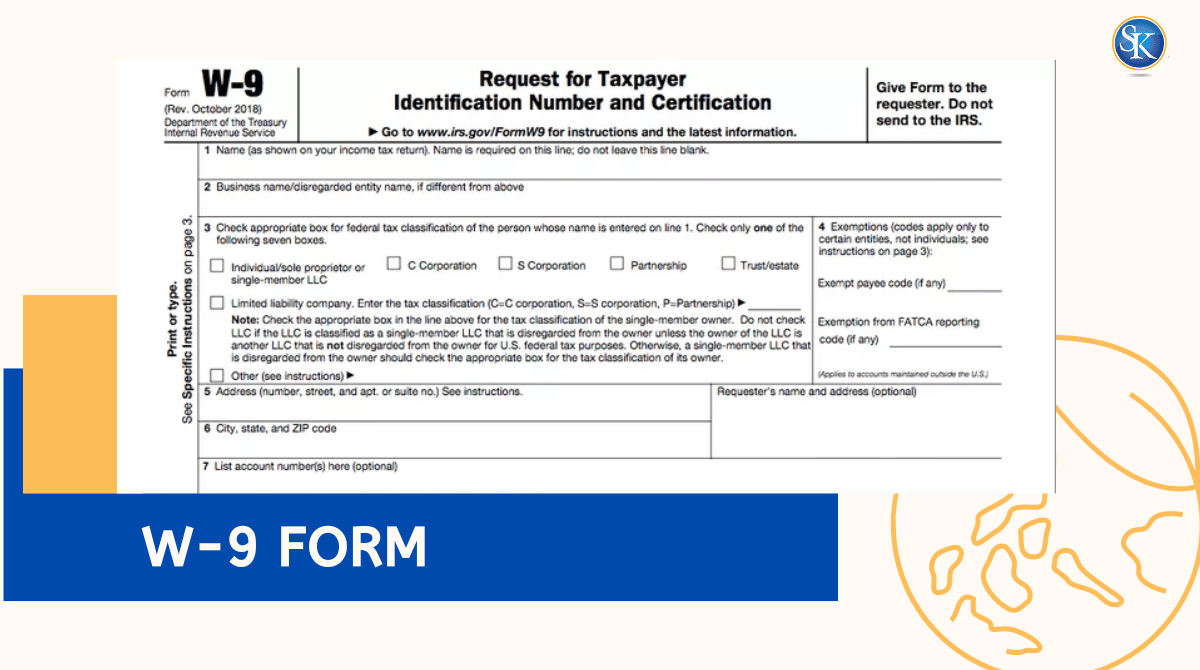
The accuracy of the information provided on the W-9 form directly impacts both the payee and the payer, especially when tax season rolls around.
For the payee (the individual or entity receiving payment):
-
Correct Income Reporting: An accurate W-9 ensures that the 1099 form you receive will correctly reflect your income, simplifying the process of preparing your own tax return. You’ll simply transfer the figures from the 1099 to your Schedule C (for sole proprietors) or other relevant tax forms.
-
Avoiding Discrepancies: If a W-9 is incorrect, the 1099 issued might have an incorrect name or TIN, leading to discrepancies with IRS records. This can trigger notices from the IRS, requiring you to resolve the mismatch and potentially delay your tax filing or refund.
-
Preventing Backup Withholding: An incorrect or missing W-9 can lead to backup withholding (24% of your payments are withheld). While this is credited against your tax liability, it means less money in your pocket throughout the year, impacting your cash flow and financial planning.
For the payer (the business making payments):
-
Compliance and Penalty Avoidance: Accurate W-9s are essential for the payer to comply with IRS reporting requirements. Failure to file correct 1099s by the deadline, or filing them with incorrect information, can result in significant penalties ranging from $60 to $570 per form, depending on the severity and timeliness of correction.
-
Operational Efficiency: Having correct W-9s on file streamlines the year-end reporting process, saving time and resources that would otherwise be spent resolving errors or chasing missing information.
-
Protection Against Backup Withholding Liability: By ensuring a valid W-9 is on file, the payer avoids the administrative burden and potential liability of having to perform backup withholding.
The W-9, therefore, is not just a form; it’s a critical financial tool that underpins correct tax reporting for millions of non-employee financial transactions across the economy.
Reporting Requirements for Businesses
Businesses, regardless of size, have specific reporting obligations when it comes to engaging independent contractors and other non-employees. These requirements are directly facilitated by the W-9.
-
Timely Collection: Businesses must collect a W-9 from each U.S. person they pay $600 or more to for services in a calendar year, before making the payment, or at least before the end of the year in which payments are made.
-
Secure Storage: W-9 forms contain sensitive personal information (TINs). Businesses are legally obligated to store these forms securely to protect against identity theft and data breaches. This means keeping them in locked cabinets or encrypted digital folders.
-
Issuing 1099 Forms: By January 31st of the year following the payments, businesses must issue copies of the relevant 1099 forms (e.g., 1099-NEC) to each payee and also file these forms with the IRS.
-
Verification: Some businesses may choose to verify the TINs provided on W-9 forms with the IRS using the online TIN Matching program, especially if they make a large volume of payments, to ensure accuracy and prevent backup withholding issues.
Adhering to these reporting requirements is a fundamental aspect of business finance. It ensures that the business operates legally, avoids penalties, and contributes to the overall integrity of the tax system. For any business that relies on external contractors, managing W-9s and the subsequent 1099 reporting is a recurring, essential financial task that demands attention and accuracy.
Practical Scenarios and Common Questions
Navigating the financial landscape often involves encountering various forms and procedures. The W-9 is no exception, and understanding its application in real-world scenarios, along with answers to common questions, can significantly alleviate financial stress and ensure compliance for both individuals and businesses.
When You Might Receive a W-9 Request (Gig Economy, Consulting, Rent)
The contexts in which you might be asked to complete a W-9 are diverse and reflect the myriad ways individuals and entities generate income outside of traditional employment.
-
Gig Economy Platforms: If you drive for a ride-sharing service, deliver food, or offer services through platforms like Upwork, Fiverr, or Etsy, these companies will almost certainly request a W-9 once your earnings approach the $600 threshold. They need your TIN to report your earnings to the IRS via a 1099-NEC.
-
Consulting and Freelance Work: Any time you’re engaged by a client or business as an independent contractor – whether you’re a marketing consultant, graphic designer, IT specialist, or writer – expect to provide a W-9. This applies whether you’re working for a large corporation or a small local business.
-
Rental Income: If you own a rental property and use a property management company, or if a tenant is paying you directly and claiming a business expense for the rent (e.g., a home office rental), you might be asked for a W-9 to facilitate the issuance of a 1099-MISC for your rental income.
-
Interest and Dividend Income: While often automated by banks, if you open certain financial accounts that generate reportable interest or dividend income, the financial institution will use information from your W-9 (or an equivalent form gathered during account opening) to report these earnings to the IRS.
-
Royalties and Awards: If you receive royalty payments (e.g., from book sales, music, or patents) or win prizes/awards over a certain threshold, the payer will need a W-9 to issue a 1099-MISC.
These scenarios highlight the pervasive nature of the W-9 in almost any financial transaction involving non-employee income.
What to Do if You Don’t Have a TIN
For most U.S. persons, having an SSN is a given. However, there are specific situations where a person might not have an SSN, or a business might not have an EIN.
-
Individuals Without an SSN: If you are a resident alien and do not have an SSN, you may need an Individual Taxpayer Identification Number (ITIN). An ITIN is a tax processing number issued by the IRS to individuals who are required to have a U.S. taxpayer identification number but who do not have, and are not eligible to obtain, an SSN. You can apply for an ITIN using Form W-7, “Application for IRS Individual Taxpayer Identification Number.” Until you receive your ITIN, you cannot fully complete a W-9. In such cases, inform the requester that you are in the process of obtaining one.
-
Businesses Without an EIN: If you’ve just started a business (e.g., a multi-member LLC or a corporation) and haven’t yet applied for an EIN, you can do so easily through the IRS website. The application process is typically quick, often providing an EIN immediately. You will need an EIN before you can accurately complete a W-9 for your business.
It’s crucial to communicate any delays or lack of a TIN to the entity requesting the W-9. Payers are often required to initiate backup withholding if they don’t receive a valid TIN within a reasonable timeframe. Proactive communication can help manage expectations and avoid financial inconveniences.
Protecting Your Information: Security Considerations
The W-9 form collects sensitive personal financial information, primarily your name, address, and TIN (SSN or EIN). This makes it a prime target for identity theft if not handled with care. Both the payee and the payer have responsibilities in protecting this data.
For the Payee (the person filling out the W-9):
-
Verify the Requester: Ensure that the entity requesting your W-9 is legitimate. Be wary of unsolicited requests via email or phone, especially if they seem suspicious or pressure you for immediate action. Legitimate businesses typically provide a secure portal or a standard process for W-9 submission.
-
Secure Transmission: If submitting electronically, use secure, encrypted channels. Avoid sending W-9s via unencrypted email. If mailing, consider certified mail for important documents.
-
Shred Old Forms: Do not simply discard old W-9 forms or documents containing your TIN. Shred them thoroughly to prevent unauthorized access.
For the Payer (the business requesting and storing W-9s):
-
Secure Storage: Implement robust security measures for storing W-9 forms. For physical copies, this means locked cabinets with limited access. For digital copies, this means encrypted files, password-protected systems, and restricted access to authorized personnel only.
-
Data Breach Protocols: Have a clear protocol in place for responding to potential data breaches involving W-9 information, including notifying affected individuals and relevant authorities.
-
Limited Access: Restrict access to W-9 forms to only those employees who legitimately need the information for tax reporting purposes.
In an age of heightened cyber security risks, treating W-9 information with the utmost care is not just good practice; it’s a critical component of financial responsibility and risk management for both individuals and businesses. The consequences of a data breach involving TINs can be severe, impacting credit, financial standing, and personal privacy.
Best Practices for Businesses and Individuals
Mastering the intricacies of the W-9 is a vital aspect of sound financial management for both businesses and independent contractors. Adopting best practices ensures compliance, mitigates risks, and streamlines the tax reporting process, leading to greater financial peace of mind.
For Businesses: Collection and Retention
Businesses, as the requesters of W-9 forms, bear significant responsibility for their proper handling. Implementing robust procedures for collection, storage, and utilization is crucial.
-
Proactive Collection: Always request a W-9 from a new vendor or independent contractor before making any payments, or at least before their cumulative payments for the year reach the $600 threshold. This proactive approach prevents last-minute scrambling at year-end and reduces the likelihood of having to perform backup withholding.
-
Standardized Process: Establish a clear, standardized process for W-9 collection. This might involve an onboarding packet for new contractors that includes the W-9, or directing them to a secure online portal for electronic submission. Consistency reduces errors and ensures all necessary information is captured.
-
Secure Storage: W-9 forms contain highly sensitive information. Store physical copies in locked, secure locations. For digital copies, utilize encrypted systems, access controls, and regular backups. Restrict access to W-9 data to only those employees who require it for tax compliance.
-
Regular Verification: While not always mandatory, periodically verifying TINs with the IRS (especially for high-volume payers) can prevent issues with incorrect 1099 filings later on. The IRS offers a TIN Matching program for this purpose.
-
Retention Policy: Retain W-9 forms for at least three years after the last payment made to the individual or entity, which aligns with the statute of limitations for IRS audits. Many businesses opt for a seven-year retention period for all tax-related documents to be extra cautious.
-
Clear Communication: Educate contractors on why a W-9 is needed and how their information will be used. Transparency can foster trust and encourage timely submission.
For Individuals: Accuracy and Timeliness
Individuals acting as independent contractors, freelancers, or sole proprietors also have responsibilities when it comes to the W-9. Accurate and timely submission is key to protecting their own financial interests.
-
Understand the Request: When a client or payer requests a W-9, understand that it’s a standard procedure for reporting your income. It signifies that you are being treated as an independent contractor, not an employee.
-
Ensure Accuracy: Double-check all information before submitting the W-9, especially your name, business name (if applicable), address, and Taxpayer Identification Number (TIN). An incorrect TIN can lead to delayed 1099s, backup withholding, or IRS inquiries.
-
Use the Correct TIN: Use your Social Security Number (SSN) if you are an individual or sole proprietor without an EIN. If you operate as a corporation, partnership, or multi-member LLC, or a sole proprietor with an EIN, use your EIN.
-
Timely Submission: Respond to W-9 requests promptly. Delays can lead to the payer withholding 24% of your payments (backup withholding), which impacts your cash flow.
-
Keep Records: Maintain copies of all W-9 forms you submit, along with any related contracts and 1099 forms you receive. This documentation is crucial for your own tax filing and in case of any discrepancies or audits.
-
Monitor 1099 Forms: At the end of the year, ensure you receive 1099-NEC (or 1099-MISC, if applicable) forms from all clients from whom you expect them. Compare the information on the 1099s with your records. If you believe a 1099 is incorrect or missing, contact the payer to resolve it before filing your taxes.
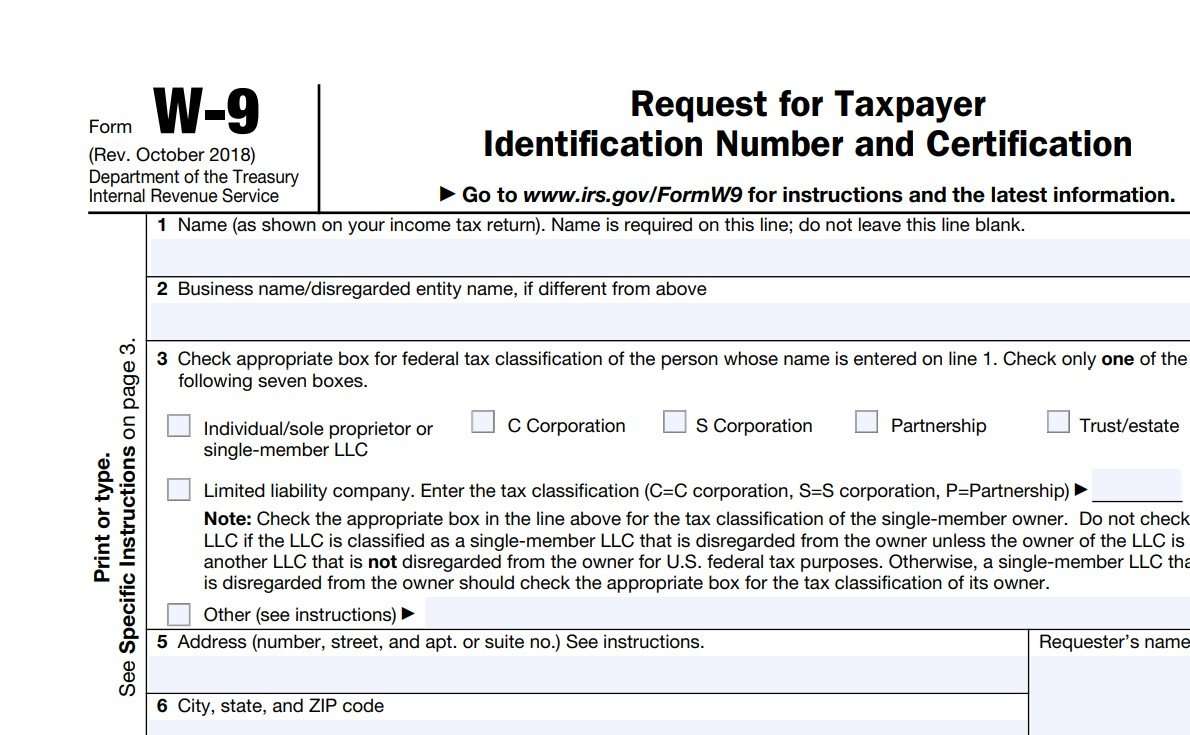
Staying Compliant with IRS Regulations
Compliance with IRS regulations surrounding the W-9 and subsequent 1099 forms is not optional; it’s a legal imperative. Both businesses and individuals benefit from adherence.
-
Stay Informed: Tax laws and forms can change. Regularly consult IRS publications (like Publication 1779, “Independent Contractor or Employee,” and instructions for Forms W-9 and 1099) or a qualified tax professional to stay updated on current regulations.
-
Leverage Technology: For businesses, accounting software often includes features for managing W-9s and generating 1099 forms, which can significantly simplify compliance. For individuals, tax software can guide you through reporting 1099 income.
-
Consult Professionals: If in doubt about any aspect of W-9 compliance, whether you are a business or an individual, consult with a tax advisor, accountant, or attorney. Their expertise can help navigate complex situations and ensure accurate financial reporting.
By integrating these best practices into your financial routines, you can effectively manage your W-9 responsibilities, ensure accurate tax reporting, and contribute to a financially transparent and compliant ecosystem for non-employee income. The W-9, while a simple form, serves as a powerful financial tool that underpins a significant portion of the U.S. economy’s income reporting mechanisms.
aViewFromTheCave is a participant in the Amazon Services LLC Associates Program, an affiliate advertising program designed to provide a means for sites to earn advertising fees by advertising and linking to Amazon.com. Amazon, the Amazon logo, AmazonSupply, and the AmazonSupply logo are trademarks of Amazon.com, Inc. or its affiliates. As an Amazon Associate we earn affiliate commissions from qualifying purchases.