
In the rapidly evolving landscape of technology, numbers are more than just digits; they are identifiers, milestones, and indicators of progress. When we encounter a designation like “VII,” which numerically represents seven, it often signals a significant stage in a product’s lifecycle, a system’s evolution, or a standard’s maturity. From the user-facing simplicity of version numbers to the intricate complexities of underlying protocols, the “seventh iteration” frequently carries a weight of expectation, refinement, and often, a leap forward. This article delves into the multifaceted meaning of “VII” in the realm of technology, exploring its impact across software, hardware, data structures, and the strategic decisions that drive innovation.

The Ubiquity of Numerical Identifiers: Why “VII” Matters in Tech
The use of numerical identifiers is a cornerstone of organization and communication in technology. Whether it’s a software version, a hardware generation, or a protocol revision, numbers provide a universal language for tracking, differentiating, and understanding technological advancements. “VII” specifically, as the number seven, often marks a point of maturity and significant refinement, frequently building upon lessons learned from six preceding iterations.
The Roman Numeral Legacy in Tech Naming
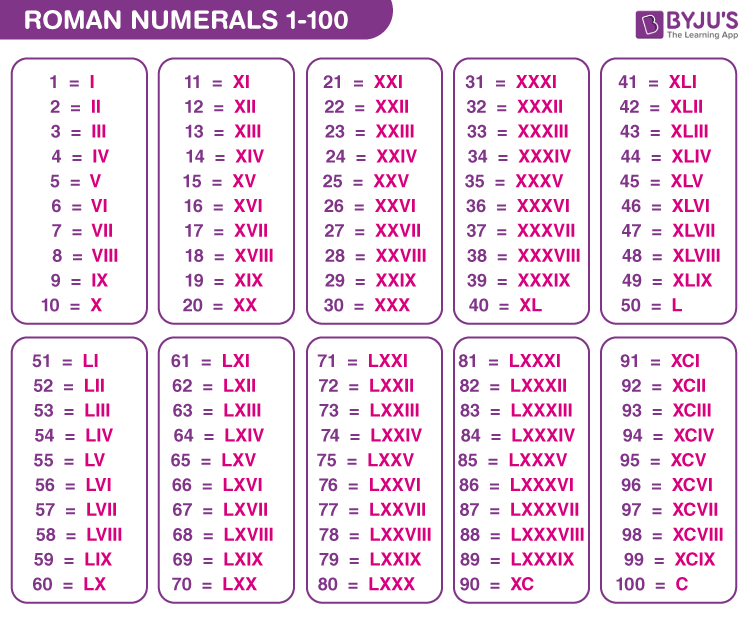
While Arabic numerals (1, 2, 3…) are predominant in modern tech, Roman numerals (I, V, X…) occasionally appear, lending a sense of legacy, formality, or distinctiveness. Think of “Star Wars Episode VII” or even certain historical product lines. In a tech context, a “Version VII” might evoke a classic or definitive release, differentiating it from purely numerical sequences. This choice can be deliberate, aiming to convey a sense of gravitas or a break from conventional numbering, suggesting a particularly monumental update. It signals to users and developers alike that this isn’t just another incremental patch, but a substantial evolution that warrants a more distinguished label.
The Psychological Impact of Iteration Numbers
Numbers carry psychological weight. For instance, “Version 1.0” implies initial release, “2.0” suggests a significant overhaul, and a transition to “7” can imply robust stability, extensive feature sets, and a high degree of polish. Users often associate higher numbers with greater reliability, advanced features, and a more mature product. A “VII” release, therefore, is often anticipated as a highly stable, feature-rich, and refined product. Developers, on the other hand, see it as a culmination of several development cycles, a point where feedback has been integrated, bugs squashed, and performance optimized. This perception shapes user adoption, marketing strategies, and the competitive positioning of a technological offering.
Standardization and Clarity Through Numerical Sequencing
At its core, numerical sequencing is about standardization and clarity. In complex systems, where multiple components must interact seamlessly, clear versioning is indispensable. Imagine a vast ecosystem of software, hardware, and network protocols, each constantly evolving. Without a systematic way to identify versions—like a “VII” representing a specific, tested iteration—interoperability would crumble. This clarity is vital for backward compatibility, ensuring that newer versions can still interact with older ones to some degree, or at least that developers are aware of breaking changes. It streamlines troubleshooting, deployment, and future development paths, acting as a critical roadmap for engineers and system architects.
“VII” in Software Development: Milestones and Modern Applications
Software development is perhaps the most obvious domain where “VII” or “7” manifests as a critical identifier. It denotes major releases, significant architectural changes, and pivotal points in an application’s or operating system’s journey.
Operating Systems: The Enduring Legacy of “Windows 7”
One of the most prominent examples of “VII” in software history is Microsoft’s Windows 7. Released in 2009, it was the seventh major release of the Windows operating system (excluding intermediate versions like Windows Vista, which was 6.0). Windows 7 was widely lauded for its stability, improved performance over its predecessor, and user-friendly interface. It became one of Microsoft’s most successful operating systems, cementing the perception that a “7th” iteration could represent a pinnacle of refinement and user satisfaction. Its long support life and widespread adoption underscored the importance of delivering a robust “seventh-generation” product.
Software Suites and Application Versions
Beyond operating systems, individual applications and comprehensive software suites frequently undergo numerical versioning. While not always explicitly “VII,” the concept of a “7th generation” application often means a mature, feature-complete product. For instance, an application might progress from Version 1.0 to 6.0, each adding features, fixing bugs, and improving performance. A “Version 7.0” would typically signify a major architectural redesign, a significant expansion of core functionalities, or a shift to a new underlying platform. Developers of creative tools, enterprise resource planning (ERP) systems, or even popular productivity apps often use these full-number increments to signal substantial changes that warrant a fresh look from users and a new purchasing decision for businesses.
API Versions and Backward Compatibility
Application Programming Interfaces (APIs) are the backbone of modern interconnected software. They allow different applications to communicate and share data. API versioning is crucial for maintaining functionality as software evolves. An “API v7” often indicates that significant changes have been made to the API’s structure, endpoints, or data models. Developers using this API must be aware of these changes, as older code might not be compatible. The challenge here is balancing innovation with backward compatibility—ensuring new features are available without breaking existing integrations. A jump to “v7” often necessitates careful migration strategies and comprehensive documentation to guide developers through the transition.
Game Engines and Frameworks
The gaming industry thrives on innovation, and game engines are at its heart. Major engines like Unreal Engine, Unity, or custom-built studio engines constantly evolve. While they might use internal code names or less sequential numbering, a “seventh major iteration” of such an engine (e.g., Engine X, Version 7) would signify dramatic improvements in rendering capabilities, physics simulations, AI frameworks, or development workflows. These advancements directly impact the fidelity, complexity, and immersive quality of the games developed using them, pushing the boundaries of interactive entertainment.
Hardware Innovations and the “VII” Mark: A Leap in Gadgetry and Components
The tangible world of hardware also employs numerical designations to mark generational leaps, performance tiers, and design refinements. “VII” or “7” frequently indicates a significant step up in capability.
Processor Architectures and Series
In the competitive landscape of microprocessors, numbers are synonymous with performance. Intel’s Core i7 series and AMD’s Ryzen 7 series are prime examples where the “7” denotes a high-performance tier within their respective processor families. These aren’t necessarily the seventh generation of their entire product line but signify a consistent level of superior performance, often targeted at power users, gamers, and professionals requiring robust computing power. A “7th Generation” Intel Core processor, for example, brought specific architectural enhancements, improved efficiency, and new feature sets that marked it as distinct from its predecessors.
Smartphone Models and Design Evolution
The smartphone market is characterized by annual or bi-annual releases, making version numbers critical. The iPhone 7 and Samsung Galaxy S7 were landmark devices that encapsulated the technological advancements of their time. The iPhone 7, for instance, introduced water resistance, a solid-state home button, and a dual-camera system on its Plus model—significant evolutions from the iPhone 6. The Galaxy S7 brought back microSD card support and improved battery life, refining the features of the S6. These “7th” models often represent a mature, highly polished design, incorporating significant user feedback and technological improvements from previous generations.
Graphics Cards and Chipsets
Graphics Processing Units (GPUs) also follow a numerical hierarchy. While specific “VII” generations are less common for an entire product stack, models like the Nvidia GeForce RTX 3070 or AMD Radeon RX 6700 XT clearly use “70” to signify a high-mid to high-end performance tier within their current generation. These cards offer a compelling balance of performance and price, making the “7” a key identifier for discerning gamers and content creators looking for powerful, yet accessible, hardware.
Networking Standards and Device Generations
The evolution of networking standards is another area where numerical advancements are critical. Wi-Fi 7 (802.11be) is an excellent contemporary example. As the seventh major generation of Wi-Fi technology, it promises unprecedented speeds, lower latency, and greater capacity, especially in dense environments. Routers and devices supporting Wi-Fi 7 will mark a significant upgrade for home and enterprise networks, illustrating how the “seventh iteration” in a standard can revolutionize connectivity and user experience.
Beyond Versioning: “VII” in Data Structures and Digital Security
While often associated with sequential releases, “VII” can also play a role in the internal structures of data, protocols, and security mechanisms, representing specific elements or layers.
Data Packet Identifiers and Protocol Flags
Within complex data packets, specific fields or flags might be numerically assigned for various purposes. Imagine a custom industrial control protocol where “Field VII” is specifically designated for a critical status message or a unique identifier for a particular sensor reading. In such structured data, “VII” is not a version but a specific, immutable part of the data schema. Similarly, in communication protocols, a “bit 7” or a “flag VII” might control a specific behavior or indicate a particular state, crucial for data interpretation and system functionality.
Encryption Algorithms and Security Standards
In digital security, the concept of “VII” might manifest in a multi-layered security model, where “Layer VII” represents a specific defense mechanism or a stage in a security protocol. While specific encryption algorithms are rarely named “Algorithm VII,” the evolution of security standards often involves multiple revisions. For instance, a security framework might undergo seven significant updates, with “Revision 7” incorporating new cryptographic primitives or addressing newly discovered vulnerabilities, making it the most robust iteration to date. This sequential improvement is critical for maintaining data integrity and confidentiality in an ever-evolving threat landscape.
Database Schema Revisions and Data Integrity
Databases are the foundation of most modern applications, and their underlying structure, or schema, evolves over time. A “Schema v7” would imply that the database structure has undergone several significant modifications since its inception. These changes could include new tables, altered relationships, updated data types, or refined indexing strategies. Managing these revisions, especially when migrating data from older schemas, is a complex task requiring careful planning to ensure data integrity and application compatibility. The “VII” here marks a crucial point in the database’s lifecycle, reflecting extensive adjustments to support new features or improve performance.
Distributed Systems and Node Management
In large-scale distributed systems, resources are often partitioned and managed across multiple nodes. A “Node 7” or “Segment VII” within such a system could refer to a specific server, a data shard, or a cluster component responsible for a particular set of tasks or a portion of the data. Identifying resources by numbers, including “VII,” is essential for load balancing, fault tolerance, and efficient resource allocation in high-availability environments. It allows administrators to precisely target specific parts of the infrastructure for maintenance, upgrades, or performance monitoring.
The Strategic Imperative of “VII”: Looking Beyond the Number
The significance of “VII” in technology extends beyond its technical definitions; it also encompasses strategic considerations that influence product development, marketing, and long-term vision.
Marketing and Brand Perception of “Next-Gen”
From a marketing perspective, a “VII” designation can be powerful. It allows companies to position their product as “next-generation,” signaling a significant upgrade over previous iterations. The number seven often carries positive connotations of luck, perfection, or completeness in various cultures, which can be subtly leveraged in branding. A “Version VII” can be a key differentiator, creating buzz and driving adoption among users eager for the latest and greatest. This strategic labeling influences consumer perception and dictates market positioning.
The Engineering Challenges of Successive Iterations
Developing a “VII” product is not without its challenges. Engineers face the delicate balance of introducing innovative features while maintaining stability, performance, and often, backward compatibility. Each iteration builds upon the complexity of its predecessors, leading to potential technical debt and increased testing demands. Successfully delivering a “VII” product that lives up to its numerical promise requires meticulous planning, robust architecture, and a deep understanding of user needs and technical limitations. It’s a testament to sustained engineering effort and continuous improvement.
Future-Proofing and Scalability: What Comes After “VII”?
The release of a “VII” product is rarely the end of the journey. Companies must already be contemplating “VIII,” “IX,” and beyond. This involves future-proofing the current iteration, designing it with scalability in mind, and anticipating future technological trends. A “VII” product often lays the groundwork for subsequent innovations, either by establishing a stable platform or by introducing new architectural paradigms that can be built upon. The strategic vision extends far beyond the current release, ensuring a continuous cycle of innovation.

The Continuous Cycle of Innovation and Obsolescence
Ultimately, “VII” in numbers within technology is a symbol of the relentless cycle of innovation and, inevitably, obsolescence. Each new iteration strives to improve, to solve new problems, and to push boundaries. While a “VII” product might be a pinnacle of its generation, technology’s rapid pace ensures that it will eventually be surpassed by “VIII,” “IX,” and so on. Understanding “what is VII in numbers” means appreciating this dynamic process—a continuous quest for better, faster, and more efficient solutions that constantly redefine the technological landscape. It’s a journey marked by numbers, each telling a story of progress, challenge, and the unyielding human drive to create and improve.
aViewFromTheCave is a participant in the Amazon Services LLC Associates Program, an affiliate advertising program designed to provide a means for sites to earn advertising fees by advertising and linking to Amazon.com. Amazon, the Amazon logo, AmazonSupply, and the AmazonSupply logo are trademarks of Amazon.com, Inc. or its affiliates. As an Amazon Associate we earn affiliate commissions from qualifying purchases.