
In an increasingly digitized world, unique identifiers are paramount to managing, tracking, and securing complex systems. From the serial number on your smartphone to the IP address of your network device, these codes are the unseen architects of modern technological order. In the automotive industry, this crucial role is played by the Vehicle Identification Number, or VIN. Far more than just a random string of characters, the VIN is a meticulously structured, globally standardized digital fingerprint that encapsulates a wealth of information about a specific vehicle. It’s the linchpin that connects a physical machine to countless digital databases, enabling everything from precise manufacturing tracking to advanced telematics and robust digital security. Understanding the VIN isn’t just about knowing where to find it; it’s about appreciating its profound technological significance in the lifecycle of every car, truck, and motorcycle on the road today.
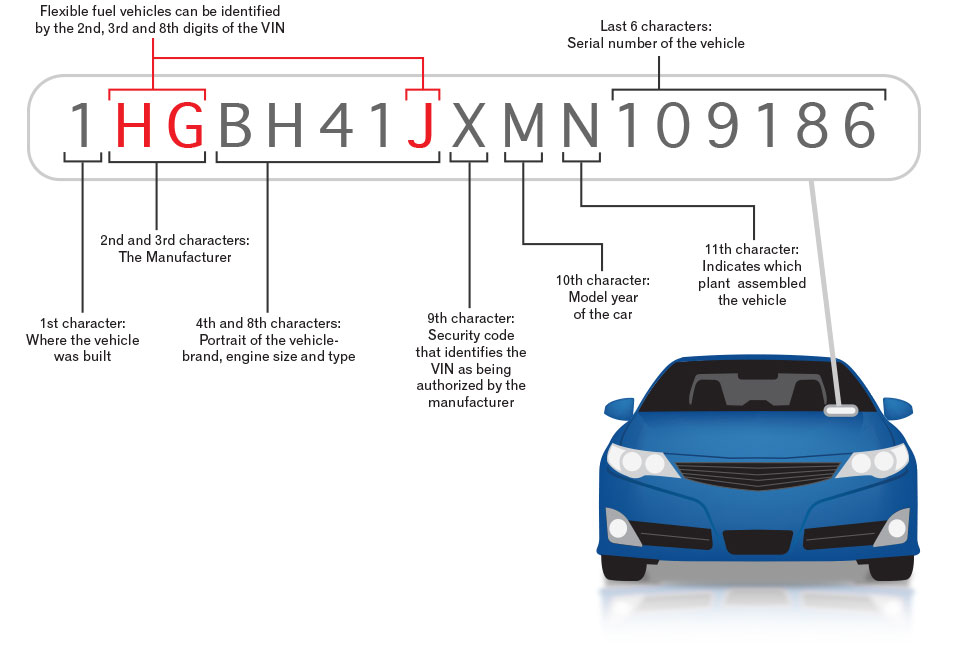
The Anatomy of a VIN: A Data Structure Breakdown
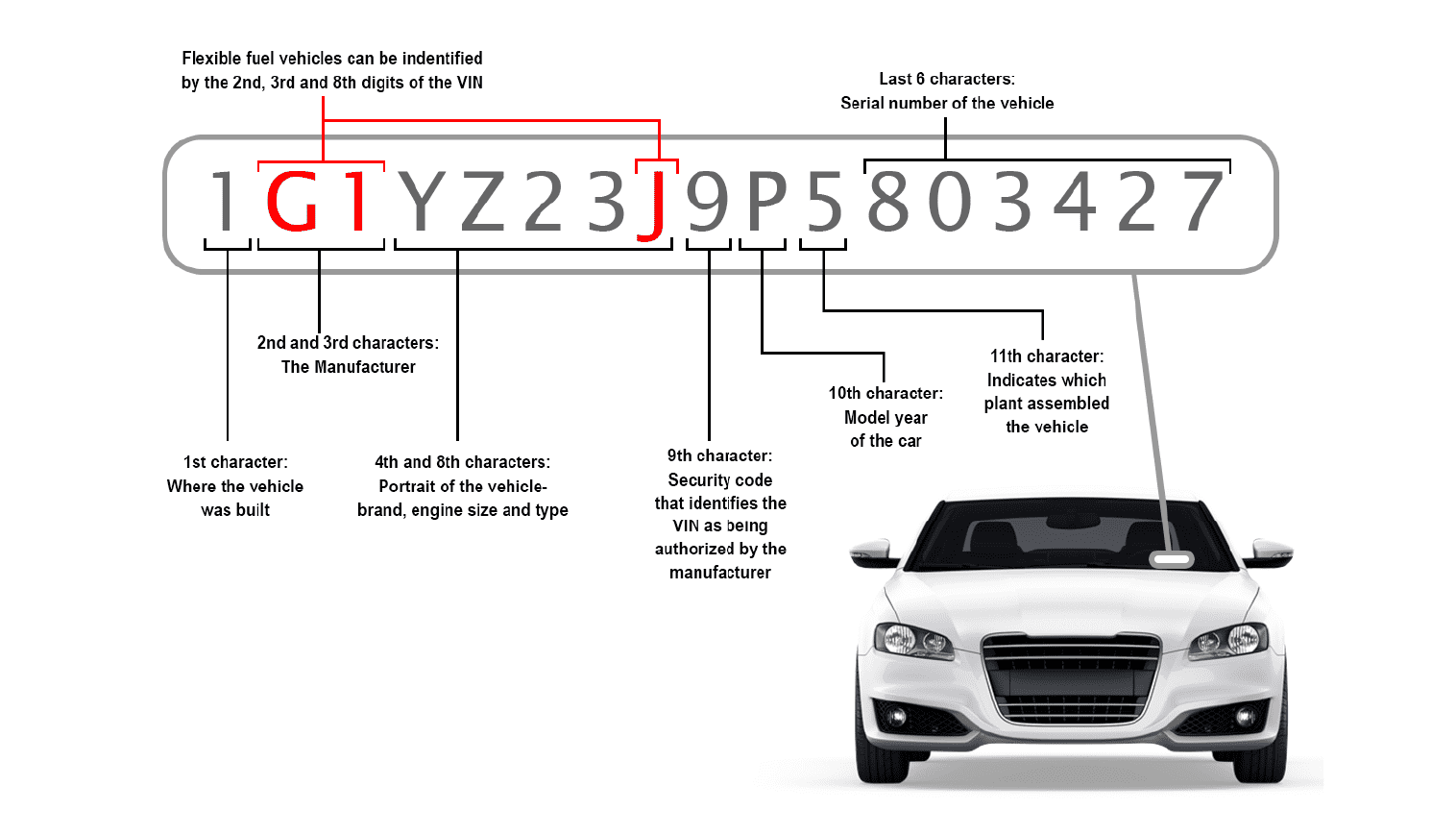
The VIN is a 17-character alphanumeric code, free of the letters I (i), O (o), and Q (q) to avoid confusion with the numbers 1 and 0. This deliberate exclusion minimizes human error and enhances digital readability. Standardized by the International Organization for Standardization (ISO) in 1981 (ISO 3779), this universal format ensures consistency across manufacturers and continents. Each character, or group of characters, in the VIN holds specific encoded data, revealing details about the vehicle’s origin, specifications, and manufacturing process. Deconstructing a VIN is akin to reading a highly condensed technical specification sheet, crucial for various digital applications and data analytics platforms.
Decoding the World Manufacturer Identifier (WMI)
The first three characters of a VIN constitute the World Manufacturer Identifier (WMI). This section uniquely identifies the manufacturer of the vehicle. The first character denotes the geographic region where the manufacturer is located. For instance, ‘1’, ‘4’, ‘5’ are used for North America, ‘J’ for Japan, ‘W’ for Germany, ‘Z’ for Italy, ‘L’ for China, and ‘S’ for the UK. This regional coding aids in supply chain management systems and global trade data.
The second character identifies the country within that geographic area, further narrowing down the location. For example, ‘1’ for the USA, ‘A’ for Japan, ‘2’ for Canada, ‘3’ for Mexico, ‘S’ for the UK, and so on.
The third character, combined with the first two, uniquely identifies the specific vehicle manufacturer. For large manufacturers like Ford or General Motors, this third character might be part of their general identifier, while for smaller manufacturers, it might be a more specific code. The WMI is fundamental for digital databases used by regulatory bodies, dealerships, and even aftermarket parts suppliers to quickly identify the original equipment manufacturer (OEM), simplifying data retrieval and system integration.
Understanding the Vehicle Descriptor Section (VDS)
Characters four through nine form the Vehicle Descriptor Section (VDS). This segment provides comprehensive details about the vehicle’s attributes. The specific meaning of each character within the VDS is determined by the manufacturer, but it typically encodes crucial information such as the vehicle type (e.g., sedan, SUV, pickup), body style, engine type (e.g., gasoline, diesel, electric, hybrid), restraint system (e.g., airbags), and model series.
Character nine is particularly significant: it is the “check digit.” This single character is derived from a mathematical formula (a weighted checksum calculation) applied to the other 16 characters of the VIN. Its primary purpose is to detect transcription errors. If a VIN is entered into a digital system with even a single incorrect character, the check digit calculation will likely fail, immediately signaling an error. This robust error-checking mechanism is vital for maintaining data integrity across vast digital networks, from dealership inventory systems to governmental registration databases, preventing costly mistakes and ensuring accurate record-keeping.
The Vehicle Indicator Section (VIS) and Its Significance
The final eight characters, positions 10 through 17, comprise the Vehicle Indicator Section (VIS), often referred to as the Vehicle Identification Section. This is the most unique part of the VIN, specific to an individual vehicle.
Character 10 indicates the model year of the vehicle. It uses a standardized system of letters and numbers that cycles every 30 years (e.g., ‘A’ for 1980, ‘Y’ for 2000, ‘1’ for 2001, ‘B’ for 2011). This standardization is invaluable for software systems that need to filter or query vehicles by their manufacturing year, such as recall databases or parts compatibility tools.
Character 11 specifies the plant where the vehicle was assembled. Each manufacturer has a unique code for its assembly plants, allowing precise tracking of a vehicle’s origin. This information is critical for quality control, logistical planning, and tracing specific batches of vehicles in the event of manufacturing defects or recalls.
Characters 12 through 17 represent the vehicle’s sequential production number, also known as the serial number. This number is assigned by the manufacturer on the assembly line and makes each vehicle absolutely unique. No two vehicles of the same make and model, even if produced in the same year at the same plant, will share the same last six digits. This unique serial number is the ultimate identifier for an individual automobile, underpinning digital records for ownership, service history, and official registration.
VIN as a Cornerstone of Automotive Digital Systems
The VIN’s meticulous structure isn’t merely for human understanding; it’s designed for seamless integration into complex digital systems. It acts as a primary key in countless databases, connecting disparate data points across the automotive ecosystem. From the moment a car is conceived on a CAD system to its eventual recycling, the VIN is the thread that weaves through its entire digital narrative, enabling transparency, efficiency, and security.
From Manufacturing to Recall: VIN’s Role in Lifecycle Management Software
In modern automotive manufacturing, enterprise resource planning (ERP) systems and product lifecycle management (PLM) software rely heavily on the VIN. Each component and sub-assembly often carries its own digital identifier, which is then associated with the unique VIN as the vehicle progresses through the assembly line. This creates a comprehensive digital bill of materials, linking specific parts to specific vehicles. Should a defect be discovered in a batch of components, the VIN allows manufacturers to precisely identify every affected vehicle, streamlining recall processes and minimizing broad-brush, costly campaigns. Advanced analytics platforms can use VIN data to track manufacturing efficiency, identify common failure points, and even predict maintenance needs, transforming raw production data into actionable insights for continuous improvement. The VIN is essentially the tracking number for a vehicle’s entire manufacturing and post-sales journey within these sophisticated software ecosystems.
Enhancing Digital Security: Anti-Theft and Fraud Prevention Systems
The VIN is a critical tool in the digital fight against vehicle theft and fraud. Law enforcement databases worldwide use VINs to identify stolen vehicles. When a vehicle is reported stolen, its VIN is digitally flagged, making it extremely difficult to register, insure, or resell the vehicle legitimately. Digital systems at border crossings, vehicle registration offices, and even repair shops can instantaneously cross-reference a vehicle’s VIN against these databases.
Beyond theft, VINs are vital in preventing various forms of fraud. For instance, “VIN cloning” – where thieves imprint a legitimate VIN onto a stolen vehicle – is combated by digital forensics that analyze discrepancies in vehicle features (body style, engine type) against the decoded VIN information. Modern digital security protocols also leverage VIN data for authentication in telematics systems, ensuring that only authorized devices or users can interact with a vehicle’s connected features. Some advanced security systems may even integrate VIN data with GPS tracking and immobilization features, providing an extra layer of digital defense against unauthorized access or movement.
Vehicle History Reports: Leveraging VIN Data for Transparency
One of the most practical and widely used applications of VIN data for consumers is the generation of vehicle history reports (VHRs). Services like CarFax or AutoCheck collect vast amounts of data associated with VINs from various sources: state DMVs, insurance companies, repair shops, law enforcement agencies, and even manufacturer databases. By simply inputting a VIN into their digital platforms, potential buyers, dealerships, and insurers can access a comprehensive report detailing a vehicle’s past.
These reports typically include records of accidents, flood damage, salvage titles, odometer discrepancies, service history, recall completions, and even previous ownership information. This massive aggregation and analysis of VIN-linked data provide unprecedented transparency in the used car market. For dealerships, integrating VHR services into their inventory management software is standard practice, allowing them to quickly assess the value and history of trade-ins. For individual buyers, it’s a crucial digital tool for making informed purchasing decisions, mitigating risks associated with hidden defects or fraudulent claims, and leveraging data to negotiate fair prices. The integrity of this digital service hinges entirely on the uniqueness and data-encoding capabilities of the VIN.
VIN in the Age of Connected Cars and AI
As vehicles evolve from mere mechanical constructs into highly advanced, software-driven platforms, the role of the VIN is only expanding. In the era of connected cars, autonomous driving, and artificial intelligence, the VIN is becoming an even more critical identifier, facilitating communication, data exchange, and smart decision-making across increasingly complex technological ecosystems.
Telematics and Data Analytics: Powering Smart Vehicle Ecosystems
Connected cars are essentially mobile data centers, constantly generating and transmitting vast amounts of information about their performance, location, and driver behavior. This telematics data – everything from engine diagnostics to braking patterns and infotainment usage – is invariably linked to the vehicle’s VIN. Digital platforms process this VIN-associated data for various purposes:
-
Predictive Maintenance: AI algorithms can analyze VIN-linked diagnostic data to predict component failures before they occur, scheduling proactive maintenance and optimizing vehicle uptime.
-
Usage-Based Insurance: Insurance companies use VIN-specific telematics data to assess individual driving risk and offer customized premiums, fostering a more data-driven approach to underwriting.
-
Fleet Management: For commercial fleets, VINs enable real-time tracking, route optimization, fuel efficiency monitoring, and asset utilization analysis through specialized software dashboards.
-
Over-the-Air (OTA) Updates: Manufacturers can deliver software updates and patches directly to individual vehicles identified by their VIN, just like updating a smartphone app, enhancing functionality and security remotely.
The VIN thus becomes the digital anchor for an individual vehicle’s participation in these smart ecosystems, allowing personalized services and highly granular data analysis that were impossible just a few decades ago.
Autonomous Vehicles and V2X Communication: Unique Identification Imperatives
The advent of autonomous vehicles (AVs) and Vehicle-to-Everything (V2X) communication elevates the VIN’s importance to new heights. In a world where vehicles communicate with each other (V2V), with infrastructure (V2I), with pedestrians (V2P), and with the network (V2N), unambiguous identification is non-negotiable for safety and operational efficiency.
Every packet of data transmitted between an AV and its environment must be securely associated with a specific vehicle. The VIN, or a secure cryptographic token derived from it, serves as this essential identifier. It enables AVs to:
-
Authenticate Identity: Ensure that communication comes from a legitimate vehicle, preventing spoofing or malicious interference.
-
Share Real-time Data: Transmit precise location, speed, and trajectory information to other vehicles and smart city infrastructure, allowing for coordinated traffic flow and collision avoidance.
-
Receive Instructions: Get specific routing information, speed limits, or hazard warnings tailored to its unique profile and capabilities from intelligent transportation systems.
Without a robust, universally recognized digital identifier like the VIN, the seamless and secure operation of a fully autonomous and connected transportation network would be fundamentally impossible.

Future Trends: Blockchain and Enhanced VIN Security
As the digital landscape evolves, so too will the mechanisms that secure critical identifiers like the VIN. One promising area of innovation is the integration of VIN data with blockchain technology. A blockchain-based VIN system could create an immutable, transparent, and decentralized ledger for every vehicle’s history, from manufacturing to ownership transfers, service records, and even accident reports.
This distributed ledger approach would significantly enhance data security, making it virtually impossible to tamper with VIN-linked records (e.g., odometer rollback, VIN cloning) and providing an unparalleled level of trust and transparency. Smart contracts could automate processes like vehicle sales or insurance claims based on verified VIN data. Furthermore, cryptographic techniques could be employed to create anonymized yet verifiable VIN derivatives for privacy-sensitive applications, balancing the need for identification with individual data protection. The future of the VIN points towards even more sophisticated digital integration, ensuring its continued relevance as the ultimate technological identifier in a rapidly advancing automotive world.
aViewFromTheCave is a participant in the Amazon Services LLC Associates Program, an affiliate advertising program designed to provide a means for sites to earn advertising fees by advertising and linking to Amazon.com. Amazon, the Amazon logo, AmazonSupply, and the AmazonSupply logo are trademarks of Amazon.com, Inc. or its affiliates. As an Amazon Associate we earn affiliate commissions from qualifying purchases.