
Respiratory Syncytial Virus (RSV) is a common respiratory virus that usually causes mild, cold-like symptoms. While most people recover in a week or two, RSV can be serious, especially for infants and older adults, leading to bronchiolitis or pneumonia. Historically, treatment for RSV has been largely supportive, focusing on managing symptoms and ensuring adequate hydration and oxygenation. However, in an era defined by rapid technological advancements, the landscape of how we understand, diagnose, monitor, and even anticipate RSV is undergoing a profound transformation. From AI-driven diagnostics to wearable health devices and sophisticated data analytics, technology is not just supplementing traditional medical approaches; it is redefining what “treatment” for RSV encompasses. This article delves into how various technological innovations are shaping our response to RSV, offering new tools for clinicians, caregivers, and public health officials.
The Digital Frontier of RSV Diagnosis and Monitoring
Accurate and timely diagnosis is the cornerstone of effective disease management. For RSV, technology is dramatically enhancing our ability to detect the virus, track its progression, and monitor patient health, moving beyond traditional methods to offer quicker, more precise, and less invasive solutions.
Rapid Diagnostic Technologies
The ability to quickly identify RSV is crucial for clinical management and infection control. Advancements in molecular diagnostics have significantly shortened turnaround times and improved accuracy. Polymerase Chain Reaction (PCR) tests, once confined to specialized labs, are now increasingly available at point-of-care (POC) settings. These miniaturized, automated systems can deliver highly sensitive and specific results in minutes, allowing clinicians to make informed decisions swiftly. Beyond PCR, next-generation sequencing (NGS) is beginning to play a role, not only in confirming RSV but also in identifying specific strains and tracking viral evolution, which can be critical for vaccine development and epidemiological surveillance. These technologies not only reduce diagnostic uncertainty but also help differentiate RSV from other respiratory pathogens, preventing unnecessary antibiotic use and ensuring appropriate care pathways. The ease of use and portability of these new diagnostic tools are game-changers, enabling testing in emergency rooms, clinics, and even potentially in community settings, bringing rapid diagnosis closer to the patient.
Wearable Tech and Remote Monitoring
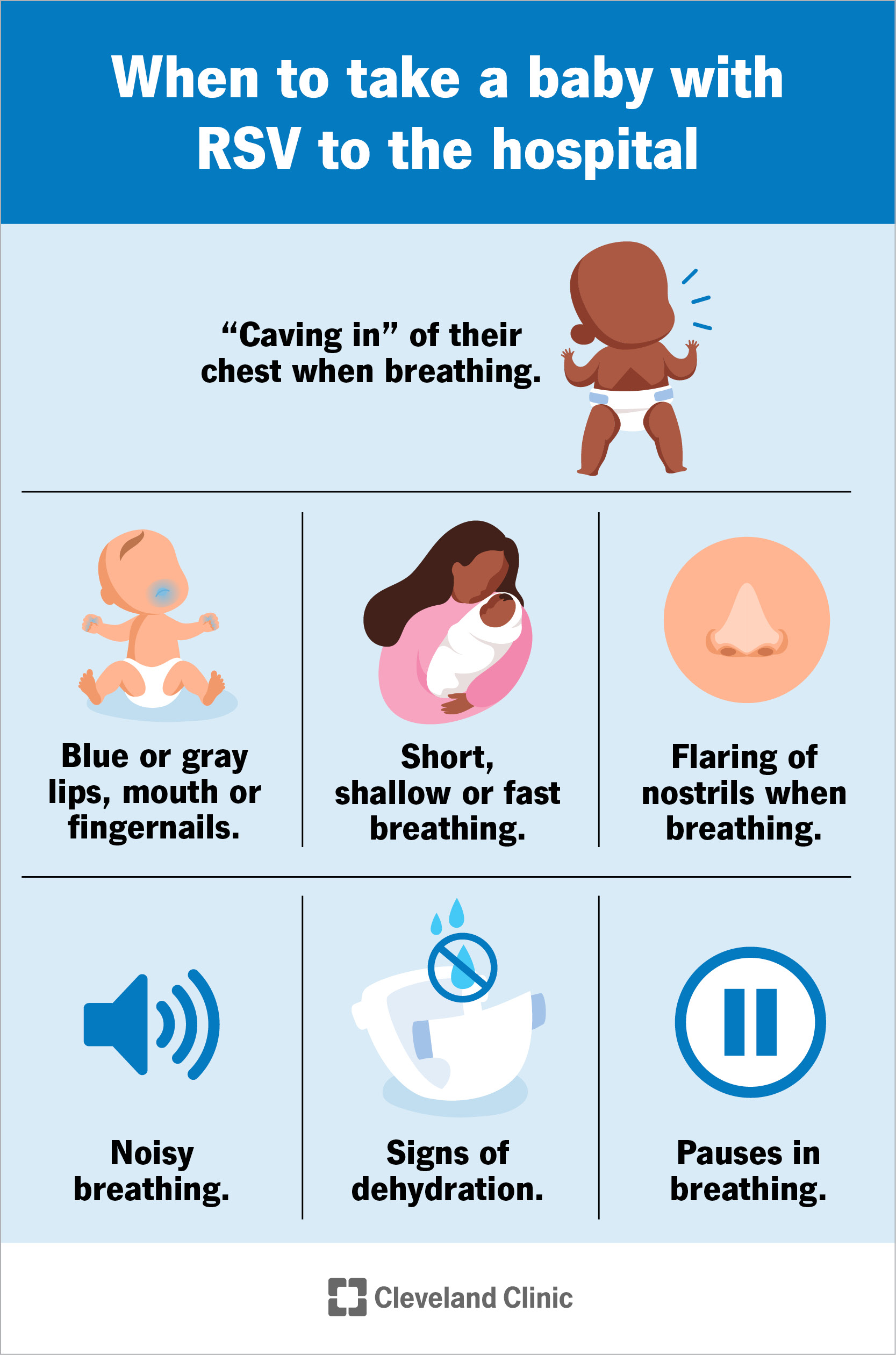
The explosion of wearable technology and smart health devices offers unprecedented opportunities for continuous, non-invasive monitoring of RSV patients, particularly vulnerable populations like infants and the elderly. Smart thermometers can track fever trends, while pulse oximeters integrated into smartwatches or standalone finger clips monitor oxygen saturation levels, a critical indicator of respiratory distress. Advanced wearable sensors can even track respiratory rate and patterns, providing early warning signs of worsening conditions. This continuous data collection allows parents and caregivers to monitor their loved ones from home, reducing the need for frequent hospital visits while providing clinicians with a more comprehensive picture of the patient’s condition over time. Telehealth platforms are seamlessly integrating data from these devices, allowing healthcare providers to remotely review vital signs, track symptom progression, and intervene promptly if necessary. This shift towards remote monitoring enhances patient comfort, reduces healthcare costs, and helps manage hospital surge capacity during peak RSV seasons.
AI-Powered Predictive Analytics
Artificial intelligence and machine learning are revolutionizing our capacity to predict disease progression and identify high-risk individuals. By analyzing vast datasets – including electronic health records, demographic information, laboratory results, and real-time physiological data from wearables – AI algorithms can identify subtle patterns indicative of a worsening RSV infection. For instance, an AI model might correlate a slight increase in respiratory rate combined with changes in sleep patterns (from a smart crib monitor) with an elevated risk of severe RSV in an infant. This predictive capability allows clinicians to proactively intervene, initiate preventative measures, or escalate care before a crisis develops. Furthermore, AI can optimize resource allocation within healthcare systems by forecasting patient admissions during RSV outbreaks, helping hospitals prepare for surges in demand for beds, ventilators, and specialized staff. This data-driven foresight transforms reactive care into proactive management, making healthcare systems more resilient and responsive.
Innovative Technological Approaches to RSV Treatment and Management
While traditional supportive care remains central, technology is introducing novel ways to manage symptoms, deliver care, and even accelerate the development of specific antiviral treatments for RSV.
Telemedicine and Virtual Care Platforms
The rise of telemedicine has profoundly impacted how RSV patients receive care, especially amidst public health crises. Virtual consultations allow patients and caregivers to connect with healthcare providers from the comfort and safety of their homes, reducing exposure risks to other pathogens and easing the burden on physical clinics and emergency rooms. For RSV, this means that initial assessments, follow-up appointments, and even prescription management can often be handled remotely. Telehealth platforms facilitate visual assessments of symptoms, allow for discussions of home care strategies, and enable clinicians to interpret data from remote monitoring devices. This accessibility is particularly beneficial for families in rural areas or those with limited access to transportation, ensuring that timely medical advice is readily available, which is crucial for conditions like RSV where symptoms can escalate quickly in vulnerable groups.
AI and Drug Discovery for RSV Antivirals
One of the most promising technological frontiers in RSV treatment lies in drug discovery. Despite RSV’s prevalence, specific antiviral treatments remain limited. This is where AI excels. AI algorithms can rapidly analyze massive chemical libraries, identify potential drug candidates, and predict their efficacy against RSV more efficiently than traditional methods. Machine learning models can simulate molecular interactions, pinpointing viral proteins that could be targeted and designing novel compounds to inhibit viral replication. Furthermore, AI can accelerate clinical trials by identifying suitable patient cohorts and analyzing trial data more effectively. This dramatically speeds up the research and development pipeline, bringing us closer to effective, targeted antiviral therapies that could fundamentally change the treatment paradigm for RSV, moving beyond purely supportive care to direct viral combat.

Smart Medical Devices for Symptomatic Relief
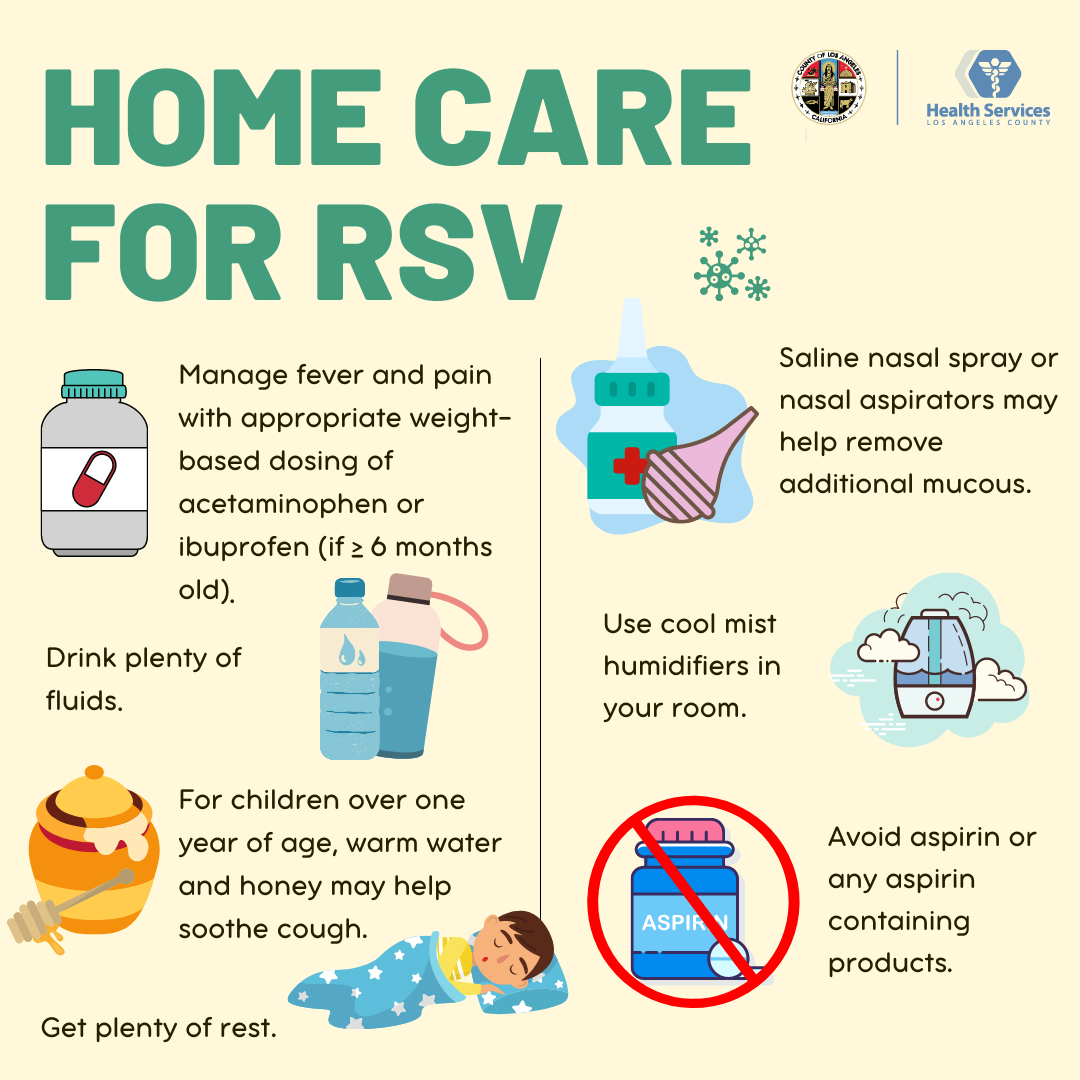
Beyond monitoring, technology is enhancing devices used for symptomatic relief. Nebulizers, essential for delivering bronchodilators or saline solutions to ease breathing difficulties, are evolving into “smart” devices. These connected nebulizers can track usage, duration, and medication adherence, providing valuable data to both patients and clinicians. Some models can even integrate with smartphone apps to offer personalized treatment plans, reminders, and educational content. Similarly, advancements in oxygen concentrators have led to more portable, energy-efficient, and user-friendly devices, allowing patients who require supplemental oxygen to maintain a higher quality of life at home. These smart devices empower patients and caregivers with better tools to manage symptoms effectively, reduce hospital readmissions, and improve overall patient outcomes.
Data-Driven Insights and Public Health Strategies
Technology extends its influence beyond individual patient care to broader public health efforts, offering powerful tools for understanding, tracking, and responding to RSV outbreaks at a population level.
Big Data for Epidemiological Surveillance
The aggregation and analysis of “big data” from diverse sources – including electronic health records, diagnostic lab results, pharmacy records, and even anonymous aggregated data from smart devices – are transforming epidemiological surveillance for RSV. Public health agencies can leverage these vast datasets to track the geographic spread of the virus in real-time, identify emerging hot spots, and predict the intensity and timing of seasonal outbreaks. This granular data allows for more targeted public health interventions, such as advising healthcare systems to prepare for increased patient loads, launching localized public awareness campaigns, or coordinating vaccine distribution strategies. By understanding patterns and trends at a macro level, public health officials can allocate resources more effectively and implement timely preventative measures, ultimately reducing the overall burden of RSV on communities.
Digital Tools for Patient Education and Compliance
Empowering patients and caregivers with accurate, accessible information is a critical component of RSV management. Mobile applications, interactive websites, and other digital platforms serve as invaluable resources for patient education. These tools can provide evidence-based information on RSV symptoms, prevention strategies (like hand hygiene and reducing exposure), home care instructions, and medication reminders. For instance, an app might guide a parent through monitoring their child’s breathing, explain when to seek emergency care, or remind an elderly patient to take their prescribed medication. By delivering tailored information in an engaging and easy-to-understand format, these digital tools can significantly improve patient compliance with treatment plans, reduce anxiety, and foster a more active role for individuals in managing their health, thereby improving overall outcomes.
Enhancing Healthcare Infrastructure with Tech for RSV
The backbone of any effective response to widespread illnesses like RSV is robust healthcare infrastructure. Technology plays a pivotal role in strengthening this foundation. Electronic Health Records (EHRs) are essential for consistent patient information, enabling seamless communication between different care providers. Interoperable health information exchanges allow for the secure sharing of patient data across institutions, ensuring that even if a patient moves between different care settings, their medical history is readily available. Furthermore, advanced data analytics platforms help hospital administrators optimize bed management, staff scheduling, and supply chain logistics during RSV surges. By leveraging these technological solutions, healthcare systems can enhance their operational efficiency, reduce wait times, and ensure that they are better equipped to handle the demands of RSV outbreaks, ultimately leading to improved patient care and outcomes.
Ethical Considerations and Future Outlook in RSV Tech
While technology offers immense promise for RSV treatment, its deployment also brings important ethical considerations and future challenges.
Data Privacy and Security
The collection and use of vast amounts of sensitive patient health data by wearable devices, diagnostic tools, and digital platforms raise significant concerns about privacy and security. Protecting this data from breaches and misuse is paramount. Robust cybersecurity measures, adherence to strict data protection regulations (like HIPAA, GDPR, or similar local laws), and transparent policies regarding data usage are essential to build and maintain public trust. Balancing the benefits of data-driven insights with the individual’s right to privacy will continue to be a critical ethical challenge as RSV tech evolves.
Bridging the Digital Divide
The promise of advanced health technology can only be fully realized if it is equitably accessible to all populations. The “digital divide” – disparities in internet access, device ownership, and digital literacy – can prevent vulnerable communities from benefiting from these innovations. Efforts must be made to ensure that technology-driven RSV solutions are inclusive, affordable, and user-friendly for everyone, regardless of socioeconomic status, geographic location, or technological proficiency. This includes developing low-cost solutions, providing digital literacy training, and exploring public-private partnerships to expand access.
The Promise of Integrated Digital Health Ecosystems
Looking ahead, the future of RSV treatment will likely involve a more integrated digital health ecosystem. Imagine a scenario where wearable sensors seamlessly feed data into a personal health record, which is then analyzed by AI to alert a doctor about potential concerns. This system could then automatically schedule a telehealth consultation, provide personalized medication reminders, and offer educational resources, all while contributing anonymized data to public health surveillance. Such an ecosystem promises more proactive, personalized, and preventative care for RSV and other respiratory illnesses, shifting the focus from treating illness to maintaining wellness and preventing severe outcomes.
In conclusion, while the fundamental “treatment” for RSV often remains supportive care, technology has dramatically expanded the toolkit available to healthcare providers and patients. From rapid diagnostics and remote monitoring to AI-driven drug discovery and public health surveillance, technology is not merely an adjunct but an integral component in our evolving strategy to combat RSV. As these innovations continue to mature and integrate, they hold the potential to significantly reduce the morbidity and mortality associated with this common yet formidable virus, paving the way for a future where RSV is more effectively understood, managed, and perhaps, even prevented.
aViewFromTheCave is a participant in the Amazon Services LLC Associates Program, an affiliate advertising program designed to provide a means for sites to earn advertising fees by advertising and linking to Amazon.com. Amazon, the Amazon logo, AmazonSupply, and the AmazonSupply logo are trademarks of Amazon.com, Inc. or its affiliates. As an Amazon Associate we earn affiliate commissions from qualifying purchases.