
In an era increasingly defined by data, our personal health is no exception. Diagnostic tests, such as Liver Function Tests (LFTs), yield crucial numerical insights into our physiological state. While the question “what is the normal LFT level?” points to a fundamental medical inquiry, the manner in which we access, comprehend, and act upon such information is now inextricably linked with technological innovation. From digital patient portals to sophisticated AI-driven analytics, technology is transforming how individuals and healthcare professionals interact with, interpret, and ultimately leverage health data, making the concept of “normal” not just a static benchmark, but a dynamic, personalized insight.
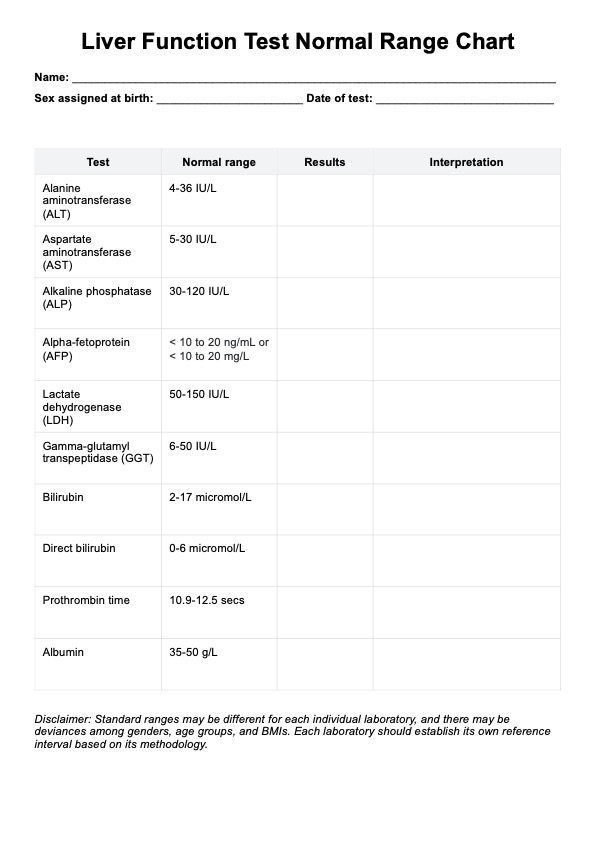
This article explores the technological landscape that empowers us to better understand complex health metrics like LFTs, moving beyond mere numerical values to a comprehensive digital experience that enhances health literacy and proactive care. We delve into how advancements in software, AI, and digital platforms demystify medical jargon, personalize data presentation, and facilitate more informed health decisions.
The Digital Evolution of Health Data Management
The journey of a diagnostic test result, from the lab bench to a patient’s understanding, has undergone a significant digital transformation. Gone are the days when paper reports were the sole means of communication; today, robust digital systems ensure rapid, secure, and accessible transmission of vital health information. This shift has not only streamlined administrative processes but has fundamentally reshaped patient engagement with their own health data.
Electronic Health Records (EHRs) and Patient Portals
At the core of this digital evolution are Electronic Health Records (EHRs). These comprehensive digital repositories consolidate a patient’s entire medical history, including lab results, diagnoses, medications, and treatment plans. EHRs ensure that healthcare providers have immediate access to a holistic view of a patient’s health, irrespective of their location within a networked system.
Complementing EHRs are patient portals – secure online platforms that serve as a direct interface for individuals to access their personal health information. When a physician orders an LFT, the results are typically uploaded to the patient’s portal as soon as they are processed. These portals allow users to view their LFT levels, compare them against previous results, and often see the defined “normal” ranges provided by the laboratory. More advanced portals may even offer interactive graphs showing trends over time, helping individuals visualize how their LFTs fluctuate and empowering them to track their health journey with greater clarity. This direct access significantly reduces reliance on phone calls or follow-up appointments solely for result dissemination, enhancing patient convenience and autonomy.
The Role of AI in Diagnostic Interpretation and Anomaly Detection
Beyond mere data storage and retrieval, artificial intelligence (AI) is beginning to play a transformative role in the interpretation of diagnostic data. While AI does not replace the critical judgment of a medical professional, it acts as a powerful assistive tool, capable of processing vast amounts of data at speeds and scales impossible for humans.
For LFTs, AI algorithms can analyze results in conjunction with a patient’s broader medical history, demographics, and even genetic predispositions. This allows AI to identify subtle patterns or deviations that might indicate potential issues, flagging them for a clinician’s immediate review. For instance, if an LFT result falls within the “normal” range but represents a significant change from a patient’s personal baseline or combined with other seemingly benign symptoms, AI can highlight this as a potential early warning sign. This capability moves beyond static “normal ranges” to a more personalized and proactive approach, where AI helps determine if a level, even if technically “normal,” warrants closer attention based on individual context. Furthermore, AI can aid in standardizing the interpretation of results across different labs and physicians, reducing variability and improving consistency in care.
Personalizing Health Monitoring Through Technology
The quest to understand “normal LFT levels” is increasingly becoming a personalized journey, with technology providing tools that allow individuals to monitor, track, and correlate their lifestyle choices with their lab results. This shift empowers individuals to be active participants in their health management.
Wearable Tech and Integrated Health Platforms
Wearable technology, though not directly measuring LFTs, plays a crucial role in providing a broader context for understanding lab results. Smartwatches, fitness trackers, and other biosensors continuously collect data on activity levels, sleep patterns, heart rate variability, and even stress levels. When integrated with health platforms that also house LFT results, this creates a comprehensive digital profile.
For example, a person monitoring their LFTs due to a liver condition might use a wearable to track their exercise and dietary habits. An integrated platform could then allow them to visually correlate spikes in certain LFT markers with periods of increased alcohol consumption (logged manually) or decreased physical activity. This cross-referencing helps individuals draw connections between their lifestyle choices and their physiological markers, fostering a deeper understanding of what constitutes their “normal” and how it’s influenced by daily habits. These platforms are moving towards offering a holistic view, where environmental, lifestyle, and biochemical data converge to paint a complete picture of health.
Apps for Symptom Tracking and Health Journaling
Beyond passive data collection, dedicated health and symptom tracking apps provide an active means for individuals to log their experiences. These apps allow users to journal symptoms, dietary intake, medication adherence, energy levels, and mood. While LFTs provide objective biochemical data, subjective experiences are equally important.

By regularly logging their health journey in these apps, individuals can create rich datasets that, when viewed alongside their LFT results, offer invaluable insights. For instance, if a person experiences fatigue or nausea and subsequently receives LFT results that are slightly elevated but within normal range, the app’s logged data might reveal a correlation with recent dietary changes or stress. This personalized context helps individuals and their healthcare providers assess whether a “normal” LFT level is truly optimal for that individual or if subtle shifts indicate a need for lifestyle adjustments or further monitoring. These tools transform raw data into actionable personal narratives, making health management a more interactive and insightful process.
Understanding Your LFTs (and Other Labs) with Digital Tools
The complexity of medical terminology and the sheer volume of numbers in a lab report can often be overwhelming. Technology is bridging this gap by presenting health data in user-friendly formats and providing accessible educational resources, transforming abstract numbers into understandable insights.
User-Friendly Interfaces for Lab Results
Modern digital health platforms and patient portals are increasingly prioritizing user experience. Instead of just displaying raw numerical values, these interfaces use clear visual cues, such as color-coding (e.g., green for normal, yellow for slightly elevated, red for critical), intuitive graphs, and trend lines. For LFTs, users can often see their current levels alongside the established normal range, with clear indicators if their result falls outside this window.
Trend analysis features are particularly powerful. They allow users to visualize how their LFT markers have changed over weeks, months, or even years, offering a dynamic perspective on their health. Identifying upward or downward trends, even within “normal” bounds, can be more informative than a single static reading. This visual storytelling of data empowers individuals to grasp complex information quickly, fostering better engagement and understanding of their health trajectory.
Educational Resources within Health Apps
One of the most significant contributions of technology to health literacy is the integration of educational resources directly within health apps and patient portals. When users view their LFT results, many platforms now offer accompanying explanations. These resources define what each LFT marker (e.g., ALT, AST, bilirubin) represents, why it’s measured, and what general implications elevated or lowered levels might have.
While these digital tools explicitly state that the information is for educational purposes and not a substitute for professional medical advice, they provide crucial context. Users can learn about the functions of the liver, common causes of LFT fluctuations, and lifestyle factors that impact liver health. This immediate access to reliable, easy-to-understand information empowers patients to come to their doctor’s appointments with informed questions, leading to more productive consultations and a deeper understanding of their treatment plans. This demystification of medical data is key to patient empowerment.
The Future of Health Data Interaction: Predictive and Proactive
The current technological advancements are merely a precursor to an even more integrated and intelligent future for health data management. The emphasis is shifting from reactive treatment to proactive prevention and personalized predictions, with AI and connected healthcare ecosystems at the forefront.
AI-Driven Health Insights and Predictive Analytics
The next frontier in health technology involves AI-driven predictive analytics. Imagine a system that, by continuously analyzing your LFT trends alongside your wearable data, genetic information, lifestyle logs, and even environmental factors, can predict potential health risks before they manifest. For LFTs, this could mean AI identifying subtle, consistent elevations over time that, while still within the “normal” range, indicate an increased risk for developing liver conditions years down the line.
These AI models will go beyond flagging anomalies; they will offer personalized risk assessments and suggest proactive interventions. This could range from recommending specific dietary changes or exercise regimens based on an individual’s unique biological responses to prompting earlier follow-up tests. The goal is to move from understanding what the “normal LFT level” is to predicting what your optimal LFT level should be and how to maintain it through intelligent, data-driven foresight.
Telemedicine and Remote Consultations
The rise of telemedicine, accelerated by recent global events, has cemented its place as a critical component of modern healthcare. For understanding LFT levels and other diagnostic results, remote consultations provide unparalleled convenience and efficiency. Instead of scheduling in-person visits, patients can discuss their results with their doctors via secure video calls or messaging platforms.
This technological modality allows for immediate clarification of results, personalized advice, and the formulation of next steps, all from the comfort of one’s home. Integrated telemedicine platforms can directly access EHRs, allowing physicians to view results in real-time during the consultation, share their screen to highlight specific data points, and even send follow-up information or prescriptions digitally. This reduces geographical barriers to care and ensures timely discussions about potentially concerning or confusing LFT readings, making expert medical guidance more accessible than ever before.

Conclusion
The question “what is the normal LFT level?” is no longer a simple medical query with a static answer; it’s a gateway to understanding how technology is revolutionizing our interaction with personal health data. From secure digital portals that provide instant access to results, to AI-driven tools that offer deeper insights and predictive capabilities, technology empowers individuals to become more informed and proactive stewards of their own health. The convergence of EHRs, patient portals, AI analytics, wearables, and telemedicine is creating an ecosystem where health metrics like LFTs are not just numbers, but actionable insights, personalized to each individual’s unique journey. This digital transformation ensures that the concept of “normal” is understood within a rich, data-driven context, fostering a future of smarter, more engaged, and ultimately healthier living.
aViewFromTheCave is a participant in the Amazon Services LLC Associates Program, an affiliate advertising program designed to provide a means for sites to earn advertising fees by advertising and linking to Amazon.com. Amazon, the Amazon logo, AmazonSupply, and the AmazonSupply logo are trademarks of Amazon.com, Inc. or its affiliates. As an Amazon Associate we earn affiliate commissions from qualifying purchases.