
In the intricate tapestry of human health, certain indicators, though seemingly mundane, hold profound insights into our internal well-being. Among these, the colour, consistency, and frequency of our bowel movements stand out as often-overlooked yet incredibly potent diagnostic signals. For generations, individuals have, at best, relied on subjective observation, and at worst, ignored these crucial data points entirely. However, as the digital revolution penetrates even the most intimate aspects of personal health, the question “what is the normal colour of poo?” is transforming from a simple biological query into a sophisticated frontier for technological innovation, data science, and proactive health management.
Today, technology isn’t just about faster computers or smarter phones; it’s about empowering us with unprecedented insights into our own bodies. By leveraging cutting-edge advancements in AI, sensor technology, and digital health platforms, we are moving beyond mere guesswork, turning a once-taboo topic into a quantifiable and actionable aspect of personalized healthcare. This article delves into how technology is revolutionizing our understanding of digestive health, using the fundamental question of normal stool colour as a springboard into the exciting future of digital diagnostics and preventive wellness.
The Unseen Health Monitor: Stool Colour as a Digital Diagnostic Indicator
Before diving into the technological applications, it’s vital to establish a baseline understanding of what constitutes “normal” in the realm of human waste. This biological foundation provides the critical context against which technological solutions are being developed to offer more precise and objective assessments.
A Biological Baseline: Understanding the Spectrum of “Normal”
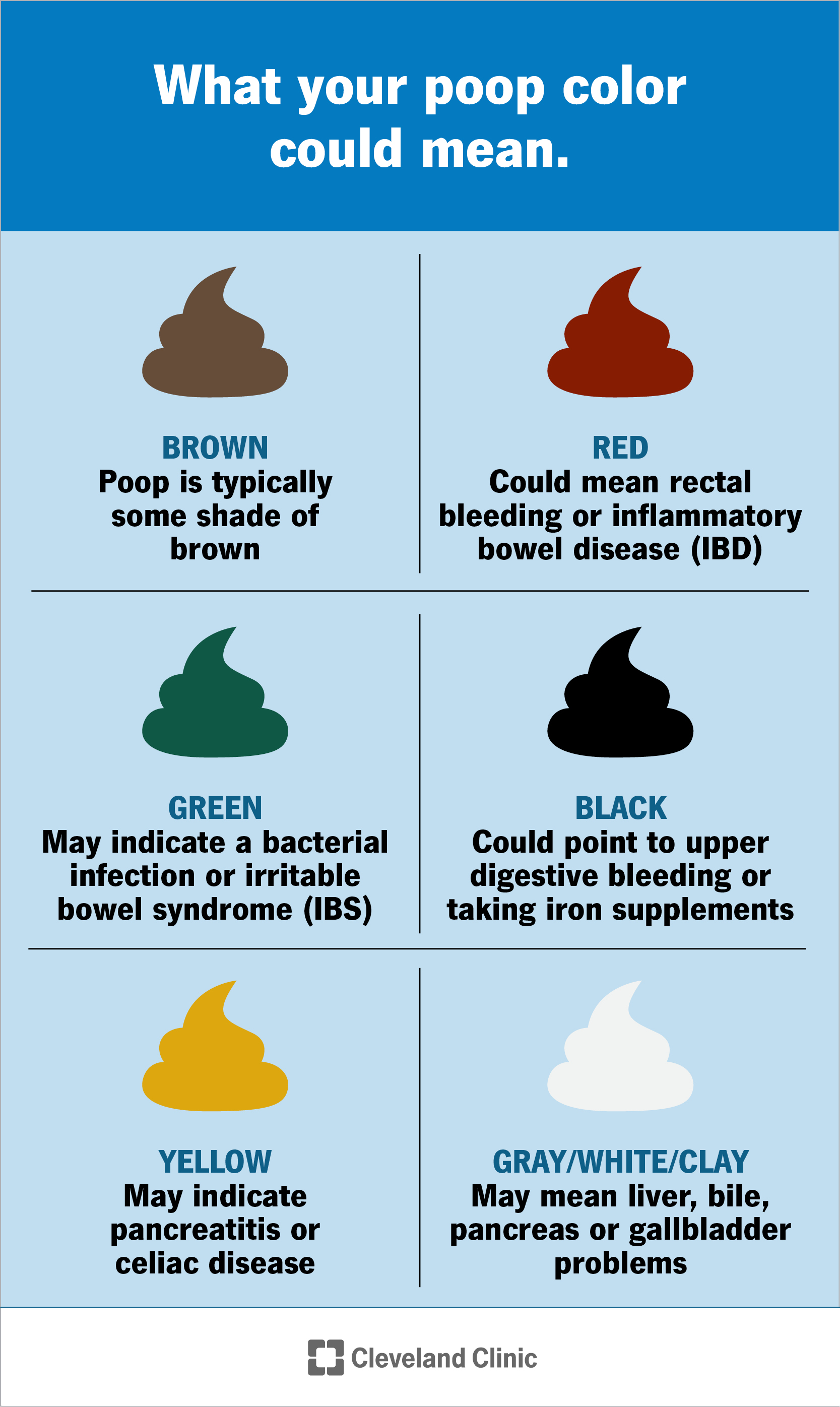
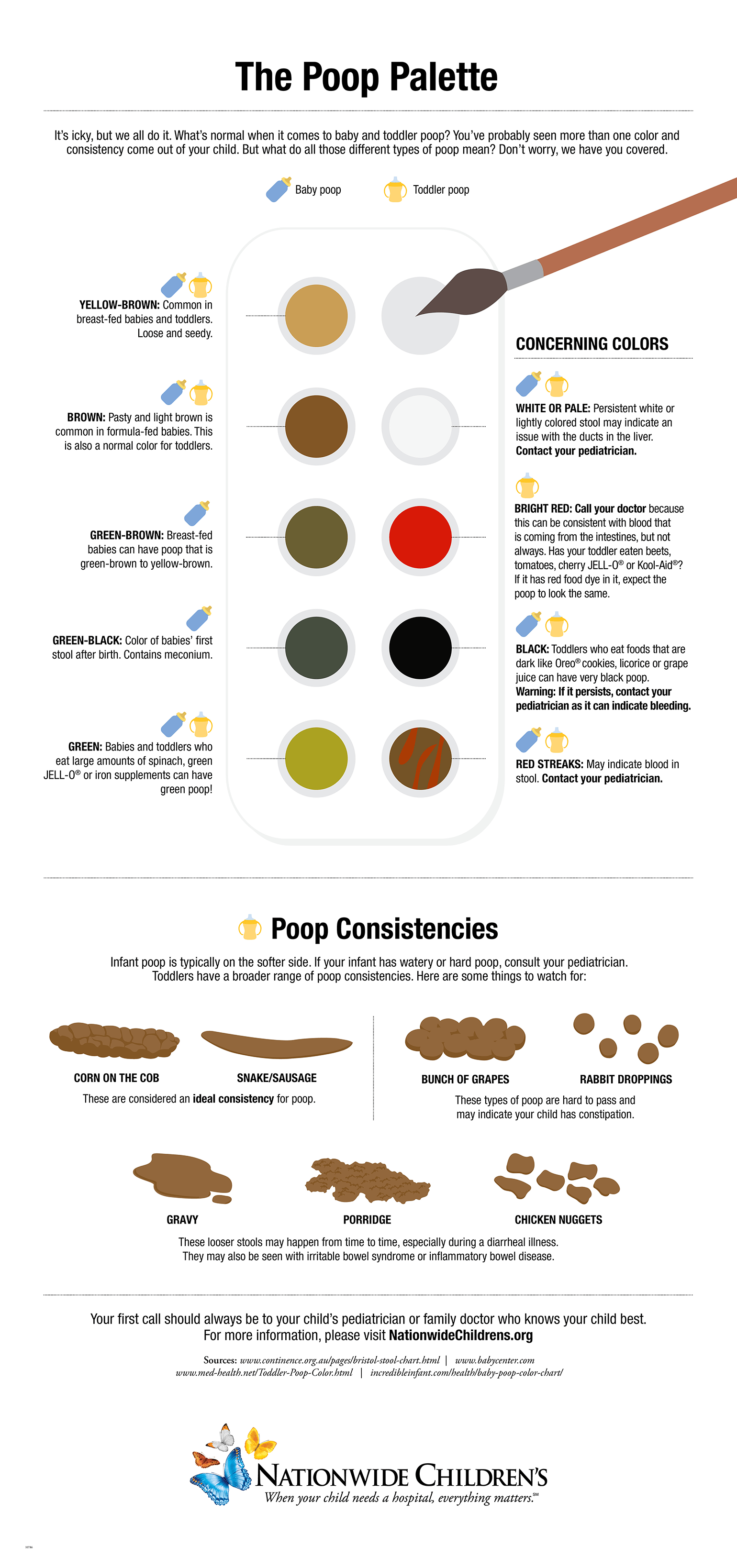
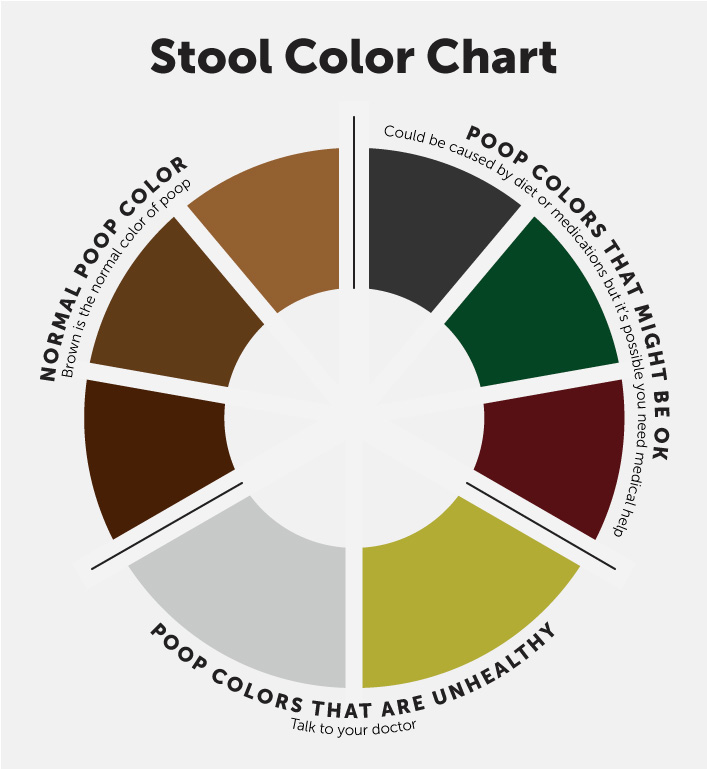
From a purely biological standpoint, the “normal” colour of human stool typically ranges from light to dark brown. This characteristic hue is primarily a result of bile, a greenish-yellow fluid produced by the liver and stored in the gallbladder. As bile travels through the digestive tract, it undergoes chemical changes by enzymes and bacteria, leading to the formation of stercobilin, a pigment responsible for the characteristic brown colour. Dietary factors, medication, and overall gut health can subtly shift this colour within the normal spectrum. For instance, consuming certain foods like beets can lead to reddish stools, while iron supplements might cause darker, even black, stools. These variations, when clearly attributable to diet or medication, are usually benign.
The medical significance of stool colour cannot be overstated. Persistent deviations from the brown spectrum, especially without clear dietary or medicinal causes, can be significant indicators of underlying health conditions. Green stool might suggest rapid transit through the digestive system (insufficient bile breakdown), yellow and greasy stool could point to malabsorption issues, pale or clay-coloured stool might signal a bile duct obstruction, and red or black stools, in the absence of dietary factors, are often warning signs of bleeding within the gastrointestinal tract.
Beyond the Naked Eye: The Need for Digital Precision
While traditional medical advice has always emphasized visual inspection, relying solely on subjective human observation presents inherent limitations. What one person perceives as “light brown,” another might interpret as “yellowish.” Furthermore, subtle changes, particularly in early stages of disease, can be easily missed or misinterpreted without a standardized, objective method of assessment. This is where technology steps in. The demand for greater precision, consistency, and data aggregation in health monitoring has spurred innovation aimed at transforming this subjective biological signal into quantifiable, actionable data points.
The promise of digital tools lies in their ability to remove ambiguity, provide consistent measurements, and track trends over time, offering a level of insight far beyond what a quick glance can provide. This objective data is crucial not only for individual self-monitoring but also for empowering healthcare professionals with richer, more reliable information for diagnosis and treatment.
Tech to the Rescue: Innovating Digestive Health Monitoring
The convergence of advanced sensor technology, artificial intelligence, and ubiquitous connectivity is rapidly transforming how we approach personal health monitoring, extending even to the seemingly unglamorous realm of human excretions.
Smart Toilets and Sensors: The Future of Excretory Analysis
Perhaps the most futuristic, yet rapidly materializing, innovation in this space is the “smart toilet.” No longer confined to science fiction, these sophisticated devices are being equipped with an array of sensors, cameras, and even biochemical analysis tools designed to automatically and non-invasively analyze various aspects of human waste. Imagine a toilet that, upon your usage, can capture high-resolution images of your stool, assess its colour against a standardized palette (like the Bristol Stool Chart for consistency), and even identify the presence of trace blood, inflammatory markers, or specific bacteria.
These smart toilets leverage miniaturized imaging sensors and spectral analysis technologies to accurately characterize stool colour and morphology. Combined with integrated weight scales and flow meters, they can gather comprehensive data on frequency, volume, and consistency, all without any active participation from the user beyond their regular routine. This granular, consistent data collection offers an unprecedented window into daily digestive health, moving beyond episodic reporting to continuous, passive monitoring. Early detection of deviations from an individual’s “normal” can trigger alerts, prompting timely medical consultation.
AI and Machine Learning: Pattern Recognition for Gut Health
The true power of these data-collecting technologies is unleashed when paired with artificial intelligence and machine learning algorithms. Raw data – be it images of stool colour, sensor readings of consistency, or biochemical markers – is merely information; AI transforms it into actionable intelligence. Machine learning models can be trained on vast datasets encompassing countless images of stool samples correlated with diverse health outcomes, medical diagnoses, and dietary inputs.
Through this training, AI can learn to identify subtle patterns and anomalies that are imperceptible to the human eye or even a simple sensor. For instance, an AI might detect a gradual shift in stool colour over weeks that, while individually appearing within the “normal” range, collectively signals an emergent inflammatory process or a nutrient absorption issue. It can analyze the nuances of shading, texture, and presence of undigested food particles to infer potential problems ranging from irritable bowel syndrome (IBS) to inflammatory bowel disease (IBD), and even early indicators of colorectal cancer.
Furthermore, AI-driven predictive analytics can go beyond mere detection. By learning an individual’s baseline and tracking changes in response to diet, medication, stress levels, or exercise, these systems can provide personalized insights and even predict potential flare-ups of chronic conditions, enabling proactive management rather than reactive treatment. This capability moves us closer to a truly personalized and preventive healthcare model, where technology acts as an intelligent co-pilot in managing our gut health.
Digital Tools for Personal Empowerment and Clinical Insight
Beyond sophisticated hardware, accessible software and digital platforms play a crucial role in making these technological advancements practical and impactful for both individuals and healthcare providers.
Mobile Apps and Wearables: Personalizing Gut Health Tracking
The most immediate and widely adopted digital tools for gut health monitoring come in the form of mobile applications. While not as automated as smart toilets, these apps empower users to actively track and log their stool characteristics, including colour (often using visual charts or color pickers), consistency (e.g., Bristol Stool Chart), and frequency. Many go further, allowing users to log dietary intake, water consumption, stress levels, exercise, and medication.
The real value of these apps lies in their ability to consolidate diverse data points and present them in intuitive, trend-based visualizations. Users can observe patterns, identify triggers for digestive discomfort, and gain a clearer understanding of how lifestyle choices impact their gut health. Some advanced apps integrate with wearable devices to pull in sleep data, heart rate variability, and activity levels, painting an even more holistic picture of systemic health influences on the digestive system. By providing personalized insights and prompts, these apps foster a greater sense of agency and self-awareness, enabling users to make informed adjustments to their daily routines for improved well-being.
Telemedicine and Data Sharing: Bridging the Patient-Provider Gap
One of the most significant benefits of digital health technologies in gut monitoring is their capacity to facilitate seamless, secure data sharing between patients and healthcare providers. Instead of relying on vague verbal descriptions or memory, patients can present their doctors with objective, longitudinal data collected by smart toilets, apps, or other sensors.
This rich dataset allows for more accurate diagnoses, more targeted treatment plans, and continuous monitoring of treatment efficacy. Telemedicine consultations become significantly more effective when providers have access to real-time or historical data on a patient’s bowel movements, allowing them to assess symptoms remotely and make informed decisions. This shift from reactive, episodic care to proactive, continuous oversight is particularly beneficial for individuals managing chronic digestive conditions like Crohn’s disease, ulcerative colitis, or celiac disease, where subtle changes in stool characteristics can signal an impending flare-up or the need for medication adjustment. By fostering a more data-driven dialogue, technology empowers both patients and clinicians, ultimately leading to better health outcomes and a more efficient healthcare system.
Challenges and Ethical Considerations in Digital Stool Analysis
While the promise of digital stool analysis is immense, its implementation is not without significant challenges and crucial ethical considerations that must be addressed for widespread adoption and trust.
Data Privacy and Security: Safeguarding Sensitive Health Information
The collection of such intimate and personal health data, particularly from something as sensitive as human waste, raises paramount concerns regarding data privacy and security. Who owns this data? How is it stored? Who has access to it? These questions are not trivial. Robust encryption protocols, anonymization techniques, and stringent adherence to data protection regulations like HIPAA in the US or GDPR in Europe are absolutely essential. Companies developing these technologies must commit to transparent policies regarding data usage, ensuring that personal health information is safeguarded against breaches, unauthorized access, and misuse by third parties, including advertisers or insurance companies. Building public trust requires an unwavering commitment to ethical data stewardship.
Accuracy, Bias, and Accessibility: Ensuring Equitable and Reliable Tech
For digital stool analysis to be truly beneficial, the underlying technology, particularly AI algorithms, must be highly accurate and free from bias. AI models trained on unrepresentative datasets might perform poorly across diverse populations, leading to misdiagnoses or missed conditions in certain demographic groups. Continuous validation, diverse training data, and transparent algorithm development are critical to ensure equitable and reliable performance.
Furthermore, accessibility and affordability remain significant hurdles. Advanced smart toilets and subscription-based health apps might be out of reach for many, exacerbating existing health disparities. Efforts must be made to develop cost-effective solutions and ensure that these powerful diagnostic tools are available to all who can benefit from them, not just a privileged few. The digital revolution in gut health must strive for inclusivity to truly realize its transformative potential.
The journey from a simple question about the “normal colour of poo” to sophisticated digital health monitoring systems encapsulates a profound shift in how we perceive and manage our health. By leveraging cutting-edge technology, we are transforming subjective observation into objective data, empowering individuals with unprecedented self-awareness, and equipping healthcare providers with powerful diagnostic tools. While challenges in privacy, accuracy, and accessibility remain, the trajectory is clear: technology is set to demystify, quantify, and ultimately optimize our digestive health, paving the way for a future of truly personalized and preventive well-being. The once-ignored signals from within are becoming a cornerstone of our digital health revolution.
aViewFromTheCave is a participant in the Amazon Services LLC Associates Program, an affiliate advertising program designed to provide a means for sites to earn advertising fees by advertising and linking to Amazon.com. Amazon, the Amazon logo, AmazonSupply, and the AmazonSupply logo are trademarks of Amazon.com, Inc. or its affiliates. As an Amazon Associate we earn affiliate commissions from qualifying purchases.