
Hepatic encephalopathy (HE) is a complex and potentially devastating neuropsychiatric complication arising from severe liver dysfunction. When the liver can no longer effectively remove toxins from the blood, these substances, particularly ammonia, can cross the blood-brain barrier and impair brain function. The manifestations range from subtle cognitive deficits to profound altered consciousness. Among this spectrum, pinpointing the “most serious sign” is critical for timely intervention and improved patient outcomes. While clinically, this often culminates in coma or severe altered mental status, the modern understanding and management of such a critical juncture are increasingly interwoven with advanced technology.
In an era defined by digital transformation, the medical field—especially complex neurological diagnostics and monitoring—is leveraging technology to unprecedented degrees. This article explores not just the grave medical indicator itself, but how technological advancements are revolutionizing our ability to identify, monitor, and potentially mitigate the impact of the most serious signs of hepatic encephalopathy, transforming critical care and neurological assessment through the lens of tech innovation.
Unraveling the Enigma: AI and Advanced Diagnostics for Early Sign Detection
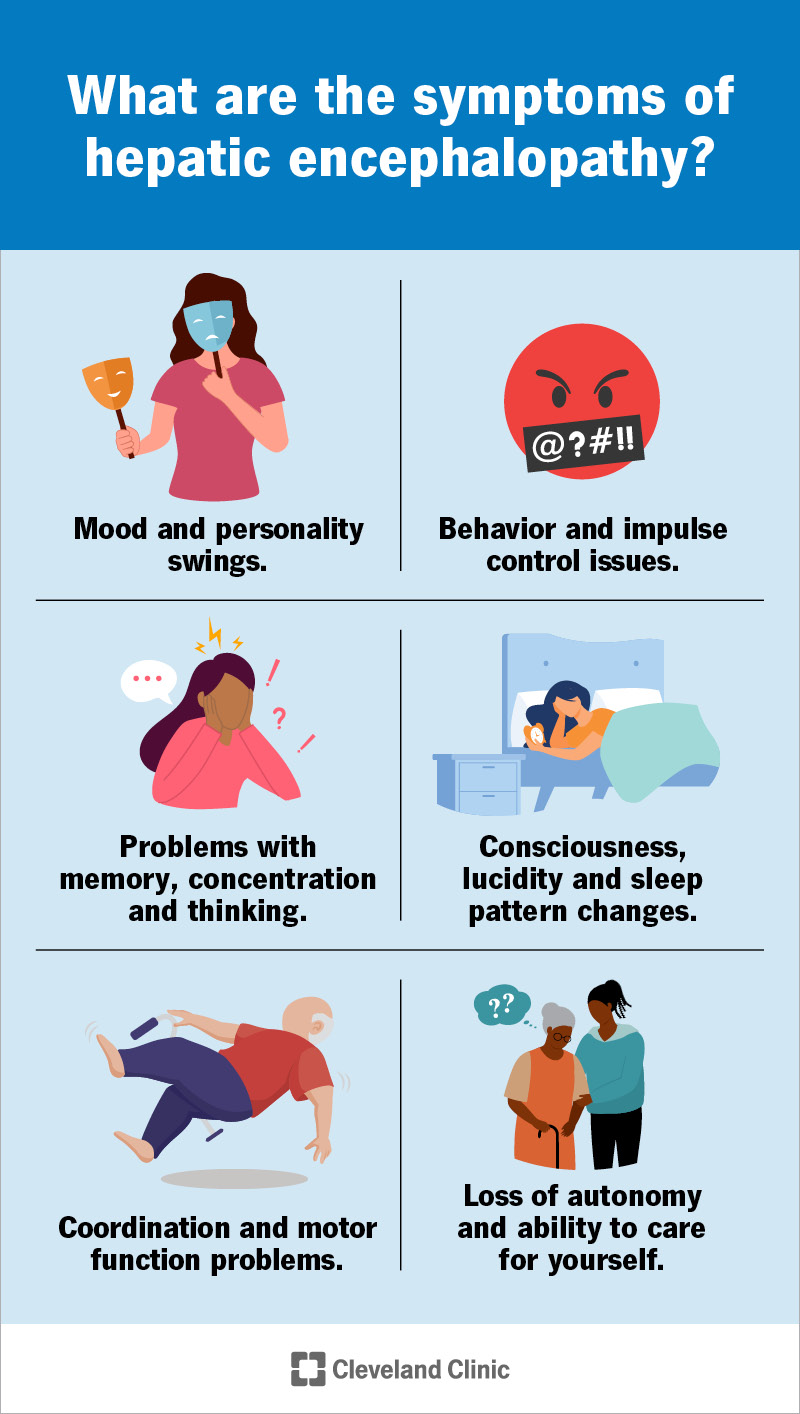
The subtlety of early HE symptoms often makes diagnosis challenging. Patients may exhibit mild confusion, forgetfulness, or changes in personality, which can easily be attributed to other factors or age. However, as the condition progresses, the signs become more pronounced, culminating in severe cognitive impairment, disorientation, asterixis (flapping tremor), and ultimately, profound somnolence leading to stupor or coma. The development of a coma is unequivocally the most serious sign, indicating severe brain dysfunction requiring immediate and intensive medical intervention. In this critical phase, technology steps in to offer clarity and precision.
Machine Learning for Biomarker Identification
Traditional diagnosis relies on clinical assessment and blood tests for ammonia levels, which are not always perfectly correlated with the severity of HE. However, the advent of machine learning (ML) algorithms is revolutionizing biomarker identification. Researchers are now developing ML models that can analyze vast datasets, including genetic information, proteomic profiles, and metabolic markers, to identify novel biomarkers that predict the onset and progression of severe HE more accurately than conventional methods. These algorithms can detect subtle patterns in a patient’s biological data that precede overt clinical signs, offering a window for proactive management. For instance, advanced models can correlate specific inflammatory markers, gut microbiome signatures, or neuroimaging patterns with the likelihood of developing severe encephalopathy, thereby flagging high-risk patients long before they reach a comatose state.
Predictive Analytics in Clinical Risk Assessment
Beyond biomarkers, predictive analytics are transforming clinical risk assessment. Hospitals are deploying AI-powered systems that continuously monitor patient data from electronic health records (EHRs), including vital signs, lab results, medication history, and even nurse’s notes. These systems can process complex inputs to identify patients at an elevated risk of HE progression. By analyzing trends and deviations from baselines, AI can issue early warnings when a patient’s condition is subtly deteriorating towards a more serious encephalopathic state. This proactive alerting system empowers medical teams to intervene swiftly, adjusting medications, initiating dietary changes, or performing targeted therapies before the patient spirals into a life-threatening coma. The ability to forecast such critical events represents a paradigm shift from reactive treatment to preventative care, heavily reliant on sophisticated data science and AI infrastructure.
Real-time Vigilance: Wearables and Remote Monitoring Solutions
Once a patient is diagnosed with HE, particularly those with chronic liver disease, continuous monitoring becomes paramount to prevent the recurrence or worsening of serious signs. The traditional method of intermittent clinical checks can miss rapid deteriorations. This is where modern monitoring technologies, especially wearables and remote solutions, offer a critical advantage.
Neurological Monitoring Beyond the ICU
For patients experiencing severe HE, particularly those in a coma, intensive care unit (ICU) monitoring involves continuous electroencephalography (EEG) and intracranial pressure (ICP) monitoring. However, for patients discharged home or those at risk of recurrence, the need for continuous neurological assessment extends beyond the confines of the hospital. Wearable devices are bridging this gap. Emerging technologies include non-invasive EEG headbands that can monitor brain wave activity for signs of neurological slowing indicative of HE. These devices can transmit data wirelessly to healthcare providers, allowing for real-time assessment of neurological status. Furthermore, smartwatches and other biosensors can track sleep patterns, activity levels, and subtle tremors (like asterixis) that might precede more severe cognitive decline. This allows for continuous, objective data collection that supplements subjective patient or caregiver reports, providing a richer, more consistent picture of neurological health.
Data-driven Insights for Proactive Intervention

The data streamed from these remote monitoring devices is invaluable. Cloud-based platforms aggregate and analyze this information, often utilizing AI algorithms to identify trends or acute changes that require attention. For example, a sudden shift in sleep-wake cycles, an increase in periods of inactivity, or the detection of subtle motor abnormalities could trigger an alert to the care team. This data-driven approach allows for proactive interventions such as medication adjustments, dietary modifications, or scheduling an urgent follow-up appointment. It transforms episodic care into continuous oversight, enabling healthcare providers to intervene at the earliest possible sign of deterioration, significantly reducing the likelihood of a patient progressing to the most serious stage of HE, such as a coma. The integration of IoT (Internet of Things) devices with healthcare platforms ensures that patient safety is enhanced through constant, intelligent vigilance.
Enhancing Clinical Decision-Making with Digital Health Tools
Beyond diagnostics and monitoring, digital health tools are fundamentally reshaping how clinicians manage hepatic encephalopathy, especially when confronting its most serious manifestations. These tools empower healthcare professionals with better information, facilitating more informed and personalized treatment plans.
Telemedicine Platforms for Expert Consultation
When a patient exhibits severe signs of HE, rapid access to specialist knowledge is crucial. However, not all healthcare facilities, especially in rural or underserved areas, have immediate access to hepatologists or neurologists. Telemedicine platforms have emerged as a vital technological solution. These platforms enable remote consultations, allowing critical care physicians or general practitioners to connect with specialists via secure video conferencing. Specialists can review patient charts, imaging results, and even observe patient neurological exams virtually, providing expert guidance on diagnosis and management strategies for even the most serious cases of HE, including decisions on ventilator support or advanced liver therapies. This democratizes access to specialized care, ensuring that expertise is available irrespective of geographical barriers, directly impacting patient outcomes during critical episodes.
Personalized Treatment Protocols via AI
The treatment of HE is complex, often involving a combination of dietary changes, lactulose, and rifaximin. However, the optimal dosage and combination can vary significantly from patient to patient. AI-driven systems are now being developed to create personalized treatment protocols. By analyzing a patient’s unique medical history, genetic profile, current lab results, and response to previous therapies, AI algorithms can suggest the most effective and least burdensome treatment regimen. For patients experiencing severe HE, this personalization can be life-saving. For instance, an AI might recommend a specific titrating schedule for lactulose based on their gut microbiome profile and metabolic rate, or identify potential drug interactions that could exacerbate their condition. This tailored approach, powered by sophisticated computational models, minimizes trial-and-error, speeds up recovery, and prevents progression to more critical states.
The Frontier of Neuro-Tech: Future Innovations in HE Management
The current technological landscape is impressive, but the future holds even greater promise for tackling serious signs of HE. Emerging neuro-tech innovations are pushing the boundaries of what’s possible, moving towards even more precise, non-invasive, and predictive interventions.
Advanced Imaging and Brain-Computer Interfaces
Next-generation neuroimaging techniques, such as advanced functional MRI (fMRI) and diffusion tensor imaging (DTI), are providing unprecedented insights into the brain changes associated with HE. These technologies can detect subtle structural and functional alterations in the brain long before overt clinical signs manifest, acting as powerful predictive tools. Looking further ahead, brain-computer interfaces (BCIs) might offer revolutionary avenues for monitoring and even communication for patients in deep comatose states due to severe HE. While still largely experimental in this context, BCIs could potentially detect specific neurological patterns indicative of a shift in status or even enable rudimentary communication, opening new frontiers in understanding and care for patients with profoundly altered consciousness.
AI-Powered Drug Discovery and Therapy Optimization
The ultimate goal in managing HE’s most serious signs is to prevent them entirely or reverse them swiftly. AI is already accelerating drug discovery by simulating molecular interactions and predicting the efficacy of potential new therapies for liver disease and its neurological complications. Furthermore, AI will play a role in optimizing existing therapies. Imagine an AI system continuously monitoring a patient’s real-time physiological response to treatment, adjusting drug dosages dynamically to maintain optimal therapeutic levels and minimize side effects, thereby preventing further neurological decline. This continuous feedback loop between patient and intelligent system represents the pinnacle of personalized, adaptive medicine, promising a future where the most serious sign of hepatic encephalopathy—the devastating coma—becomes increasingly rare and manageable through highly precise, tech-driven interventions.

Conclusion
The question “What is the most serious sign of hepatic encephalopathy?” finds its unequivocal answer in coma or severe altered mental status. However, in the modern medical landscape, this answer is now inextricably linked to technology. From the predictive power of AI in identifying subtle risks and the vigilance of remote monitoring systems to the enhanced decision-making enabled by telemedicine and personalized treatment algorithms, technology is transforming every facet of HE management. As we look to the future, with advanced neuroimaging and AI-powered therapeutic optimization, the ability to prevent, detect, and reverse the most critical manifestations of hepatic encephalopathy continues to expand. The synergy between medical expertise and technological innovation offers profound hope for improved outcomes, ensuring that patients facing the gravest signs of HE receive the most intelligent, timely, and effective care possible.
aViewFromTheCave is a participant in the Amazon Services LLC Associates Program, an affiliate advertising program designed to provide a means for sites to earn advertising fees by advertising and linking to Amazon.com. Amazon, the Amazon logo, AmazonSupply, and the AmazonSupply logo are trademarks of Amazon.com, Inc. or its affiliates. As an Amazon Associate we earn affiliate commissions from qualifying purchases.