
Hematopoiesis, at its core, is the intricate biological process responsible for the continuous production of all blood cell types, from red blood cells that carry oxygen to immune cells that defend the body. It is a marvel of biological engineering, a tightly regulated system vital for life, unfolding primarily within the bone marrow. For centuries, our understanding of this fundamental process was limited to observations through microscopes and basic staining techniques. However, in the 21st century, technology has dramatically reshaped our comprehension, diagnostic capabilities, and therapeutic interventions related to hematopoiesis, transforming it from a purely biological phenomenon into a dynamic field deeply intertwined with cutting-edge technological advancements.

This exploration delves into the essence of hematopoiesis, not merely as a biological definition, but through the profound impact of technology. We will uncover how digital tools, artificial intelligence, genetic engineering, and advanced analytical methods are revolutionizing our ability to unravel its complexities, diagnose its dysfunctions, and ultimately, engineer its future for the betterment of human health. The question “What is the hematopoiesis?” in the modern era is increasingly answered by “How technology allows us to understand, monitor, and manipulate it?”
The Biological Blueprint: A Glimpse into Blood Cell Genesis
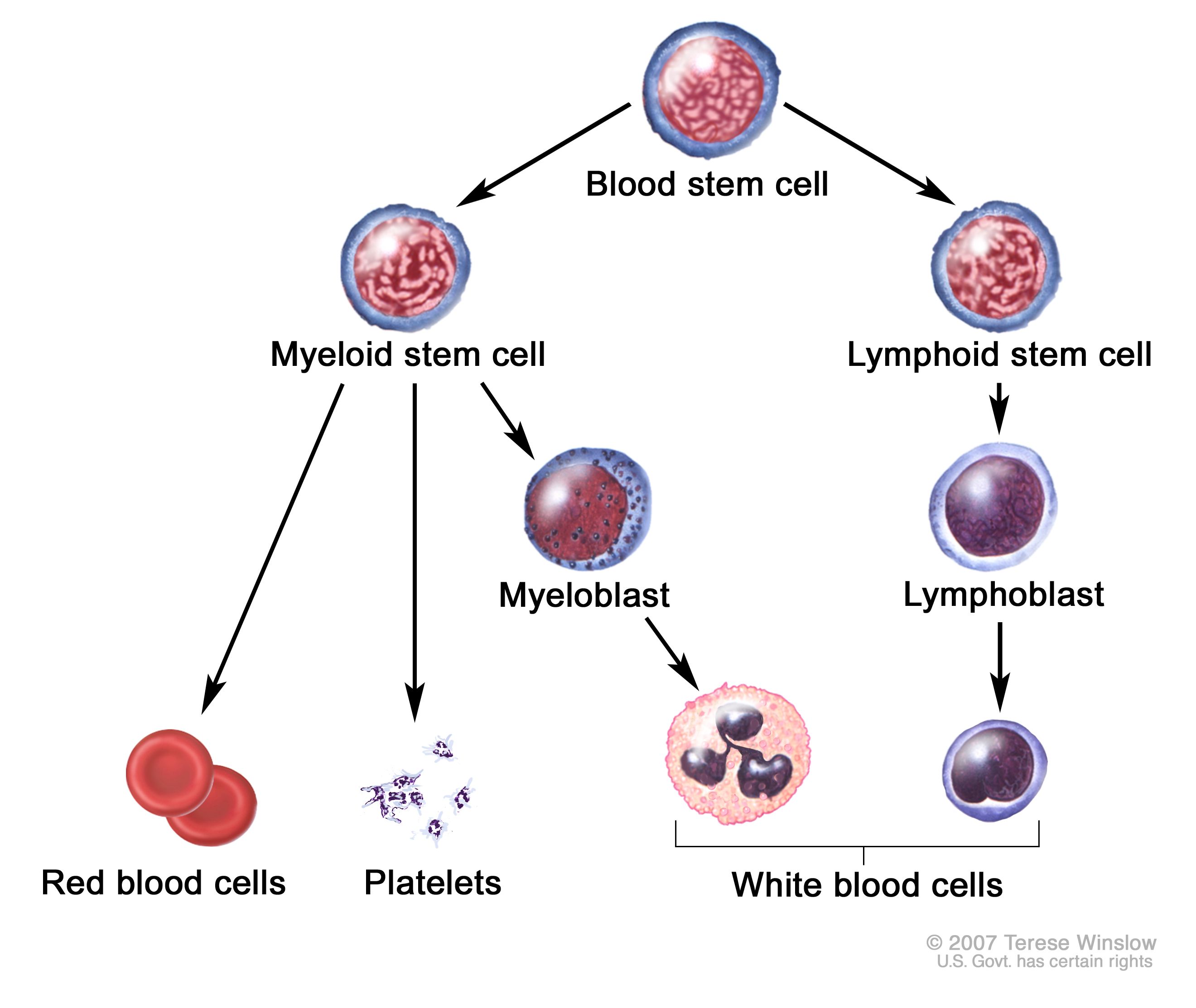
Before diving into the technological overlays, it’s essential to briefly appreciate the biological foundation. Hematopoiesis is orchestrated by a rare population of self-renewing cells known as Hematopoietic Stem Cells (HSCs). These remarkable cells, residing predominantly in the bone marrow, possess the unique ability to differentiate into every type of blood cell, ensuring a constant supply to replace aged or damaged cells and respond to physiological demands. The process is a highly coordinated cascade, involving progenitor cells, growth factors, cytokines, and a complex microenvironment known as the stem cell niche.
The Complexity of a Vital Process
The sheer scale and intricacy of hematopoiesis are staggering. Billions of new blood cells are produced daily, each meticulously guided down specific developmental pathways to become erythrocytes, neutrophils, lymphocytes, platelets, and many others. Disruptions to this delicate balance, whether due to genetic mutations, infections, toxins, or malignancies, can lead to severe and life-threatening conditions such as anemia, immunodeficiencies, leukemia, and lymphoma. For a long time, understanding the precise mechanisms governing stem cell self-renewal, differentiation choices, and the subtle cues from the microenvironment remained elusive, primarily due to the limitations of observational and bulk analytical methods. It is precisely these complex challenges that technology has begun to systematically dismantle.
Stem Cells: The Architects of Renewal
Hematopoietic Stem Cells are not just important for natural blood production; they are also the cornerstone of one of the most successful regenerative therapies: hematopoietic stem cell transplantation. Historically, this involved bone marrow biopsies and complex matching. Today, technological advancements have broadened donor sources, improved matching accuracy, and refined isolation and manipulation techniques. The ability to identify, isolate, expand, and genetically modify HSCs is a testament to the power of biomedical technology, opening doors to treating a wide array of blood disorders and even non-hematopoietic conditions.
Technological Frontiers in Understanding Hematopoiesis
The modern era has witnessed an explosion of technologies that have pulled back the curtain on the hidden world of hematopoiesis, providing unprecedented resolution and insight. These tools are not just incremental improvements; they represent paradigm shifts in how we approach biological research and clinical diagnostics.
Advanced Diagnostics: AI and High-Throughput Analysis
Traditional hematological diagnostics relied on manual blood smears and microscopy, a skilled but subjective and labor-intensive process. Today, AI-powered automated hematology analyzers can process hundreds of blood samples per hour, identifying and classifying blood cell types with remarkable accuracy and flagging anomalies for expert review. Machine learning algorithms, trained on vast datasets of healthy and diseased blood samples, can detect subtle morphological changes indicative of early disease, often outperforming human observers in consistency and speed. This high-throughput capability, coupled with AI’s predictive power, significantly enhances the early diagnosis of conditions like leukemia, parasitic infections, and various forms of anemia, leading to faster treatment initiation and improved patient outcomes. Furthermore, flow cytometry, a technology that rapidly analyzes thousands of cells per second based on their surface markers, has become indispensable for immunophenotyping, allowing for precise classification of leukemias and lymphomas, guiding targeted therapies with unparalleled precision.
Genomic and Proteomic Insights: Unraveling Molecular Mechanisms
The ability to sequence entire genomes and analyze the proteome at single-cell resolution has revolutionized our understanding of hematopoiesis at its most fundamental level. Single-cell RNA sequencing (scRNA-seq), for instance, allows researchers to profile the gene expression of individual cells within a heterogeneous population like bone marrow, revealing the subtle transcriptional differences that drive stem cell fate decisions or characterize specific disease states. This technology helps to map developmental trajectories of blood cells, identify novel cell types, and pinpoint specific genetic mutations or pathways that contribute to blood cancers or other disorders.
Bioinformatics and computational biology are crucial partners in this endeavor, processing the enormous datasets generated by these sequencing technologies. Sophisticated algorithms and computational models help to reconstruct lineage trees, identify regulatory networks, and predict the functional consequences of genetic variations. Similarly, advanced mass spectrometry techniques in proteomics enable the comprehensive analysis of proteins, offering insights into protein-protein interactions, post-translational modifications, and the functional state of hematopoietic cells in health and disease. These molecular insights are critical for developing next-generation diagnostics and targeted therapeutics.
Innovating Therapeutics: Tech-Driven Interventions
Beyond understanding, technology has provided powerful tools to intervene and correct dysfunctional hematopoiesis, offering hope for previously incurable conditions. From gene editing to personalized medicine, the therapeutic landscape is rapidly evolving.
Gene Editing and Regenerative Medicine
The advent of CRISPR-Cas9 and other gene-editing technologies has opened up unprecedented possibilities for treating genetic blood disorders. Conditions like sickle cell anemia, thalassemia, and severe combined immunodeficiency (SCID), which stem from specific genetic defects in hematopoietic stem cells, are now targets for corrective gene therapy. By precisely altering the DNA within a patient’s own HSCs ex vivo (outside the body) and then reinfusing them, scientists aim to create a permanent supply of healthy, functional blood cells. Early clinical trials are showing promising results, marking a new era of “cure” rather than just symptom management.
Furthermore, advancements in regenerative medicine, heavily reliant on sophisticated cell culture techniques and biomaterials, are exploring ways to expand HSCs outside the body, generate specific blood cell types for transfusion, or even engineer immune cells with enhanced capabilities, such as CAR T-cells for cancer immunotherapy. These engineered cells are a testament to our growing ability to harness and direct biological processes using technological prowess.
Digital Tools for Patient Management and Drug Development
Technology’s influence extends beyond the lab and into direct patient care and pharmaceutical innovation. Digital health platforms, electronic health records (EHRs), and telemedicine facilitate better coordination of care for patients with chronic blood disorders, enabling remote monitoring, personalized treatment plans, and improved access to specialists. AI-driven predictive analytics can identify patients at higher risk of complications or those who might respond best to specific treatments, optimizing resource allocation and tailoring care.
In drug development, AI and computational chemistry are accelerating the discovery of new therapeutic agents targeting specific pathways in hematopoiesis. Virtual screening of millions of compounds, predictive modeling of drug efficacy and toxicity, and the ability to analyze vast clinical trial data sets are dramatically shortening the drug discovery pipeline and improving the success rate of bringing novel treatments to market for hematological malignancies and other blood disorders.
The Future Landscape: Personalized Hematology and AI’s Role
The trajectory of technological integration with hematopoiesis points towards an exciting future characterized by hyper-personalized medicine and increasingly intelligent diagnostic and therapeutic systems.
Tailoring Treatments: Precision Medicine Approaches
The combination of genomic profiling, advanced diagnostics, and computational models is paving the way for truly personalized hematology. Instead of a one-size-fits-all approach, treatments will be precisely tailored to an individual’s unique genetic makeup, disease subtype, and response profile. This precision medicine paradigm, driven by big data and sophisticated algorithms, promises to maximize therapeutic efficacy while minimizing adverse effects, particularly crucial in complex conditions like leukemia and myelodysplastic syndromes. Biomarkers identified through high-throughput technologies will guide therapy selection, allowing clinicians to make data-driven decisions for each patient.

Predictive Analytics and Early Intervention
The future will also see an increased emphasis on predictive analytics, leveraging AI to identify individuals at risk of developing hematological disorders long before symptoms appear. By integrating genetic predispositions, lifestyle factors, environmental exposures, and early biomarkers, AI models can flag individuals for proactive monitoring or preventative interventions. This shift from reactive treatment to proactive, preventative care represents a significant leap forward, enabled by the continuous advancements in data science, wearable technology, and genetic screening. The vision is a future where the complexities of hematopoiesis are not just understood, but intelligently managed and optimized throughout an individual’s lifespan, ensuring sustained health and resilience.
In conclusion, “what is the hematopoiesis?” is a question whose answer has been continually enriched and redefined by technology. From basic understanding of cell genesis to advanced gene therapies and AI-driven diagnostics, technological innovation is not merely aiding the study of blood formation; it is fundamentally reshaping our capabilities to interact with and engineer one of life’s most vital processes. The journey of unraveling and leveraging hematopoiesis is a testament to the transformative power of technology in medicine, promising a future of unprecedented precision, personalization, and healing.
aViewFromTheCave is a participant in the Amazon Services LLC Associates Program, an affiliate advertising program designed to provide a means for sites to earn advertising fees by advertising and linking to Amazon.com. Amazon, the Amazon logo, AmazonSupply, and the AmazonSupply logo are trademarks of Amazon.com, Inc. or its affiliates. As an Amazon Associate we earn affiliate commissions from qualifying purchases.