
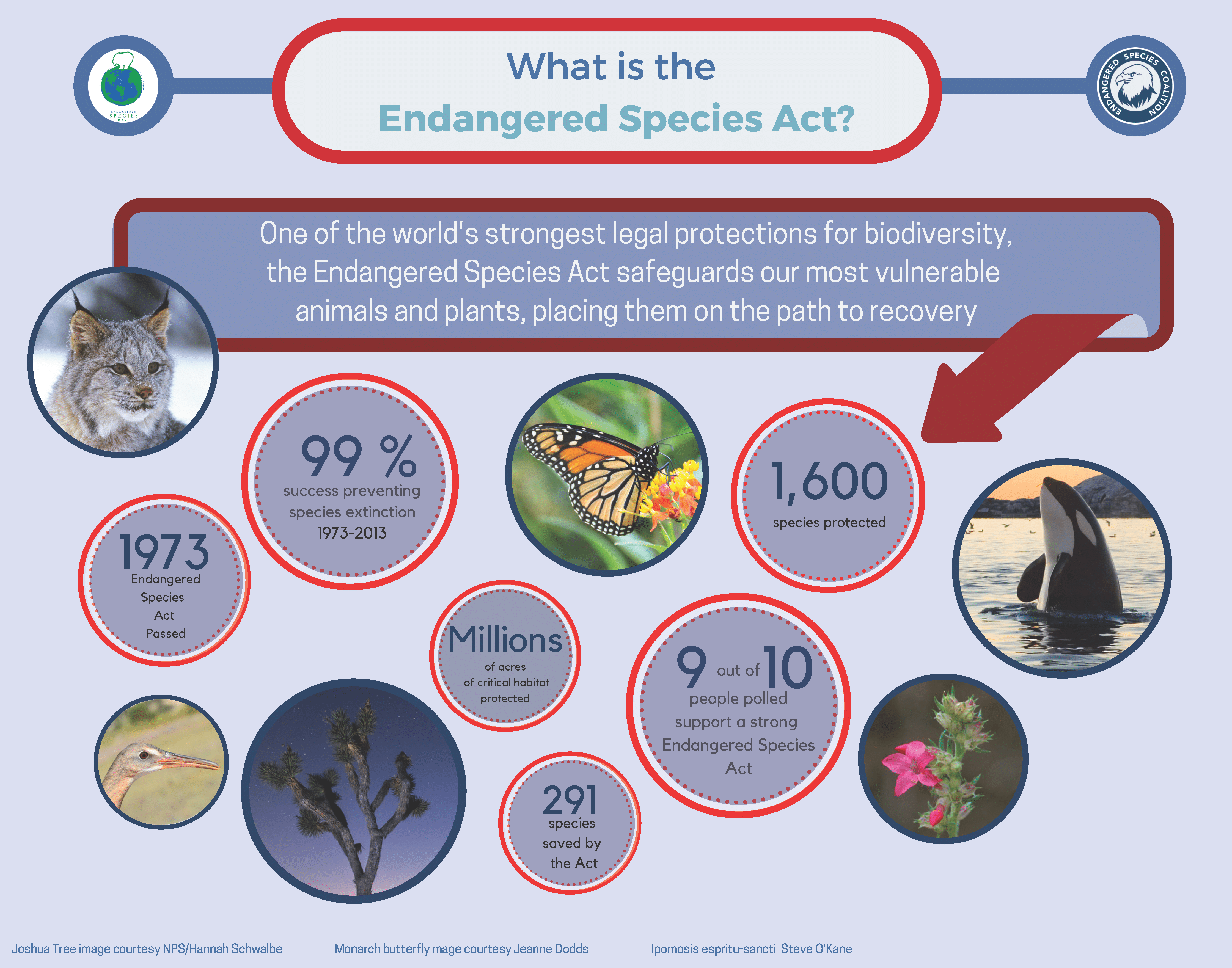
The Endangered Species Act (ESA) of 1973 stands as one of the most powerful and comprehensive pieces of environmental legislation globally. At its core, the ESA is designed to protect and recover imperiled species and the ecosystems upon which they depend, both within the United States and, to some extent, internationally. While its explicit mandate centers on biodiversity conservation, the Act’s robust provisions invariably intersect with economic activity, property rights, and governmental finance, making its understanding incomplete without a thorough appreciation of its financial dimensions. From the costs of listing and recovery to the economic impact on industries and the valuation of ecosystem services, the ESA is as much an economic policy instrument as it is an environmental safeguard.
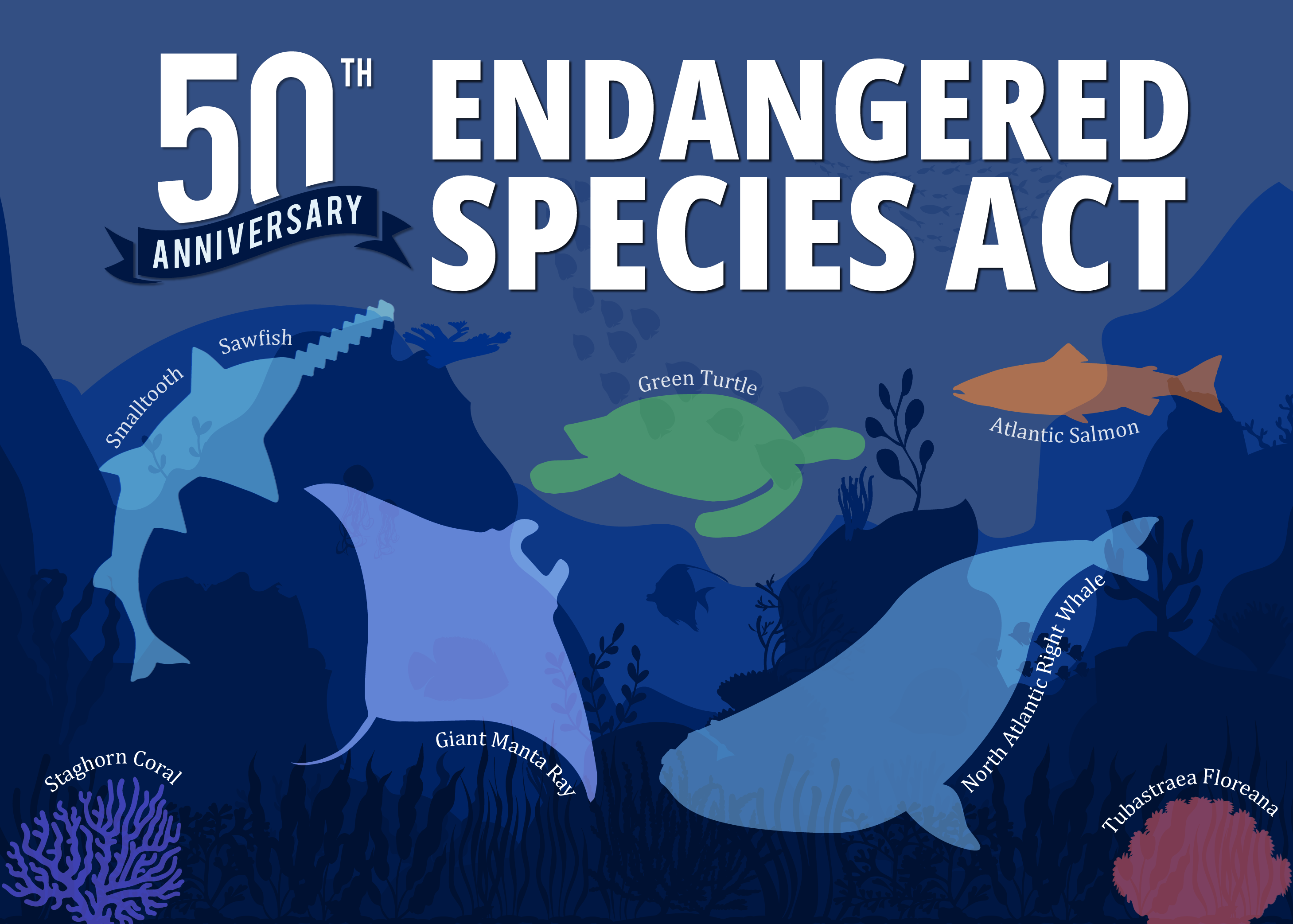
This article delves into the Endangered Species Act, not just explaining its fundamental tenets, but critically examining its financial implications, the economic challenges it presents, and the monetary opportunities it can, at times, foster. Understanding the ESA through a “Money” lens offers a unique perspective on its effectiveness, controversies, and the broader societal investment in nature.
The Financial Framework of Species Protection: Costs and Economic Rationale
The operation of the Endangered Species Act is anything but cost-neutral. Its implementation demands significant financial resources at multiple levels, from federal agencies to private entities. This investment, however, is often justified by an implicit or explicit economic rationale: the immense value—both tangible and intangible—that biodiversity provides.
Understanding Listing: A Prelude to Financial Commitments
The process of listing a species as “endangered” or “threatened” under the ESA is the critical first step that triggers the Act’s protective measures and, by extension, its financial implications. The U.S. Fish and Wildlife Service (FWS) and the National Marine Fisheries Service (NMFS) are tasked with determining which species warrant protection. This determination is made “solely on the basis of the best scientific and commercial data available,” without consideration of economic impact at the listing stage. However, once a species is listed, the financial implications immediately arise.
-
Costs of Scientific Assessment: Before a listing can occur, significant resources are expended on biological research, population surveys, and habitat assessments. This involves federal agency budgets for scientists, field research, data analysis, and peer review processes. These initial scientific expenditures are a direct financial investment in understanding the ecological status that necessitates intervention.
-
Designation of Critical Habitat and Economic Analysis: A crucial, and often contentious, aspect following a listing is the designation of “critical habitat”—areas essential for the conservation of the species. Unlike the listing decision itself, critical habitat designations do require an economic analysis to evaluate the potential impact of the designation on economic activities, development, and local economies. While the FWS/NMFS are not precluded from designating critical habitat if the benefits outweigh the costs, this analysis can identify significant economic costs, such as restrictions on land use, limitations on resource extraction, or increased development expenses, which must be weighed against conservation benefits. This step highlights the inherent tension between conservation goals and economic development, bringing financial considerations squarely into the regulatory process.
Recovery Plans: The Blueprint for Investment
Once a species is listed, the agencies are mandated to develop and implement a recovery plan. These plans are comprehensive, outlining specific actions needed to recover the species to the point where it no longer needs ESA protection. Each recovery plan is, in essence, a strategic financial investment prospectus.
-
Funding Recovery Actions: Recovery plans often call for a diverse array of actions, including habitat restoration, captive breeding programs, research, law enforcement, and public outreach. Each of these activities carries a price tag. Funding for these initiatives comes primarily from federal appropriations to the FWS and NMFS, but also from state agencies, non-governmental organizations (NGOs), and private donors. The federal government allocates millions of dollars annually towards species recovery, representing a direct public investment in biodiversity.
-
Cost-Effectiveness and Prioritization: With limited budgets and a growing list of imperiled species, agencies often face difficult decisions regarding which recovery efforts to prioritize. While not strictly a direct mandate in the statute, considerations of cost-effectiveness, the likelihood of success, and the urgency of a species’ decline implicitly guide resource allocation. This introduces a financial optimization problem into conservation efforts, where agencies seek to maximize conservation outcomes per dollar spent.
Navigating the Financial Landscape of Compliance and Economic Impact
The ESA’s provisions extend beyond federal actions, profoundly impacting private landowners, industries, and state and local governments. Compliance with the Act’s “take” prohibition and consultation requirements creates both financial burdens and, in some cases, opportunities for innovative economic solutions.
The Cost of “Take” and Development Restrictions
Section 9 of the ESA prohibits the “take” of any endangered species, which is broadly defined to include harassing, harming, pursuing, hunting, shooting, wounding, killing, trapping, capturing, or collecting. “Harm” itself includes significant habitat modification or degradation that actually kills or injures wildlife by significantly impairing essential behavioral patterns, including breeding, feeding, or sheltering. This prohibition carries substantial financial weight for entities whose activities might impact a listed species or its habitat.
-
Development Costs and Delays: For developers, agricultural operations, and resource extraction industries, the presence of a listed species can lead to significant project delays, increased mitigation costs, or even outright cancellation. Environmental assessments, biological opinions, and the development of Habitat Conservation Plans (HCPs) are often required to permit activities that might incidentally take a listed species. These processes are time-consuming and expensive, directly impacting project budgets and timelines. The cost of environmental consultants, legal fees, and mitigation measures (e.g., land acquisition, habitat restoration) can add millions to project expenses.
-
Property Value Impacts: While controversial, concerns exist that the presence of listed species or critical habitat designations can impact property values by imposing restrictions on land use. Landowners might face limitations on development, timber harvesting, or agricultural practices, which could reduce the economic utility and market value of their property. This raises questions about fairness and compensation, often leading to calls for financial incentives or mechanisms to offset such potential losses.
Mitigation and Conservation Banking: A Market for Biodiversity
To address the challenges of compliance and facilitate development while still protecting species, the ESA has spurred the creation of market-based mechanisms, most notably conservation banking.
-
Habitat Conservation Plans (HCPs): An HCP is a land-use plan required as part of an application for an Incidental Take Permit (ITP) under Section 10(a)(1)(B) of the ESA. These plans detail how the impacts of a proposed project on a listed species will be minimized and mitigated. Developing an HCP is a significant financial undertaking, involving extensive biological surveys, impact assessments, mitigation strategies (e.g., creating new habitat, funding conservation programs), and long-term monitoring. This represents a direct cost of doing business in areas with listed species.
-
Conservation Banks and Mitigation Credits: Conservation banks are privately or publicly owned lands managed for the benefit of endangered species. Developers who cannot avoid or fully mitigate “take” on their own project sites can purchase “credits” from conservation banks. These credits represent assured conservation of the species’ habitat elsewhere. This system creates a market for biodiversity, where conservation becomes a commodity. For landowners, establishing a conservation bank can be a lucrative venture, turning ecological assets into financial ones. For developers, it offers a streamlined, albeit costly, way to meet mitigation requirements and avoid project delays. This market-based approach internalizes the cost of environmental impact and channels private capital into conservation.
The Economic Value of Biodiversity: Return on Investment
Beyond direct costs and compliance, the ESA implicitly recognizes and seeks to preserve the immense economic value of biodiversity and healthy ecosystems. While often challenging to quantify in traditional financial terms, the “return on investment” from species protection is increasingly understood to be substantial.
Ecosystem Services: Nature’s Unseen Economy
Ecosystem services are the myriad benefits that humans receive from nature. These include clean air and water, pollination of crops, soil formation, nutrient cycling, climate regulation, and recreation. Many listed species play critical roles in maintaining these services.
-
Pollination and Agriculture: Many insect and animal species, including some that are threatened or endangered, are vital pollinators for a significant portion of the world’s food crops. The economic value of natural pollination services is estimated to be in the tens of billions of dollars annually. Protecting pollinator species through the ESA can be seen as an investment in agricultural productivity and food security.
-
Water Quality and Filtration: Species that maintain healthy wetlands, forests, and riparian zones contribute to natural water filtration and purification. The economic cost of replacing these natural services with engineered solutions (e.g., water treatment plants) can be astronomical. Protecting the habitats of species crucial to these processes avoids future financial burdens.
-
Pharmaceutical and Genetic Resources: Many pharmaceuticals and biotechnological innovations have their origins in natural compounds found in plants, animals, and microorganisms. The loss of a single species could mean the loss of a potential cure for a disease or a valuable genetic resource for crop resilience. The ESA acts as an insurance policy against the irrevocable loss of these potentially invaluable resources.
Tourism and Recreation: Economic Drivers
Healthy ecosystems and charismatic wildlife attract tourists, hunters, anglers, and nature enthusiasts, generating significant economic activity.
-
Ecotourism and Local Economies: Regions boasting recovered populations of iconic species (e.g., bald eagles, gray wolves) often see a boost in ecotourism, supporting local businesses, creating jobs, and generating revenue through park fees, accommodation, and related services. The recovery of species under the ESA thus contributes directly to local and regional economies.
-
Hunting and Fishing Industries: While some listed species are not huntable, the health of many game species (and their associated industries) relies on the overall health of ecosystems, which the ESA indirectly supports through habitat protection. Vibrant hunting and fishing industries contribute billions to the U.S. economy annually.
Future Financial Considerations: Sustainable Funding and Innovation
The long-term success of the Endangered Species Act hinges on consistent and sufficient funding, as well as the evolution of innovative financial tools that can better integrate conservation into economic planning.
Federal Appropriations and Funding Gaps
The primary source of funding for ESA implementation, particularly for federal agency operations and recovery efforts, comes from annual congressional appropriations. These funds are often insufficient to fully address the needs of all listed species, leading to funding gaps and the need for prioritization. Ensuring adequate, stable, and predictable funding remains a critical financial challenge for the ESA. Advocates continually push for increased investment, arguing that the costs of inaction—the irreversible loss of biodiversity and ecosystem services—far outweigh the costs of proactive conservation.

Philanthropy, Impact Investing, and Public-Private Partnerships
Recognizing the limitations of federal funding, there is a growing trend towards leveraging private capital for conservation.
-
Philanthropic Contributions: Private foundations and individual donors play a significant role in funding species recovery efforts, often filling gaps in federal budgets or supporting innovative pilot projects.
-
Impact Investing: This emerging field involves investments made with the intention to generate positive, measurable social and environmental impact alongside a financial return. Conservation-focused impact investments can support sustainable agriculture, forestry, or ecotourism ventures that benefit listed species and their habitats, offering a dual return on investment.
-
Public-Private Partnerships: Collaborative models where government agencies, NGOs, and private companies pool resources and expertise are becoming more common. These partnerships can unlock new funding streams and improve the efficiency of conservation efforts, effectively spreading the financial burden and maximizing impact.
In conclusion, the Endangered Species Act is far more than a simple environmental regulation; it is a complex piece of legislation with profound financial ramifications that ripple through federal budgets, private industries, local economies, and the broader valuation of natural capital. While imposing direct costs and restrictions, it also drives economic innovation through market-based mechanisms and safeguards invaluable ecosystem services, representing a critical long-term investment in the nation’s natural heritage and economic well-being. Understanding the ESA through this financial lens is essential for appreciating its true scope, challenges, and enduring importance.
aViewFromTheCave is a participant in the Amazon Services LLC Associates Program, an affiliate advertising program designed to provide a means for sites to earn advertising fees by advertising and linking to Amazon.com. Amazon, the Amazon logo, AmazonSupply, and the AmazonSupply logo are trademarks of Amazon.com, Inc. or its affiliates. As an Amazon Associate we earn affiliate commissions from qualifying purchases.