
In the intricate ecosystem of modern commerce, where competition soars and consumer attention is a prized commodity, understanding “what is the Eagles game on” transcends a simple query. It transforms into a powerful metaphor for the strategic, high-stakes endeavor of brand building and market leadership. The “Eagles game” in this context is the ultimate challenge: to develop a brand that possesses the visionary acuity of an eagle, the strength to dominate its niche, and the agility to navigate the ever-shifting winds of the market. It’s about more than just playing the game; it’s about defining the rules, soaring above the competition, and securing an unassailable position in the hearts and minds of your audience.
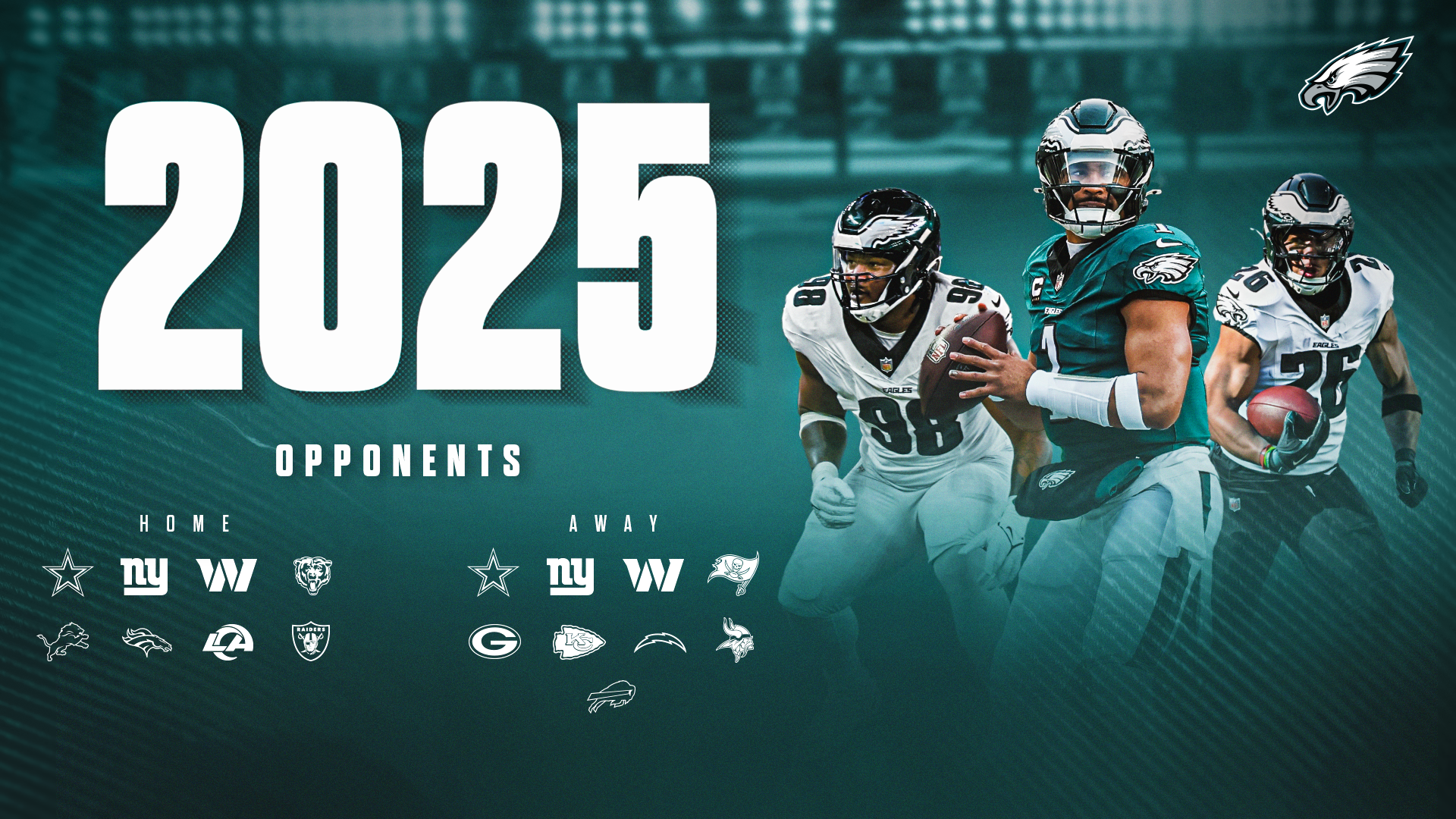
This article delves into the multi-faceted “Eagles Game” of branding, exploring the critical strategies, insights, and relentless execution required to elevate a brand from mere presence to true market apex. We will examine the core components of this strategic game, from cultivating a clear vision and crafting an iconic identity to executing agile campaigns and meticulously measuring impact. For any entity – be it a nascent startup, an established corporation, or an ambitious individual – comprehending and excelling in the “Eagles Game” is paramount for sustained success and lasting legacy.
The Eagle’s Eye: Vision and Market Intelligence in Branding
Just as an eagle possesses unparalleled eyesight, capable of spotting prey from immense heights, a truly powerful brand must cultivate an equally keen vision and superior market intelligence. This isn’t merely about setting goals; it’s about understanding the entire landscape, anticipating shifts, and pinpointing opportunities with precision. Without this foundational clarity, any branding effort is akin to flying blind.
Soaring Above the Noise: Identifying Core Brand Purpose
At the heart of any successful brand strategy lies an unwavering core purpose. This is the brand’s reason for being, its fundamental promise, and the unique value it brings to the world. In the cacophony of modern marketing, many brands struggle to articulate this, blending into a sea of sameness. The “Eagles Game” demands that a brand identifies its authentic voice and distinct mission, rising above the competitive din.
This involves a deep dive into self-reflection and external analysis. What problem does the brand solve? What unique philosophy drives its operations? What emotional connection does it seek to forge? An eagle doesn’t just fly; it flies with intent, purpose, and a clear destination. Similarly, a brand’s purpose must be clear, compelling, and consistently communicated across all touchpoints. This clarity not only resonates with target audiences but also serves as an internal compass, guiding all strategic decisions and fostering a cohesive brand culture. When employees understand and believe in the brand’s core purpose, they become its most authentic ambassadors, further amplifying its reach and impact.
Scanning the Landscape: Predictive Market Analytics
Vision without context is mere fantasy. For a brand to truly soar, it must complement its internal purpose with an acute understanding of the external market. This is where predictive market analytics becomes the eagle’s “scanning” capability. It involves far more than simply reacting to current trends; it’s about anticipating future shifts, identifying emerging needs, and understanding the subtle currents that drive consumer behavior and competitive movements.
Leveraging advanced data analytics, AI-driven insights, and sophisticated market research methodologies allows brands to build a comprehensive map of their operating environment. This includes tracking demographic changes, technological advancements, socio-cultural shifts, and the evolving strategies of competitors. By continuously monitoring these elements, a brand can proactively adjust its offerings, refine its messaging, and identify untapped opportunities before they become mainstream. This foresight enables brands to not only adapt but to lead, establishing new benchmarks and shaping market expectations, much like an eagle anticipates the movement of its quarry, positioning itself for a successful pursuit.
The Eagle’s Strategy: Crafting an Unassailable Brand Identity
Once vision and market intelligence are established, the next phase of the “Eagles Game” involves meticulously crafting an unassailable brand identity. This is the tangible manifestation of the brand’s purpose and strategy – its appearance, voice, and overall personality. An eagle is recognizable by its majestic form and piercing gaze; a dominant brand must similarly possess a distinctive and memorable identity that commands attention and inspires trust.
Building the Nest: Foundations of Brand Architecture
A brand’s identity is not a superficial veneer; it’s a deeply rooted structure, much like an eagle’s nest that is meticulously built for resilience and longevity. This foundational work is known as brand architecture, encompassing everything from naming conventions and visual identity to messaging frameworks and brand personality traits. It dictates how various products, services, or sub-brands relate to each other under a unified corporate umbrella.
Developing a robust brand architecture requires strategic foresight. Is it a monolithic brand (e.g., Google’s consistent branding across all products)? A endorsed brand (e.g., Marriott’s various hotel chains)? Or a house of brands (e.g., Procter & Gamble’s diverse, independent brands)? Each approach has implications for brand recognition, resource allocation, and market positioning. Regardless of the chosen model, consistency is paramount. Every element, from the logo and color palette to the tone of voice and brand guidelines, must harmoniously reinforce the core brand message. This creates a cohesive and trustworthy presence, making the brand easily identifiable and ensuring that every interaction strengthens its overall equity.
Hunting for Loyalty: Engagement and Community Building
An eagle doesn’t just appear; it lives within an ecosystem, building relationships and fostering a sense of belonging. Similarly, an unassailable brand identity isn’t just about how a brand looks or what it says, but how it engages and builds a loyal community. In the “Eagles Game,” attracting and retaining customers is the ultimate hunt, and the most successful brands understand that loyalty is forged through consistent value delivery and meaningful interaction.

This involves moving beyond transactional relationships to foster genuine connections. Brands must actively listen to their audience, respond to feedback, and create platforms for community interaction. Content marketing, social media engagement, personalized experiences, and exceptional customer service all play critical roles in building this loyalty. When customers feel valued, heard, and part of something larger, they transform into advocates, voluntarily spreading the brand’s message and reinforcing its identity. This community becomes a powerful, self-sustaining ecosystem, making the brand more resilient to market fluctuations and competitive threats, echoing the strength derived from an eagle’s well-established territory.
The Eagle’s Flight: Execution and Adaptation in a Dynamic Market
Vision and identity, however strong, are static without dynamic execution and agile adaptation. The “Eagles Game” demands continuous flight, navigating environmental challenges, seizing opportunities, and demonstrating unwavering resilience. The market is a living, breathing entity, and a brand must be equally dynamic to thrive.
Navigating the Winds: Agile Brand Campaigns
The winds of the market are constantly shifting – new technologies emerge, consumer preferences evolve, and unforeseen global events can reshape the landscape overnight. For a brand to maintain its altitude, it must employ agile brand campaigns that can pivot and adapt with speed and precision. This contrasts sharply with rigid, long-term plans that can quickly become obsolete.
Agile branding involves continuous cycles of planning, execution, measurement, and learning. Campaigns are developed with built-in flexibility, allowing for real-time adjustments based on performance data and market feedback. This might involve A/B testing different messages, experimenting with new digital channels, or quickly reallocating budgets to more effective strategies. The ability to “tack” and adjust course rapidly, much like an eagle using wind currents to its advantage, ensures that the brand remains relevant, responsive, and maximally impactful, avoiding stagnation and maintaining forward momentum.
The Apex Predator: Sustaining Brand Dominance
Achieving market leadership is a significant victory, but sustaining it is the true test of an “apex predator” brand. In the “Eagles Game,” dominance is not a destination but an ongoing state of vigilant innovation and strategic evolution. Competitors are always vying for the top spot, and complacency is a fatal flaw.
Sustaining brand dominance requires a multi-pronged approach. It means continuously investing in research and development to bring new, innovative products and services to market, ensuring the brand remains at the forefront of its industry. It involves proactive public relations and crisis management to protect the brand’s reputation against potential threats. Furthermore, it demands a commitment to consistent brand experience across all touchpoints, ensuring that the promise made to consumers is always delivered upon. This constant striving for excellence, coupled with strategic foresight and an unwavering commitment to improvement, allows a brand to not only maintain its leading position but to solidify it, making it exceptionally difficult for rivals to displace.
The Scoreboard: Measuring Brand Impact and Return
No game is complete without a scoreboard, and the “Eagles Game” of branding is no exception. Measuring brand impact and return is crucial for validating strategies, identifying areas for improvement, and demonstrating the tangible value that branding efforts bring to the organization. Without accurate metrics, even the most beautifully crafted strategy remains an unproven hypothesis.
Tracking the Ascent: Key Brand Metrics
To understand the success of the “Eagles Game,” brands must track a comprehensive suite of key performance indicators (KPIs). These metrics go beyond immediate sales figures to encompass the broader health and influence of the brand. Just as an eagle’s flight can be tracked by altitude, speed, and trajectory, a brand’s ascent can be quantified by various indicators.
Key brand metrics include brand awareness (how many people recognize or recall the brand), brand perception (what people think and feel about the brand), brand equity (the overall value of the brand as an asset), market share (the percentage of the total market sales generated by the brand), customer lifetime value (the total revenue expected from a customer throughout their relationship with the brand), and net promoter score (NPS, a measure of customer loyalty and advocacy). By meticulously monitoring these metrics, brands can gain deep insights into the effectiveness of their strategies, identify shifts in consumer sentiment, and quantify the return on their branding investments. This data-driven approach ensures that decisions are based on evidence, not just intuition.
The Next Flight Path: Strategic Re-evaluation and Evolution
The scoreboard is not just a historical record; it’s a guide for the future. In the “Eagles Game,” the data gathered from brand metrics must feed directly into strategic re-evaluation and continuous evolution. The market never stands still, and neither can a brand that aims for sustained high performance.
This involves regular audits of brand health, competitor analysis, and consumer trend forecasting. What worked yesterday might not work tomorrow. Are the brand’s messages still resonating? Are there new channels or technologies that need to be embraced? Is the brand’s positioning still unique and relevant? By systematically reviewing performance against strategic objectives and external market shifts, brands can identify necessary adjustments to their “flight path.” This iterative process of learning, adapting, and refining ensures that the brand remains agile, innovative, and perfectly positioned for future success, constantly evolving to meet new challenges and seize emerging opportunities, much like an eagle continuously adapts its hunting strategies to its changing environment.
The “Eagles Game” of branding is a continuous, dynamic challenge that demands vision, strategy, execution, and rigorous measurement. It’s about more than just having a presence; it’s about commanding attention, inspiring loyalty, and achieving enduring market dominance. By embracing the characteristics of the majestic eagle – its foresight, strength, and adaptability – any brand can aspire to not just play the game, but to truly master the high-altitude strategies required for sustained success in the competitive skies of modern business.
aViewFromTheCave is a participant in the Amazon Services LLC Associates Program, an affiliate advertising program designed to provide a means for sites to earn advertising fees by advertising and linking to Amazon.com. Amazon, the Amazon logo, AmazonSupply, and the AmazonSupply logo are trademarks of Amazon.com, Inc. or its affiliates. As an Amazon Associate we earn affiliate commissions from qualifying purchases.