
In the intricate world of pharmaceutical branding, understanding “what a drug is used for” transcends mere medical indication; it forms the bedrock of a product’s brand identity, market positioning, and strategic communication. Xarelto, a prominent anticoagulant (blood thinner), is a compelling case study in how a brand effectively defines, markets, and expands its utility within a highly regulated and competitive landscape. For a pharmaceutical brand, knowing its core purpose – its “uses” – is not just about scientific efficacy, but about crafting a narrative, building trust, and establishing a lasting presence in the minds of healthcare professionals (HCPs) and patients alike. This article delves into Xarelto’s brand strategy, exploring how its defined applications shape its corporate identity, marketing efforts, and ultimately, its enduring value.

Xarelto’s Brand Identity: Defining Its Core Purpose
The brand identity of a pharmaceutical product like Xarelto is meticulously constructed around its approved indications. These “uses” are not simply bullet points on a label; they are the strategic pillars upon which its entire brand architecture rests. For Xarelto, a novel oral anticoagulant (NOAC) developed by Bayer and marketed by Johnson & Johnson, its core purpose revolves around preventing and treating various forms of blood clots, a critical health concern with significant global impact.
The Pharmaceutical Brand Landscape and Xarelto’s Niche
The pharmaceutical industry is characterized by intense competition, stringent regulatory oversight, and a prolonged development cycle. Within this landscape, a brand like Xarelto must carve out a distinct niche. Its brand identity as an anticoagulant is defined by its approved uses: primarily, reducing the risk of stroke and systemic embolism in patients with non-valvular atrial fibrillation (NVAF), treating deep vein thrombosis (DVT) and pulmonary embolism (PE), and reducing the risk of recurrent DVT and PE. Additionally, it’s used for the prophylaxis of DVT and PE in patients undergoing knee or hip replacement surgery, and more recently, for reducing the risk of major adverse cardiovascular events in patients with coronary artery disease (CAD) or peripheral artery disease (PAD).
These specific applications allow Xarelto to differentiate itself from older anticoagulants like warfarin and even other NOACs. The brand identity is built on promises of convenience (oral administration, no routine monitoring required for most indications), efficacy across multiple critical conditions, and a well-defined safety profile. From a branding perspective, these “uses” enable Xarelto to position itself as a modern, versatile, and reliable solution within cardiovascular and thrombotic care.
Communicating Complex Medical Uses to Diverse Audiences
One of the significant challenges in pharmaceutical branding is translating complex medical information into understandable and persuasive messages for varied audiences. For Xarelto, articulating “what it’s used for” involves tailoring communication strategies for HCPs, who require detailed clinical data and evidence, and for patients, who need accessible, empowering information to understand their condition and treatment.
For HCPs, the brand communicates its uses through scientific publications, medical conferences, and direct sales forces, emphasizing clinical trial results, safety profiles, and treatment guidelines. The narrative focuses on Xarelto’s broad applicability across multiple indications and its potential to simplify treatment regimens for patients. For patients, the brand employs patient education programs, digital platforms, and support materials that explain the importance of anticoagulation, the convenience of Xarelto, and how it helps manage their specific condition, thereby reinforcing the brand’s commitment to patient well-being. This multi-faceted approach ensures that the core “uses” are understood and valued by all stakeholders, strengthening the brand’s authority and reach.
Strategic Positioning: Beyond a Simple Anticoagulant
Xarelto’s brand strategy moves beyond merely stating its chemical function. It positions itself not just as a drug that “thins blood,” but as a comprehensive solution for managing specific, life-threatening thrombotic conditions. This strategic positioning is crucial for standing out in a crowded market. By defining its uses broadly across different patient populations (e.g., post-surgery, chronic cardiovascular disease, atrial fibrillation), Xarelto establishes itself as a versatile and indispensable tool in a clinician’s arsenal.
The brand leverages its multi-indication profile to reinforce its image as an innovative leader in anticoagulation. Each new approved use not only expands its market but also enhances its brand equity, signaling ongoing research and development commitment. This reinforces a corporate identity focused on innovation and patient care, allowing Xarelto to be perceived as a modern alternative offering significant advantages over older therapies, making its “uses” a cornerstone of its competitive differentiation.
Marketing the Indications: A Brand Strategy for Xarelto
The success of a pharmaceutical brand is inextricably linked to its marketing strategy, particularly how it communicates its approved indications. For Xarelto, marketing its “uses” is not a static endeavor but an evolving strategy that adapts to clinical evidence, market dynamics, and regulatory landscapes. It involves meticulously crafted campaigns aimed at education, trust-building, and differentiation.
Targeting Healthcare Professionals: Education and Trust Building
The primary target audience for Xarelto’s brand messaging regarding its uses is healthcare professionals. Building trust with physicians, pharmacists, and nurses is paramount. This involves disseminating robust clinical data from trials that demonstrate the drug’s efficacy and safety across its various indications. Marketing efforts include sponsoring continuing medical education (CME) programs, facilitating peer-to-peer dialogues, and providing extensive clinical resources.
The brand’s sales representatives are key conduits for this information, engaging in scientific discussions to explain why Xarelto is used for specific conditions, how it fits into treatment algorithms, and what advantages it offers over other treatments. This educational approach fosters confidence and provides HCPs with the evidence base needed to prescribe Xarelto, reinforcing the brand as a reliable and evidence-backed solution for its approved uses. The emphasis is on the brand’s scientific credibility, which is paramount in influencing prescribing habits.
Patient Engagement: Empowering Understanding and Adherence
While HCPs are the prescribers, patients are the end-users whose adherence is critical for treatment success. Xarelto’s brand strategy includes significant efforts in patient engagement, aimed at empowering individuals to understand their condition and the role Xarelto plays in their health. This involves creating patient-friendly materials, often in collaboration with patient advocacy groups, that simplify complex medical concepts related to blood clots and the importance of consistent medication.
Marketing messages for patients focus on convenience, reassurance, and the positive impact on quality of life derived from preventing serious events like stroke. The brand aims to demystify the “uses” of Xarelto, making patients feel informed and actively involved in their treatment journey. Digital platforms, patient support lines, and direct-to-consumer (DTC) advertising (where permitted) reinforce these messages, building a loyal patient base and fostering adherence, which ultimately supports the brand’s long-term market presence.
Differentiation in a Competitive Market: The “Used For” Advantage
In the crowded market of anticoagulants, Xarelto’s brand differentiates itself through its multi-indication profile and perceived advantages. Its diverse “uses” become a significant competitive advantage. For example, its initial approval for orthopedic surgery prophylaxis, followed by NVAF and VTE treatment, allowed it to establish a strong foothold across different segments before competitors.
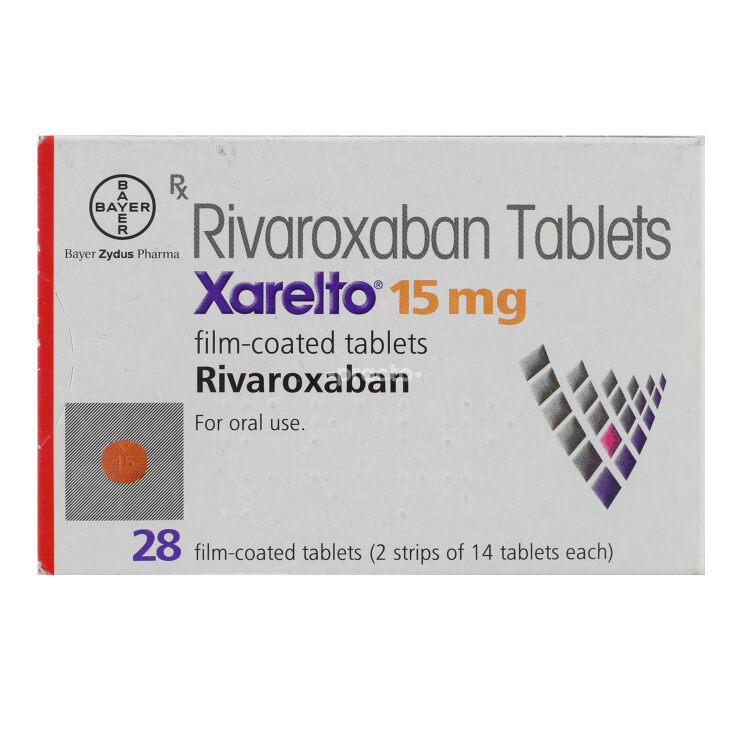
The brand’s marketing highlights the breadth of its applications, positioning Xarelto as a versatile, go-to option for a range of thrombotic conditions, simplifying prescribing decisions for HCPs and potentially streamlining patient care. This comprehensive utility helps the brand stand out against competitors with narrower indications or different administration requirements. By consistently communicating the collective power of its various “uses,” Xarelto fortifies its brand identity as a comprehensive and adaptable leader in anticoagulation.
The Brand Narrative: Xarelto’s Role in Patient Health
Beyond the science and the marketing tactics, Xarelto’s brand strategy is deeply embedded in the narrative it constructs around patient health. This narrative humanizes the drug, connecting its “uses” to tangible, life-altering outcomes. The brand story is one of prevention, management, and improved quality of life, carefully crafted to resonate with all stakeholders while adhering to strict regulatory guidelines.
Crafting a Story of Prevention and Management
The core narrative of Xarelto’s brand revolves around preventing serious cardiovascular events and effectively managing existing thrombotic conditions. This story emphasizes proactive health management and risk reduction. For patients with atrial fibrillation, the brand tells a story of stroke prevention, offering peace of mind. For those with DVT or PE, it’s about treating acute events and preventing recurrence, allowing individuals to return to their daily lives with reduced fear.
This brand narrative is carefully woven into all communications, from educational materials to corporate responsibility initiatives. It’s a story that positions Xarelto not just as a pill, but as an integral part of a larger healthcare solution that safeguards patient futures. By focusing on the positive outcomes associated with its “uses,” the brand creates an emotional connection, reinforcing its value proposition far beyond its pharmacological properties.
Regulatory Compliance and Brand Credibility
In the pharmaceutical sector, brand credibility is intrinsically linked to regulatory compliance. Every claim about Xarelto’s “uses,” every piece of marketing collateral, must be scrupulously vetted and approved by regulatory bodies such as the FDA or EMA. This strict oversight ensures that the brand’s communications are accurate, balanced, and not misleading.
Xarelto’s brand integrity is maintained through rigorous adherence to these regulations. This commitment to compliance is not just a legal necessity but a fundamental aspect of building and sustaining trust with both HCPs and patients. A brand that consistently demonstrates regulatory adherence for its stated “uses” builds a reputation for reliability and responsibility, which are invaluable assets in the pharmaceutical industry. This unwavering commitment strengthens the brand’s authority and further solidifies its position as a trusted leader in its therapeutic area.
Global Brand Reach: Adapting “Used For” Messaging
Xarelto is a global brand, marketed in numerous countries with diverse healthcare systems, cultural nuances, and regulatory requirements. Adapting the “what it is used for” message across these different markets is a complex but crucial aspect of its global brand strategy. While the core medical indications remain consistent, the way these uses are communicated and emphasized can vary.
Local marketing teams tailor the brand narrative to resonate with regional healthcare priorities, patient demographics, and competitive landscapes. For instance, in some regions, the focus might be more heavily on stroke prevention due to higher prevalence of atrial fibrillation, while in others, post-surgical prophylaxis might be a stronger point of emphasis. This localized approach ensures that Xarelto’s brand remains relevant and impactful globally, demonstrating an understanding of local needs while maintaining a consistent global brand identity centered on its core “uses.”
Brand Evolution and Future Implications of Xarelto’s Uses
The lifecycle of a pharmaceutical brand is dynamic, influenced by ongoing research, market shifts, and emerging competition. Xarelto’s brand evolution is closely tied to the expansion and refinement of its “uses,” which continually redefine its market position and long-term value.
Expanding Indications: Growing the Brand’s Value
One of the most powerful strategies for enhancing a pharmaceutical brand’s value is the expansion of its approved indications. For Xarelto, gaining additional “uses” through clinical trials not only broadens its addressable market but also reinforces its brand image as an innovative, continuously evolving solution. Each new indication represents a new facet of its utility, attracting new patient populations and solidifying its role in various medical specialties.
The recent approval for reducing major cardiovascular events in patients with CAD or PAD, for example, significantly expanded Xarelto’s brand footprint into a broader cardiovascular prevention space, moving beyond its traditional anticoagulation role. These expanded uses demonstrate the brand’s scientific robustness and commitment to improving patient outcomes across a wider spectrum of conditions, driving sustained growth and market relevance.
Lifecycle Management: Sustaining Relevance
As a drug matures, lifecycle management becomes critical for sustaining its brand relevance. For Xarelto, this involves strategically managing its existing “uses” while exploring new potential applications. It includes continued research to uncover new benefits, refine dosing strategies, or identify specific patient populations who might benefit most from its use.
The brand’s ability to maintain its leading position relies on continuously demonstrating its value across its approved indications, fending off competition from new entrants or biosimilars. This ongoing validation of its uses through real-world evidence and post-marketing surveillance helps to reinforce the brand’s established efficacy and safety profile, ensuring it remains a preferred choice for HCPs and patients.

The Impact of Generic Competition on Brand Perception
The eventual arrival of generic versions of Xarelto will undoubtedly impact its brand perception and market share. When a drug’s patent expires, the “what it is used for” becomes a public domain concept, easily replicated by generic manufacturers. At this stage, the original brand must rely more heavily on its established reputation, its sustained brand narrative, and the loyalty built over years of marketing its specific uses.
The brand will need to emphasize its long-standing safety data, patient support programs, and the trust it has garnered from the medical community. While generics will offer the same chemical compound for the same “uses” at a lower cost, the original Xarelto brand will continue to differentiate itself through its legacy of innovation, the breadth of its clinical evidence, and the comprehensive support services it offers. Ultimately, the strength of Xarelto’s brand identity, carefully constructed around its compelling “uses,” will be its most significant asset in navigating the post-patent landscape, ensuring its legacy endures beyond exclusivity.
aViewFromTheCave is a participant in the Amazon Services LLC Associates Program, an affiliate advertising program designed to provide a means for sites to earn advertising fees by advertising and linking to Amazon.com. Amazon, the Amazon logo, AmazonSupply, and the AmazonSupply logo are trademarks of Amazon.com, Inc. or its affiliates. As an Amazon Associate we earn affiliate commissions from qualifying purchases.