
The modern landscape of personal and business finance is inextricably linked to the rising costs of healthcare. For individuals managing chronic conditions and corporations providing employee benefits, understanding the economic implications of prescription medications is essential. Among the medications frequently discussed in the context of anxiety management and cost-effectiveness is Vistaril, the brand name for hydroxyzine pamoate. When evaluating the utility of a drug, stakeholders—ranging from patients managing household budgets to healthcare administrators optimizing insurance plans—must weigh the clinical efficacy against the financial burden.
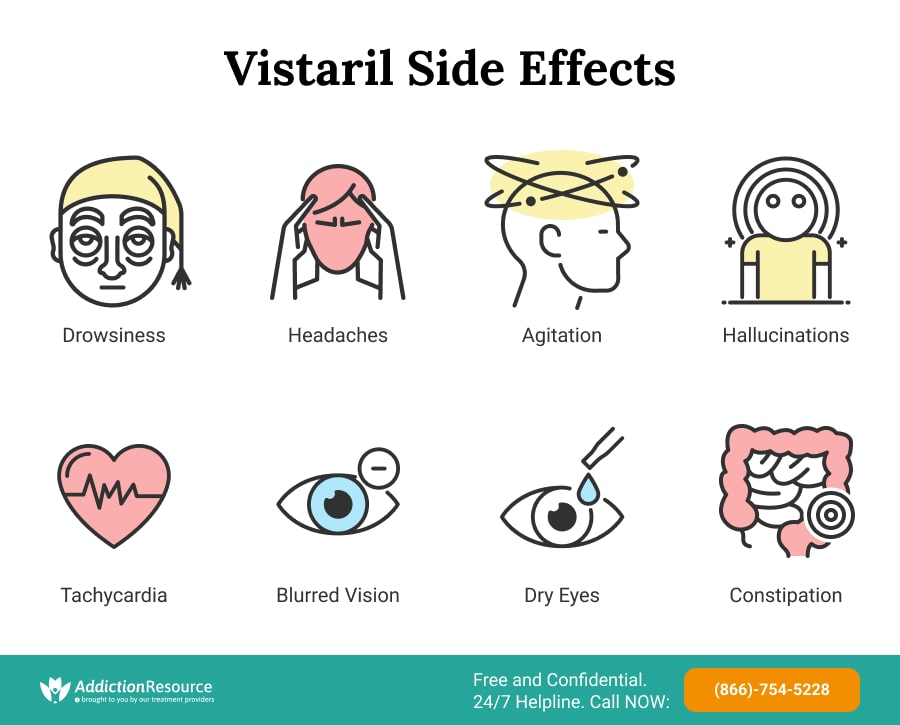
The Economic Utility of Hydroxyzine in Modern Healthcare
Vistaril belongs to a class of medications known as antihistamines. Unlike benzodiazepines, which are often classified as controlled substances and carry significant risks of dependency and long-term financial liabilities associated with addiction recovery, hydroxyzine represents a lower-cost, non-narcotic alternative. From a financial planning standpoint, the categorization of a medication determines not only its accessibility but also its insurance coverage tier and out-of-pocket impact.
Minimizing Out-of-Pocket Expenses
For the average consumer, the “value” of a medication is measured by the delta between its retail price and the effectiveness of the treatment. Vistaril is frequently available in generic form, making it a highly cost-efficient choice for primary care physicians. When clinicians prioritize cost-effective medications like hydroxyzine over newer, patented psychiatric drugs, they are engaging in a form of financial stewardship that helps keep individual health insurance premiums stable. By avoiding high-tier copays associated with specialty medications, patients can allocate their disposable income toward other financial priorities, such as retirement savings or debt reduction.
The Business Case for Cost-Effective Prescriptions
From a corporate benefits perspective, the prescription of lower-cost alternatives like Vistaril serves as a buffer against skyrocketing premiums. Employers and insurance providers track the “average cost per claim.” When doctors select hydroxyzine for the management of short-term anxiety or pruritus (itching) instead of more expensive, brand-name pharmaceutical interventions, the aggregate reduction in pharmacy benefit management (PBM) costs is significant. This macroeconomic health trend allows businesses to maintain higher-quality coverage packages without shifting the entire burden of premium hikes onto the workforce.
Managing Healthcare Budgets Through Medication Literacy
Financial health is inseparable from physical health. A sudden, chronic illness or the onset of anxiety can disrupt an individual’s ability to generate income, leading to a “health-wealth gap.” Understanding what Vistaril is used for allows patients to have informed conversations with their doctors, often leading to better financial outcomes.
Treating Anxiety and Tension: A Financial Stability Strategy
Vistaril is primarily indicated for the management of anxiety and tension. Anxiety disorders can significantly impair professional productivity, leading to missed work days and lost wages. By utilizing effective, affordable, and non-addictive treatments for acute anxiety, individuals can maintain their professional performance and protect their primary source of income. Unlike some expensive, long-term pharmacological treatments that require extensive monitoring and high-cost consultations, Vistaril acts as a reliable tool that fits into a standard, budget-conscious healthcare strategy.

Sedation and Sleep Hygiene as Economic Investments
Vistaril is also commonly used for its sedative effects, particularly as a preoperative or postoperative medication to calm patients, or as an aid to help individuals sleep. Sleep deprivation is an silent killer of productivity and a significant drain on personal finances due to the resulting need for coffee, supplements, and long-term health treatments for fatigue-related ailments. By addressing sleep quality through a medically supervised, low-cost intervention like hydroxyzine, individuals can preserve their cognitive capacity, which is their most valuable personal asset for career growth and wealth generation.
Evaluating Long-Term ROI: Generic vs. Brand Name Drugs
In the world of investing and business, the Return on Investment (ROI) is a guiding principle. In pharmacy, the ROI of a medication is defined by its ability to resolve a condition without unnecessary expense or side effects that require further intervention.
The Financial Advantage of Generics
Hydroxyzine pamoate’s status as a generic drug is its primary financial strength. Many patients fall into the trap of believing that higher costs equal better outcomes. In reality, the efficacy of generic Vistaril is clinically identical to the brand-name product. By choosing the generic, a patient effectively captures an immediate cost savings of anywhere from 50% to 90% compared to branded alternatives. When compounded over a year of treatment, these savings can be diverted into an investment vehicle, such as a high-yield savings account or an index fund, illustrating how smart pharmaceutical choices contribute to long-term wealth accumulation.
Mitigating Hidden Costs: Avoiding Dependency
One of the most significant hidden costs in healthcare is the financial impact of substance dependency. While some anxiety medications can lead to dependency, requiring expensive detox programs, legal fees, or loss of employment, Vistaril does not share this profile. By opting for a medication with a lower risk profile, the patient is essentially “de-risking” their life. Financial security depends on continuity of income; by avoiding drugs that interfere with professional judgment or create dependency cycles, patients protect their ability to work consistently.
Strategic Decision-Making in Personal Health Finance
Effective financial management requires a portfolio approach to every sector of life, including health. Whether one is a patient or a healthcare decision-maker, the choice of Vistaril vs. other options involves a critical analysis of clinical necessity and fiscal responsibility.
Tax Advantages and Health Savings Accounts (HSAs)
For those who utilize Health Savings Accounts (HSAs) or Flexible Spending Accounts (FSAs), the cost-effectiveness of Vistaril is magnified. Because HSA funds grow tax-free, spending them on affordable medications allows for more capital to remain in the account, earning interest and compounding over time. When a patient chooses a low-cost, effective medication, they are not just saving money today; they are protecting their long-term tax-advantaged investments. Every dollar saved on a prescription copay is a dollar that remains invested in a tax-sheltered vehicle, contributing to the patient’s overall financial net worth.

The Role of Transparency in Pharmaceutical Pricing
The pharmaceutical industry is notoriously opaque regarding pricing, which makes it difficult for consumers to compare “value.” However, by researching the function and cost of standard medications like Vistaril, consumers force the market to remain competitive. When patients ask, “Is there a more cost-effective way to treat this?” they are acting as smart consumers, not just patients. This consumer behavior is the bedrock of a healthy economy. By utilizing data—such as clinical reviews of Vistaril’s effectiveness and comparative price checks across pharmacies—individuals can take control of their healthcare spending.
In conclusion, Vistaril represents a nexus of clinical utility and financial sensibility. Its role in medicine is multifaceted, addressing anxiety, tension, and itching, but its role in the life of a financially conscious individual is even more defined: it is a tool for maintaining health without sacrificing financial stability. By choosing proven, generic, and cost-effective treatments, individuals can optimize their healthcare budgets, protect their earning potential, and ensure that their financial portfolios remain resilient against the unpredictable costs of illness. In the broader scope of personal finance, the decision to opt for a drug like Vistaril is not just a health decision—it is a strategic move to preserve capital and ensure long-term stability.
aViewFromTheCave is a participant in the Amazon Services LLC Associates Program, an affiliate advertising program designed to provide a means for sites to earn advertising fees by advertising and linking to Amazon.com. Amazon, the Amazon logo, AmazonSupply, and the AmazonSupply logo are trademarks of Amazon.com, Inc. or its affiliates. As an Amazon Associate we earn affiliate commissions from qualifying purchases.