
In the fast-paced world of digital health, managing personal wellness often requires a clear understanding of the tools—both software-based and pharmacological—that impact our daily productivity and mental clarity. As the healthcare landscape shifts toward personalized medicine and digital health integration, understanding the role of medications like Olanzapine becomes essential for those monitoring their personal performance and long-term health metrics. While Olanzapine is a potent clinical tool, viewing it through the lens of functional wellness helps professionals and individuals alike maintain the stability required to achieve their high-level objectives.
The Mechanism and Primary Clinical Applications
Olanzapine belongs to a class of medications known as atypical antipsychotics. Unlike older iterations of psychiatric medication, it functions primarily by modulating specific neurotransmitters in the brain, namely dopamine and serotonin. In the context of maintaining a stable internal state—a critical factor for anyone balancing a demanding career or complex project management—Olanzapine is used to restore chemical balance.

Managing Schizophrenia and Psychotic Disorders
At its core, the primary indication for Olanzapine is the treatment of schizophrenia. This condition involves profound disruptions in thought processes, perception, and emotional responsiveness. By stabilizing dopamine pathways, the medication helps mitigate hallucinations and disorganized thinking. From a functional perspective, this allows the individual to re-engage with their daily responsibilities, social obligations, and cognitive tasks that would otherwise be overwhelmed by sensory or cognitive noise.
Addressing Bipolar Disorder
Beyond schizophrenia, Olanzapine is frequently utilized as a cornerstone therapy for bipolar disorder. Specifically, it is effective in managing the acute manic episodes associated with Bipolar I. For individuals who operate in high-pressure business environments, the volatility of manic states can be catastrophic to both personal and professional brand equity. Olanzapine acts as a stabilizing force, tempering the extreme highs of mania and, when used in combination with other agents, preventing the onset of depressive lows.
The Role of Olanzapine in Adjunctive Therapy
In modern medical practice, drugs are rarely used in a vacuum. The concept of “adjunctive therapy” is central to how psychiatrists optimize the treatment of treatment-resistant depression. When standard antidepressants—such as SSRIs—fail to provide the desired result, Olanzapine is often introduced as a secondary agent to enhance efficacy.
Enhancing Treatment-Resistant Depression
There are instances where the standard protocols for managing major depressive disorder do not yield results. In these cases, the addition of low-dose Olanzapine can serve as a catalyst for recovery. By targeting different receptor sites in the brain, it can provide the “cognitive lift” necessary for a patient to emerge from a depressive state. This is particularly relevant for high-achievers who find their productivity and decision-making capabilities severely hampered by persistent, treatment-resistant depression.

Short-term Intervention for Acute Agitation
In clinical settings, rapid control of agitation is sometimes necessary. Olanzapine is available in formulations that allow for swift absorption, making it a valuable tool for calming severe behavioral disturbances. This utility highlights the importance of timely intervention; in the same way that a software patch must be deployed quickly to fix a system crash, Olanzapine is deployed to rectify acute neurological instability.
Understanding Side Effects and Long-Term Management
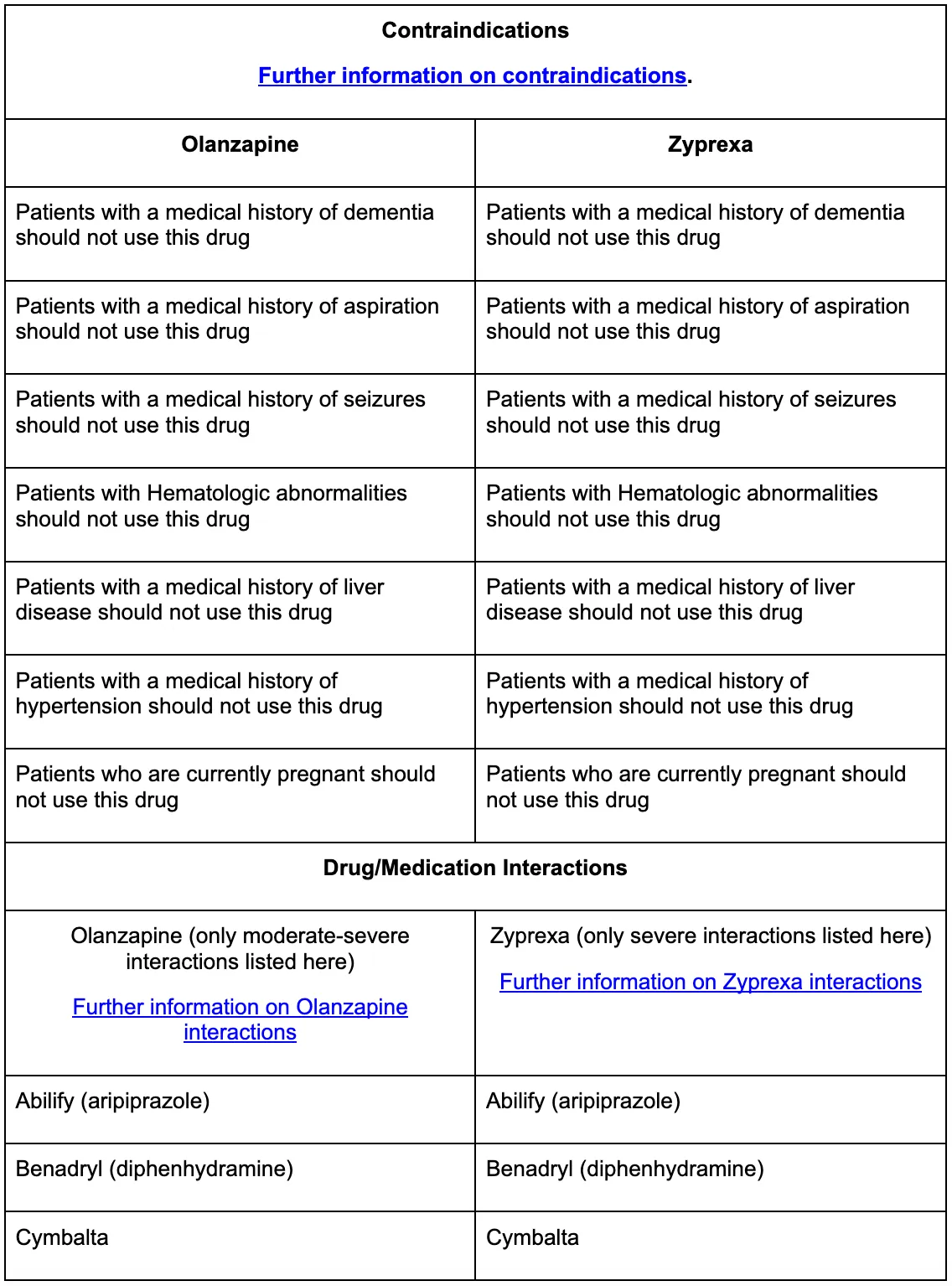
Integrating a medication like Olanzapine into one’s life requires a sophisticated understanding of its metabolic impact. Just as one would monitor the “burn rate” or resource consumption of a business venture, users of Olanzapine must be hyper-aware of their internal biological metrics. The drug is known for certain side effects that, if left unmanaged, could interfere with overall well-being.
Metabolic Considerations and Lifestyle Integration
The most prominent side effects associated with Olanzapine involve metabolic changes. Users often report increased appetite, weight gain, and changes in blood glucose levels or cholesterol. In the context of health optimization, this necessitates a proactive approach. Individuals prescribed this medication often benefit from integrating structured nutrition plans and regular physical activity as part of their “health stack.” Tracking these health metrics via wearable technology is a common practice for those who treat their biological health with the same rigorous tracking they apply to their finances or digital workflows.
The Importance of Medical Oversight
Self-management of mental health is a growing trend, but it has limits. Olanzapine is a powerful substance that requires strict medical oversight. Abrupt discontinuation can lead to “rebound” effects, where the symptoms the medication was intended to control return with heightened intensity. Therefore, the medication should always be managed within a structured clinical framework, ensuring that the dosage is optimized for the individual’s unique biology and lifestyle demands.
Olanzapine and the Future of Personalized Health
As we look toward the future, the integration of pharmacological support with digital health monitoring will likely become more seamless. The use of Olanzapine is evolving from a strictly “hospital-based” intervention to a component of long-term chronic condition management.
Precision Medicine and Genetic Testing
The future of using medications like Olanzapine lies in pharmacogenomics—the study of how genes affect a person’s response to drugs. By analyzing an individual’s genetic markers, clinicians can predict who will respond best to Olanzapine and who might be more susceptible to its metabolic side effects. For the results-oriented individual, this represents a shift from “trial and error” to a data-driven, precise medical strategy.
Digital Health Monitoring
The rise of digital health apps and smart devices provides an unprecedented opportunity to monitor the effects of Olanzapine in real-time. Patients can track sleep quality, mood swings, and physical activity levels, providing their healthcare providers with concrete data rather than anecdotal reports. This intersection of pharmacology and digital monitoring ensures that the medication serves its intended purpose: to provide the stability required for a high-functioning, productive life.
In conclusion, Olanzapine is a highly specialized clinical tool with a range of critical applications, from stabilizing schizophrenia to treating resistant forms of depression. By understanding how the drug works, managing its metabolic implications through lifestyle adjustments, and leveraging modern digital tools for tracking, individuals can harness its benefits to maintain long-term stability. While it is not a “quick fix” for general stress, its role in managing serious mood and thought disorders remains unparalleled in modern medicine. Professional management, combined with proactive personal monitoring, transforms Olanzapine from a source of anxiety into a manageable, effective component of a comprehensive mental health strategy. As the lines between medical science and personal productivity continue to blur, the informed use of such medications will remain a cornerstone of effective self-governance and health maintenance for those navigating the demands of the modern world.
aViewFromTheCave is a participant in the Amazon Services LLC Associates Program, an affiliate advertising program designed to provide a means for sites to earn advertising fees by advertising and linking to Amazon.com. Amazon, the Amazon logo, AmazonSupply, and the AmazonSupply logo are trademarks of Amazon.com, Inc. or its affiliates. As an Amazon Associate we earn affiliate commissions from qualifying purchases.