
The United States Department of Labor (DOL) is far more than just another federal agency; it is a critical pillar of the nation’s economic infrastructure, profoundly influencing the financial landscape for millions of American workers and businesses alike. Often discussed in broad strokes, a granular examination reveals that nearly every action, regulation, and initiative undertaken by the DOL has tangible, measurable financial implications. From the minimum wage that dictates a worker’s basic income to the complex regulations safeguarding retirement funds, and from the statistical data shaping business investments to the safety standards preventing costly workplace accidents, the DOL’s mandate is inextricably linked to the financial well-being and stability of the American economy.

Understanding the Department of Labor’s functions through a financial lens offers invaluable insight for individuals navigating their careers and personal finances, for entrepreneurs and corporations striving for compliance and competitive advantage, and for policymakers seeking to foster sustainable economic growth. This article will delve into the multifaceted financial roles of the Department of Labor, demonstrating how its operations are not merely administrative but fundamentally economic, shaping how money is earned, protected, and invested across the country.
Protecting Workers’ Financial Well-being and Rights
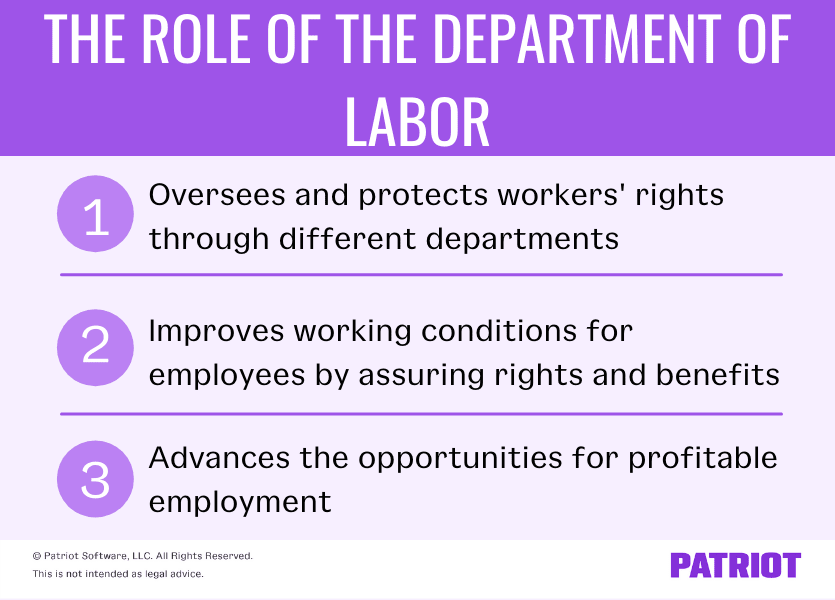
At its heart, a significant portion of the Department of Labor’s mission revolves around ensuring the financial security and equitable treatment of the American workforce. These efforts directly translate into real monetary benefits and protections for individuals.
Ensuring Fair Wages and Hours
The DOL is the primary enforcer of federal wage and hour laws, most notably the Fair Labor Standards Act (FLSA). This foundational legislation establishes the federal minimum wage, dictates overtime pay requirements for non-exempt employees, and sets standards for youth employment. For individual workers, these regulations directly determine their take-home pay, influencing their budgeting, savings, and overall purchasing power. Without the DOL’s oversight, employers could suppress wages, forcing individuals into financial precarity. Furthermore, the DOL actively investigates and recovers unpaid wages, including minimum wage violations, overtime theft, and unlawful deductions, directly putting money back into workers’ pockets and restoring their rightful earnings. This enforcement acts as a critical bulwark against illicit practices that would otherwise erode personal income and exacerbate economic inequality.
Safeguarding Retirement and Health Benefits
The Employee Retirement Income Security Act (ERISA) is another cornerstone of the DOL’s financial protection efforts. Administered by the Employee Benefits Security Administration (EBSA), ERISA sets comprehensive standards for private-sector retirement plans (like 401(k)s and pensions) and health plans. It mandates transparency, requires fiduciaries to act in the best interest of plan participants, and establishes safeguards against mismanagement and abuse. For millions of Americans, their retirement savings and healthcare access are crucial components of their long-term financial planning. The DOL’s oversight of ERISA protects these vital assets, ensuring that contributions are properly invested, benefits are paid as promised, and individuals are not defrauded, thereby preserving their future financial security and mitigating the catastrophic costs associated with inadequate healthcare coverage or lost retirement funds.
Promoting Workplace Safety and Health
While often perceived as a health issue, occupational safety and health standards administered by the Occupational Safety and Health Administration (OSHA) have profound financial implications. A safe workplace reduces the incidence of injuries, illnesses, and fatalities, which in turn significantly lowers medical expenses for workers, minimizes lost wages due to disability, and prevents the devastating financial burden that can accompany serious workplace incidents. For workers and their families, a safe environment means less financial stress from unexpected medical bills or income loss. The DOL’s proactive enforcement and guidance save workers and the healthcare system billions annually by preventing accidents before they happen, directly contributing to the financial resilience of individuals and the broader economy.
Combating Wage Theft and Discrimination
The DOL actively combats various forms of wage theft and employment discrimination, both of which have direct and severe financial consequences for affected individuals. Wage theft, which includes non-payment of minimum wage or overtime, illegal deductions, and misclassification of employees, robs workers of earned income, impacting their ability to meet daily expenses and save for the future. Similarly, discrimination based on race, gender, age, or other protected characteristics can lead to lower wages, denial of promotions, or job loss, all of which directly diminish an individual’s earning potential and financial advancement. Through its enforcement actions and recovery of back wages and damages, the DOL acts as a financial advocate, restoring stolen income and fighting practices that perpetuate economic injustice.
Fostering a Healthy Economic Environment for Businesses
Beyond individual workers, the Department of Labor plays a pivotal role in shaping the financial landscape for businesses, influencing operational costs, legal liabilities, productivity, and market competitiveness.
Setting the Foundation for Fair Competition
The DOL’s establishment and enforcement of labor standards create a level playing field for businesses. By ensuring all employers adhere to minimum wage, overtime, safety, and non-discrimination laws, the DOL prevents businesses from gaining an unfair competitive advantage by exploiting their workforce through substandard wages or unsafe conditions. This fairness in labor costs promotes healthy competition, encourages innovation rather than exploitation, and ensures that market success is driven by efficiency, quality, and consumer value rather than by a race to the bottom in labor practices. This financial stability benefits responsible businesses and the overall economic ecosystem.
Guiding Compliance and Risk Mitigation
For businesses, understanding and complying with complex labor laws is paramount to financial stability. The DOL provides extensive resources, guidance, and training to help employers navigate federal regulations, from proper record-keeping for wages and hours to understanding benefit plan requirements. Proactive compliance is a powerful financial risk mitigation strategy. Non-compliance can lead to severe financial penalties, including hefty fines, back-wage payments, legal fees, and costly litigation. The DOL’s role in educating businesses helps them avoid these significant financial liabilities, safeguarding their bottom line and allowing them to allocate resources towards growth and innovation rather than legal defense.
Supporting Workforce Development and Productivity
A skilled, stable, and motivated workforce is a critical asset for any business, directly impacting productivity and profitability. The DOL supports workforce development through various programs, including grants for job training, apprenticeship initiatives, and career services. These efforts ensure that businesses have access to a qualified talent pool, reducing recruitment costs and improving operational efficiency. Furthermore, policies that promote worker safety and fair treatment contribute to higher morale and lower employee turnover, which has substantial financial benefits for businesses in terms of reduced training costs and increased productivity. By investing in the human capital of the nation, the DOL indirectly boosts the financial health and competitiveness of American businesses.
Providing Economic Data and Insights
The Bureau of Labor Statistics (BLS), an agency within the DOL, is the principal federal agency responsible for measuring labor market activity, working conditions, and price changes in the economy. The BLS produces vital economic data, including employment statistics, wage trends, inflation rates (Consumer Price Index), and productivity figures. This information is a cornerstone for business finance and strategic planning. Companies use BLS data to make informed decisions about hiring, compensation structures, investment in new markets, and pricing strategies. Financial analysts and investors rely on this data to assess economic health, predict market trends, and make investment recommendations. Without the DOL’s comprehensive data, financial markets and business decisions would operate in a fog, leading to greater risk and inefficiency.
Managing Unemployment and Supporting Economic Transitions
The DOL plays a crucial role in providing a financial safety net during periods of unemployment and facilitating workers’ transitions in a dynamic economy, directly impacting personal and macroeconomic stability.
Administering Unemployment Insurance
One of the most immediate financial supports provided by the DOL is its oversight of the federal-state unemployment insurance (UI) program. While states administer the benefits, the DOL provides guidance and funding. UI provides temporary financial assistance to eligible workers who have lost their jobs through no fault of their own. From a personal finance perspective, UI benefits are a vital lifeline, helping individuals meet essential expenses like housing, food, and utilities during job searches, preventing immediate financial crisis and potential homelessness. From a macroeconomic standpoint, UI acts as an “automatic stabilizer,” injecting purchasing power into the economy during downturns, thereby mitigating the severity of recessions and supporting aggregate demand.
Facilitating Reemployment Services
Beyond simply providing cash benefits, the DOL supports comprehensive reemployment services through its Employment and Training Administration (ETA). These services, often delivered through local American Job Centers, include career counseling, job search assistance, resume workshops, and skills training programs. The financial benefit here is two-fold: for individuals, these services expedite their return to gainful employment, reducing their reliance on unemployment benefits and restoring their earning capacity. For the economy, efficiently matching job seekers with available positions reduces long-term unemployment, maximizes the workforce’s productive potential, and lessens the financial burden on state and federal assistance programs.
Adapting to Economic Shifts
The global economy is in constant flux, driven by technological advancements, trade agreements, and environmental changes. The DOL helps workers and businesses financially adapt to these shifts. For instance, programs like Trade Adjustment Assistance (TAA) provide financial and training support to workers who lose their jobs due to increased imports or shifts in production overseas, cushioning the financial blow and equipping them for new industries. By anticipating and responding to economic transitions, the DOL ensures that the workforce remains agile and financially resilient, minimizing large-scale job displacement and its associated social and economic costs.
The Financial Imperative of Compliance and Engagement
The Department of Labor’s functions underscore a clear financial imperative for both employers and employees: understanding and engaging with its mandate is not just good practice, but a critical component of sound financial management.
Costs of Non-Compliance
For businesses, the financial consequences of non-compliance with DOL regulations can be severe and far-reaching. Violations can lead to substantial fines, back-pay awards, liquidated damages, and significant legal fees. Beyond direct monetary penalties, non-compliance can result in costly operational disruptions, negative publicity that damages brand reputation and consumer trust (potentially impacting sales and stock prices), and even criminal charges in egregious cases. Proactive investment in compliance infrastructure, legal counsel, and employee training is a comparatively small cost to avert these potentially catastrophic financial outcomes.
Benefits of Proactive Engagement
Conversely, businesses that proactively engage with DOL guidance and foster a culture of compliance often reap significant financial benefits. Adhering to labor laws leads to higher employee morale, reduced turnover rates (saving on recruitment and training costs), increased productivity, and a more positive public image. A strong commitment to worker well-being can attract top talent and enhance brand value, ultimately contributing to long-term financial success and sustainability. For employees, understanding their rights and the DOL’s role empowers them to advocate for fair treatment and protects their financial interests, from ensuring proper wage payments to safeguarding their retirement savings.
Empowering Financial Literacy and Advocacy
The DOL’s existence and functions implicitly promote financial literacy among the workforce. By outlining rights related to wages, benefits, and safety, the DOL provides individuals with the knowledge to protect their earnings and secure their financial future. Knowing how to report wage theft, understand benefit statements, or access unemployment services empowers individuals to take control of their financial destiny and advocate for themselves when their rights are violated. This knowledge is an invaluable asset in personal financial planning and crisis management.

Conclusion
The Department of Labor is undeniably a central player in the financial architecture of the United States. Its pervasive influence extends from the hourly wage of a part-time employee to the intricate financial planning of multinational corporations. Through its diverse agencies and mandates, the DOL ensures fair compensation, protects vital financial assets like retirement and health benefits, fosters safe and productive work environments, provides critical economic data, and acts as a financial safety net during economic dislocations.
Understanding “what the Department of Labor does” is, at its core, understanding a significant dimension of the nation’s financial health. Its work is not merely bureaucratic; it is instrumental in fostering a stable, equitable, and prosperous economy where individuals can achieve financial security, and businesses can thrive responsibly. For anyone concerned with personal finance, business viability, or the broader economic landscape, the DOL’s functions are not just relevant—they are absolutely essential.
aViewFromTheCave is a participant in the Amazon Services LLC Associates Program, an affiliate advertising program designed to provide a means for sites to earn advertising fees by advertising and linking to Amazon.com. Amazon, the Amazon logo, AmazonSupply, and the AmazonSupply logo are trademarks of Amazon.com, Inc. or its affiliates. As an Amazon Associate we earn affiliate commissions from qualifying purchases.