
In the intricate tapestry of communication, words are merely threads. It is the “tone” that dictates the color, texture, and overall feel of the fabric, profoundly influencing how a message is received and interpreted. For brands, understanding and mastering tone is not merely a linguistic nicety; it is a strategic imperative that shapes identity, fosters connection, and ultimately drives commercial success. It’s the silent language of your brand, whispering its personality, values, and intentions across every touchpoint, from a social media post to a formal press release.
The Essence of Tone: Beyond Words, It’s Attitude
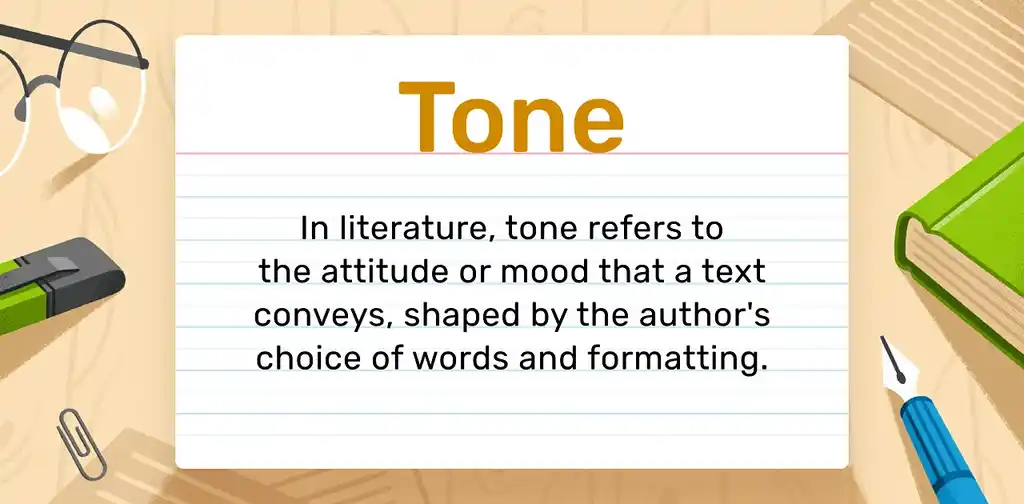
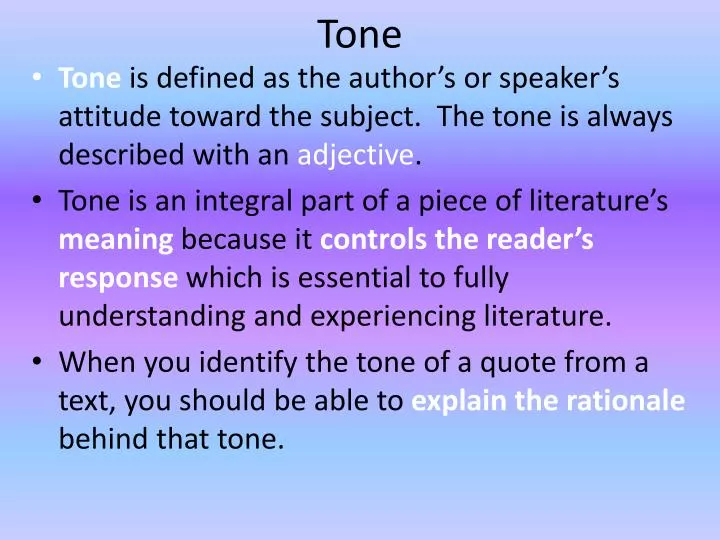
At its core, tone refers to the attitude or feeling conveyed by a piece of writing or speech. It’s the emotional inflection that colors your words, dictating how your audience perceives what you’re saying. In the realm of branding, this concept transcends simple grammar; it becomes a deliberate choice that underpins every facet of a brand’s interaction with the world.
Linguistic vs. Brand Tone
The linguistic definition of tone typically focuses on the author’s or speaker’s attitude towards the subject matter or the audience. It can be serious, playful, sarcastic, formal, informal, encouraging, or critical. In the context of branding, this definition expands dramatically. Brand tone isn’t just about what you say, but how you say it consistently across all channels and communications. It’s about establishing a recognizable emotional signature for your brand. While an individual might adjust their tone casually based on the immediate context, a brand must approach this with strategic foresight. It’s the difference between a spontaneous utterance and a carefully crafted message designed to evoke specific feelings and reinforce brand values. A brand’s tone is a reflection of its persona, guiding customer perception and experience long after the specific words have been forgotten.
How Tone Shapes Perception
Consider two brands selling identical products. One communicates with an authoritative, no-nonsense tone, emphasizing reliability and technical superiority. The other employs a friendly, encouraging tone, focusing on ease of use and community support. The products may be the same, but the brand experiences are vastly different. Tone acts as a powerful lens through which audiences interpret a brand’s messages, influencing whether they perceive it as trustworthy, innovative, approachable, sophisticated, or playful. It shapes emotional responses, building either affinity or distance. A well-executed tone can build immediate rapport, make a brand memorable, and even create a sense of belonging among its target audience. Conversely, an inconsistent or inappropriate tone can alienate, confuse, or even offend, leading to a negative perception and damaging brand equity. It’s the subtle cue that tells customers not just what you offer, but what you stand for and how you relate to them.
Differentiating Voice from Tone
One of the most common confusions in brand communication is the distinction between “voice” and “tone.” While often used interchangeably, they represent distinct but related concepts, both crucial for a cohesive brand identity:
-
Brand Voice: This is your brand’s consistent personality. It’s the fixed, unchanging character of your brand. Think of it as “who you are.” For instance, a brand’s voice might be inherently “witty and irreverent” or “authoritative and trustworthy.” This personality remains constant across all content, regardless of the situation or platform. It’s the core essence, like a person’s fundamental personality traits.
-
Brand Tone: This is the emotional inflection or attitude applied to your brand’s voice in specific contexts. It’s “how you sound” in a particular situation. While your voice is consistent, your tone can and should adapt. If your brand’s voice is witty, your tone might be playfully witty in a social media post, but respectfully witty in a customer service response about a sensitive issue. Just as a person maintains their core personality but adjusts their mood (or tone) depending on the situation, a brand’s tone shifts to suit the message, audience, and channel, while always staying true to its overarching voice. Understanding this distinction is vital for maintaining brand consistency while allowing for necessary flexibility in communication.
Why Tone Matters for Brand Strategy
Tone is not a superficial layer of branding; it is woven into the very fabric of effective brand strategy. Its impact resonates across multiple dimensions, from shaping identity to driving business outcomes.
Building Brand Identity and Recognition
A consistent and well-defined tone is a cornerstone of strong brand identity. Just as a unique visual identity makes a brand instantly recognizable, a distinctive tone of voice makes its communications stand out. It transforms abstract ideas into tangible character traits that audiences can connect with. When every piece of content – from a website headline to an email newsletter – speaks with the same characteristic attitude, it reinforces the brand’s unique persona. This consistency builds familiarity and trust, making the brand memorable and distinguishable in a crowded marketplace. It helps to tell the brand’s story in a way that resonates, carving out a specific niche in the minds of consumers.
Fostering Connection and Trust
The right tone can bridge the gap between a brand and its audience, fostering deep connections rooted in shared values and emotional resonance. An empathetic tone, for instance, can convey understanding and support, building trust during challenging times. A transparent and direct tone can establish credibility and honesty. By speaking in a way that genuinely resonates with its target audience, a brand can cultivate a sense of community and loyalty. Conversely, a tone that is perceived as condescending, overly corporate, or inauthentic can quickly erode trust and alienate potential customers, making it difficult to establish any meaningful relationship. Brands that master this emotional connection often transcend mere transactional relationships, creating lasting advocacy.
Enhancing Marketing and Communication Effectiveness
In the competitive landscape of modern marketing, effective communication is paramount. Tone plays a critical role in determining the efficacy of marketing messages across all channels. A playful tone might be perfect for a viral social media campaign aimed at a younger demographic, driving engagement and shares. An authoritative and insightful tone, on the other hand, would be more suitable for a thought-leadership article targeting industry professionals, establishing expertise and credibility. By tailoring the tone to the specific goal, platform, and audience of a marketing message, brands can significantly enhance its impact. It ensures that the message not only reaches the audience but also resonates with them on an emotional and intellectual level, driving conversions, fostering leads, and strengthening customer relationships.
Internal Branding and Culture
The influence of tone extends beyond external communications; it is equally vital for internal branding and fostering a robust company culture. How a company communicates internally – through memos, town halls, or team meetings – reflects its values and shapes the employee experience. A transparent and supportive internal tone can boost morale, encourage collaboration, and cultivate a sense of belonging among employees. When employees feel connected to the company’s voice and values, they become more engaged and effective brand ambassadors. This internal consistency ensures that the brand’s promised external tone is mirrored by its internal reality, creating an authentic and coherent brand experience both inside and out. It reinforces that the brand lives its values, not just articulates them.
Crafting Your Brand’s Tone: A Strategic Approach
Defining and implementing a brand’s tone is a deliberate, strategic process that requires thoughtful planning and consistent execution. It’s not about guessing; it’s about informed decisions.
Defining Your Brand Persona
The first step in crafting your brand’s tone is to clearly define its persona – the human-like characteristics that represent your brand. This involves asking several critical questions:
-
Core Values: What does your brand stand for? Is it innovation, reliability, community, luxury, accessibility? These values will naturally inform your tone.
-
Ideal Audience: Who are you speaking to? What are their demographics, psychographics, aspirations, and pain points? What kind of language and attitude resonates with them? Understanding your audience is key to speaking their language.
-
Desired Emotions: What feelings do you want to evoke in your audience? Trust, excitement, comfort, empowerment?
-
Competitive Landscape: How do your competitors communicate? What tone do they adopt? How can your brand differentiate itself while remaining authentic? This analysis can help identify gaps and opportunities for a unique voice.
By establishing these foundational elements, you can begin to sketch out the attributes that will define your brand’s unique vocal signature.

Developing Tone of Voice Guidelines
Once your brand persona is defined, the next crucial step is to translate it into actionable tone of voice guidelines. This documentation is essential for maintaining consistency across all communicators within the organization. These guidelines should include:
-
Key Descriptors: List 3-5 core adjectives that describe your brand’s voice (e.g., authoritative, witty, empathetic, direct, inspiring).
-
“Do’s and Don’ts”: Provide concrete examples of what your tone sounds like and what it explicitly does not sound like. For instance, if your tone is “witty,” clarify whether that means sarcastic or clever and lighthearted.
-
Examples: Include actual snippets of content (e.g., social media posts, email subject lines, customer service responses) that exemplify the desired tone, as well as examples of off-tone communication.
-
Glossary/Lexicon: Define specific terms or phrases that are characteristic of your brand’s language, and note any words or jargon to avoid.
-
Application Scenarios: Provide guidance on how the tone might subtly shift based on different contexts (e.g., website copy vs. a crisis communication statement).
These guidelines serve as a practical handbook, empowering everyone from marketing managers to customer service representatives to embody the brand’s tone effectively.
Implementing and Maintaining Consistency
Developing guidelines is only half the battle; consistent implementation is where true brand strength is built. This requires a multifaceted approach:
-
Training and Onboarding: Integrate tone of voice training into onboarding for new employees and conduct regular workshops for existing teams, especially those in customer-facing roles or content creation.
-
Content Audits and Review: Regularly audit existing content and implement a review process for all new communications to ensure adherence to the tone guidelines. This might involve a dedicated brand guardian or a peer review system.
-
Tools and Templates: Utilize templates for emails, social media posts, and other common communications, pre-infused with the brand’s tone. Content management systems can also be configured to help maintain consistency.
-
Adaptation, Not Abandonment: While consistency is key, brands must also understand when and how to subtly adapt their tone for different channels and audiences without abandoning their core voice. A brand’s tone on TikTok might be more informal and trend-aware than its tone in an investor report, but both must still emanate from the same core brand personality. Maintaining this balance ensures adaptability without dilution of identity.
Common Tone Descriptors and Their Impact
Understanding the spectrum of tone descriptors helps in deliberately shaping brand communication. Each choice carries specific connotations and influences perception.
Formal vs. Informal
-
Formal Tone: Conveys seriousness, professionalism, authority, and often distance. It’s characterized by proper grammar, complete sentences, sophisticated vocabulary, and a respectful, deferential approach. Often used in legal documents, academic papers, corporate reports, or communications requiring a high degree of gravity.
-
Informal Tone: Conveys approachability, friendliness, relatability, and often a conversational style. It might include contractions, colloquialisms, shorter sentences, and a more direct, personal address. Ideal for social media, casual blog posts, engaging email newsletters, or brands aiming for a “buddy” persona.
Enthusiastic vs. Objective
-
Enthusiastic Tone: Expresses excitement, passion, encouragement, and a positive outlook. It often uses exclamation marks, emotive language, and an energetic rhythm. Effective for marketing launches, inspirational content, or brands that want to convey optimism and drive.
-
Objective Tone: Focuses on facts, impartiality, and an unbiased perspective. It prioritizes clarity, precision, and logical reasoning, avoiding personal opinions or strong emotional language. Crucial for news reporting, scientific journals, data analysis, or brands seeking to establish themselves as reliable sources of information.
Humorous vs. Serious
-
Humorous Tone: Aims to entertain, amuse, and create a lighthearted atmosphere. It can employ wit, irony, satire, or self-deprecation. Highly effective for engaging audiences and making content memorable, but requires a deep understanding of the audience to avoid offense. Often seen in viral marketing campaigns or brands targeting younger demographics.
-
Serious Tone: Conveys gravity, respect, sincerity, and solemnity. It avoids jokes or frivolous language, focusing instead on the significant aspects of a topic. Essential for crisis communications, discussing sensitive topics, or brands in fields like healthcare or finance where trust and responsibility are paramount.
Empathetic vs. Direct
-
Empathetic Tone: Demonstrates understanding, compassion, and sensitivity towards the audience’s feelings or situation. It often uses reassuring language, acknowledges difficulties, and aims to provide support. Invaluable for customer service, community building, or brands dealing with personal or challenging issues.
-
Direct Tone: Characterized by clarity, conciseness, and a straightforward approach. It gets straight to the point without preamble or unnecessary elaboration. Useful for instructions, calls to action, urgent announcements, or brands that value efficiency and transparency above all else.
Other Key Descriptors
Brands can also adopt tones that are inspiring, respectful, witty, knowledgeable, nurturing, innovative, or sophisticated, among others. The specific blend of these attributes will define the brand’s unique tonal fingerprint, guiding every piece of communication to resonate with its intended audience and reinforce its overall identity.
The Evolving Nature of Tone in the Digital Age
The digital landscape has dramatically altered the ways brands communicate, making the careful calibration of tone more critical and complex than ever before.
Adapting Tone for Diverse Digital Platforms
Each digital platform comes with its own culture, audience expectations, and communication norms, requiring brands to be agile in their tonal application. What works on LinkedIn (professional, informative) may fall flat on TikTok (playful, trend-driven). Short-form platforms like Twitter demand conciseness and often a more immediate, reactive tone, while a long-form blog post allows for deeper exploration and a more reflective, insightful tone. The inclusion of emojis, memes, and even visual language (like infographics or video styles) now plays a significant role in conveying tone, adding layers of non-verbal cues that must align with the brand’s overall voice. Brands must master this nuanced adaptation to effectively engage across their digital ecosystem.
Personalization and Authenticity
Modern audiences increasingly demand authenticity and personalization from brands. Generic, one-size-fits-all communication is no longer sufficient. Brands must use data to tailor their tone to individual customer segments, reflecting their preferences, purchase history, and even their stage in the customer journey. Hyper-personalization, often enabled by AI and marketing automation, allows brands to deliver messages with a tone that feels genuinely crafted for the recipient, fostering a deeper sense of connection and relevance. This shift towards authenticity means brands are rewarded for being genuine and relatable, even if that means admitting imperfections or showing a more human side.
Crisis Communication and Tone
Perhaps nowhere is tone more critical than in crisis communication. During a PR crisis, the brand’s tone can either mitigate damage and rebuild trust or exacerbate the situation. A tone that is empathetic, transparent, and takes immediate responsibility can demonstrate genuine concern and a commitment to resolution. Conversely, a defensive, dismissive, or overly corporate tone can alienate stakeholders, fuel public outrage, and inflict irreparable harm on the brand’s reputation. The speed and sincerity of communication, heavily influenced by tone, become paramount in these high-stakes scenarios. Brands must be prepared not only with pre-approved statements but also with a clear understanding of the appropriate emotional tenor for every communication during a crisis.
Conclusion
The definition of tone, particularly within the context of branding, extends far beyond a simple linguistic concept. It is a powerful, strategic instrument that shapes how a brand is perceived, understood, and ultimately loved by its audience. By meticulously defining its voice, consciously adapting its tone, and consistently applying these principles across all touchpoints, a brand can forge deep connections, build unwavering trust, and differentiate itself in a crowded marketplace. Investing in understanding and nurturing your brand’s tone isn’t merely an exercise in good communication; it is an investment in your brand’s identity, its relationships, and its long-term success. It’s the art of speaking in a way that resonates, ensuring your brand’s message is not just heard, but felt and remembered.
aViewFromTheCave is a participant in the Amazon Services LLC Associates Program, an affiliate advertising program designed to provide a means for sites to earn advertising fees by advertising and linking to Amazon.com. Amazon, the Amazon logo, AmazonSupply, and the AmazonSupply logo are trademarks of Amazon.com, Inc. or its affiliates. As an Amazon Associate we earn affiliate commissions from qualifying purchases.