
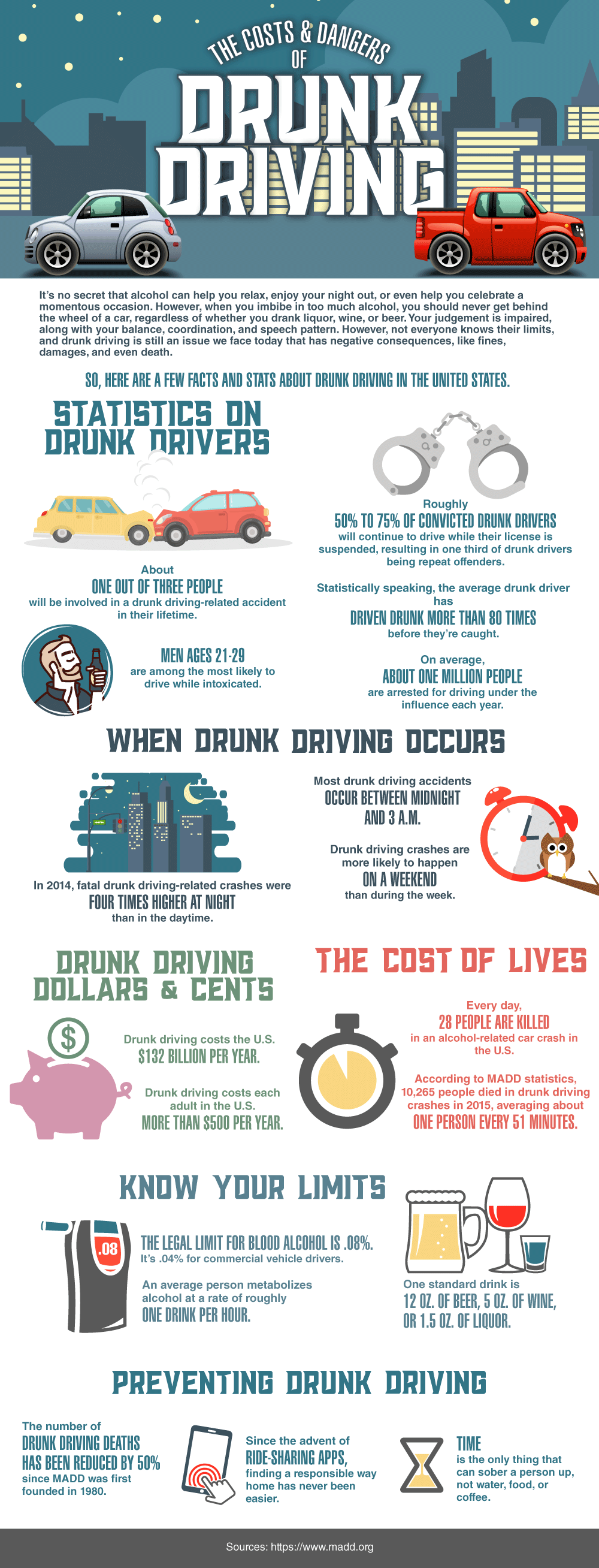
Driving under the influence (DUI), often referred to as driving while intoxicated (DWI), is more than just a legal infraction; it’s a catastrophic financial event with immediate and long-lasting repercussions that can devastate an individual’s personal finances. While the emotional and social costs are immeasurable, the monetary penalties associated with a DUI conviction are stark, complex, and often underestimated. From steep fines and legal fees to soaring insurance premiums, mandatory education programs, and potential job loss, understanding the full financial charge for driving under the influence is crucial for anyone navigating the aftermath of such an incident—or, ideally, for anyone seeking to prevent it entirely. This article delves into the multi-faceted financial burden a DUI imposes, illustrating why avoiding impaired driving is not just a matter of safety and legality, but also sound financial prudence.

The Immediate Financial Burden: Fines and Legal Fees
The moment an individual is charged with a DUI, a cascade of financial obligations begins. These initial costs are often the most visible and include court-imposed fines, administrative fees, and the indispensable expense of legal representation.
Understanding DUI Fines and Penalties
DUI fines vary significantly based on jurisdiction, the severity of the offense (e.g., blood alcohol content, presence of minors in the vehicle, accident involvement), and whether it’s a first-time or repeat offense. While a first-time misdemeanor DUI might carry a base fine ranging from a few hundred to several thousand dollars, these figures are just the tip of the iceberg. Many states add surcharges, penalty assessments, and fees for specific programs, which can multiply the initial fine significantly. For instance, a “base” fine of $500 could easily balloon into thousands of dollars once all state-mandated add-ons are included. Repeat offenses can see these fines escalate exponentially, often reaching five-figure sums, alongside potential felony charges and much longer jail sentences, which bring their own set of financial complications related to lost income and legal costs. These fines are typically non-negotiable once imposed by the court and must be paid within a specified timeframe, often with interest if payment plans are utilized.
The Cost of Legal Representation
Facing a DUI charge without legal counsel is akin to navigating a complex maze blindfolded. The legal system surrounding impaired driving offenses is intricate, with specific procedures, evidence rules, and potential defenses that only an experienced attorney can effectively navigate. However, this expertise comes at a price. DUI attorneys often charge significant fees, which can range from $2,000 for relatively straightforward cases to $10,000 or even upwards of $20,000 for more complex scenarios, such as those involving accidents, injuries, or prior convictions. These costs typically cover investigation, court appearances, negotiations with prosecutors, and, if necessary, trial representation. While public defenders are available for those who qualify financially, their caseloads are often immense, and their resources limited compared to private counsel. Investing in a competent DUI attorney can, paradoxically, be a cost-saving measure in the long run, potentially leading to reduced charges, mitigated penalties, or even dismissal of the case, thereby avoiding many of the subsequent financial hardships.
Administrative Fees and Court Costs
Beyond the core fines and legal fees, there’s a myriad of administrative fees and court costs that accrue throughout the legal process. These include filing fees, processing fees, fees for toxicology reports, jury fees (if applicable), and court surcharges. Additionally, many states impose separate administrative fees for the Department of Motor Vehicles (DMV) or equivalent agency to process the suspension or revocation of one’s driver’s license. These fees, while often individually modest, can collectively add several hundred to over a thousand dollars to the overall financial burden. Each step in the legal and administrative process seems to come with its own associated cost, creating a hidden layer of expenses that can surprise individuals unprepared for the cumulative total.
Long-Term Financial Repercussions: Insurance, Employment, and Lifestyle
The financial impact of a DUI extends far beyond the courtroom, profoundly affecting an individual’s personal finances for years to come. Some of the most significant long-term costs stem from increased insurance premiums, potential employment setbacks, and the expenses associated with license reinstatement.
Skyrocketing Auto Insurance Premiums
One of the most immediate and significant long-term financial penalties of a DUI conviction is the dramatic increase in auto insurance premiums. Insurers view individuals with a DUI on their record as high-risk drivers, leading to substantially higher rates. A DUI conviction can cause premiums to double, triple, or even quadruple, potentially adding thousands of dollars per year to an individual’s ongoing expenses for a period of three to ten years, depending on the state and insurance provider. In some cases, insurers may even drop coverage altogether, forcing the individual to seek out high-risk insurance companies, often referred to as “substandard” or “non-standard” carriers, whose rates are exceptionally punitive. This financial strain is relentless and can continue for a decade, making basic vehicle ownership a far more expensive endeavor.
Impact on Employment and Earning Potential
A DUI conviction can cast a long shadow over an individual’s professional life and earning potential. For those whose jobs require driving (e.g., truck drivers, delivery personnel, sales representatives), a suspended or revoked license means an immediate inability to perform job duties, often leading to termination. Even for roles not directly reliant on driving, many employers conduct background checks, and a DUI conviction can be a significant red flag, hindering future employment opportunities or promotions. Certain licensed professions (e.g., doctors, lawyers, nurses, teachers) may face disciplinary action from their respective licensing boards, potentially jeopardizing their careers. The loss of income due to unemployment, underemployment, or career stagnation represents one of the most substantial and enduring financial costs of a DUI, potentially amounting to tens or even hundreds of thousands of dollars over a lifetime.
The Cost of License Reinstatement and SR-22 Insurance
Regaining driving privileges after a DUI suspension or revocation is a process laden with fees. Individuals are typically required to pay a license reinstatement fee to their state’s DMV, which can range from tens to several hundred dollars. More significantly, most states mandate that individuals convicted of a DUI obtain an SR-22 certificate—a form that proves financial responsibility (i.e., that they have adequate auto insurance coverage). While SR-22 itself is not an insurance policy, it is issued by an insurance company and serves as a rider to a regular policy. The requirement to carry SR-22 insurance almost always accompanies an increased premium, as it signals to insurers that the policyholder is considered a high-risk driver. The SR-22 requirement can last for several years, ensuring that the elevated insurance costs persist for an extended period, even after the initial suspension period concludes.
Mandatory Programs and Ancillary Expenses
Beyond the direct legal and insurance costs, a DUI conviction often mandates participation in various programs designed to educate offenders and prevent recidivism. These programs, while beneficial in their intent, represent another significant financial outlay.
Alcohol Education and Treatment Programs
Most jurisdictions require individuals convicted of a DUI to attend state-approved alcohol and drug education or treatment programs. The duration and intensity of these programs vary depending on the nature of the offense and prior convictions, ranging from short 12-hour courses to intensive, year-long outpatient treatment. The cost for these programs can range from a few hundred dollars for basic education courses to several thousand for more extensive treatment plans. These fees are typically the responsibility of the offender and are a prerequisite for license reinstatement. Failure to complete these programs can result in further legal penalties, including extended license suspension or even jail time, thereby escalating the overall financial and personal toll.
Ignition Interlock Devices (IIDs)
In many states, especially for repeat offenders or those with high BAC levels, an ignition interlock device (IID) is a mandatory requirement for a period of time (e.g., six months to several years) before full driving privileges can be restored. An IID is a breathalyzer installed in a vehicle that prevents the engine from starting if alcohol is detected on the driver’s breath. The financial burden of an IID includes installation fees (typically $75-$150), monthly monitoring fees (ranging from $50-$150), and removal fees (approximately $50-$100). Over the course of a year, an IID can add $1,000 to $2,000 in expenses, representing a significant ongoing cost for the duration it’s required. This is an unavoidable expense for many DUI offenders who wish to regain some form of driving privilege.
Victim Impact Panels and Community Service
While less financially burdensome than other mandates, participation in Victim Impact Panels (VIPs) and completion of community service hours are common requirements. VIPs involve attending sessions where victims of impaired driving share their stories, aimed at demonstrating the human cost of DUIs. There is usually a small attendance fee for VIPs, typically $25-$50. Community service, while not a direct monetary cost, represents an opportunity cost. Time spent performing unpaid labor is time that could have been spent working, earning income, or pursuing other productive activities. For individuals with demanding jobs or hourly wages, the inability to earn income during community service hours can lead to indirect financial losses.
Hidden Costs and Economic Ripple Effects
Beyond the direct and mandated expenses, a DUI conviction can trigger a range of less obvious but equally impactful financial costs, creating a ripple effect through an individual’s economic stability and overall quality of life.
Opportunity Costs and Lost Wages
The time commitment involved in a DUI case is substantial. Attending court dates, meeting with attorneys, completing mandated programs, and serving any jail time (even short sentences) all take away from an individual’s ability to work. For hourly wage earners, this translates directly to lost income. For salaried professionals, it can mean using up valuable paid time off, potentially impacting future vacation plans or sick leave. Moreover, the psychological stress and logistical challenges of navigating a DUI can reduce productivity at work, potentially impacting performance reviews, bonuses, or promotion opportunities. These opportunity costs are difficult to quantify precisely but can accumulate into significant financial losses over time.
Public Transportation and Alternative Commuting
With a suspended or revoked license, the ability to drive independently is lost, at least temporarily. This necessitates reliance on alternative transportation methods, which carry their own costs. Public transportation (buses, subways, trains) can be an option in urban areas but still incurs monthly or per-ride fees. Taxis, ride-sharing services (Uber, Lyft), and carpooling become common, but these options can quickly become expensive, especially for daily commutes or frequent travel. The cumulative cost of alternative transportation over months or years can easily amount to thousands of dollars, far exceeding the typical cost of gasoline and vehicle maintenance. This reliance also represents a significant loss of personal freedom and convenience, further impacting quality of life.
Psychological and Emotional Toll (and its financial implications)
While not a direct monetary “charge,” the psychological and emotional toll of a DUI conviction can have profound financial implications. The stress, anxiety, guilt, and potential depression associated with a DUI can impact mental and physical health, sometimes leading to the need for therapy or counseling, which carries its own financial cost. Additionally, these emotional burdens can impair decision-making, reduce motivation, and affect job performance, indirectly impacting earning potential and financial stability. The stigma of a DUI can also strain personal relationships, potentially leading to additional unforeseen financial strains if support networks diminish.
Strategies to Mitigate Financial Damage (and Avoid Future Incidents)
Given the extensive financial fallout from a DUI, it’s clear that proactive measures and informed responses are critical. While completely avoiding costs once charged is impossible, strategies exist to mitigate the financial damage and, more importantly, prevent future incidents.
Early Legal Consultation
Upon being charged with a DUI, the most financially prudent first step is to seek legal counsel immediately. As previously discussed, an experienced DUI attorney can significantly impact the outcome of the case, potentially reducing charges or penalties, which directly translates to lower fines, fewer mandated programs, and a shorter period of increased insurance premiums. While legal fees are an upfront cost, the long-term savings from a more favorable outcome can far outweigh this initial investment. Delaying legal consultation or attempting to navigate the system alone often results in the harshest penalties and, consequently, the greatest financial burden.
Exploring Financial Assistance Options
For individuals facing severe financial hardship due to a DUI, exploring payment plans for fines, legal fees, and program costs is essential. Many courts offer installment plans for fines, and some legal aid services might be available for those who qualify. Additionally, some alcohol education or treatment programs may offer sliding scale fees based on income. While these options don’t eliminate the costs, they can make them more manageable over time, preventing immediate financial collapse or further legal trouble for non-payment. However, it’s crucial to understand that these are generally not waivers, but rather structured payment solutions.
The Priceless Value of Prevention
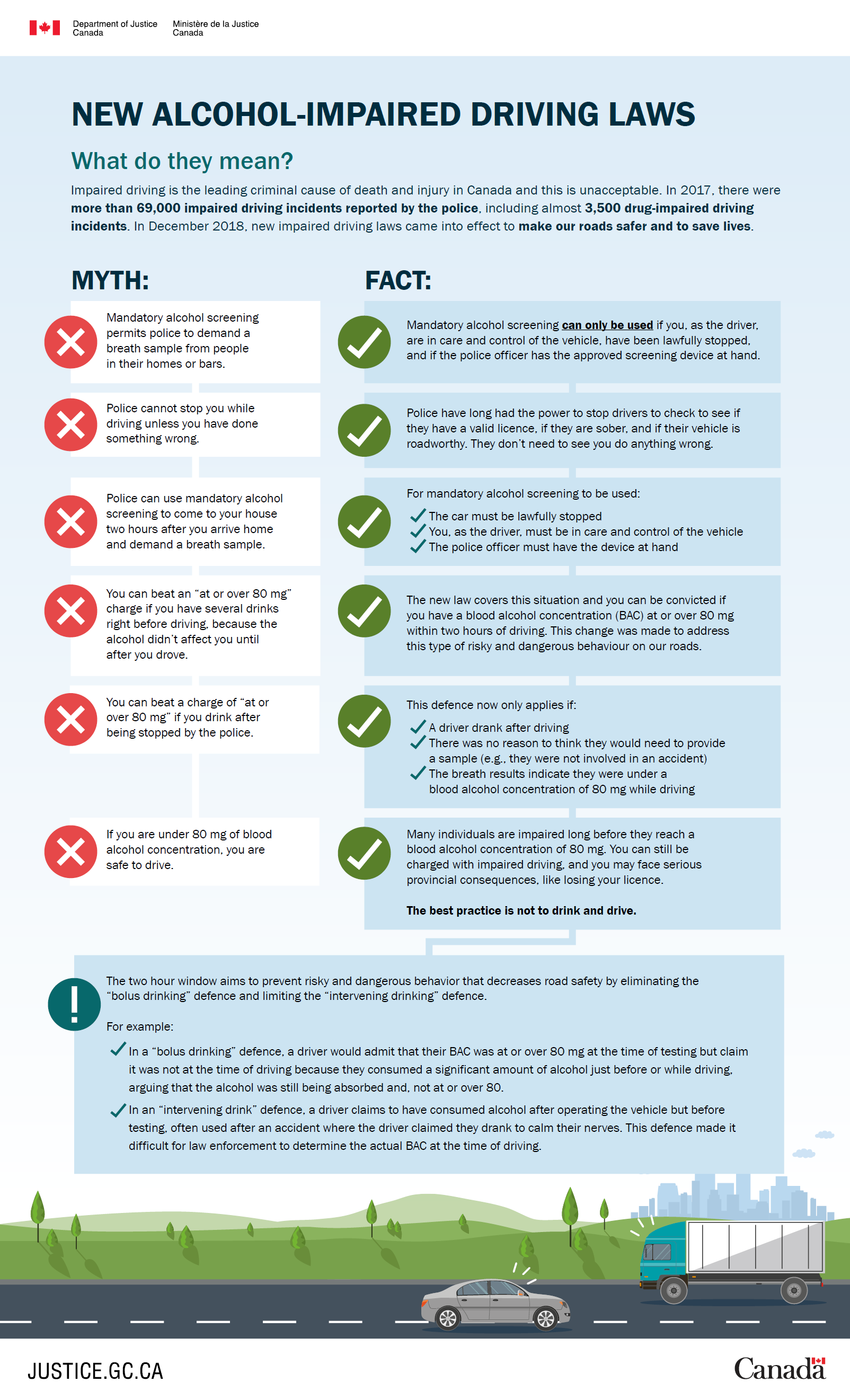
Ultimately, the most effective and financially sound strategy is prevention. The “charge” for driving under the influence extends far beyond the monetary penalties; it encompasses personal liberty, professional standing, and long-term financial stability. Avoiding impaired driving altogether by planning for a designated driver, utilizing ride-sharing services, or simply staying home if alcohol or impairing substances are consumed, is the only sure way to circumvent the devastating financial and personal consequences of a DUI. The cost of a taxi or ride-share is negligible compared to the thousands, or even tens of thousands, of dollars a DUI conviction will inevitably command. The priceless value of maintaining a clean driving record, preserving one’s financial health, and ensuring public safety cannot be overstated. From a purely financial perspective, choosing not to drive under the influence is the most intelligent and responsible investment one can make.
aViewFromTheCave is a participant in the Amazon Services LLC Associates Program, an affiliate advertising program designed to provide a means for sites to earn advertising fees by advertising and linking to Amazon.com. Amazon, the Amazon logo, AmazonSupply, and the AmazonSupply logo are trademarks of Amazon.com, Inc. or its affiliates. As an Amazon Associate we earn affiliate commissions from qualifying purchases.