
The question “what is the best type of birth control?” is multifaceted, touching upon efficacy, side effects, convenience, personal values, and health considerations. However, a crucial, often overlooked, dimension of this decision-making process is financial. In an era where healthcare costs can significantly impact personal budgets and long-term financial planning, understanding the economic implications of various contraceptive methods is paramount. This article delves into what constitutes the “best” birth control from a purely financial standpoint, exploring direct costs, insurance impacts, long-term economic benefits, and strategies for affordability.
The Financial Calculus of Contraceptive Choices
Choosing a birth control method involves a significant financial component that extends beyond the sticker price. Understanding the full cost landscape is the first step in making an economically sound decision.
Direct Costs: A Method-by-Method Breakdown
Contraceptive methods vary widely in their upfront and ongoing costs, creating a diverse financial landscape. For many, the “best” option might be one that balances effectiveness with financial feasibility over time.
-
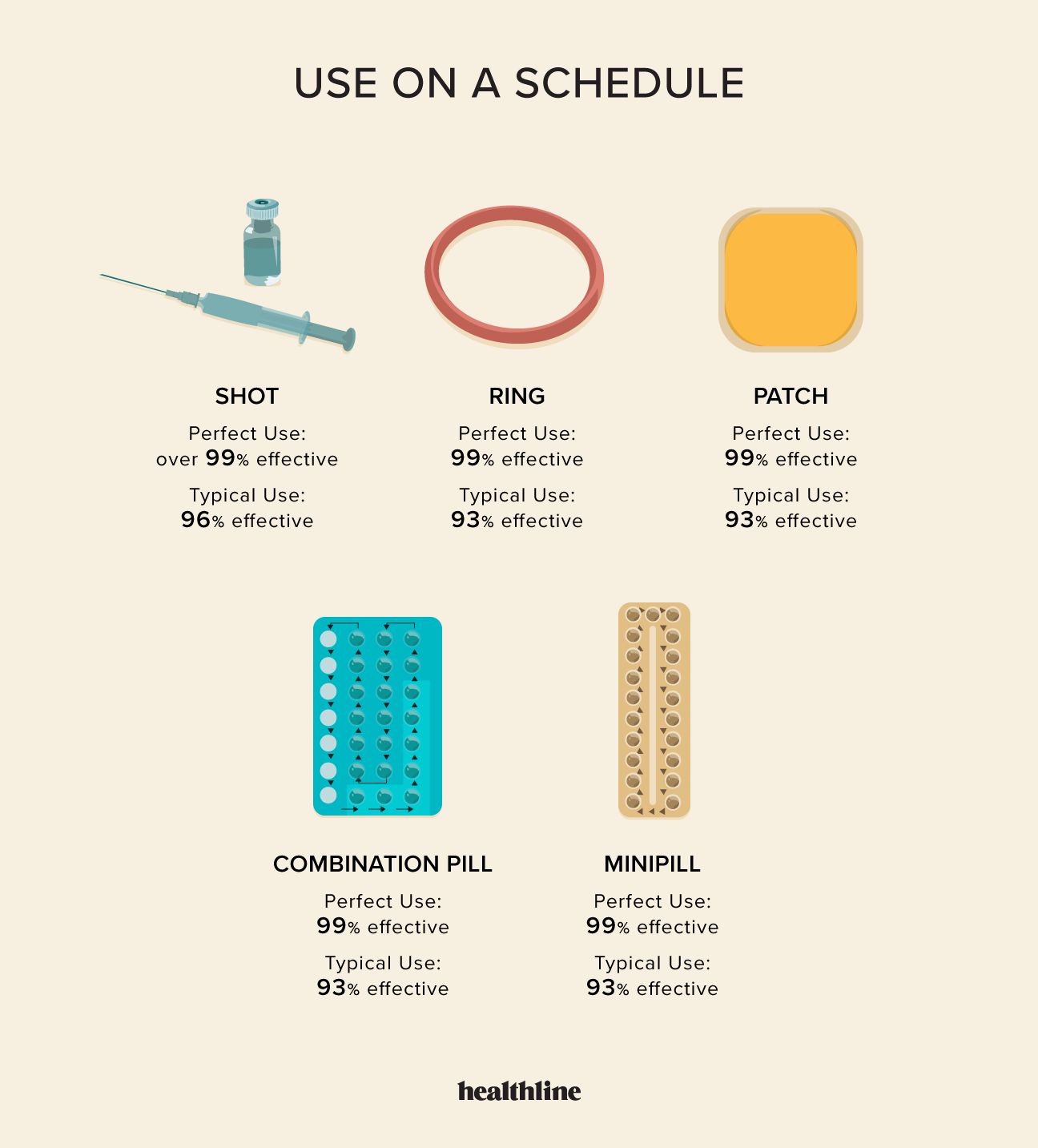
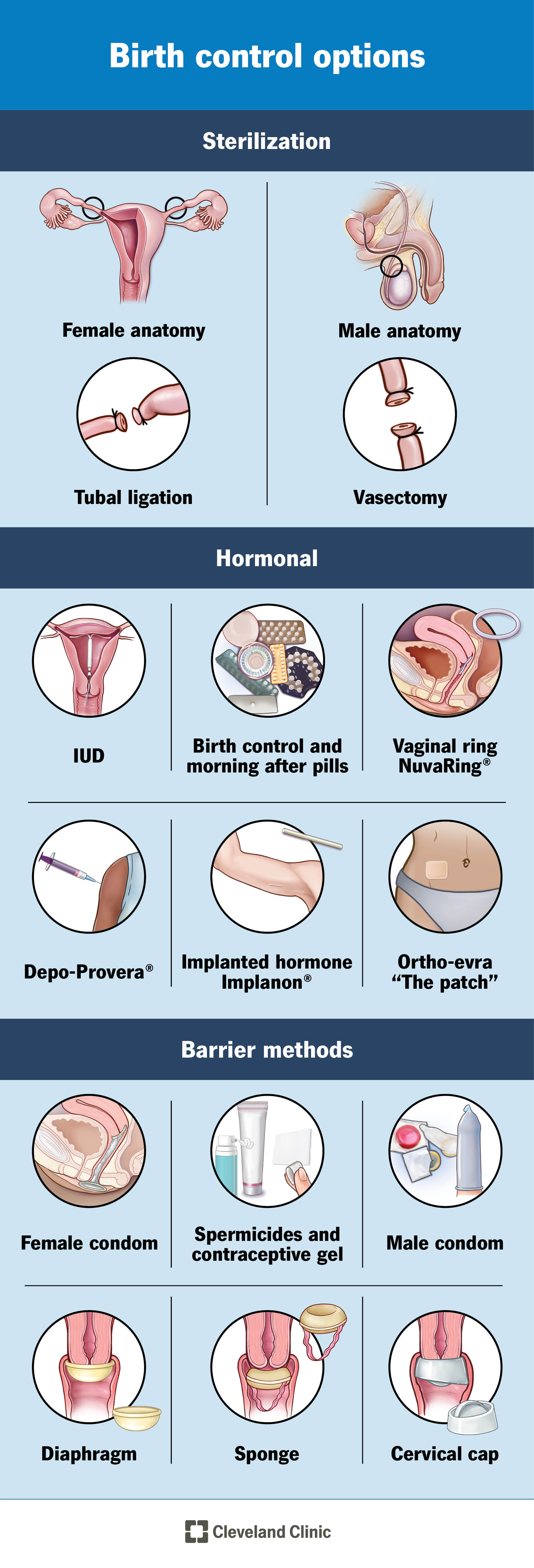
Short-Acting Hormonal Methods (Pills, Patches, Rings): These typically involve monthly costs, ranging from $0 (with good insurance or generics) to $50 per month without. Over a year, this can accumulate to $0-$600. While the per-unit cost seems low, the recurring nature makes it a significant annual expense if not covered.
-
Barrier Methods (Condoms, Diaphragms): Condoms are generally inexpensive, ranging from a few cents to a dollar per unit. Diaphragms have an initial fitting fee (which can be hundreds) plus the cost of the device and spermicide, lasting for about two years. These methods require consistent financial outlay for each act or regular replacement.
-
Injectables (Depo-Provera): These involve a visit to a healthcare provider every three months for an injection. Costs can range from $0 to $150 per injection, totaling $0-$600 annually.
-
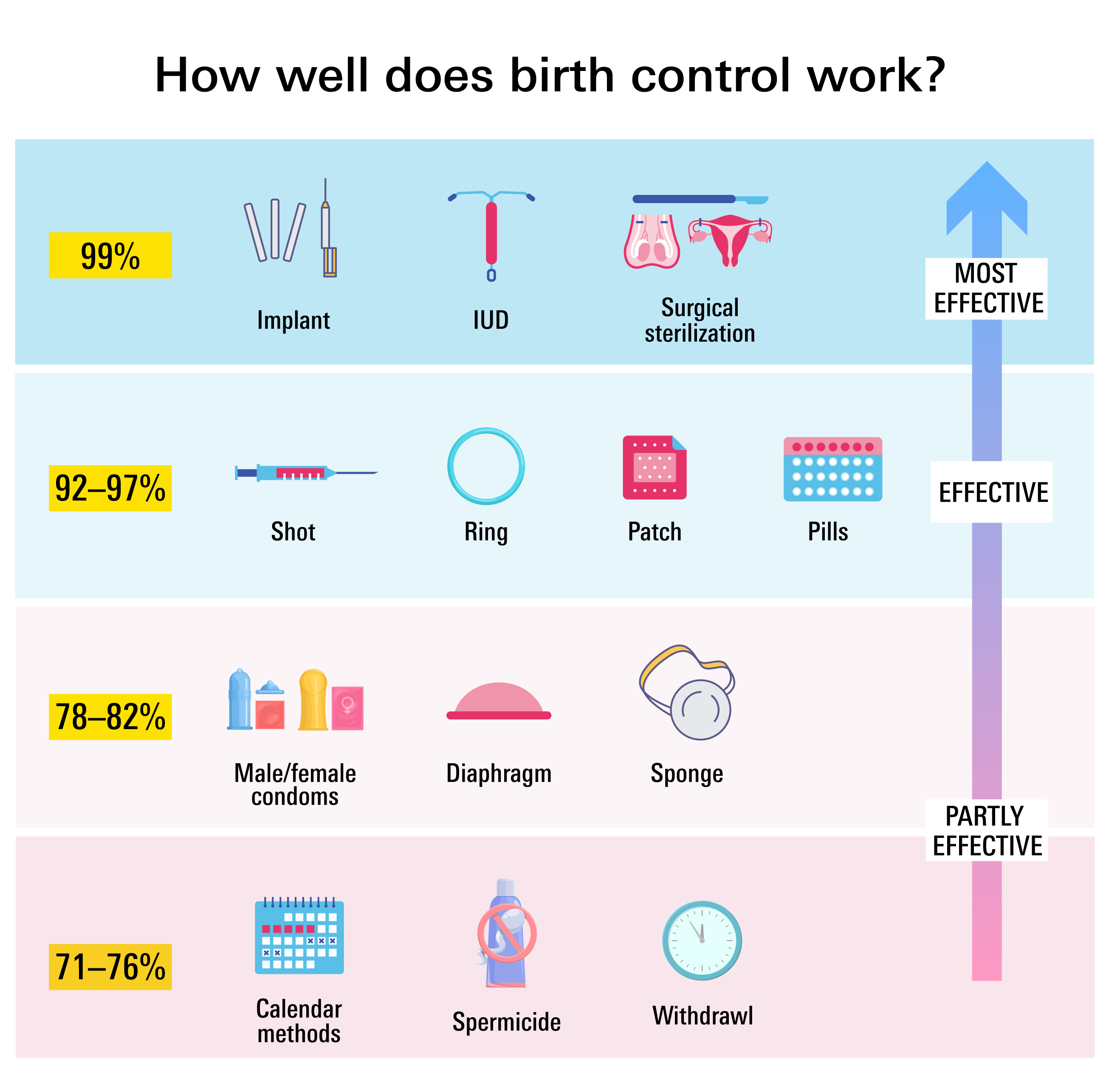
Long-Acting Reversible Contraceptives (LARCs: IUDs and Implants): These methods, like hormonal or copper IUDs and contraceptive implants, have a high upfront cost but are incredibly cost-effective over their lifespan (3-10+ years). An IUD insertion can cost anywhere from $500 to $1,300 without insurance, but once inserted, there are no recurring costs for several years. Implants typically cost $600-$800. Their long-term savings often make them the most financially prudent choice for those planning extended contraception.
-
Permanent Contraception (Sterilization): Vasectomy for men (around $300-$1,000) and tubal ligation for women (often $1,500-$6,000, as it’s a more invasive surgical procedure) are significant one-time expenses. However, for individuals who are certain they do not desire future pregnancies, these methods eliminate all future contraceptive costs and the financial risks of unplanned pregnancies, making them a “best” financial choice in the long run.
When evaluating these options, it’s crucial to consider not just the initial investment but the total cost of ownership over the desired period of contraception. Often, methods with higher upfront costs, like LARCs, prove to be far more economical in the long run than seemingly cheaper monthly options.
The Crucial Role of Insurance and Subsidies
The financial burden of birth control can be drastically altered by health insurance coverage and government subsidies. The Affordable Care Act (ACA) significantly improved access to contraception by mandating that most insurance plans cover all FDA-approved birth control methods without co-pays or deductibles.
-
ACA Mandate: For many insured individuals, this means common methods like pills, IUDs, implants, and injections are available at no out-of-pocket cost. This drastically changes the financial calculus, making previously expensive methods like LARCs free at the point of service.
-
Variations in Coverage: It’s important to note that some older, “grandfathered” plans are exempt from the ACA mandate. Additionally, religious employers may have exemptions. Coverage can also vary for specific brands versus generics, or for particular services like vasectomies (which are sometimes not fully covered under the preventative care umbrella for women’s health).
-
Government Programs and Clinics: For the uninsured or underinsured, programs like Title X family planning services and local health clinics (e.g., Planned Parenthood) offer contraception at low or no cost, based on income. These resources are vital for ensuring equitable access and mitigating financial barriers.
Thoroughly investigating insurance benefits and exploring available subsidies can transform an otherwise costly method into the most financially viable and, therefore, the “best” option for an individual.
Beyond the Price Tag: Opportunity Costs and Long-Term Savings
The financial calculus of birth control extends far beyond the direct cost of the method itself. The real economic value lies in preventing unplanned pregnancies, which carry substantial financial implications.
-
Cost of Unplanned Pregnancy and Childrearing: An unplanned pregnancy incurs significant immediate costs, including prenatal care, childbirth expenses, and postpartum care, which can easily run into thousands of dollars, even with insurance. Raising a child to age 18 in the U.S. can cost well over $300,000, excluding college expenses. Effectively preventing an unplanned pregnancy thus represents a massive long-term financial saving.
-
Opportunity Costs: An unplanned pregnancy can lead to missed educational opportunities, career interruptions, and reduced earning potential, particularly for women. The ability to plan a family allows individuals to pursue higher education, advance in their careers, and build financial stability before taking on the costs of parenthood. This foresight is an invaluable financial asset.
-
Health and Well-being: While not strictly financial, investing in a birth control method that provides peace of mind and allows for intentional family planning contributes to overall well-being, which indirectly supports financial productivity and reduces stress-related health costs.
From a long-term financial perspective, the “best” type of birth control is ultimately the one that is most effective and used consistently, thus providing the greatest certainty in family planning and mitigating the significant financial risks associated with unplanned pregnancies.
Reproductive Health as a Pillar of Personal Finance
The ability to control one’s reproductive destiny is inextricably linked to personal financial stability and growth. Strategic use of birth control allows individuals to align their family planning with their financial aspirations.
Family Planning and Budgetary Stability
Intentional family planning, facilitated by effective contraception, is a cornerstone of sound personal finance. It allows individuals and couples to make informed decisions about when and if to have children, directly impacting their ability to budget and save effectively.
-
Predictability in Expenses: Knowing when children might enter the picture allows for crucial financial planning regarding housing (larger homes, nurseries), transportation (family vehicles), childcare, education savings, and increased daily living expenses. Unplanned pregnancies can throw a well-structured budget into disarray, leading to debt and financial stress.
-
Debt Management and Savings Goals: The financial strain of an unexpected child can derail efforts to pay down debt (student loans, mortgages, credit cards) or achieve savings goals (retirement, down payment on a home). Effective birth control provides the agency to achieve these financial milestones without unforeseen interruptions.
-
Emergency Preparedness: By preventing unexpected life changes, contraception helps individuals build and maintain emergency funds, providing a crucial safety net for other unexpected life events, rather than having savings diverted by the immediate costs of a pregnancy or new baby.
Career Trajectories and Earning Potential
For many, particularly women, reproductive choices have a direct and profound impact on career development and earning potential. The “best” type of birth control, in this context, is one that empowers sustained engagement in the workforce and professional advancement.
-
Educational Attainment: Access to effective birth control allows individuals to complete higher education without interruption, directly enhancing their long-term earning capacity. Research consistently shows a strong correlation between educational attainment and lifetime income.
-
Workforce Participation and Advancement: The ability to delay or space pregnancies enables individuals to enter and remain in the workforce, build experience, take on leadership roles, and increase their earning power. Career interruptions due to unplanned pregnancies often lead to a “motherhood penalty” in wages and career progression.
-
Entrepreneurial Pursuits: For those embarking on entrepreneurial journeys, the initial years are often demanding and require intense focus. Contraception provides the flexibility to manage family responsibilities while building a business, securing financial independence.
From a career and earning perspective, the “best” birth control is the one that most reliably supports an individual’s professional goals by providing the certainty needed to plan their life course effectively.
Navigating Affordability: Strategies for Accessing Cost-Effective Contraception
Even with insurance mandates, navigating the healthcare system to access affordable birth control can be challenging. Understanding available resources and proactive planning can ensure financial barriers do not prevent access to the “best” method.
Leveraging Government Programs and Community Resources
Numerous programs and organizations are dedicated to ensuring that financial status is not a barrier to accessing contraception.
-
Title X Family Planning Program: This federal program provides comprehensive family planning and related preventative health services, including contraception, to low-income and uninsured individuals. Services are often free or low-cost, based on a sliding scale.
-
Medicaid: In states that expanded Medicaid, many individuals and families qualify for comprehensive health coverage, including all birth control methods, at no cost.
-
Planned Parenthood and Local Health Clinics: These organizations are invaluable resources, offering affordable (and often free) reproductive health services, including birth control, regardless of insurance status or ability to pay. They can also assist with enrollment in financial assistance programs.
-
Pharmaceutical Patient Assistance Programs: Some pharmaceutical companies offer programs to help patients afford their medications, including certain birth control brands, if they meet specific income and insurance criteria.
Actively seeking out and utilizing these resources can significantly reduce, or even eliminate, the out-of-pocket costs associated with various birth control methods, making the most effective options financially accessible.
Proactive Financial Planning for Reproductive Health
Individuals can take proactive steps to ensure their chosen birth control method remains financially sustainable.
-
Research Insurance Benefits Thoroughly: Before choosing a method, contact your insurance provider to understand specific coverage details, including any out-of-pocket maximums, deductibles, or preferred pharmacies. Clarify coverage for all services related to the method (e.g., insertion, removal, follow-up appointments).
-
Discuss Costs with Your Provider: Openly discuss the financial aspects of different methods with your healthcare provider. They can offer insights into generic alternatives, cost-saving strategies, and direct you to financial assistance programs.
-
Consider Long-Term Cost-Effectiveness: While a LARC might seem expensive initially, calculate the per-year cost over its lifespan compared to monthly methods. Often, the long-term savings are substantial, making it a financially astute choice.
-
Budget for Unexpected Costs: Even with good insurance, there can be unforeseen costs (e.g., co-pays for specialist visits, travel to clinics). Factor these into your budget to avoid surprises.
By taking a proactive approach to financial planning for reproductive health, individuals can ensure they can afford the method that best suits their needs, both clinically and financially.
The Broader Economic Impact of Reproductive Autonomy
The ability to choose the “best” type of birth control has profound implications, not just for individual finances, but for broader economic development and societal well-being.
Individual Empowerment and Economic Mobility
Access to contraception is a fundamental tool for economic empowerment. It gives individuals, especially women, the power to make conscious decisions about their bodies, their education, their careers, and their families, leading to greater financial independence.
-
Increased Agency: When individuals have control over their reproductive lives, they gain greater agency over their overall life trajectory. This translates into increased participation in educational and economic spheres.
-
Reduced Poverty: Studies consistently show that access to family planning services significantly reduces poverty rates, both for individual families and at a broader societal level. The ability to space children or limit family size to what is financially manageable directly impacts household income and stability.
-
Improved Health Outcomes: Financially stable individuals are generally healthier, leading to fewer healthcare expenditures over their lifetime. The link between economic empowerment through contraception and improved health is well-documented.
Societal Economic Benefits
The widespread availability and use of contraception yield substantial economic benefits for entire societies.
-
Increased Workforce Productivity: A workforce where individuals can plan their families is more stable, educated, and productive. This translates into higher GDP, innovation, and economic growth.
-
Lower Public Healthcare Costs: By preventing unplanned pregnancies, societies save billions annually in public expenditures related to prenatal care, childbirth, and welfare support for children in low-income families.
-
Sustainable Development: Family planning is a key component of sustainable development goals, impacting environmental sustainability, resource allocation, and population stability, all of which have long-term economic consequences.
The “Best” Choice: A Holistic Financial and Life Alignment
Ultimately, the “best” type of birth control from a financial perspective is not a one-size-fits-all solution. It is the method that aligns most effectively with an individual’s financial situation, long-term goals, and access to resources, while also being highly effective in preventing unplanned pregnancies. It encompasses not just the direct cost of the method, but the invaluable financial security and opportunities that reproductive autonomy affords. By critically evaluating all financial dimensions, individuals can make an empowered choice that contributes to their personal wealth, career success, and overall financial well-being.
aViewFromTheCave is a participant in the Amazon Services LLC Associates Program, an affiliate advertising program designed to provide a means for sites to earn advertising fees by advertising and linking to Amazon.com. Amazon, the Amazon logo, AmazonSupply, and the AmazonSupply logo are trademarks of Amazon.com, Inc. or its affiliates. As an Amazon Associate we earn affiliate commissions from qualifying purchases.