
In an era defined by relentless digital connectivity and ever-increasing societal pressures, stress and anxiety have become pervasive challenges, touching individuals across all demographics. The search for effective remedies, or “medicine,” to alleviate these burdens is more urgent than ever. While traditional approaches like therapy, medication, and lifestyle adjustments remain foundational, the rapid evolution of technology has introduced a powerful new arsenal of tools. For many, the “best medicine” is no longer confined to a pill or a couch, but rather an integrated suite of digital solutions designed to foster mental well-being. This article delves into the technological innovations currently transforming how we understand, monitor, and manage stress and anxiety, positioning them as essential components of a modern mental health strategy.
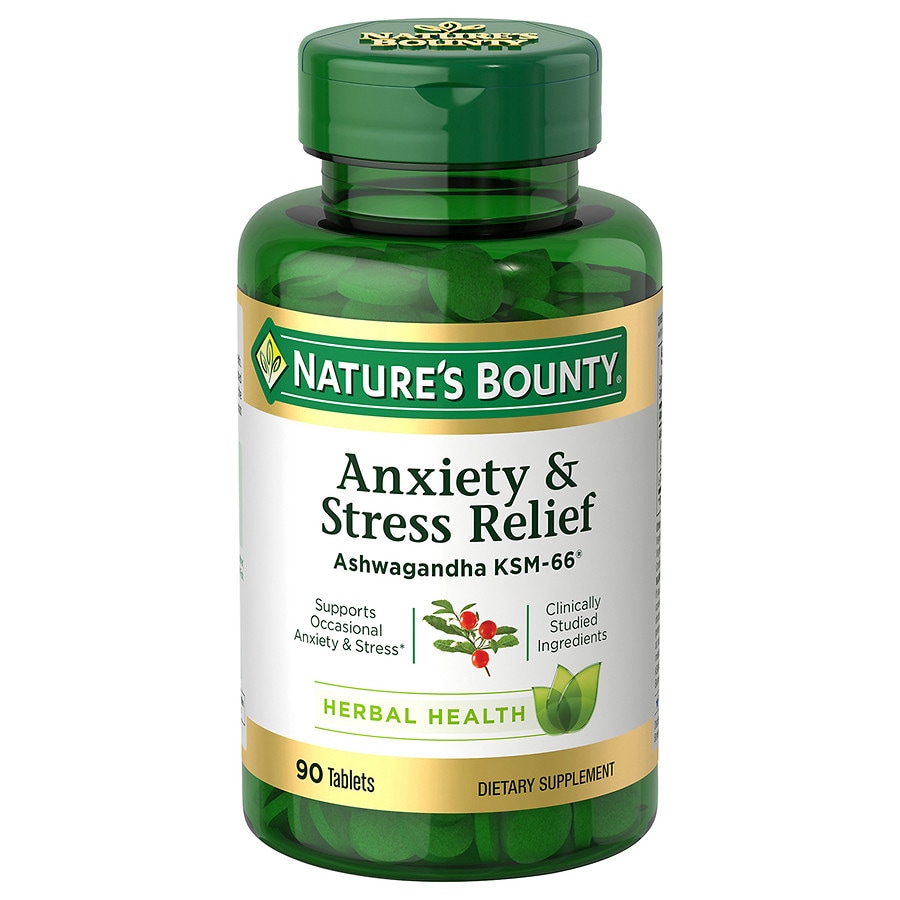
The Digital Toolkit for Mental Wellness: A New Frontier
The ubiquity of smartphones and the continuous advancements in software development have paved the way for a rich ecosystem of digital tools dedicated to mental health. These applications and platforms offer unprecedented accessibility, often providing immediate support and resources that were once geographically or financially out of reach for many.
Mindfulness and Meditation Apps: Your Pocket Guru
Perhaps the most widely adopted digital “medicine” for stress and anxiety are mindfulness and meditation applications. Platforms like Calm, Headspace, and Insight Timer have become household names, democratizing practices once considered esoteric or requiring specialized instruction. These apps offer guided meditations tailored to various needs – sleep, focus, stress reduction, or anxiety relief – delivered by soothing voices and often accompanied by calming soundscapes.
Their efficacy lies in their ability to teach users practical techniques for present-moment awareness, emotional regulation, and deep relaxation. Features typically include daily guided sessions, sleep stories, breathing exercises, and mindful movement routines. The convenience of having a meditation guide in one’s pocket removes common barriers to entry, allowing users to integrate mindfulness into busy schedules, whether during a morning commute, a lunch break, or before bed. For many, the consistent practice fostered by these apps cultivates a heightened sense of calm, improved emotional resilience, and a reduced physiological response to stressors over time. They act as a digital anchor, consistently drawing users back to a state of internal equilibrium.
Cognitive Behavioral Therapy (CBT) and Therapy Platforms: Bridging the Access Gap
Beyond simple mindfulness, technology has also made significant strides in delivering more structured therapeutic interventions, most notably Cognitive Behavioral Therapy (CBT). CBT is an evidence-based approach that helps individuals identify and challenge negative thought patterns and behaviors contributing to anxiety and stress. Apps like Woebot leverage artificial intelligence to provide interactive CBT exercises, thought-record journaling, and mood tracking, all within a conversational interface that feels personalized and non-judgmental. This AI-driven approach offers therapeutic principles on demand, empowering users to develop coping mechanisms and reframe distressing thoughts in real-time.
Furthermore, the rise of teletherapy platforms such as Talkspace and BetterHelp has revolutionized access to professional mental health support. These platforms connect users with licensed therapists via text, audio, or video calls, eliminating geographical barriers, reducing wait times, and often offering more flexible scheduling options. For individuals experiencing anxiety related to in-person interactions or those in remote areas, teletherapy provides a crucial lifeline. It ensures continuity of care and offers a confidential space for therapeutic dialogue, making professional guidance more attainable and integrated into modern lifestyles. These platforms truly bridge the access gap, making professional help a viable “medicine” for millions.
Wearable Technology and Biofeedback: Quantifying Calm
The next frontier in technological stress management lies in wearable devices and sophisticated biofeedback systems. These tools move beyond passive content consumption to active, real-time monitoring and training, providing objective data on physiological responses to stress and guiding users toward self-regulation.
Smartwatches and Fitness Trackers: Monitoring Stress Markers
Modern smartwatches and fitness trackers, from Apple Watch to Fitbit and Garmin, have evolved beyond simple step counting. They are now powerful health monitors, capable of tracking vital physiological markers that correlate directly with stress and anxiety levels. Key metrics include heart rate variability (HRV), sleep patterns, and activity levels. HRV, in particular, is a robust indicator of autonomic nervous system balance; lower HRV often suggests higher stress and anxiety.
These devices collect continuous data, providing users with daily or weekly summaries that highlight trends. By understanding how daily activities, sleep quality, or specific events impact their HRV, users can identify personal stressors and patterns. For instance, consistently poor sleep detected by a tracker might prompt an individual to adjust evening routines or seek further intervention. Some devices even offer guided breathing exercises or “mindful moments” when elevated stress is detected, providing immediate, data-driven interventions to help users recalibrate their physiological state. This objective feedback empowers users to become more attuned to their bodies’ signals, fostering a proactive approach to stress management.
Advanced Biofeedback Devices: Real-Time Self-Regulation
Beyond general health trackers, specialized biofeedback devices offer a more focused and immediate pathway to stress reduction. Devices like the Muse headband, which measures brain activity (EEG), or HeartMath’s Inner Balance, which focuses on heart rate coherence, provide real-time feedback that helps users learn to consciously control their physiological responses.
The Muse headband, for example, guides users through meditation using auditory cues. When the mind is calm, users hear peaceful sounds; when it wanders, the sounds become stormier, prompting them to refocus. This direct feedback loop trains individuals to achieve and maintain states of calm and focus more effectively. Similarly, HeartMath devices help users achieve “heart coherence” – a state where heart rate variability is synchronized with breathing – which is associated with reduced stress and improved emotional regulation. By making internal physiological processes tangible and observable, these devices offer a powerful learning tool. They transform the abstract concept of “relaxing” into a measurable skill, providing immediate validation and accelerating the development of self-regulation techniques that serve as potent “medicine” against stress and anxiety.
AI and Virtual Reality: Innovative Approaches to Mental Health
Looking to the cutting edge, artificial intelligence (AI) and virtual reality (VR) are emerging as highly innovative tools with profound implications for mental health, offering personalized support and immersive therapeutic experiences that were once the stuff of science fiction.
AI-Powered Companions and Emotional Support Bots
Artificial intelligence is transforming the landscape of emotional support, moving beyond simple CBT prompts to create more sophisticated and empathetic digital companions. AI-powered bots and virtual assistants are being developed to offer non-judgmental listening, personalized coping strategies, and even predictive analytics to identify potential crises. These tools can engage users in natural language conversations, mimicking human interaction to a remarkable degree.
The advantage of AI companions lies in their constant availability and capacity for boundless patience. They can provide a safe space for individuals to express their feelings without fear of social judgment or burdening others. Moreover, AI can learn from user interactions, tailoring its responses and suggestions to individual needs and preferences, making the support feel genuinely personalized. While not a replacement for human connection, these AI tools can serve as an invaluable first line of defense, a privacy-respecting confidant, and a constant source of encouragement, particularly for those who feel isolated or struggle with the stigma associated with seeking human help.
Virtual Reality for Exposure Therapy and Relaxation
Virtual reality is opening up entirely new dimensions in mental health treatment, particularly for anxiety disorders and phobias. VR exposure therapy allows individuals to confront their fears in a controlled, safe, and immersive environment. For someone with social anxiety, VR can simulate a crowded party or a public speaking scenario, gradually desensitizing them to triggers without the overwhelming intensity of real-world exposure. For individuals suffering from PTSD, VR can be used to re-process traumatic memories in a therapeutic setting, allowing for emotional processing and healing.
Beyond therapeutic exposure, VR is also being harnessed for profound relaxation and mindfulness. Immersive VR environments can transport users to serene landscapes, tranquil beaches, or calming forest settings, providing a powerful escape from daily stressors. These “virtual vacations” can effectively reduce physiological arousal and promote a deep sense of calm, offering a unique form of digital escapism that can be highly therapeutic. The ability of VR to fully engage the senses makes it an exceptionally potent “medicine,” capable of creating powerful, therapeutic experiences that can complement traditional treatments.
Navigating the Digital Landscape: Best Practices and Considerations
While technology offers an exciting array of “medicines” for stress and anxiety, navigating this digital landscape requires a thoughtful and informed approach. The effectiveness of any tool ultimately depends on its appropriate application and integration into a broader wellness strategy.
Choosing the Right Digital Medicine: Personalization and Efficacy
With countless apps and devices on the market, selecting the “best” technology is a deeply personal journey. What works for one person may not resonate with another. It’s crucial to prioritize solutions that align with individual needs, preferences, and the specific nature of one’s stress or anxiety. Users should look for products with strong scientific backing, evidence of efficacy, and positive user reviews. Many apps offer free trials, allowing individuals to test different approaches before committing.
Consideration should also be given to data privacy and security, especially when dealing with sensitive mental health information. Opt for platforms that clearly outline their data protection policies and adhere to industry standards. Ultimately, the “best medicine” is the one that feels intuitive, integrates seamlessly into one’s routine, and consistently provides a sense of benefit and empowerment.
The Human Element: When Technology Complements, Not Replaces
It is vital to remember that technology, however advanced, is primarily a tool designed to complement, not replace, human connection and professional guidance. While apps and devices offer incredible support and accessibility, they cannot fully replicate the nuances of human empathy, the diagnostic capabilities of a trained therapist, or the profound healing found in genuine interpersonal relationships.
Technology can empower self-management, provide immediate coping mechanisms, and bridge gaps in access to care, but it should be viewed as one part of a holistic mental wellness strategy. For severe anxiety or chronic stress, professional consultation with doctors, therapists, or counselors remains paramount. Furthermore, integrating technology with healthy lifestyle choices – regular exercise, balanced nutrition, sufficient sleep, and meaningful social interactions – forms the most robust defense against stress and anxiety. A digital detox can also be a vital “medicine” in itself, reminding us to disengage from screens and reconnect with the present moment and the real world.

Conclusion
The quest for the “best medicine” for stress and anxiety in the 21st century increasingly points towards a powerful synergy of traditional wisdom and cutting-edge technology. From accessible mindfulness apps and AI-driven therapy companions to biofeedback wearables and immersive VR experiences, technology offers an unprecedented array of tools to monitor, manage, and mitigate the impact of mental health challenges. These innovations provide personalized support, break down barriers to care, and empower individuals with the knowledge and skills to cultivate greater resilience.
However, the true “best medicine” is not a single app or device, but a thoughtful, personalized approach that intelligently integrates these technological solutions with professional guidance, self-awareness, and a commitment to overall well-being. As technology continues to evolve, its potential to serve as a transformative force in mental health will only grow, offering hope and practical strategies for navigating the complexities of modern life with greater calm and confidence.
aViewFromTheCave is a participant in the Amazon Services LLC Associates Program, an affiliate advertising program designed to provide a means for sites to earn advertising fees by advertising and linking to Amazon.com. Amazon, the Amazon logo, AmazonSupply, and the AmazonSupply logo are trademarks of Amazon.com, Inc. or its affiliates. As an Amazon Associate we earn affiliate commissions from qualifying purchases.