
In the vast lexicon of brand strategy and corporate identity, certain terms carry an almost primal resonance, evoking sensory experiences, emotional states, and deeply embedded cultural associations. “Tart” is one such term. While its most immediate connection might be to a culinary descriptor—a sharp, acidic, or piquant taste—its implications within branding extend far beyond the palate. To truly understand “what is tart” in a marketing context is to unlock a powerful, multi-faceted dimension that can define product categories, shape brand personalities, and forge indelible connections with consumers.
This exploration delves into the strategic utilization of “tartness” as a brand attribute, examining how businesses harness its inherent qualities—freshness, zest, boldness, and often, an invigorating edge—to carve out unique market positions. From product development and design to marketing campaigns and brand storytelling, the essence of “tart” offers a rich canvas for differentiation, appealing to a consumer base increasingly drawn to authenticity, invigoration, and distinct sensory experiences. Far from being a mere flavor profile, “tart” represents a complex interplay of sensory perception, psychological association, and strategic positioning, making it a potent, albeit often understated, tool in the modern brand builder’s arsenal.

Beyond Flavor: Deconstructing the “Tart” Concept in Branding
At its core, “tart” signifies a specific sensory experience—a sharp, often pleasant acidity that stimulates the palate. However, its brand utility lies in its capacity for metaphorical extension, moving beyond mere taste to encompass a broader spectrum of qualities. Understanding this transition is crucial for any brand seeking to leverage “tartness” effectively.
The Sensory Foundation: A Biological Perspective
Biologically, the sensation of tartness is primarily attributed to acids stimulating taste receptors, particularly those for sourness. This biological response is fundamental: it signals freshness, ripeness (in fruits), or even potential spoilage (in milk). Humans have an innate appreciation for certain levels of acidity, often associating it with vitality and purity. Think of the refreshing bite of a lemon, the crispness of a Granny Smith apple, or the zing of a perfectly crafted sourdough. These experiences are not merely about taste; they are deeply intertwined with our perception of quality, naturalness, and invigoration. Brands that recognize this foundational sensory truth can tap into universal human experiences, creating products that resonate on a visceral level. The immediate, sometimes surprising, jolt of tartness can cut through sweetness or richness, providing balance and a memorable sensory signature.
From Taste Bud to Brand Identity: Conceptual Extensions
The true power of “tart” in branding emerges when its sensory attributes are conceptually extended into non-gustatory domains. If something tastes tart, what other qualities might it possess or convey?
-
Freshness and Purity: A tart flavor often suggests natural ingredients, unprocessed quality, and a lack of artificial sweetness or heavy additives. This translates into brand messaging emphasizing health, natural goodness, and clean labels.
-
Invigoration and Energy: The stimulating effect of tartness can be translated into a brand personality that is energetic, lively, and dynamic. Products promising a “wake-up call” or a “refreshing boost” often subtly, or overtly, leverage this association.
-
Boldness and Edgy Sophistication: A preference for tartness often indicates a discerning palate that appreciates complexity over saccharine simplicity. Brands can adopt a “tart” identity to project boldness, an unconventional spirit, and a sophisticated edge, appealing to consumers who value unique, less mainstream experiences.
-
Sharpness and Clarity: The distinct, clean cut of a tart flavor can be paralleled with intellectual sharpness, clear thinking, or precise design. This might manifest in minimalist aesthetics, direct communication, or innovative solutions.
By understanding these conceptual bridges, brands can strategically infuse “tartness” into their identity, not just in food and beverage, but across diverse industries, shaping everything from product design to corporate culture.
The Psychology of Tartness: Consumer Perception and Association
The human mind is a complex web of associations, and “tartness” triggers a rich tapestry of psychological responses. For brands, decoding these perceptions is key to harnessing the attribute effectively, ensuring it aligns with desired consumer sentiments and market positioning.
Freshness, Purity, and Invigoration: Positive Connotations
One of the strongest psychological associations with tartness is that of freshness. Whether it’s the crispness of a citrus fruit, the tang of fresh yogurt, or the bright acidity in a summer salad dressing, tart elements are often perceived as new, clean, and vibrant. This translates into a powerful branding message, particularly in food and beverage, but also extends to personal care products (e.g., citrus-scented cleansers that evoke “fresh” sensations) and even cleaning supplies. Purity is another closely linked concept; tartness can cut through perceived heaviness or artificiality, signaling a natural, unadulterated product. Furthermore, the stimulating sensation of tartness is often associated with invigoration and revitalization. It’s the “zing” that wakes up the senses, offering a mental and sometimes physical boost. Brands aiming to project energy, health, and a vibrant lifestyle frequently lean into this aspect of tartness. Consumers associate these qualities with efficacy, natural benefits, and an uplifting experience, making tartness a positive signifier for products promising rejuvenation.
Edgy, Bold, and Unconventional: Appealing to Specific Demographics
Beyond freshness, “tart” can also signify a more edgy, bold, and unconventional stance. In a market often saturated with sweet or bland offerings, a distinct tart profile stands out. This appeals strongly to consumer segments who seek novelty, differentiation, and products that reflect a discerning or adventurous taste. Brands adopting a “tart” identity might eschew mainstream appeal in favor of a niche market that values innovation, sophistication, and a departure from the ordinary. This can manifest in daring flavor combinations, unique packaging, or a brand narrative that champions individuality and challenging the status quo. For these consumers, a tart product isn’t just a taste; it’s a statement about their preferences and personality. It suggests a brand that is confident, unafraid to be different, and perhaps even a little rebellious. This perception can be incredibly valuable for brands targeting younger demographics or trendsetters.
Mitigating Perceived Negatives: Acidity vs. Refreshment
While predominantly positive, “tartness” can also carry potential negatives if not managed carefully. Excessive tartness can be perceived as overly sour, unpleasant, or even aggressive, potentially leading to aversion. Acidity, while part of tartness, can also be associated with digestive discomfort for some. The strategic challenge for brands is to ensure that the “tart” experience is balanced and perceived as refreshing and stimulating, rather than harsh or irritating. This often involves careful formulation—balancing acidity with other flavor profiles (sweetness, umami) or contextualizing the tartness within a broader sensory experience. Marketing communication plays a vital role in framing the narrative: emphasizing the bright, crisp, zesty, or zingy aspects of tartness, rather than just “sour.” Visual cues in packaging, such as vibrant colors, clean lines, and imagery of fresh ingredients, can further reinforce the positive associations and preempt any negative perceptions, turning a potential drawback into a celebrated characteristic.
Leveraging “Tart” in Brand Strategy and Product Development
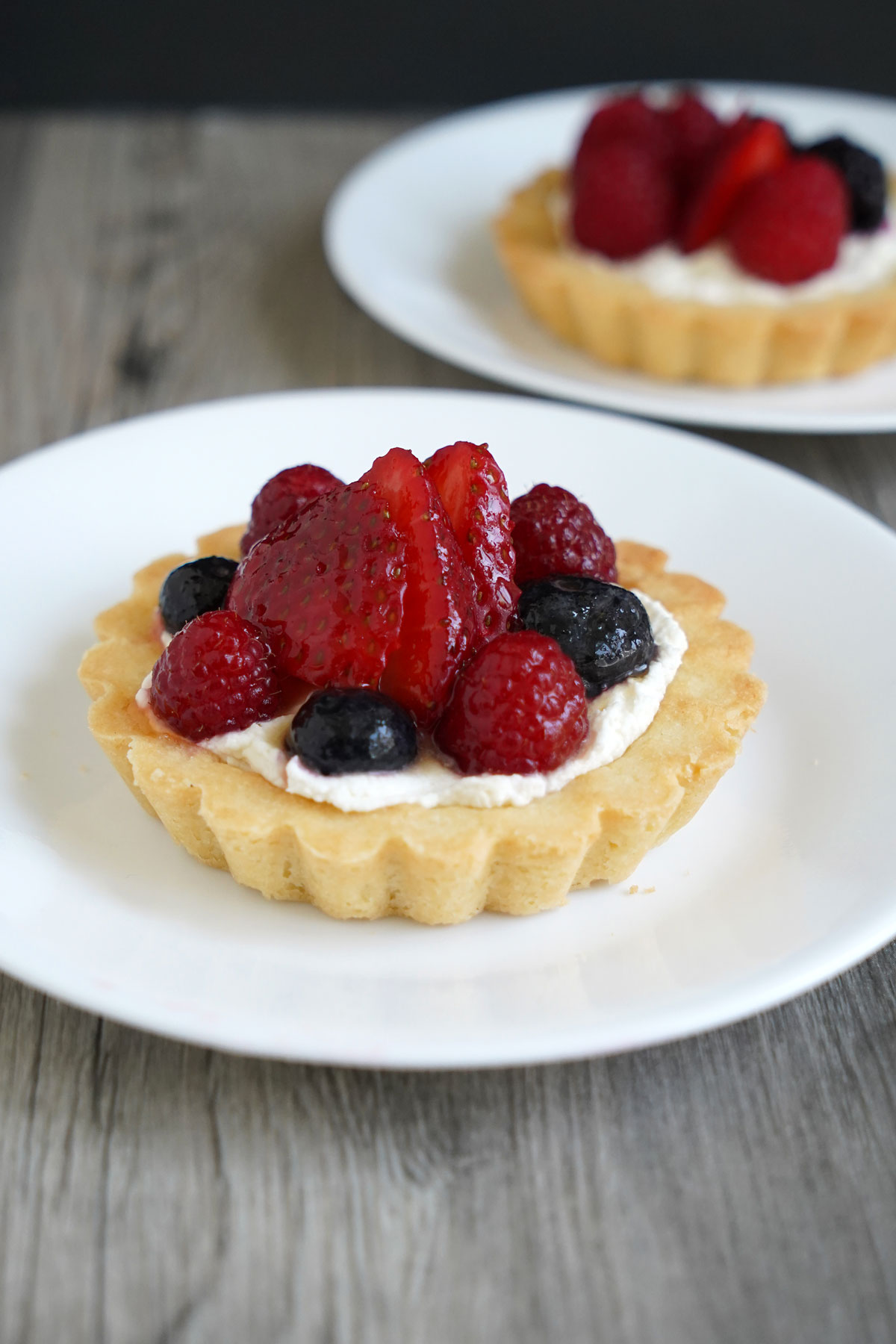
The conscious application of “tart” principles can be a powerful differentiator in a crowded marketplace. Successful brands strategically embed this quality throughout their product development, marketing, and overall brand experience.
Product Naming and Packaging: Communicating “Tart” Visually
The very first impression a consumer has of a product often comes from its name and packaging. Brands effectively leveraging “tart” understand that these elements must visually and linguistically communicate the desired sensory experience. Names like “Zest,” “Citrus Burst,” “Tangy Twist,” or “Sour Patch Kids” immediately convey a sense of tartness. Beyond explicit naming, the choice of typeface, color palette, and imagery plays a crucial role. Bright, vibrant colors (yellows, limes, electric blues) are often associated with tart flavors and freshness. Clean, crisp typography and minimalist designs can reinforce the idea of clarity and invigoration. Imagery of fresh fruits, sparkling liquids, or dynamic splashes can visually activate the sensory expectation of tartness. For non-food products, this might translate into packaging that feels sharp, modern, and invigorating, using metallic accents or bold geometric patterns to evoke an edgy sophistication. The goal is to create a holistic visual language that prepares the consumer for the “tart” experience, whether it’s a taste, a feeling, or an aesthetic.
Experiential Marketing: Engaging Multiple Senses
Modern branding goes beyond static communication; it seeks to create immersive experiences. For “tart” brands, this means engaging multiple senses to reinforce the core attribute. Beyond taste and sight, scent plays a powerful role. The aroma of citrus, berries, or sharp herbs can instantly prime the consumer for a tart experience. In-store samples, product demonstrations, and event activations can be designed to highlight this sensory dimension. For instance, a beverage brand might offer a “tartness challenge” where consumers try different levels of acidity, or a cosmetic brand might create an activation with invigorating, citrus-infused mists. Sound, too, can contribute; crisp, sharp sounds or energetic music can align with the invigorating nature of tartness. Experiential marketing allows brands to build a deeper, more memorable connection, letting consumers “feel” and “live” the tartness, rather than just intellectualize it. This approach fosters a stronger emotional bond and reinforces the brand’s unique identity.
Brand Storytelling: Crafting Narratives of Zest and Innovation
Effective brand storytelling transforms product features into compelling narratives. For brands embracing “tartness,” this means weaving tales of zest, innovation, and authenticity. A brand might tell the story of its origins in harvesting rare, tart fruits from exotic locations, emphasizing natural purity and bold exploration. Another might focus on the scientific innovation behind achieving a perfectly balanced tart flavor or the refreshing “clean” feeling its products impart. The narrative can also center on the consumer’s journey—how the brand’s “tart” offerings empower them to be more energetic, creative, or discerning. By crafting stories that highlight the unique characteristics of tartness—its invigorating effect, its refreshing honesty, its sophisticated edge—brands can build a rich, resonant identity. This narrative approach allows consumers to connect with the brand on an emotional level, seeing themselves reflected in the brand’s values of vitality, clarity, and bold self-expression.
Case Studies: Brands that Master the Art of “Tart”
Examining successful brands illustrates the diverse applications and strategic impact of embracing a “tart” identity. These examples span various industries, demonstrating the versatility of this potent brand dimension.
Culinary Delights: Beverages, Candies, and Sauces
In the food and beverage industry, the direct link between “tartness” and product experience is most evident. Lemonade brands, for instance, inherently leverage tartness as their core appeal. Brands like Minute Maid or Simply Lemonade emphasize the “real” lemon taste, promising a refreshing, zesty experience that cuts through thirst. Their packaging often features bright yellows and images of fresh-squeezed lemons, reinforcing the sensory expectation. Sour candies like Warheads or Sour Patch Kids have built entire empires on extreme tartness. Their branding is unapologetically bold, often featuring vibrant, almost aggressive colors and playful, challenging taglines that promise an intense, eye-watering experience. Here, tartness is not just a flavor; it’s the challenge and the adventure for the palate, appealing to a demographic seeking exciting sensory thrills. Even in savory categories, brands like Tabasco sauce incorporate a distinct tartness from fermented peppers and vinegar. This tanginess is crucial to its sharp, distinctive flavor profile, positioning it as an invigorating, palate-cleansing condiment that adds a “kick” rather than just heat. These examples demonstrate that whether mild or extreme, tartness can be the defining characteristic that captures consumer attention and loyalty.
Beyond Food: Cosmetics, Cleaning Products, and Fashion
The application of “tart” extends far beyond the kitchen. In cosmetics and personal care, brands often use citrus, berry, or green tea extracts to infuse products with a “tart” scent, associating them with freshness, purity, and invigoration. Products like facial cleansers, body washes, and deodorants that promise a “detoxifying” or “energizing” effect frequently utilize these tart notes. The packaging might be minimalist and clean, reflecting the product’s purifying qualities. In the realm of cleaning products, brands like Mrs. Meyer’s Clean Day utilize scents like Lemon Verbena or Basil to create a perception of natural, effective cleanliness. The tart notes signal a powerful, yet natural, ability to cut through grime and leave a fresh aroma, moving away from harsh chemical scents. Even in fashion, “tart” can manifest as an aesthetic. A “tart” fashion brand might feature sharp tailoring, bold color blocking, asymmetrical designs, and a generally edgy or unconventional style. Think of brands known for their crisp lines, unexpected textures, and a confident, modern appeal that stands out from more traditional or overtly feminine styles. Here, “tartness” is expressed through visual sharpness, bold statements, and a distinct lack of “sweetness” or softness, appealing to individuals who embrace a strong, sophisticated, and perhaps even provocative look.
The Future of “Tart” Branding: Authenticity and Differentiation
As markets become increasingly saturated and consumer preferences evolve, the strategic leverage of “tartness” will only grow in importance. Its inherent qualities—freshness, invigoration, and boldness—align perfectly with emerging consumer demands for authenticity and meaningful differentiation.
The Rise of Niche and Experiential Brands
The future of branding is increasingly driven by niche markets and the demand for unique, experiential products. Consumers are moving away from generic, mass-produced items in favor of brands that offer a distinct point of view and a memorable experience. “Tart” brands are uniquely positioned to thrive in this environment. Their ability to deliver a pronounced sensory experience, whether through taste, scent, or aesthetic, allows them to cut through the noise and establish a strong, singular identity. From artisan sour beers and craft vinegars to bespoke skincare lines with potent fruit acids, brands that lean into specific, well-executed tart profiles can cultivate highly loyal communities. The future will see more brands exploring the nuances of tartness, offering a spectrum of experiences from subtly zesty to intensely piquant, each carefully tailored to specific consumer segments seeking unique sensory adventures.
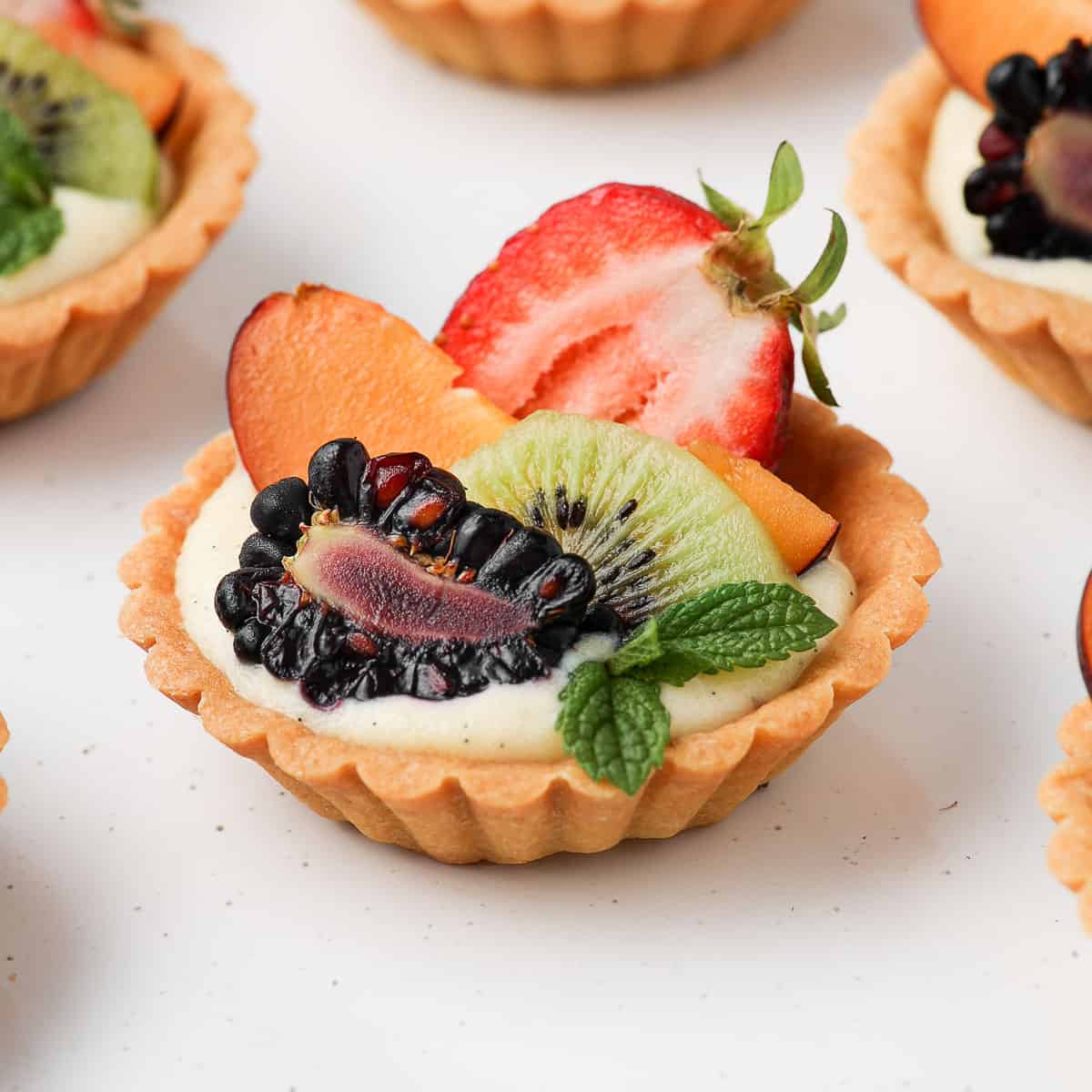
Sustainability and “Clean” Tartness
Another critical trend shaping the future of branding is the growing emphasis on sustainability, natural ingredients, and “clean” labels. “Tartness” intrinsically aligns with these values. Many tart flavors derive from natural sources—fruits, fermented products, and botanicals—which can be leveraged to reinforce a brand’s commitment to naturalness and purity. Brands can highlight their sourcing practices, emphasizing organic ingredients, minimal processing, and environmental responsibility. The concept of “clean tartness” extends beyond ingredients to the overall brand ethos: a transparency in production, a commitment to health, and a refreshing honesty in communication. As consumers become more conscious about what they consume and how it’s produced, brands that can authentically communicate their “tart” attributes as a reflection of natural goodness and sustainable practices will gain a significant competitive advantage. The future of “tart” branding lies in its ability to not only invigorate the senses but also to align with the ethical and environmental values of a discerning global consumer base.
In conclusion, “what is tart” transcends a simple definition of taste. It is a powerful brand dimension, capable of shaping perception, driving consumer engagement, and fostering deep loyalty. By understanding its sensory foundations, psychological associations, and strategic applications, brands can effectively harness the invigorating, bold, and authentic spirit of “tartness” to carve out distinctive market positions and resonate powerfully with the modern consumer.
aViewFromTheCave is a participant in the Amazon Services LLC Associates Program, an affiliate advertising program designed to provide a means for sites to earn advertising fees by advertising and linking to Amazon.com. Amazon, the Amazon logo, AmazonSupply, and the AmazonSupply logo are trademarks of Amazon.com, Inc. or its affiliates. As an Amazon Associate we earn affiliate commissions from qualifying purchases.