
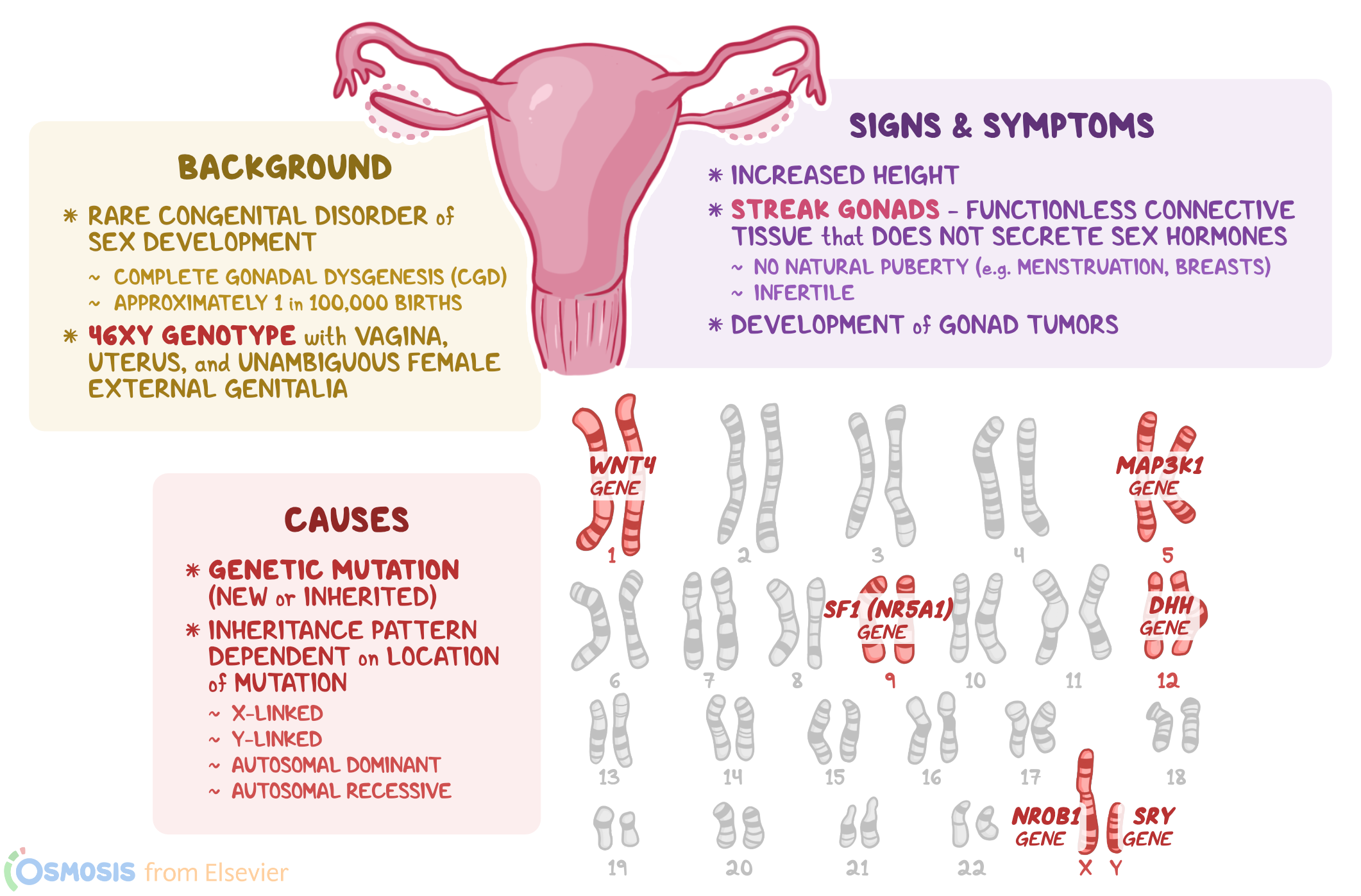
Swyer Syndrome, also known as 46,XY complete gonadal dysgenesis, is a rare genetic disorder characterized by an individual with XY chromosomes developing as a female, due to the failure of the gonads (testes) to develop. While its essence lies in human biology, our ability to understand, diagnose, and manage this complex condition is profoundly reliant on cutting-edge technology. From sophisticated genetic sequencing to advanced imaging and the burgeoning field of AI in diagnostics, technology provides the critical tools that illuminate this “genetic enigma.” This article delves into Swyer Syndrome, not just as a medical phenomenon, but as a testament to the indispensable role technology plays in modern medicine, offering insights into its causes, diagnosis, and potential future interventions through a purely technological framework.
Unraveling the Genetic Blueprint: The Role of Genomic Technologies
The fundamental understanding of Swyer Syndrome begins at the molecular level – the chromosomes and genes that dictate human development. Without advanced genomic technologies, the precise identification of Swyer Syndrome would remain largely elusive, reducing diagnosis to observable phenotypic characteristics rather than underlying genetic causes. These technologies not only pinpoint the genetic anomaly but also pave the way for a deeper comprehension of human sexual development.
The SRY Gene and Its Technological Detection
At the heart of Swyer Syndrome lies the SRY (Sex-determining Region Y) gene, located on the Y chromosome. This gene is crucial for triggering the development of male gonads (testes) in an XY individual. In most cases of Swyer Syndrome, a mutation, deletion, or translocation affecting the SRY gene prevents its proper function, leading to the development of streak gonads (undifferentiated tissue) instead of testes, and consequently, a female phenotype.
The identification of such subtle genetic defects is a triumph of molecular biology and bioinformatics. Early diagnostic methods relied on polymerase chain reaction (PCR), a revolutionary technology developed in the 1980s, which allows for the amplification of specific DNA segments. Through PCR, scientists can produce millions of copies of the SRY gene from a minute sample, making it detectable. Subsequent sequencing techniques, such as Sanger sequencing, provided the ability to read the exact nucleotide sequence of the amplified gene, pinpointing specific mutations.
Today, the landscape is dominated by Next-Generation Sequencing (NGS) technologies. Platforms like Illumina’s MiSeq and HiSeq have dramatically increased the speed, throughput, and affordability of genetic sequencing. NGS can sequence entire genes, exomes (all protein-coding regions), or even whole genomes in a single run, offering a comprehensive view of an individual’s genetic makeup. For Swyer Syndrome, NGS is critical not only for identifying SRY gene anomalies but also for detecting other potential genetic causes or co-occurring conditions that might mimic or complicate the diagnosis. The computational power required to process and interpret the vast amounts of data generated by NGS is immense, relying on advanced algorithms and bioinformatics pipelines to identify pathogenic variants with high accuracy.
Karyotyping and Chromosomal Analysis
Before the advent of widespread gene sequencing, and still a crucial initial step, karyotyping was (and remains) a cornerstone diagnostic technology. Karyotyping involves analyzing an individual’s set of chromosomes to check for abnormalities in number or structure. For Swyer Syndrome, the primary finding is often the 46,XY karyotype, which, when combined with a female phenotype, immediately signals a discrepancy in sexual development.
The process of karyotyping is inherently technological. It involves culturing cells (often from blood or skin biopsies) to stimulate mitosis, arresting them at metaphase, and then staining the chromosomes to visualize their characteristic banding patterns under a powerful microscope. Digital imaging and automated analysis systems have significantly enhanced this process. High-resolution cameras capture detailed images of the chromosomes, and specialized software assists technicians in arranging them into a karyogram, identifying structural rearrangements (like deletions or translocations that might affect the SRY region, even if too small for visible detection) or numerical anomalies. While NGS offers higher resolution for gene-level defects, karyotyping provides a macro-level view of chromosomal integrity, ensuring no larger structural issues are missed, thus complementing genetic sequencing.
Precision Diagnostics and Imaging Innovations
Beyond genetic confirmation, assessing the internal anatomy and the development of secondary sexual characteristics requires advanced diagnostic tools. Modern medical imaging techniques provide non-invasive or minimally invasive ways to visualize internal structures, confirm phenotypic features, and rule out other conditions, all critical for a definitive Swyer Syndrome diagnosis.
Advanced Imaging Modalities in Diagnosis
A key aspect of diagnosing Swyer Syndrome is confirming the absence of developed internal male reproductive organs (testes, epididymis, vas deferens) and the presence of female internal structures (uterus, fallopian tubes) alongside streak gonads.
-
Ultrasound: This widely available and non-invasive technology uses high-frequency sound waves to create real-time images of internal organs. For individuals suspected of having Swyer Syndrome, pelvic ultrasound is crucial for visualizing the uterus and ovaries (or lack thereof), and confirming the presence of streak gonads. Advances in 3D and 4D ultrasound provide even more detailed anatomical views, aiding in the precise identification of rudimentary structures.
-
Magnetic Resonance Imaging (MRI): MRI offers superior soft-tissue contrast compared to ultrasound or X-rays, making it invaluable for detailed anatomical assessment. Using powerful magnets and radio waves, MRI can produce intricate cross-sectional images of the pelvis, precisely delineating the size and morphology of the uterus, the presence and nature of gonadal tissue (differentiating streak gonads from ovarian tissue or dysgenetic testes), and detecting any associated anomalies. The technological sophistication of modern MRI scanners, with their high field strengths and advanced pulse sequences, allows for extremely detailed and multi-planar imaging, which is critical for complex diagnostic scenarios.
-
Computed Tomography (CT) Scans: While generally less utilized than MRI for soft tissue differentiation in this context due to radiation exposure, CT scans can be used in specific cases to provide rapid, high-resolution cross-sectional images, particularly useful for ruling out certain types of tumors or other conditions that might present similarly. Modern CT scanners employ dose reduction techniques and faster acquisition times, minimizing patient exposure while maximizing image quality.
AI-Powered Diagnostics
The frontier of diagnostics is increasingly being shaped by artificial intelligence (AI) and machine learning (ML). For rare diseases like Swyer Syndrome, AI holds immense promise in accelerating and refining diagnosis, particularly by synthesizing disparate data points.

-
Genomic Data Interpretation: AI algorithms are being developed to analyze the vast amounts of data generated by NGS. These tools can identify complex genetic variants, predict their pathogenicity, and correlate them with clinical phenotypes more efficiently than human analysis alone. AI can scour large databases of known mutations and clinical presentations, flagging potential matches for rare conditions like Swyer Syndrome, where the genetic anomaly might be subtle or novel.
-
Medical Image Analysis: Machine learning models can be trained on large datasets of medical images (ultrasound, MRI) to automatically detect subtle anatomical variations or abnormalities indicative of Swyer Syndrome. For example, an AI system could be trained to identify streak gonads or assess uterine development with greater consistency and speed than human radiologists, potentially reducing diagnostic delays.
-
Phenotype-Genotype Matching: AI can bridge the gap between observed clinical features (phenotype) and underlying genetic mutations (genotype). By processing patient medical records, symptom descriptions, and lab results, AI systems can suggest genetic tests or diagnoses, aiding clinicians in navigating the complexities of rare disease presentation. This is particularly valuable for conditions like Swyer Syndrome, where phenotypic variability can sometimes make initial clinical suspicion challenging.
Digital Health and Patient Management
Once diagnosed, individuals with Swyer Syndrome require lifelong management, primarily hormone replacement therapy. Digital health technologies are transforming how patients access care, manage their condition, and connect with support networks, particularly for rare and chronic diseases.
Telemedicine and Remote Consultations
Swyer Syndrome is rare, meaning specialized endocrinologists and geneticists may not be readily available in every geographical location. Telemedicine, enabled by secure video conferencing platforms and digital medical records, has revolutionized access to expert care. Patients can consult with specialists remotely, receive prescriptions, and discuss management plans without the burden of travel. This technology ensures equitable access to specialized medical advice, improving patient outcomes and reducing healthcare disparities, especially in underserved areas or for individuals with mobility challenges.
Health Apps and Wearables
Mobile health applications (mHealth apps) and wearable devices provide individuals with Swyer Syndrome powerful tools for self-management.
-
Symptom Tracking and Medication Reminders: Apps can help patients meticulously track their hormone replacement therapy schedule, remind them to take medication, and log any symptoms or side effects. This data can then be easily shared with their healthcare providers, offering a comprehensive overview of their condition management.
-
Educational Resources and Support: Dedicated apps or online platforms can provide reliable information about Swyer Syndrome, helping patients understand their condition better and make informed decisions. Online communities and forums facilitated by digital platforms allow individuals to connect with others facing similar challenges, offering peer support and reducing feelings of isolation often associated with rare diseases.
-
Wearable Technology: Smartwatches and fitness trackers, while not directly treating Swyer Syndrome, can monitor general health parameters such as heart rate, sleep patterns, and activity levels. This data can provide valuable insights into overall well-being and help individuals identify any patterns or concerns that warrant medical attention, integrating seamlessly into a holistic health management strategy.
The Frontier of Treatment: Technological Horizons
While current management for Swyer Syndrome primarily involves hormone replacement therapy and gonadectomy to prevent tumor formation, technological advancements are continually pushing the boundaries of what might be possible in the future, particularly in genetic intervention.
Gene Editing and Future Therapies
The precise genetic basis of Swyer Syndrome, often a defect in the SRY gene, makes it a prime candidate for future gene-editing therapies. Technologies like CRISPR-Cas9 (Clustered Regularly Interspaced Short Palindromic Repeats) offer the unprecedented ability to accurately cut and modify DNA sequences.
-
Correcting SRY Gene Mutations: In theory, CRISPR could be used to correct the specific mutations in the SRY gene in affected individuals. While still highly experimental and fraught with ethical and technical challenges, the long-term vision is to restore proper SRY function, potentially allowing for normal gonadal development or even correcting the condition prenatally.
-
Development of Gene Therapy Vectors: Delivering gene-editing tools into target cells requires sophisticated viral or non-viral vectors. Advances in virology and nanotechnology are leading to the development of safer and more efficient delivery systems, critical for translating gene-editing research into clinical applications for complex genetic disorders like Swyer Syndrome. The precision and specificity of these technologies represent a profound shift in medicine’s ability to tackle genetic diseases at their source.
Bioengineering and Hormone Replacement Technologies
Current management relies on hormone replacement therapy (HRT), typically estrogen and progesterone, to induce puberty and maintain secondary sexual characteristics, bone density, and overall health. The continuous evolution of pharmaceutical technology enhances the efficacy and safety of these treatments.
-
Advanced Drug Delivery Systems: Bioengineering innovations are leading to more sophisticated drug delivery methods, such as transdermal patches with controlled release mechanisms, long-acting injectable formulations, or even implantable devices that ensure consistent hormone levels, improving patient compliance and reducing fluctuations.
-
Personalized Hormone Therapy: Leveraging genomic data, future HRT might become even more personalized. Pharmacogenomics, the study of how genes affect a person’s response to drugs, could allow for tailoring hormone dosages and types based on an individual’s unique genetic profile, optimizing treatment outcomes and minimizing side effects. This intersection of genetics and pharmacology is a testament to the power of technological integration in patient care.
Conclusion
Swyer Syndrome, a condition rooted in the intricate dance of human genetics, stands as a compelling example of how indispensable technology has become in modern medicine. From the high-resolution power of Next-Generation Sequencing that deciphers its genetic origins, to the precision of AI-driven diagnostics that interpret complex medical data, and the digital health platforms that enable remote care, technology is interwoven into every facet of understanding and managing this rare disorder. As we look to the future, gene-editing technologies like CRISPR offer a glimpse into a world where the very genetic anomalies causing conditions like Swyer Syndrome might one day be corrected. In essence, while Swyer Syndrome remains a significant medical challenge, it is through a sophisticated technological lens that we gain clarity, offer support, and nurture hope for those affected.
aViewFromTheCave is a participant in the Amazon Services LLC Associates Program, an affiliate advertising program designed to provide a means for sites to earn advertising fees by advertising and linking to Amazon.com. Amazon, the Amazon logo, AmazonSupply, and the AmazonSupply logo are trademarks of Amazon.com, Inc. or its affiliates. As an Amazon Associate we earn affiliate commissions from qualifying purchases.