
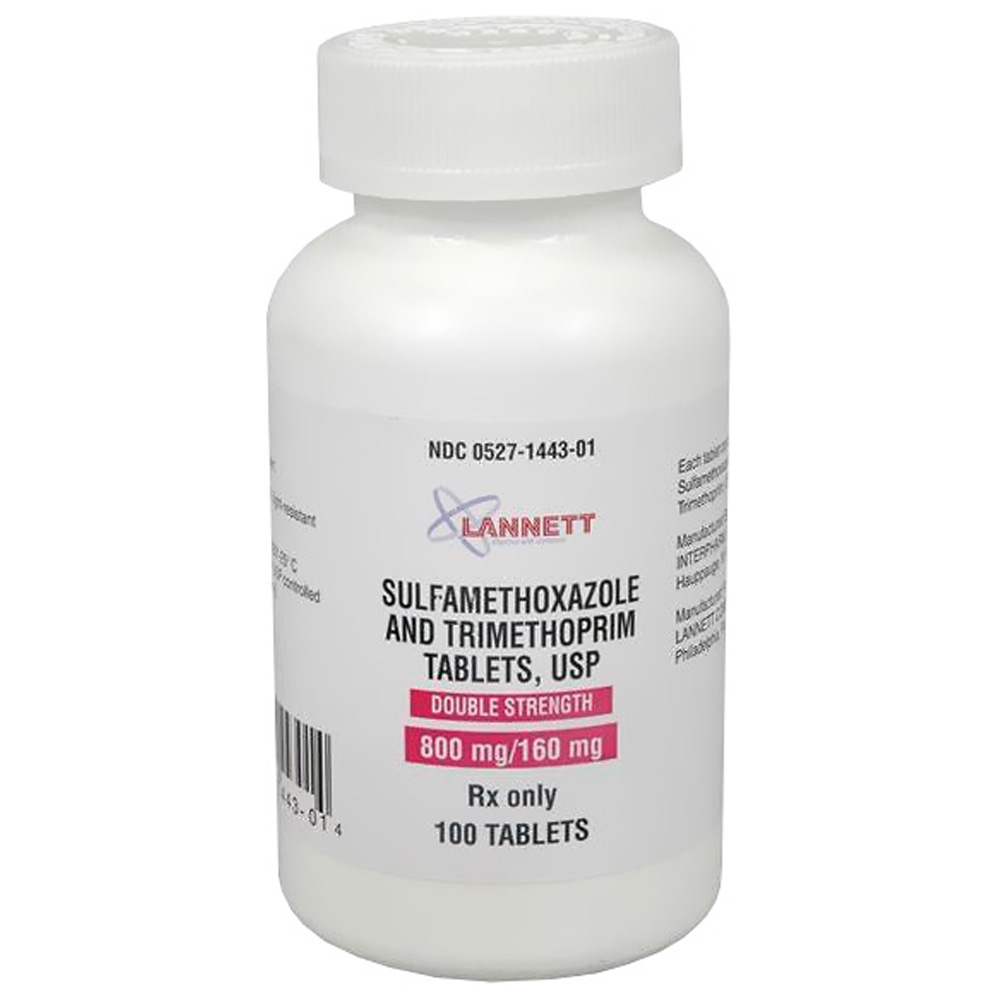
In the current landscape of personal financial management, understanding the cost-benefit analysis of pharmaceutical interventions is a critical, yet often overlooked, component of healthcare budgeting. Sulfamethoxazole/Trimethoprim 800 mg/160 mg, a combination antibiotic often referred to as a “double-strength” dose, represents a significant case study in the intersection of essential health maintenance and economic efficiency. When managing household budgets or optimizing health insurance utilization, recognizing the utility, necessity, and cost-effectiveness of this medication is vital for long-term fiscal planning.
The Economic Value of Targeted Antibiotic Therapy
When a physician prescribes a specific medication, they are not only looking at the clinical outcome but also the efficiency of that outcome. From a personal finance perspective, the “double-strength” dosage of sulfamethoxazole/trimethoprim (often marketed as Bactrim DS or Septra DS) is a prime example of value-based medicine.

Maximizing Therapeutic Efficacy for Cost Efficiency
The 800 mg/160 mg formulation is specifically engineered to treat a variety of bacterial infections, most commonly urinary tract infections (UTIs), bronchitis, and certain types of skin infections. By utilizing a high-concentration, combination therapy, patients often achieve the desired health outcome with fewer doses per day. In the context of business and personal finance, this is an optimization of resources: minimizing the time spent managing a chronic or acute health issue reduces indirect costs, such as lost productivity and recurring co-pays for follow-up visits.
Preventing High-Cost Complications
The primary financial risk of an improperly treated or lingering infection is the potential for escalation. A simple, untreated bacterial infection can rapidly evolve into systemic conditions, such as pyelonephritis or sepsis, which carry exponential costs in terms of hospital admissions, emergency room fees, and prolonged periods of missed work. By utilizing the precise dosage for the intended infection, a patient mitigates the financial risk of disease progression. Investing in the appropriate pharmaceutical intervention at the onset is an essential risk-management strategy for any individual’s financial portfolio.
Understanding the Financial Impact of Pharmaceutical Tiering
Navigating the pharmacy benefit manager (PBM) landscape requires an understanding of how medications like sulfamethoxazole/trimethoprim are classified. As a generic medication, it is a cornerstone of affordable healthcare, yet its economic footprint varies depending on insurance plan structures.
The Advantage of Generic Standardization
Sulfamethoxazole/trimethoprim is widely available as a generic drug. In the world of healthcare economics, generics are the equivalent of “cost-effective scaling.” Because the drug has been available for decades, manufacturers have optimized the production chain, leading to a low market price. For a family managing a health savings account (HSA) or a flexible spending account (FSA), prioritizing generic options like this is a fundamental way to stretch healthcare dollars without sacrificing quality of care. When choosing between brand-name alternatives and this reliable generic, the economic decision is overwhelmingly in favor of the generic.

Analyzing Co-Pay and Out-of-Pocket Structures
Different insurance tiers categorize medications differently. A high-deductible health plan (HDHP) user, for instance, is highly sensitive to the upfront cost of prescriptions. Because sulfamethoxazole/trimethoprim is a widely recognized, essential medicine, it is frequently placed in the lowest tier of insurance formularies. Understanding your plan’s formulary allows you to forecast annual healthcare expenditures accurately. When you recognize that a common treatment like this 800/160 mg dose is consistently low-cost, it allows for better budget allocation toward other essential financial goals, such as emergency funds or retirement contributions.
Strategic Health Management as a Fiscal Priority
Effective financial planning requires a holistic view of human capital. Your ability to generate income is your greatest financial asset. Therefore, maintaining your health is not merely a lifestyle choice; it is an economic necessity.
The Cost of Preventative versus Reactive Healthcare
One of the most expensive mistakes individuals make is delaying medical treatment to “save money.” In reality, this is a form of negative compounding. Delaying the treatment of an infection leads to higher future costs. Sulfamethoxazole/trimethoprim is a standard, first-line treatment for many common bacterial issues. Recognizing that this medication exists as an accessible tool allows for a proactive approach. When you utilize affordable, proven treatments early, you protect your primary earning capacity from the disruption caused by severe illness.
Integrating Health Costs into Personal Budgets
Many households fail to budget for acute healthcare needs. While fixed costs like housing and utilities are accounted for, variable costs—like the need for a sudden prescription—are often treated as “financial shocks.” By keeping a small buffer for potential prescription costs and understanding the low price point of standard generics like this combination antibiotic, you can smooth out the volatility in your monthly cash flow. Treating health expenses as a planned line item rather than an unexpected crisis is a hallmark of sophisticated financial management.
Risk Management: Avoiding Financial Loss through Compliance
Adherence to a medication regimen is not just a clinical requirement; it is a financial one. If you are prescribed a 10-day course of sulfamethoxazole/trimethoprim 800/160 mg, completing the full course is essential.
Avoiding the Costs of Recurrence
When a patient stops a medication prematurely because they “feel better,” they risk the survival of the most resistant bacteria. This leads to a recurrence of the infection, which essentially doubles the cost of treatment: you pay for the initial course, you pay for the subsequent doctor’s visit, and you pay for a new, often more expensive, second-line antibiotic. From a fiscal standpoint, partial treatment is a wasted investment. Adherence ensures the “capital” spent on the first course of medicine yields a 100% return in the form of a cured infection, rather than a partial return that results in a secondary financial loss.
Strategic Considerations for Long-Term Health Planning
Finally, consider the long-term implications of your healthcare choices. Sulfamethoxazole/trimethoprim is a reliable tool when used appropriately under medical supervision. As you build your long-term financial plan, account for the fact that health status is fluid. By working with healthcare providers to select cost-effective, clinically proven medications—rather than falling for expensive, branded marketing—you protect your net worth from unnecessary depletion. Every dollar saved on optimized prescription choices is a dollar that can be redirected toward debt reduction, investment, or long-term financial security.
Ultimately, understanding the role of sulfamethoxazole/trimethoprim 800/160 mg is about more than just pharmacology; it is about recognizing how the tools at your disposal interact with your financial wellbeing. By prioritizing efficiency, leveraging the benefits of generic status, and maintaining rigorous compliance to prevent costly health setbacks, you apply sound business principles to the maintenance of your most valuable asset: yourself.
aViewFromTheCave is a participant in the Amazon Services LLC Associates Program, an affiliate advertising program designed to provide a means for sites to earn advertising fees by advertising and linking to Amazon.com. Amazon, the Amazon logo, AmazonSupply, and the AmazonSupply logo are trademarks of Amazon.com, Inc. or its affiliates. As an Amazon Associate we earn affiliate commissions from qualifying purchases.